Premium Softwood: Sustainable, Versatile Building Material for Modern Construction

Get a Free Quote

Our representative will contact you soon.
Email
Name
Company Name
Message
0/1000

soft wood

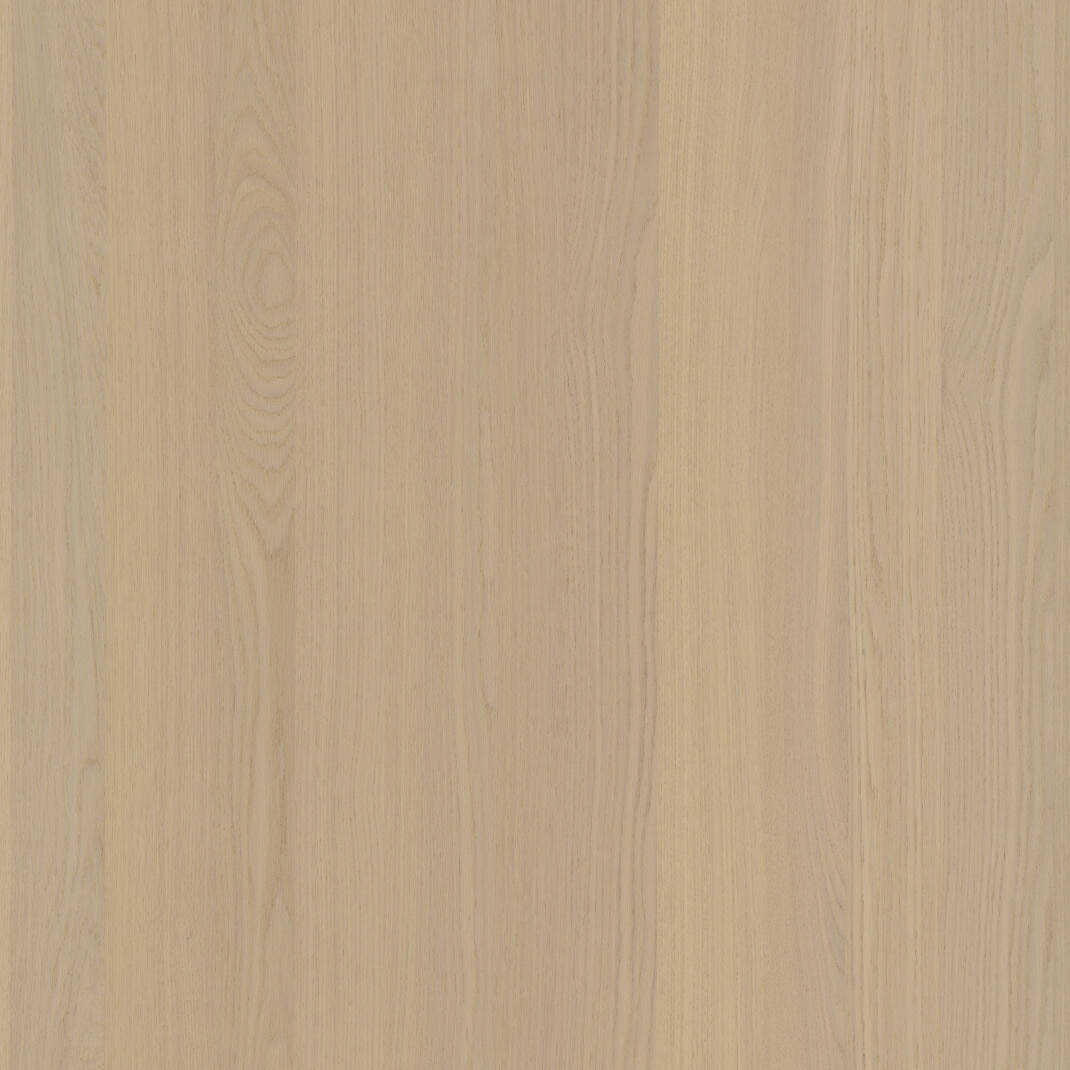
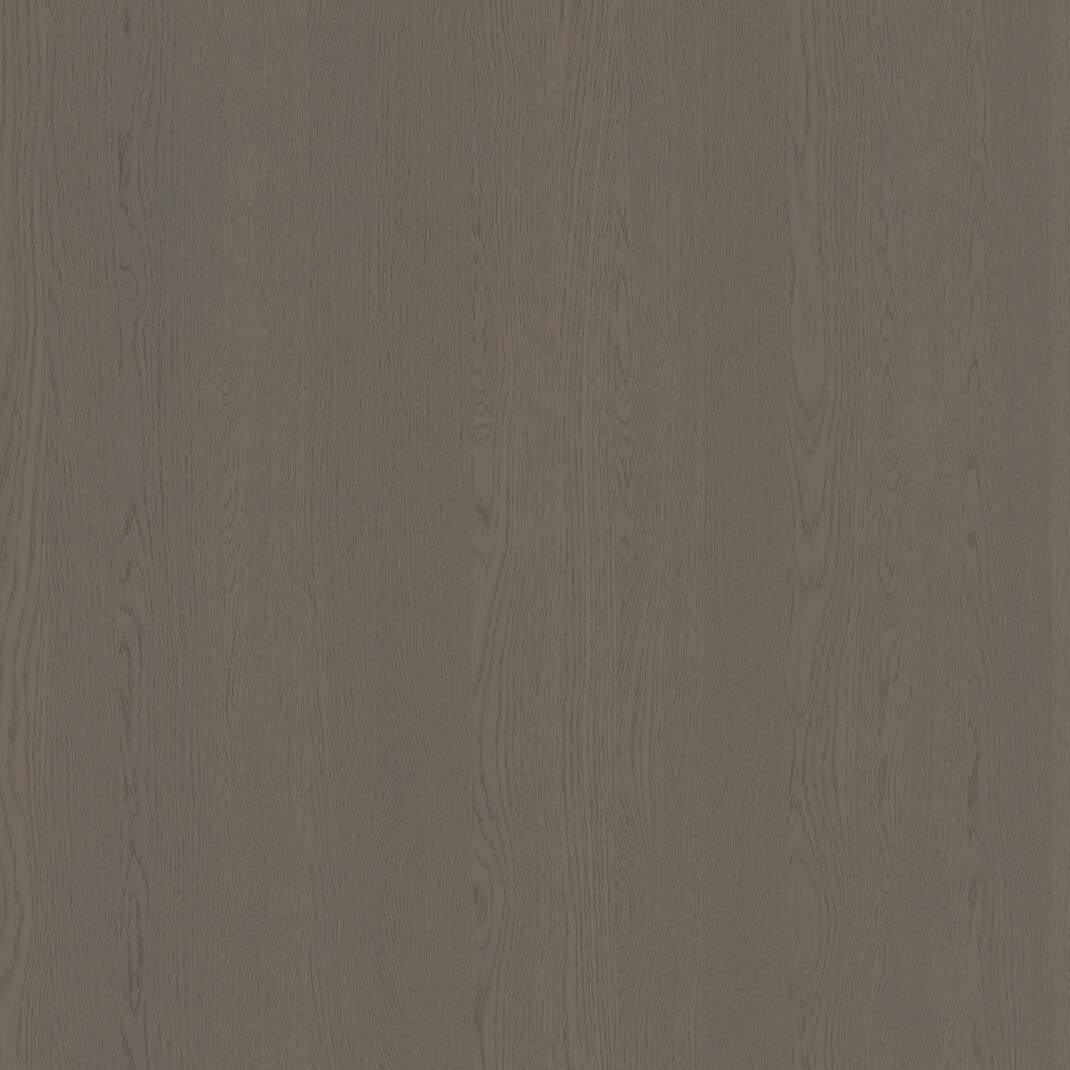
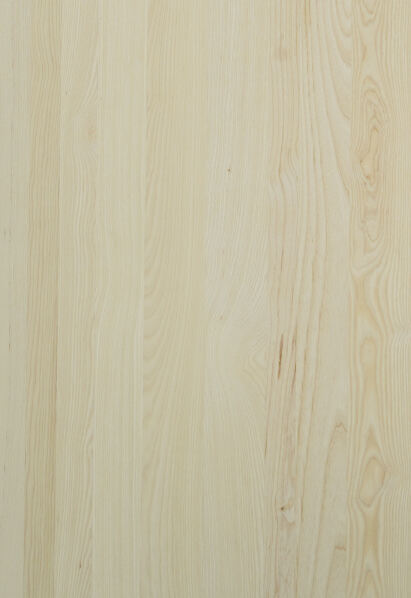
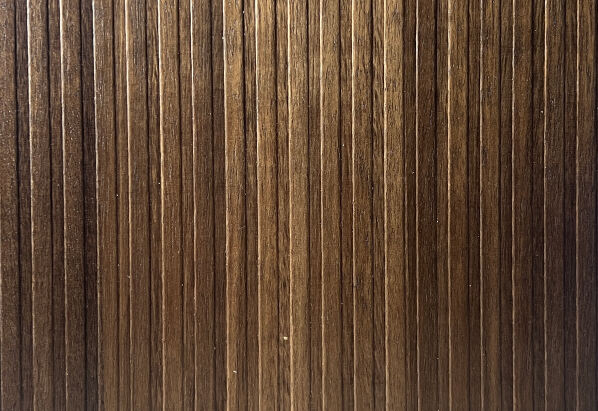
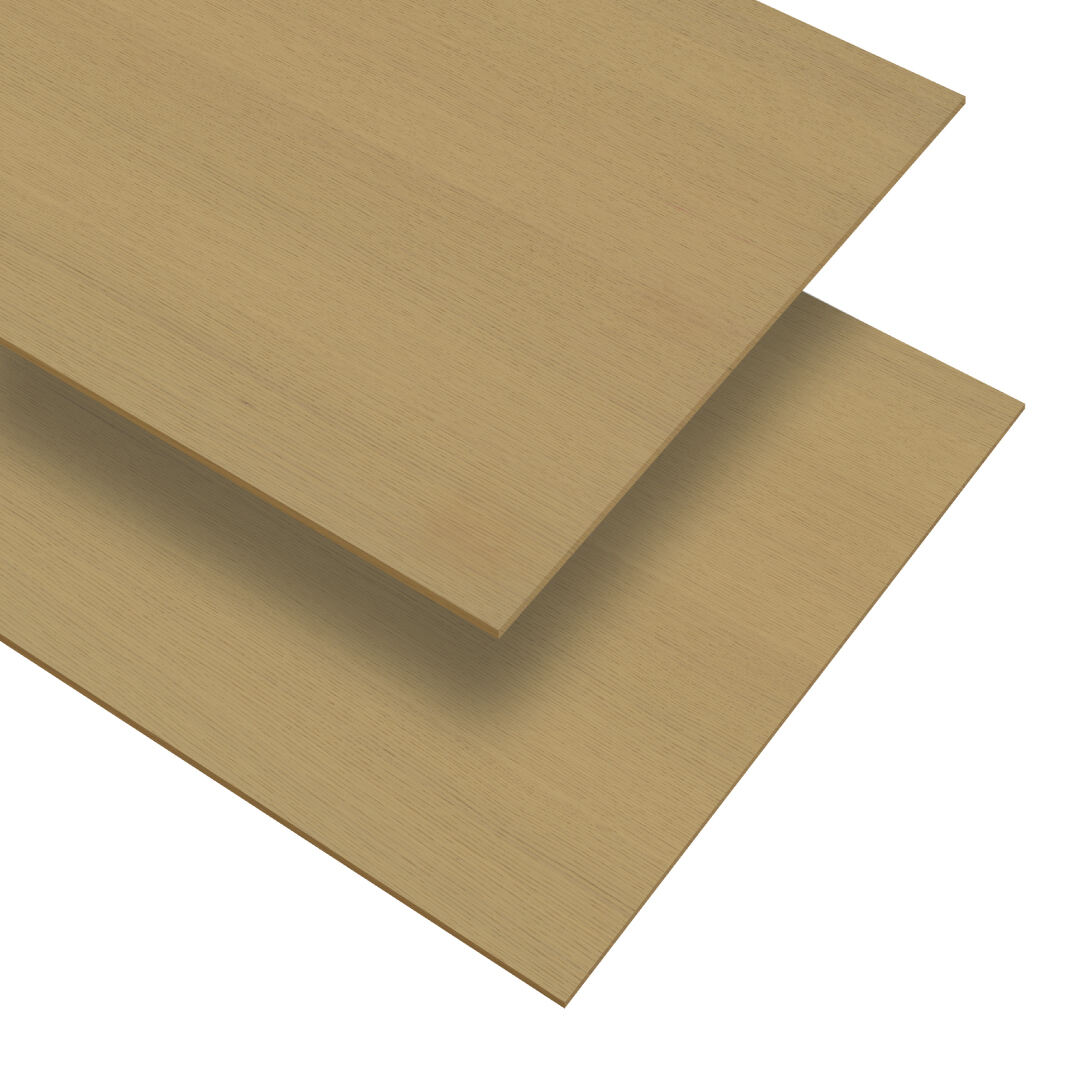
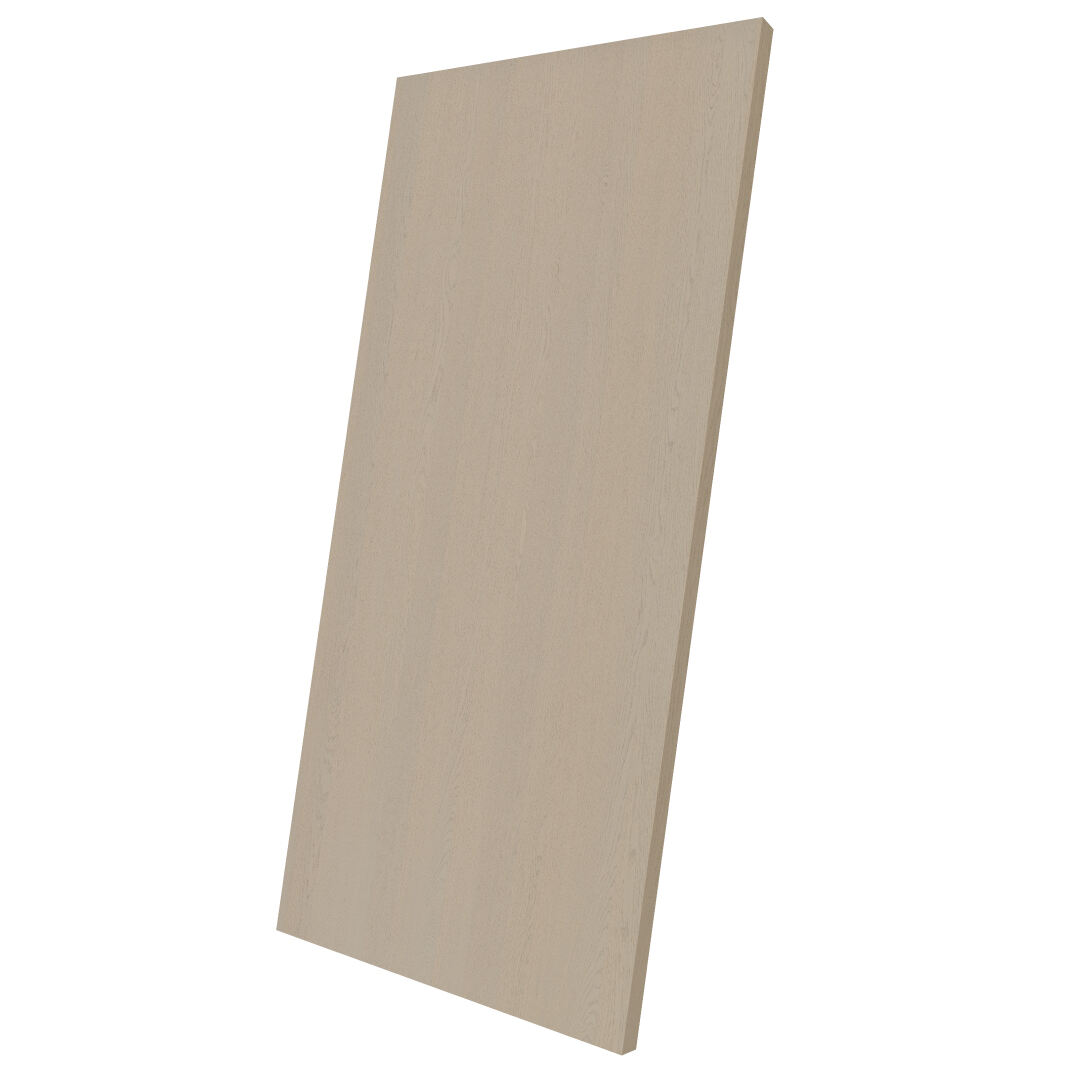
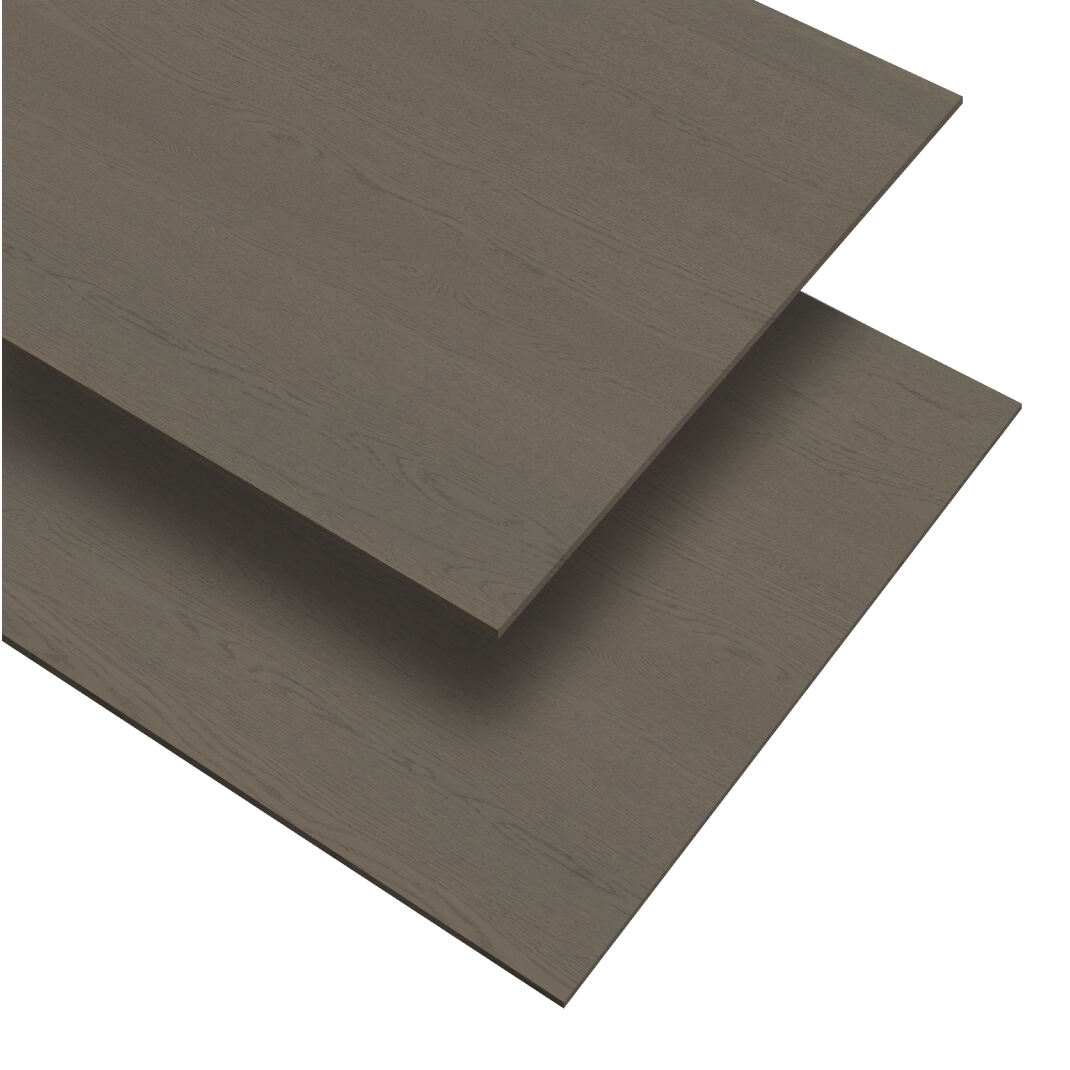
Softwood is a fundamental building material derived from coniferous trees, characterized by its lightweight nature and remarkable versatility. These woods, sourced primarily from evergreen species like pine, spruce, and cedar, feature a relatively simple cellular structure that contributes to their workability and consistent grain patterns. Softwoods typically demonstrate excellent strength-to-weight ratios, making them ideal for construction and manufacturing applications. The wood's cellular composition, consisting mainly of long tracheids, provides natural insulation properties while maintaining structural integrity. Modern processing techniques enhance these inherent qualities, treating softwoods to improve their durability and resistance to environmental factors. The material's rapid growth cycle ensures sustainable availability, while advanced harvesting methods maintain forest health. Technologically, softwoods respond exceptionally well to both traditional woodworking techniques and contemporary manufacturing processes, including computer-controlled cutting and shaping. Their uniform cell structure facilitates consistent absorption of preservatives and finishes, enabling enhanced performance in various environmental conditions. In applications ranging from residential construction to paper production, softwood's adaptability and cost-effectiveness make it an indispensable material in modern industry.

New Products

Softwood presents numerous compelling advantages that make it a preferred choice across various applications. Its lightweight nature significantly reduces transportation and handling costs while maintaining impressive structural strength. The material's natural insulation properties contribute to energy efficiency in buildings, helping maintain comfortable indoor temperatures and reducing heating and cooling expenses. Softwood's relatively rapid growth cycle ensures a sustainable supply chain, making it an environmentally responsible choice compared to slower-growing hardwoods. The material's consistent grain pattern and uniform cellular structure facilitate easy processing and machining, resulting in reduced waste and more efficient manufacturing processes. Its adaptability to various treatments and finishes allows for enhanced durability and aesthetic customization, meeting diverse market demands. The cost-effectiveness of softwood makes it accessible for both large-scale commercial projects and individual craftsmen, while its workability reduces labor costs and production time. Modern preservation techniques have significantly extended the material's service life, making it suitable for both interior and exterior applications. The wood's natural aesthetic appeal, combined with its ability to accept various stains and finishes, provides versatility in design applications. Additionally, its renewable nature and carbon sequestration properties make it an environmentally sustainable choice, aligning with contemporary green building practices and environmental regulations.

Latest News

How to Choose the Perfect Decorative Panels for Your Space

18

Nov

How to Choose the Perfect Decorative Panels for Your Space

Creating stunning interior spaces requires careful consideration of every design element, and decorative panels have emerged as one of the most versatile and impactful solutions for modern homes and commercial environments. These architectural elemen...
View More
Creative Uses for Decorative Panels in Home Design

18

Nov

Creative Uses for Decorative Panels in Home Design

Decorative panels have revolutionized modern interior design by offering homeowners endless possibilities to transform ordinary spaces into extraordinary environments. These versatile design elements serve as both functional and aesthetic solutions, ...
View More
Top 10 Wood Veneer Types for Luxury Furniture

30

Oct

Top 10 Wood Veneer Types for Luxury Furniture

Understanding the Elegance of Natural Wood Surfaces The world of luxury furniture craftsmanship has long celebrated wood veneer as a masterful blend of artistry and sustainability. This remarkable material allows furniture makers to create stunning p...
View More
2025 Guide: Choosing the Best Solid Wood Panel for Your Home

07

Nov

2025 Guide: Choosing the Best Solid Wood Panel for Your Home

The growing popularity of natural materials in modern home design has made solid wood panels an increasingly sought-after choice for homeowners and interior designers alike. These versatile panels offer unmatched beauty, durability, and environmental...
View More

Get a Free Quote

Our representative will contact you soon.
Email
Name
Company Name
Message
0/1000

soft wood

Superior Environmental Sustainability

Superior Environmental Sustainability

Softwood stands out as a beacon of environmental sustainability in the construction and manufacturing industries. Its rapid growth cycle, typically ranging from 25 to 35 years, ensures a continuous and renewable supply while minimizing environmental impact. The material's production process requires significantly less energy compared to alternative building materials like steel or concrete, resulting in a smaller carbon footprint. Softwood trees actively sequester carbon during their growth phase, storing it even after harvesting, contributing positively to climate change mitigation efforts. Modern forestry practices ensure responsible resource management, with replanting programs maintaining biodiversity and ecosystem health. The material's biodegradability at the end of its life cycle further enhances its environmental credentials, reducing landfill impact and supporting circular economy principles.
Cost-Effective Processing and Application

Cost-Effective Processing and Application

The economic advantages of softwood processing stem from its unique cellular structure and physical properties. The material's uniform composition allows for efficient machining and cutting, reducing tool wear and maintenance costs. Its lower density compared to hardwoods results in reduced power consumption during processing, while the consistent grain pattern minimizes waste and defects. Modern automated manufacturing systems can process softwood with high precision and speed, optimizing production efficiency. The material's natural receptiveness to treatments and finishes reduces processing steps and material costs, while its standardized dimensions facilitate streamlined construction processes. These factors combine to make softwood an economically viable choice for both large-scale industrial applications and smaller custom projects.
Versatile Performance Characteristics

Versatile Performance Characteristics

Softwood's performance characteristics make it exceptionally versatile across various applications. Its high strength-to-weight ratio provides excellent structural capabilities while maintaining manageable handling properties. The material's natural insulation properties contribute to energy efficiency in buildings, while its cellular structure allows for effective treatment with preservatives and fire retardants. Softwood's dimensional stability can be enhanced through modern processing techniques, making it suitable for both interior and exterior applications. The material's acoustic properties make it valuable in sound control applications, while its natural aesthetic appeal can be enhanced through various finishing techniques. Its adaptability to both traditional woodworking methods and modern manufacturing processes ensures compatibility with evolving technological requirements and design trends.

Get a Free Quote

Our representative will contact you soon.
Email
Name
Company Name
Message
0/1000