 EN
EN


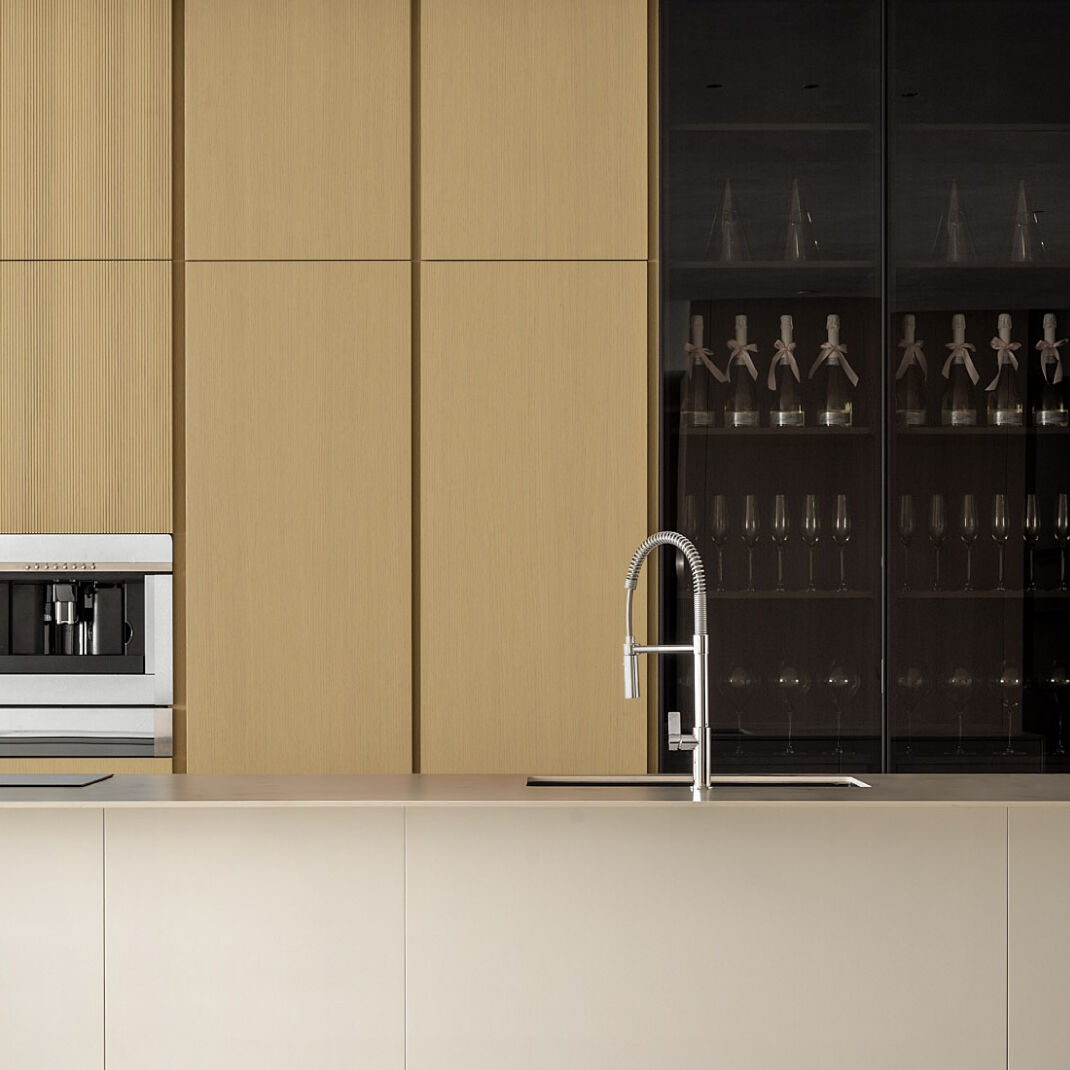
Le choix du panneau de meuble adapté pour les armoires de cuisine nécessite une évaluation attentive des propriétés des matériaux, des exigences en matière de durabilité et des préférences esthétiques. Le type de panneau de meuble sélectionné influence directement à la fois la performance fonctionnelle et l’attrait visuel de vos armoires de cuisine, ce qui rend cette décision essentielle pour assurer une satisfaction durable et protéger votre investissement.
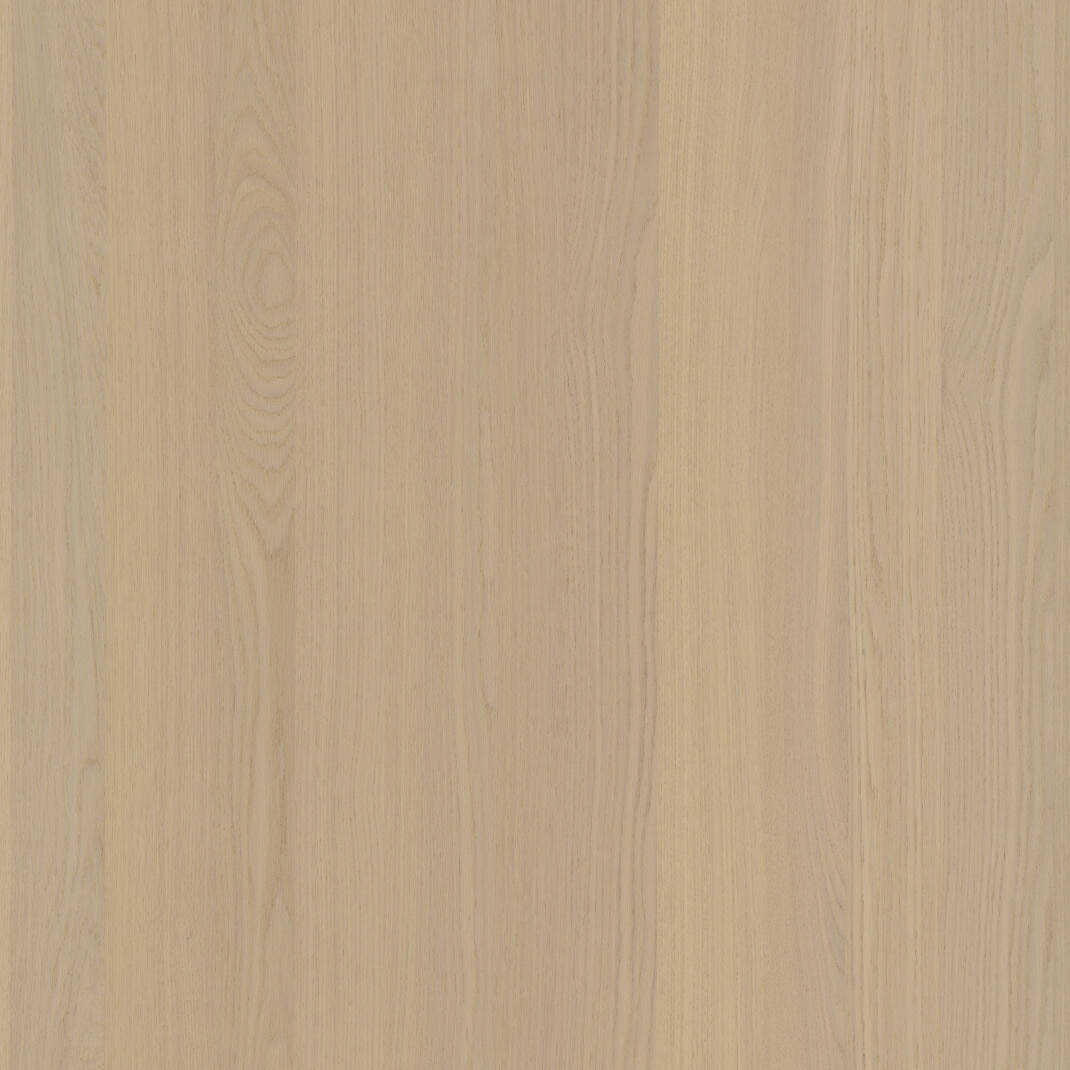
Les environnements de cuisine présentent des défis spécifiques qui influencent le choix des panneaux de meuble, notamment l’exposition à l’humidité, aux variations de température, à la graisse et aux nettoyages fréquents. Les différents matériaux de panneaux réagissent de façon distincte à ces conditions : certains se distinguent par leur excellente résistance à l’humidité, tandis que d’autres privilégient la résistance aux rayures ou la stabilité dimensionnelle. Comprendre ces compromis permet de déterminer quel type de panneau de meuble correspond le mieux à vos habitudes d’utilisation spécifiques de la cuisine ainsi qu’à vos préférences en matière d’entretien.
Composition du matériau et propriétés structurelles
Caractéristiques des panneaux de meuble en bois massif
Les panneaux de meubles en bois massif offrent une beauté naturelle et une durabilité à long terme lorsqu’ils sont correctement entretenus. Les essences de bois dur, telles que l’érable, le chêne et la cerise, assurent une excellente intégrité structurelle et résistent à des décennies d’utilisation en cuisine. La structure dense du grain des panneaux de meubles en bois dur de qualité résiste aux entailles et maintient une stabilité dimensionnelle dans des conditions normales de cuisine.
Toutefois, les panneaux de meubles en bois massif nécessitent une gestion rigoureuse de l’humidité ainsi qu’un repeint périodique afin de préserver leur aspect. Les caractéristiques naturelles d’expansion et de retrait du bois signifient que les installations de panneaux de meubles massifs peuvent présenter de petites fentes ou nécessiter des ajustements au fil du temps. Ce mouvement naturel est maîtrisable, mais doit être pris en compte dans la planification de l’entretien à long terme.
Solutions en panneaux de bois reconstitué
Les panneaux de mobilier reconstitué combinent des fibres ou des particules de bois avec des systèmes de collage afin de créer des supports homogènes et stables. Les panneaux de mobilier en fibres de moyenne densité (MDF) et en panneaux de particules offrent une densité uniforme et des surfaces lisses, idéales pour les applications de stratifié ou de placage. Ces solutions reconstituées coûtent généralement moins cher que le bois massif tout en offrant des caractéristiques de performance prévisibles.
Le procédé de fabrication des panneaux de mobilier reconstitué permet un contrôle précis de l’épaisseur et élimine les défauts naturels du bois. Des panneaux reconstitués de qualité résistent à la déformation et constituent des supports stables pour les portes d’armoires et les façades de tiroirs. Toutefois, l’exposition à l’humidité peut provoquer un gonflement des panneaux reconstitués de qualité inférieure, ce qui rend les indices de résistance à l’humidité des critères essentiels lors de la sélection.
Exigences de performance pour les applications en cuisine
Résistance à l'humidité et à la vapeur d'eau
Les environnements de cuisine soumettent les matériaux des panneaux d’ameublement à des défis importants liés à l’humidité, notamment la vapeur dégagée lors de la cuisson, les éclaboussures provenant de l’évier et les variations d’humidité. Les meilleurs choix de panneaux d’ameublement pour les cuisines intègrent des traitements résistants à l’humidité ou des matériaux intrinsèquement résistants à l’eau. Des surfaces en bois scellées et une chantournage correctement appliqué empêchent la pénétration de l’humidité, qui pourrait compromettre l’intégrité des panneaux.
Les surfaces de panneaux d’ameublement stratifiés offrent généralement une meilleure résistance à l’humidité que le bois non scellé, ce qui en fait des choix pratiques pour les zones situées à proximité de l’évier ou du lave-vaisselle. La couche stratifiée protectrice protège le support contre tout contact direct avec l’eau, tout en permettant un nettoyage facile. Les options de panneaux d’ameublement en stratifié haute pression offrent une protection supérieure contre l’humidité par rapport aux alternatives en stratifié basse pression.
Stabilité thermique et résistance à la chaleur
Les armoires de cuisine situées à proximité des plaques de cuisinière, des fours et d'autres sources de chaleur nécessitent des panneaux de meuble capables de conserver leur stabilité face aux variations de température. Des panneaux de meuble de qualité résistent à la dilatation et à la contraction thermiques, qui pourraient entraîner une défaillance des joints ou des fissures de surface. Cette stabilité thermique revêt une importance particulière pour les portes d'armoires et les façades de tiroirs adjacentes aux appareils de cuisson.
Différents matériaux de panneaux de meuble présentent des réactions variées à l'exposition à la chaleur. Les panneaux en bois massif supportent généralement bien les changements modérés de température, tandis que certains produits agglomérés peuvent être plus sensibles aux variations dimensionnelles liées à la chaleur. La compréhension des limites thermiques du matériau choisi panneau de meuble permet d'assurer des performances durables dans les environnements exigeants des cuisines.
Traitements de surface et options de finition
Systèmes de panneaux stratifiés
Les panneaux de meubles en placage bois allient l’attrait esthétique du bois naturel à la stabilité des substrats reconstitués. Des placages bois minces appliqués sur des matériaux de cœur stables offrent un aspect authentique du bois tout en réduisant les coûts et en améliorant la constance dimensionnelle. Les systèmes de panneaux de meubles en placage de qualité utilisent des motifs de placage appariés en livre ou en glissement afin d’assurer une continuité visuelle sur l’ensemble des séries d’armoires.
Le procédé d’application du placage influence considérablement les performances et l’apparence des panneaux de meubles. Les liaisons par placage chaud assurent une adhérence forte et durable, résistant à la délamination dans les conditions propres aux cuisines. Les options de panneaux de meubles en placage préfinis arrivent prêtes à être installées, ce qui réduit les travaux de finition sur site et garantit un raccord parfait des couleurs entre tous les éléments d’armoires.
Applications de surface en stratifié
Les surfaces de panneaux de meubles stratifiés offrent une excellente durabilité et un entretien facile dans les cuisines très fréquentées. Les options en stratifié haute pression résistent aux rayures, aux taches et aux chocs, tout en proposant un large choix de couleurs et de motifs. La surface non poreuse des matériaux de panneaux de meubles stratifiés empêche la prolifération bactérienne et simplifie les opérations de nettoyage.
Les produits modernes de panneaux de meubles stratifiés comprennent des surfaces texturées qui imitent fidèlement le veinage du bois, la pierre ou les motifs textiles. Ces stratifiés avancés offrent une grande souplesse en matière de conception tout en conservant les avantages pratiques des surfaces synthétiques. L’apparence uniforme et les performances constantes des options de panneaux de meubles stratifiés en font des choix populaires pour les applications commerciales et résidentielles en cuisine.
Intégration du design et considérations esthétiques
Reproduction et constance des couleurs
Obtenir une couleur uniforme sur plusieurs panneaux de meuble nécessite une sélection minutieuse des matériaux et un contrôle qualité rigoureux. Les matériaux naturels en bois pour panneaux de meuble présentent des variations de couleur inhérentes qui ajoutent du caractère, mais peuvent compliquer les opérations d’appariement. Les panneaux de meuble teintés et finis doivent provenir de la même série de production afin d’assurer une cohérence chromatique tout au long de l’installation de la cuisine.
Les options de panneaux de meuble préfinis éliminent les difficultés d’appariement des couleurs sur site grâce à des procédés de finition contrôlés en usine. Ces produits arrivent sur le chantier avec une couleur, une brillance et une texture uniformes. L’environnement de fabrication contrôlé permet aux producteurs de panneaux de meuble d’atteindre une uniformité chromatique difficile à reproduire avec des finitions appliquées sur site.
Coordination du veinage et de la texture
Le motif des veines et la texture de surface des panneaux de mobilier influencent considérablement l’esthétique globale de la cuisine. L’installation de panneaux de mobilier en placage appariés en livre crée des motifs symétriques des veines qui renforcent l’attrait visuel et la qualité perçue. Les motifs appariés au hasard confèrent une apparence plus décontractée, tout en permettant éventuellement de réduire les pertes de matériaux et les coûts.
La texture de surface affecte à la fois l’apparence et les exigences d’entretien des installations de panneaux de mobilier. Les surfaces lisses mettent en valeur la couleur et les motifs des veines, tout en simplifiant le nettoyage, tandis que les surfaces texturées peuvent masquer de légères rayures, mais risquent de retenir la saleté dans les irrégularités de surface. La texture choisie doit correspondre à la fois aux préférences esthétiques et aux capacités pratiques d’entretien.
Considérations relatives à l'installation et à la fabrication
Usinage et finition des chants
Différents matériaux de panneaux d’ameublement nécessitent des approches d’usinage spécifiques pour obtenir des résultats optimaux. Les panneaux d’ameublement en bois dur dense exigent des outils de coupe tranchants et des vitesses d’avance adaptées afin d’éviter les arrachements et d’obtenir des bords lisses. Les panneaux d’ameublement à base de bois reconstitué peuvent nécessiter des paramètres de coupe différents afin de prévenir les écaillages ou la délamination pendant la fabrication.
Le traitement des chants est essentiel pour assurer la longévité et l’esthétique des panneaux d’ameublement dans les applications de cuisine. Les chants exposés des panneaux d’ameublement à base de bois reconstitué doivent être scellés ou chantournés afin d’empêcher la pénétration de l’humidité. Les chants des panneaux d’ameublement en bois massif peuvent être façonnés et finis pour correspondre aux surfaces planes, assurant ainsi une transition esthétique continue.
Compatibilité et fixation des quincailleries
L'épaisseur et la densité des panneaux d'ameublement influencent les méthodes de fixation des quincailleries ainsi que leur pouvoir de retenue. Les quincailleries standard pour armoires fonctionnent bien avec la plupart des panneaux d'ameublement, mais des fixations spécialisées peuvent être nécessaires pour garantir des performances optimales avec certains matériaux issus de l'ingénierie. Les exigences en matière de pré-perçage varient selon les types de panneaux d'ameublement et doivent être scrupuleusement respectées afin d'éviter les fendillements ou le défilement des filetages.
Les fixations des charnières et des glissières de tiroirs exigent une épaisseur et une densité adéquates des panneaux d'ameublement pour un montage sécurisé. Les panneaux d'ameublement de qualité offrent une épaisseur suffisante pour la fixation des quincailleries standard tout en conservant leur intégrité structurelle malgré une utilisation répétée. Le pouvoir de retenue des différents types de panneaux doit être pris en compte lors du choix des quincailleries destinées à des portes lourdes ou à des tiroirs chargés.
FAQ
Quelle épaisseur de panneau d'ameublement convient le mieux aux portes d'armoires de cuisine ?
Les portes d'armoires de cuisine offrent généralement les meilleures performances avec une épaisseur de panneau meuble comprise entre 19 mm (3/4 de pouce) et 25 mm (1 pouce). Cette épaisseur assure une résistance structurelle adéquate pour les grandes portes tout en conservant un aspect proportionné. Les panneaux plus épais offrent une meilleure stabilité dimensionnelle et une fixation plus fiable des quincailleries, tandis que les options plus fines peuvent réduire les coûts de matériaux, mais risquent de compromettre la durabilité en cas d’utilisation intensive.
Comment l’humidité affecte-t-elle les différents matériaux de panneaux meubles dans les cuisines ?
L’impact de l’humidité varie considérablement selon le type de panneau meuble. Les panneaux en bois massif peuvent gonfler et se rétracter sous l’effet des variations d’humidité, ce qui peut engendrer des contraintes au niveau des assemblages. Des surfaces en bois correctement scellées résistent mieux à l’humidité que des surfaces non scellées. Les panneaux reconstitués dotés de noyaux résistants à l’humidité et de joints périphériques étanches offrent généralement une stabilité dimensionnelle plus constante dans les environnements humides propres aux cuisines.
Les matériaux de panneaux meubles peuvent-ils être remis à neuf en cas de dommage subi lors de leur utilisation en cuisine ?
Les possibilités de rénovation dépendent de la construction des panneaux de meuble et du traitement de surface. Les panneaux en bois massif et les panneaux plaqués peuvent généralement être poncés et rénovés plusieurs fois au cours de leur durée de vie utile. Les surfaces des panneaux de meuble stratifiés ne peuvent généralement pas être rénovées, mais elles peuvent être remplacées. Le potentiel de rénovation doit être pris en compte lors du choix des matériaux des panneaux pour des installations de cuisine à long terme.
Quel entretien les différents types de panneaux de meuble nécessitent-ils dans les environnements de cuisine ?
Les exigences d’entretien varient considérablement selon le matériau des panneaux de meuble. Les panneaux en bois massif peuvent nécessiter une rénovation périodique ainsi qu’une gestion rigoureuse de l’humidité. Les surfaces en placage requièrent un nettoyage doux afin d’éviter d’endommager la fine couche de bois. Les panneaux stratifiés nécessitent généralement uniquement un nettoyage courant à l’aide de produits nettoyants adaptés. Comprendre les besoins en matière d’entretien permet de garantir à long terme la performance et la conservation de l’apparence des panneaux de meuble.
Table des matières
- Composition du matériau et propriétés structurelles
- Exigences de performance pour les applications en cuisine
- Traitements de surface et options de finition
- Intégration du design et considérations esthétiques
- Considérations relatives à l'installation et à la fabrication
-
FAQ
- Quelle épaisseur de panneau d'ameublement convient le mieux aux portes d'armoires de cuisine ?
- Comment l’humidité affecte-t-elle les différents matériaux de panneaux meubles dans les cuisines ?
- Les matériaux de panneaux meubles peuvent-ils être remis à neuf en cas de dommage subi lors de leur utilisation en cuisine ?
- Quel entretien les différents types de panneaux de meuble nécessitent-ils dans les environnements de cuisine ?
