 EN
EN


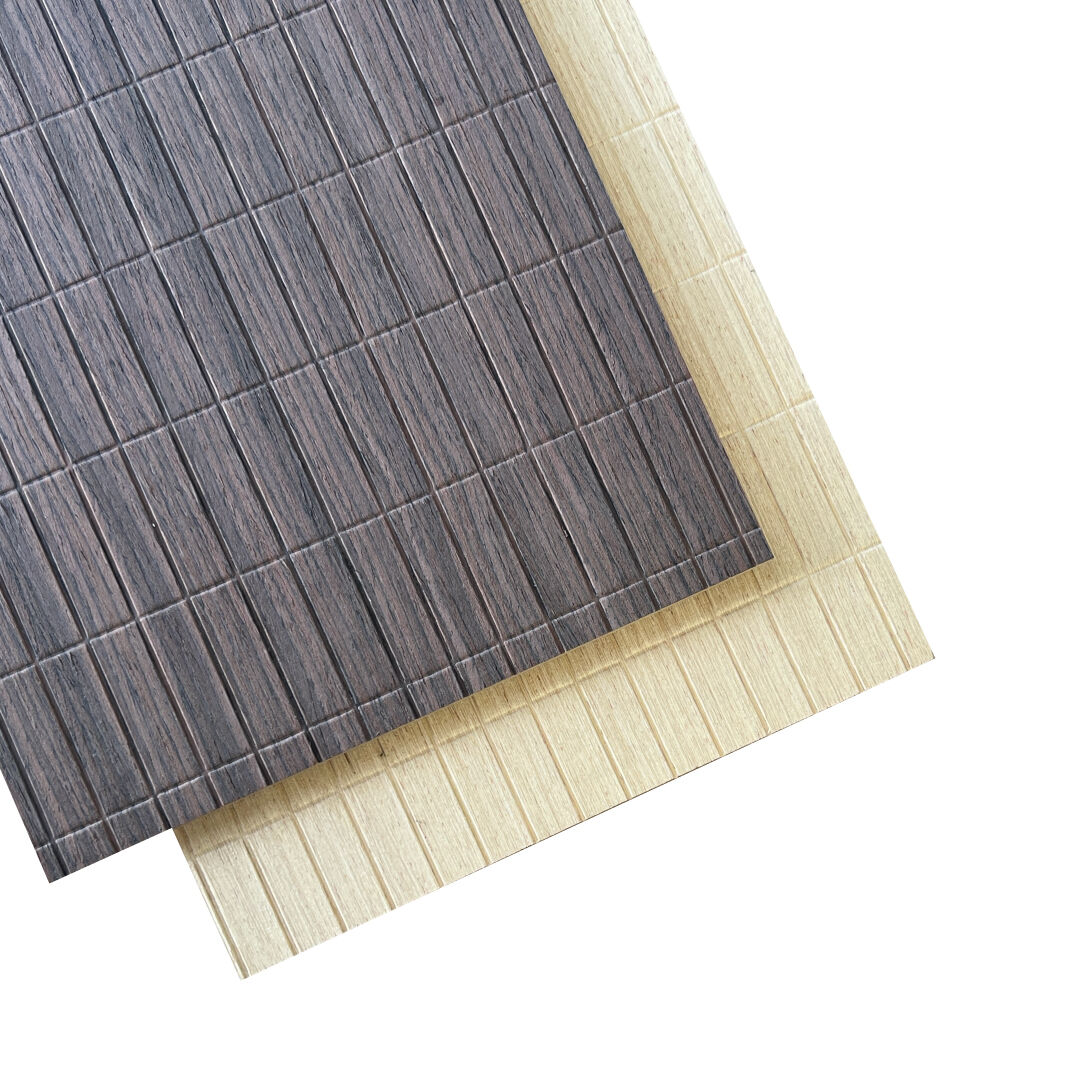
Houtfineer vertegenwoordigt een van de meest geavanceerde oplossingen in de moderne houtbewerking en biedt de natuurlijke schoonheid van massief hout, terwijl het tegelijkertijd de materiaalefficiëntie en ontwerpflexibiliteit maximaliseert. Naarmate we door 2026 heen gaan, is de technologie voor houtfineer aanzienlijk geëvolueerd, met geavanceerde productieprocessen, duurzame inkooppraktijken en innovatieve toepassingstechnieken die het steeds populairder maken voor zowel residentiële als commerciële projecten. Om te begrijpen wat houtfineer werkelijk is en hoe het functioneert op de hedendaagse markt, is het noodzakelijk om zowel zijn fundamentele kenmerken als de baanbrekende ontwikkelingen te onderzoeken die dit traditionele materiaal hebben getransformeerd tot een onmisbaar element in hedendaags design.
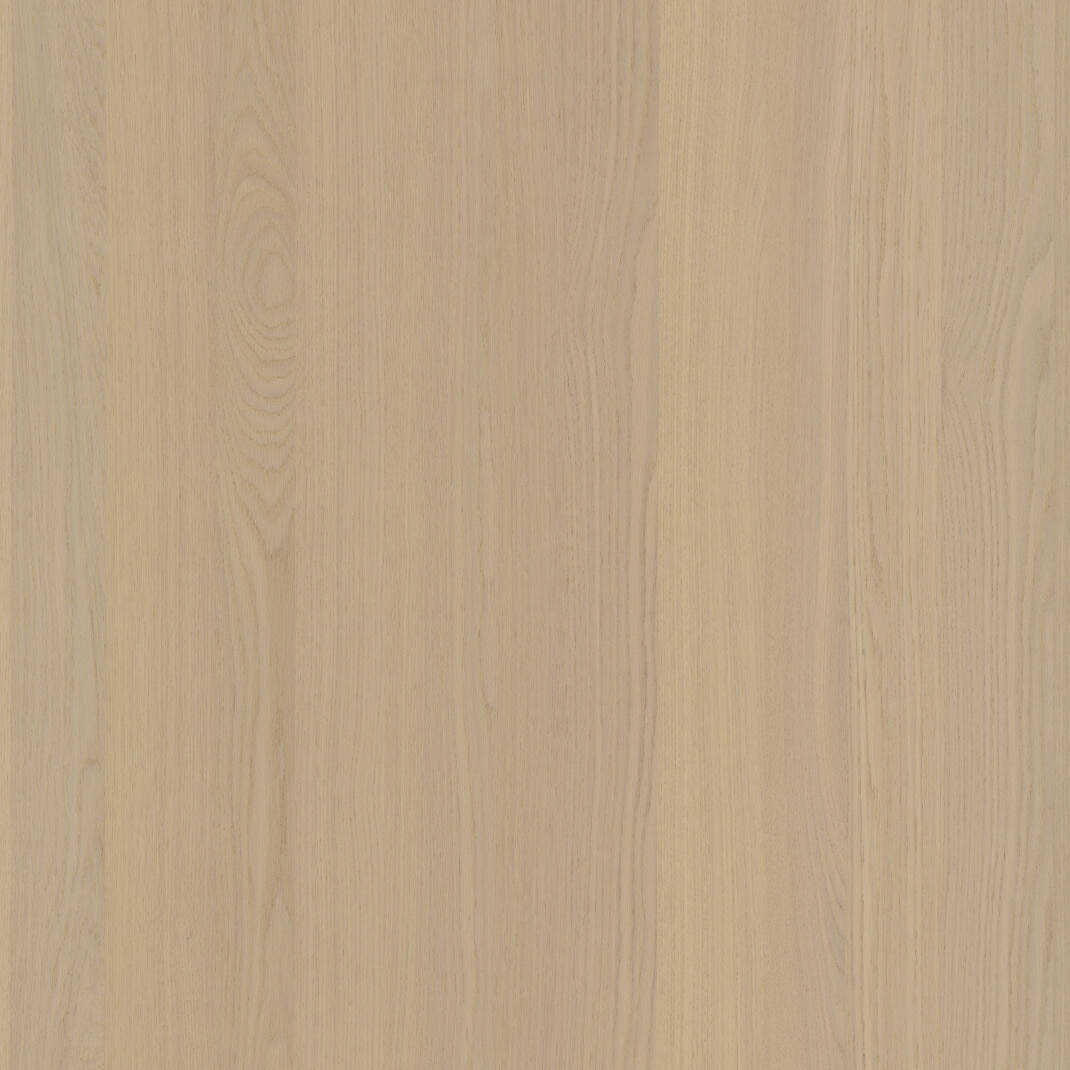
De operationele werking van houtfineer in 2026 omvat geavanceerde productiemethoden, nauwkeurige aanbrengtechnieken en uitgebreide kwaliteitscontrolesystemen die een consistente prestatie garanderen in uiteenlopende toepassingen. Modern houtfineer werkt via een combinatie van geavanceerde snijtechnologieën, geëngineerde substraatsystemen en gespecialiseerde lijmmengsels, waardoor duurzame, esthetisch aantrekkelijke oppervlakken ontstaan die voldoen aan strenge prestatie-eisen. Dit uitgebreide begrip van de functionaliteit van houtfineer omvat alles van de selectie en verwerking van grondstoffen tot de definitieve installatie en overwegingen voor onderhoud op lange termijn.
Fundamentele definitie en kernkenmerken van houtfineer
Essentiële eigenschappen en materiaalsamenstelling
Houtfineer bestaat uit dunne plakken natuurlijk hout, meestal met een dikte van 0,6 mm tot 3 mm, die zorgvuldig uit stammen worden gezaagd met behulp van gespecialiseerde machines en technieken. Het basisprincipe achter houtfineer is het maximaal benutten van hoogwaardige loofhoutsoorten, terwijl het authentieke uiterlijk en de textuur worden behouden die consumenten verwachten. Elk vel houtfineer behoudt de natuurlijke nerfpatronen, kleurvariaties en unieke kenmerken van het oorspronkelijke hout, waardoor elk stuk onderscheidend is, terwijl tegelijkertijd consistente kwaliteitsnormen worden gegarandeerd.
De materiaalsamenstelling van houtfineer omvat het selecteren van hoogwaardige stammen uit duurzaam beheerde bossen, waarbij speciale aandacht wordt besteed aan de nerfrichting, het vochtgehalte en de structurele integriteit. De moderne productie van houtfineer benadrukt dimensionale stabiliteit, die wordt bereikt door gecontroleerde droogprocessen waarmee interne spanningen worden verminderd en het risico op verdraaiing of splijten tijdens de toepassing tot een minimum wordt beperkt. De natuurlijke houtvezels behouden hun celstructuur, waardoor het authentieke uiterlijk en gevoel ontstaat dat fineer onderscheidt van synthetische alternatieven.
Kwaliteitsvolle houtfineer vertoont specifieke kenmerken die de prestaties en geschiktheid ervan voor diverse toepassingen bepalen. Deze omvatten een consistente dikte over het gehele blad, minimale gebreken zoals knopen of scheuren, een geschikt vochtgehalte (meestal tussen de 8 en 12%) en een juiste korreloriëntatie die zowel de sterkte als de visuele aantrekkelijkheid verbetert. De oppervlakkwaliteit van houtfineer moet voldoen aan strenge normen op het gebied van gladheid, kleurevenwichtigheid en vrijheid van productiegebreken die het uiteindelijke uiterlijk zouden kunnen aantasten.
Classificatiesystemen en kwaliteitsnormen
De classificatie van houtfineer volgt gevestigde industrienormen die producten indelen op basis van kwaliteit van het uiterlijk, beoogd gebruik en productiespecificaties. Premiumkwaliteiten kenmerken zich door boekgepareerde of verschuifgepareerde patronen met minimale kleurvariatie en vrijwel geen zichtbare gebreken, waardoor ze geschikt zijn voor hoogwaardige meubels, architectonische houtbewerking en luxe interieurtoepassingen. Standaardkwaliteiten staan meer natuurlijke variatie en kleine onvolkomenheden toe, terwijl ze toch een aanvaardbaar kwaliteitsniveau behouden voor commerciële en residentiële projecten.
Specialiteitsclassificaties richten zich op specifieke prestatievereisten, waaronder brandwerende houtfineer voor commerciële gebouwen, vochtbestendige varianten voor toepassingen in badkamers en keukens, en geëngineerde opties die meerdere houtsoorten combineren of synthetische onderlaagmaterialen bevatten. Deze classificatiesystemen helpen specificatoren geschikte houtfineerproducten te selecteren op basis van projectvereisten, budgetbeperkingen en gewenste esthetische resultaten.
Moderne sorteerstandaarden omvatten ook duurzaamheidscriteria, waarbij de keten van oorsprong wordt gevolgd – van bos tot eindproduct – en wordt gewaarborgd dat is voldaan aan internationale certificeringsprogramma’s. Deze uitgebreide aanpak van classificatie helpt kopers om weloverwogen beslissingen te nemen, terwijl tegelijkertijd verantwoord bosbeheer en initiatieven op het gebied van milieuzorg in de hele toeleveringsketen worden ondersteund.
Geavanceerde productieprocessen en productietechnieken in 2026
Snijmethoden en precisietechnologieën
De productie van houtfineer in 2026 maakt gebruik van geavanceerde snijtechnologieën die het opbrengstpercentage maximaliseren, terwijl uitzonderlijk hoge kwaliteitsnormen worden gehandhaafd. Bij rotatiesnijden worden stammen op een grote draaibank gemonteerd en wordt continu fineer afgepeld terwijl de stam draait, vergelijkbaar met het afrollen van een rol papier. Deze methode levert de hoogste volumes op en is bijzonder effectief voor soorten met een rechte, gelijkmatige nerfstructuur, hoewel deze soms visuele artefacten kan veroorzaken door de snihoek.
Platsnijden is de meest gebruikte methode voor de productie van decoratief houtfineer, waarbij stammen parallel aan hun lengte worden gesneden met behulp van precisieapparatuur die toleranties binnen honderdsten van een millimeter kan handhaven. Deze techniek behoudt de natuurlijke nerfpatronen en levert fineerplaten op met een gelijkmatige dikte en superieure oppervlakkwaliteit. Geavanceerde geautomatiseerde systemen bewaken de staat van het mes, de aanvoersnelheden en de positie van de stam om zowel de kwaliteit als de materiaalopbrengst te optimaliseren.
Kwartersnijden bestaat uit het radiaal snijden van stammen vanaf het midden naar buiten, waardoor onderscheidende nerfpatronen ontstaan die gekenmerkt worden door rechte lijnen en een opvallende structuur bij bepaalde soorten. Deze methode vereist gespecialiseerde apparatuur en ervaren operators, maar levert sommige van de meest visueel indrukwekkende producten op. houten plaat beschikbaar, met name bij eiken waarbij de mergstralen opvallende straalvlekkenpatronen vormen die zeer gewaardeerd worden in architectonische toepassingen.
Kwaliteitscontrole en innovaties in de verwerking
Moderne houtfineerproductie maakt gebruik van geavanceerde kwaliteitscontrolesystemen die elk aspect van de productie bewaken, van de keuze van de boomstammen tot de uiteindelijke verpakking. Computersightsystemen onderzoeken elk blad op gebreken, kleurafwijkingen en dikteconsistentie, en sorteren de producten automatisch in de juiste kwaliteitscategorieën, terwijl ze tegelijkertijd bladen identificeren die aanvullende bewerking of correctiewerk vereisen. Deze geautomatiseerde systemen kunnen onvolkomenheden detecteren die menselijke inspecteurs mogelijk over het hoofd zouden zien, terwijl ze toch consistente classificatiestandaarden handhaven.
Gecontroleerd drogen vormt een cruciale fase in de verwerking van houtfineer, waarbij geautomatiseerde droogovens worden gebruikt die temperatuur, vochtigheid en luchtcirculatie nauwkeurig regelen om een optimale vochtgehalte te bereiken zonder spanninggerelateerde gebreken te veroorzaken. Geavanceerde bewakingssystemen volgen de droogvoortgang van afzonderlijke fineerbladen en passen de omstandigheden indien nodig aan om scheuren, splijten of verdraaien te voorkomen, wat de productkwaliteit of dimensionale stabiliteit zou kunnen aantasten.
Technologieën voor oppervlaktevoorbereiding zijn sterk geëvolueerd en omvatten gespecialiseerde schuurinstallaties die fineeroppervlakken tot exacte specificaties kunnen egaliseren, terwijl het natuurlijke karakter van het hout behouden blijft. Deze systemen maken gebruik van geleidelijk fijnere korrelgrootten en zorgvuldig gereguleerde druk om gereedschapsmarkeringen en oppervlakte-irregulariteiten te elimineren, zonder overmatig materiaal te verwijderen of dwarsnerfkrassen te veroorzaken die zichtbaar zouden kunnen worden onder aangebrachte afwerkingen.
Toepassingsmethoden en installatietechnieken
Substraatvoorbereiding en lijmsystemen
Het succesvol toepassen van houtfineer is sterk afhankelijk van een juiste voorbereiding van de ondergrond, die de basis vormt voor langdurige prestaties en esthetische kwaliteit. Moderne ondergrondmaterialen omvatten midden-dichtheid vezelplaat (MDF), spaanplaat, multiplex en gespecialiseerde composietpanelen die dimensionale stabiliteit en gladde oppervlakken bieden, die noodzakelijk zijn voor de hechting van het fineer. De ondergrond moet correct worden geconditioneerd tot het juiste vochtgehalte en het oppervlak moet zorgvuldig worden geschuurd om eventuele oneffenheden te verwijderen die zich anders zouden kunnen vertonen door de dunne fineerlaag heen.
Moderne lijmssystemen voor de toepassing van houtfineer zijn ver voorbij traditionele dierlijke lijmen geëvolueerd en maken gebruik van geavanceerde formuleringen die superieure hechtkracht, vochtbestendigheid en verwerkingstijden bieden. Contactlijmen zorgen voor onmiddellijke hechting bij aanraking en zijn daarom geschikt voor montage en reparatie op locatie, terwijl thermohardende lijmen die worden geactiveerd door warmte en druk permanente verbindingen vormen, ideaal voor productieomgevingen in de fabriek.
Vacuümperssystemen vormen momenteel de norm voor hoogwaardige toepassing van houtfineer en maken gebruik van atmosferische druk om volledig contact tussen fineer en substraat te garanderen, luchtbellen te elimineren en consistente hechtnaden te bereiken. Deze systemen kunnen complexe gebogen oppervlakken en driedimensionale vormen verwerken waarbij traditionele vlakke persmethoden ontoereikend zouden zijn, waardoor de ontwerpmogelijkheden voor houtfineertoepassingen worden uitgebreid.
Patroonafstemming en lay-outstrategieën
Professionele houtfineerinstallatie vereist zorgvuldige aandacht voor patroonafstemming en lay-outplanning om het gewenste visuele effect te bereiken en het materiaalgebruik te maximaliseren. Boekafstemming bestaat uit het openen van opeenvolgende fineerbladen zoals bladzijden in een boek, waardoor spiegelbeeldpatronen ontstaan die bijzonder effectief zijn voor panelen en kastdeuren waar symmetrie gewenst is. Deze techniek vereist zorgvuldige korrelselectie en precies snijden om juiste uitlijning en visuele balans te garanderen.
Glijafstemming behoudt de korrichting van aangrenzende fineerbladen en creëert zo een doorlopend patroon dat over het gehele oppervlak stroomt, zonder het spiegeleffect van boekafstemming. Deze aanpak wordt vaak verkozen voor grote architecturale installaties, waarbij het doel is om de uitstraling van massief houtconstructie na te bootsen terwijl het patroon continu blijft over meerdere panelen of secties.
Willekeurige matching zorgt voor een natuurlijker variatie in de nerfpatronen en kleuren, waardoor een organische uitstraling ontstaat die de manier waarop massief hout van nature varieert binnen een enkel bord of paneel nabootst. Deze techniek vereist zorgvuldige kleurcoördinatie en kan het mengen van platen uit meerdere stammen omvatten om de gewenste algehele uitstraling te bereiken, terwijl duidelijke herhalingen van patronen of schokkende overgangen tussen aangrenzende stukken worden vermeden.
Prestatiekenmerken en langdurig gedrag
Dimensionale stabiliteit en reactie op de omgeving
De dimensionele stabiliteit van houtfineer-toepassingen hangt af van meerdere factoren, waaronder de houtsoort van het fineer, de kenmerken van de ondergrond, de eigenschappen van de lijm en de omgevingsomstandigheden. Houtfineer reageert van nature op veranderingen in vochtigheid en temperatuur: het zet uit en krimpt dwars op de nerf, terwijl het relatief stabiel blijft langs de nerf. Het begrijpen van dit gedrag is essentieel om de langetermijnprestaties te voorspellen en geschikte installatiedetails te ontwerpen die ruimte bieden aan beweging zonder zichtbare gebreken te veroorzaken.
Moderne houtfineerproducten bevatten vaak geëngineerde achterzijden of speciale behandelingen die de dimensionele beweging minimaliseren en de stabiliteit onder wisselende omgevingsomstandigheden verbeteren. Deze innovaties maken het mogelijk om houtfineer met succes toe te passen in toepassingen waar traditioneel massief hout problematisch zou zijn, zoals grote panelen, gebogen oppervlakken of installaties in gebouwen met aanzienlijke seizoensgebonden klimaatvariaties.
De uitzettingscoëfficiënt van fineer van hout varieert sterk tussen soorten, waarbij sommige hardhoutsoorten zoals esdoorn en kers relatief weinig beweging vertonen, terwijl andere zoals eik en es veel duidelijkere afmetingsveranderingen vertonen. Een juiste keuze van de houtfineersoort op basis van de beoogde toepassingsomgeving en de verwachte gebruiksomstandigheden draagt bij aan een langdurige prestatie en minimaliseert het onderhoud.
Duurzaamheidsfactoren en onderhoudsconsideraties
De duurzaamheid van houtfineerinstallaties hangt voornamelijk af van de kwaliteit van de oorspronkelijke installatie, de eigenschappen van de ondergrond en het lijmstelsel, en het beschermingsniveau dat wordt geboden door aangebrachte afwerkingen. Houtfineer van hoge kwaliteit, correct aangebracht op geschikte ondergronden, kan met passend onderhoud tientallen jaren dienst doen, terwijl onjuiste installatiemethodes of ongeschikte materiaalkeuzes kunnen leiden tot vroegtijdig uitvallen en kostbare reparaties.
Oppervlaktebescherming speelt een cruciale rol bij de levensduur van houtfineer, waarbij moderne afwerkingsystemen weerstand bieden tegen vocht, slijtage, chemische blootstelling en ultraviolette straling. Deze beschermende coatings moeten worden geselecteerd en aangebracht op basis van de specifieke gebruikseisen van elke toepassing, rekening houdend met factoren zoals verwachte slijtagepatronen, reinigingsvereisten en gewenste optische kenmerken.
Onderhoudsprotocollen voor houtfineeroppervlakken omvatten doorgaans regelmatige reiniging met geschikte producten, periodieke inspectie op tekenen van schade of slijtage, en snelle interventie bij eventuele problemen die de integriteit van de installatie in gevaar kunnen brengen. Preventief onderhoud kan de levensduur van houtfineertoepassingen aanzienlijk verlengen, terwijl de esthetische aantrekkelijkheid en prestatiekenmerken behouden blijven.
Actuele toepassingen en branchetrends
Woningbouw- en commerciële marktsegmenten
De woningbouwmarkt voor houtfineer blijft in 2026 groeien, gedreven door de voorkeur van consumenten voor natuurlijke materialen, duurzame ontwerppraktijken en kosteneffectieve alternatieven voor massief houten constructies. Keukenkasten vormen het grootste afzonderlijke toepassingssegment, waarbij houtfineer de warmte en karakter van natuurlijk hout biedt, terwijl het tegelijkertijd superieure dimensionale stabiliteit en een consistente uitstraling over grote oppervlakten garandeert. Moderne productietechnieken maken het mogelijk om kastdeuren en panelen van houtfineer te produceren die traditionele massief houten constructies zeer nauwkeurig nabootsen, maar tegen aanzienlijk lagere materiaalkosten.
Commerciële toepassingen van houtfineer zijn aanzienlijk gegroeid, met name in de horeca-, detailhandels- en kantooromgevingen, waar de natuurlijke schoonheid van hout gewenst is, maar budgetbeperkingen of prestatievereisten massief hout onpraktisch maken. Houtfineer wandpanelensystemen bieden akoestische voordelen en creëren tegelijkertijd warme, uitnodigende interieurs die bijdragen aan het merkidentiteit- en klantervaringsdoelstellingen. Deze systemen omvatten vaak gespecialiseerde bevestigingsmethoden die eenvoudig onderhoud en toekomstige aanpassingen mogelijk maken.
Architectonische houtbewerkingsapplicaties tonen houtfineer in veeleisende commerciële omgevingen waar zowel esthetische aantrekkelijkheid als langdurige duurzaamheid essentieel zijn. Aangepaste receptiebalies, installaties voor vergaderzalen en elementen voor openbare ruimten maken gebruik van houtfineer om verfijnde uitstralingen te creëren die bij uitvoering in massief hout onbetaalbaar duur zouden zijn. Geavanceerde productiemogelijkheden maken complexe gebogen vormen en geïntegreerde verlichtingssystemen mogelijk, die de natuurlijke schoonheid van de houtfineeroppervlakken versterken.
Duurzaamheidsinitiatieven en milieu-impact
De milieuvoordelen van fineer worden steeds belangrijker naarmate duurzaamheidszorgen de materiaalkeuzes in alle marktsegmenten bepalen. Uit één boomstam kan voldoende fineer worden geproduceerd om dezelfde oppervlakte te bedekken die bij massief hout zou vereisen dat meerdere stammen worden gebruikt, wat een aanzienlijke verbetering betekent op het gebied van materiaalgebruiksefficiëntie. Deze behoud van bosbronnen sluit aan bij de groeiende milieubewustwording en bedrijfsinitiatieven op het gebied van duurzaamheid.
Certificeringsprogramma’s garanderen dat fineerproducten afkomstig zijn uit verantwoord beheerde bossen, waarbij de oogstmethoden de langetermijngezondheid van het ecosysteem en de biodiversiteit behouden. Deze programma’s bieden een traceerbaarheidssysteem (chain-of-custody) dat materialen volgt van bos tot eindproduct, waardoor ontwerpers en consumenten geïnformeerde keuzes kunnen maken die duurzaam bosbeheer en milieuzorg ondersteunen.
Initiatieven voor recycling en afvalreductie in de productie van houtfineer richten zich op het maximaliseren van materiaalherstel en het vinden van productieve toepassingen voor productiebijproducten. Geavanceerde snijoptimalisatie-software minimaliseert afval tijdens de fineerproductie, terwijl zaagsel en reststukken worden gebruikt voor energieopwekking of de productie van composietmaterialen, waardoor gesloten kringlopen ontstaan die het hulpbronnengebruik maximaliseren en het milieu-effect minimaliseren.
Veelgestelde vragen
Hoe dik is houtfineer en hoe beïnvloedt de dikte de prestaties?
Houtfineer heeft doorgaans een dikte tussen 0,6 mm en 3 mm, waarbij de meeste commerciële toepassingen fineer gebruiken met een dikte tussen 0,7 mm en 1,5 mm. Dunner fineer past zich gemakkelijker aan gebogen oppervlakken aan en vereist minder materiaal, maar kan gevoeliger zijn voor beschadiging tijdens verwerking en installatie. Dikker fineer biedt grotere duurzaamheid en kan zwaarder schuren verdragen indien herstelling nodig is, maar is duurder en kan zich minder goed aan scherpe bochten aanpassen.
Kan houtfineer opnieuw worden afgewerkt zoals massief hout?
Houtfineer kan opnieuw worden afgewerkt, maar het proces vereist meer zorg dan het opnieuw afwerken van massief hout vanwege de beperkte dikte van het materiaal. Licht schuren met fijne korrelgrootten kan oppervlaktegebreken verwijderen en het oppervlak voorbereiden op nieuwe afwerkingen, maar hevig schuren loopt het risico dat de fineerlaag volledig wordt doorgeschaafd. Professionele opnieuw-afwerkingsdiensten gebruiken vaak chemische afstoffers en zorgvuldige handmatige schuurtechnieken om de integriteit van het houtfineer te behouden, terwijl toch uitstekende resultaten worden bereikt.
Wat zijn de belangrijkste voordelen van het gebruik van houtfineer in plaats van massief hout?
Houtfineer biedt verschillende belangrijke voordelen, waaronder aanzienlijk lagere materiaalkosten, superieure dimensionale stabiliteit dankzij de geconstrueerde technische ondergrond, een consistente uitstraling bij grote installaties en een efficiënter gebruik van hoogwaardige hardhoutsoorten. Bovendien vereisen toepassingen van houtfineer doorgaans minder onderhoud dan massief hout, kunnen zij volgens nauwkeurige specificaties worden vervaardigd en maken zij complexe vormen en structuren mogelijk die met massief hout moeilijk of onmogelijk te realiseren zouden zijn.
Hoe kies ik de juiste houtfineersoort voor mijn project?
De keuze van de juiste houtfineersoort hangt af van factoren zoals de gewenste uiterlijke kenmerken, de verwachte gebruiksomstandigheden, budgetbeperkingen en beschikbaarheid. Populaire soorten zoals eik, esdoorn en kers bieden bewezen prestaties en zijn breed verkrijgbaar, terwijl exotische soorten een unieke visuele uitstraling bieden, maar vaak speciale bestelling vereisen en aanzienlijk duurder zijn. Houd rekening met het nerfpatroon, het kleurenspectrum en de natuurlijke kenmerken van elke soort in relatie tot uw specifieke ontwerpdoelstellingen en functionele eisen.
