 EN
EN


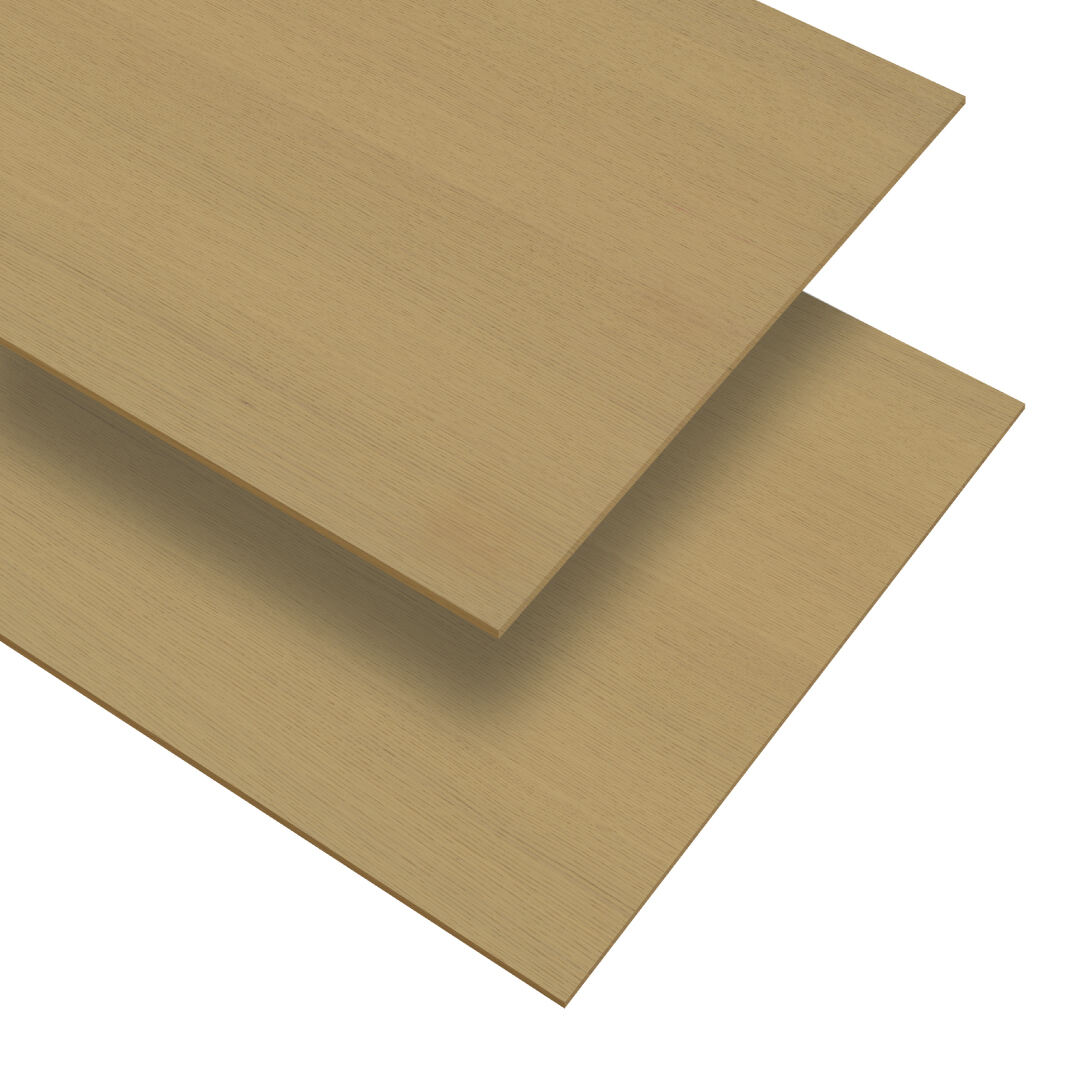
När man väljer mellan möbel i träförmåning och massivträsmöbel är det avgörande att förstå de grundläggande skillnaderna i konstruktion, prestanda och värde för att kunna fatta ett informerat beslut. Träförmåning representerar en sofistikerad tillverkningsmetod som kombinerar estetiskt uttryck med praktiska överväganden, medan massivträsmöbler erbjuder traditionell hantverksmässig tillverkning med särskilda egenskaper. Jämförelsen mellan dessa två alternativ omfattar flera faktorer, inklusive kostnad, hållbarhet, miljöpåverkan och krav på underhåll på lång sikt, vilka direkt påverkar inköpsbesluten.
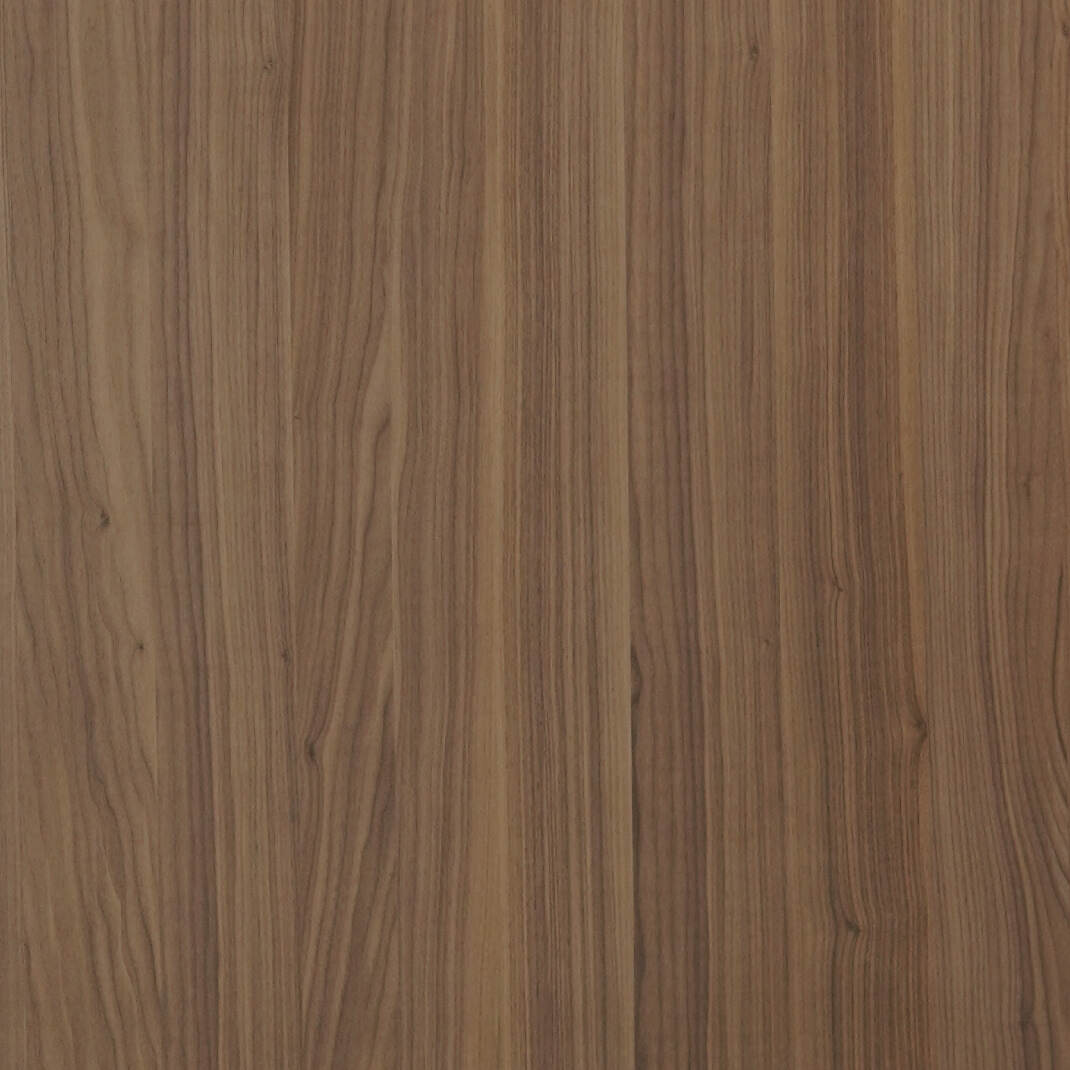
Valet mellan möbelträ och massivträ sträcker sig bortom enkla preferenser och omfattar praktiska överväganden kring budgetbegränsningar, avsedd användning och önskad livslängd. Möbelträkonstruktion ger tillgång till premiumträutseenden till lägre kostnader samtidigt som strukturell integritet bibehålls genom konstruerade underlag. Massivträmöbler är dyrare men erbjuder oöverträffad äkthet och möjlighet till reparation. Att förstå dessa kompromisser gör att konsumenter och företag kan välja möbelsolutioner som stämmer överens med deras specifika krav och förväntningar.
Konstruktionsmetoder och materialuppbyggnad
Möbelträkonstruktionsprocess
Konstruktion med träfodring innebär att tunna skivor av verkligt trä, vanligtvis 0,6–3 millimeter tjocka, appliceras på tekniska underlag som plywood, spånplatta eller MDF. Denna process gör det möjligt for tillverkare att använda förstklassiga träslag effektivt samtidigt som kostnadseffektiviteten bibehålls. Den träfiner applikationen kräver specialiserade limmedel och pressningstekniker för att säkerställa korrekt bindning och förhindra avskiljning (delaminering) över tid.
Modern produktion av träfodring använder avancerade skivningstekniker, inklusive roterande skivning, rak skivning och kvartsskivning, för att uppnå olika mönster i träådran och visuella effekter. Valet av underlag spelar en avgörande roll för slutproduktens stabilitet, där tekniska material erbjuder bättre dimensionsstabilitet jämfört med massivt trä. Kvalitetsmöbler av träfodring innehåller flera lager träfodring med växlande riktningar på träådran för att förhindra vridning och sprickbildning.
Tillverkningsprocessen möjliggör bokmatchning och sekvensmatchning av träfodral för att skapa konsekventa ådringsmönster över stora ytor. Denna teknik gör det möjligt for möbelfabrikanter att uppnå enhetliga utseenden som skulle vara omöjliga eller extremt kostsamma att åstadkomma med massivträkonstruktion. Den precision som krävs vid applicering av träfodral kräver skicklig hantverksmässig kompetens och specialutrustning för att säkerställa professionella resultat.
Massivträkonstruktionstekniker
Massivträmöbler tillverkas av virkesdelar som är sågade direkt från trädens stammar, vilket bevarar den naturliga trästrukturen genom hela tjockleken på varje komponent. Traditionella fogningstekniker, såsom kugg- och spårfog, dovetailfog och spetsfog, ger strukturell integritet utan att man behöver använda metallfästen. Konstruktionsprocessen kräver noggrann uppmärksamhet på träådringens riktning och fukthalten för att förhindra rörelserelaterade problem.
Konstruktion i massivt trä gör det möjligt med olika tjockhetsalternativ och möjliggör för möbelfabrikanter att integrera dekorativa kantprofiler, skurna detaljer och komplex formgivning som framhäver träets naturliga skönhet. Tillverkningsprocessen innefattar vanligtvis lufttorkning eller ugnstorkning av virke för att uppnå lämpliga fuktnivåer innan bearbetning och montering. Denna förberedelsefas är avgörande för att förhindra framtida dimensionella förändringar som kan påverka fogarnas integritet.
Valet och förberedelsen av komponenter i massivt trä kräver expertis i att förstå egenskaperna hos olika träslag, mönster i kvisten samt potentiella fel. Tillverkare måste ta hänsyn till naturliga variationer i färg och kvistmönster som förekommer både inom enskilda träd och mellan olika brädor. Dessa variationer bidrar till den unika karaktären hos möbler i massivt trä, men kräver noggrann planering under konstruktionsfasen.
Prestandaegenskaper och hållbarhet
Jämförelse av strukturell stabilitet
Möbler av träfurner visar vanligtvis bättre dimensionsstabilitet jämfört med massivträskonstruktioner på grund av den tekniskt framställda underlagets motstånd mot fuktbetingad rörelse. Den tvärriktade konstruktionen i plywood och andra tekniskt framställda underlag motverkar träfiberns naturliga tendens till utvidgning och krympning. Denna stabilitetsfördel blir särskilt betydelsefull i miljöer med varierande luftfuktighet, där möbler av massivt trä kan uppleva säsongbundna rörelser.
Det tekniskt framställda underlaget i träfurnerkonstruktioner ger konsekventa prestandaegenskaper oavsett vilken träsort som används för furnerskiktet. Denna konsekvens gör att tillverkare kan förutsäga och kontrollera produktens beteende under olika miljöförhållanden. Användningen av träfurner motverkar också böjning och krökning, vilka ofta påverkar breda massivträpaneler, och gör dem därför lämpliga för stora ytor såsom bordsskivor och skåpdörrar.
Dock kan konstruktioner i träfurner vara känsliga för skador på kanterna och avskiljning om de utsätts för för mycket fukt eller stötar. Förbindelsen mellan furneren och underlaget utgör en potentiell svag punkt som inte finns i massivträkonstruktioner. Rätt utförd kantbeklädnad och ytbehandling blir avgörande faktorer för att bibehålla integriteten i träfurneren över tid.
Längdighet och underhållsbehov
Möbler i massivt trä erbjuder i allmänhet bättre möjligheter till lång livslängd tack vare sin homogena konstruktion och förmåga att tåla omfärgning flera gånger under sin livstid. Den tjocka träkonstruktionen gör det möjligt att slipa, reparera och helt omfärga möblerna, vilket kan återställa dem till nästan nytt skick. Denna återställningsmöjlighet gör möbler i massivt trä till en långsiktig investering som kan användas i flera generationer med rätt underhåll.
Underhåll av möbler i träfurner kräver mer försiktig hantering på grund av den tunna furnerskiktet, som inte tål aggressiv slipning eller djupa skadereparationer. Ytskador på träfurner kräver ofta professionella repareringsmetoder eller fullständig utbyte av furneren, vilket kan bli dyrare än att nybehandla massivträsytor. Underhållsfördelen går i sådana fall i riktning mot massivt trä för möbler som förväntas utsättas för intensiv användning eller frekventa nybehandlingscykler.
Både möbler i träfurner och massivt trä drar nytta av konstanta miljöförhållanden och korrekt underhåll av ytskiktet. Regelbunden rengöring, lämpliga luftfuktighetsnivåer samt omedelbar åtgärd av spill och skador bidrar till att maximera livslängden oavsett konstruktionsmetod. Valet mellan material beror ofta på den avsedda användningsmiljön och den underhållsinsats som ägaren förväntas lämna.
Kostnadsanalys och ekonomiska aspekter
Faktorer för ursprungligt inköpspris
Möbler i träfodral är vanligtvis avsevärt billigare än motsvarande möbler i massivt trä, tack vare den effektiva användningen av premiumträsorter och lägre materialkostnader för konstgjorda underlag. Tillverkningsprocessen gör det möjligt för producenter att skapa möbler med utseende av exotiska träslag till priser som är tillgängliga för bredare marknadssegment. Denna kostnadsfördel gör träfodral till ett attraktivt alternativ för konsumenter som söker premiumutseende inom sina budgetramar.
Prisskillnaden mellan möbler i träfodral och möbler i massivt trä varierar beroende på träslag, konstruktionskomplexitet och tillverkningskvalitet. Högt kvalificerade träfodralmöbler med högkvalitativa underlag och expertutförd hantverksmässig bearbetning kan nästan nå prisnivån för massivträ, samtidigt som de erbjuder specifika prestandafördelar. Å andra sidan ger träfodralmöbler på inledande nivå betydande kostnadsbesparingar jämfört med alternativ i massivt trä.
Materialeffektivitet inom tillverkning av träfodral möjliggör för tillverkare att använda dyrare arter som valnöt, körsbär eller mahogny på ett mer ekonomiskt sätt. Ett enda träd kan ge tillräckligt med fodralmaterial för flera möbelstycken, medan massivträskonstruktion kräver betydligt mer råmaterial. Denna effektivitet översätts direkt till lägre konsumentpriser för applikationer i premiumträslag.
Långsiktiga värdeöverväganden
Möbler i massivt trä behåller vanligtvis sitt värde över tid och kan till och med öka i värde, särskilt om det gäller välutförda stycken från erkända tillverkare. Möjligheten att restaurera samt den tidlösa attraktionen hos massivträskonstruktion stödjer en långsiktig värdebevaring. Antika och vintagemöbler i massivt trä efterfrågas ofta till premiumpriser, vilket visar på materialets beständiga marknadsattraktion och investeringspotential.
Möbler av träfodral följer i allmänhet standardmässiga avskrivningsmönster, liknande andra tillverkade varor, med begränsade möjligheter till återställning som påverkar långsiktiga värdeutsikter. Dock kan högkvalitativa möbler av träfodral behålla sitt värde bättre än massproducerade alternativ tack vare överlägsen konstruktion och material. Återförsäljningsmarknaden för möbler av träfodral beror i hög grad på skick och varumärkesreputation snarare än på det inneboende materialets värde.
Beräkningar av totala ägandekostnader måste ta hänsyn till underhållskrav, förväntad livslängd och ersättningskostnader. Även om träfodral erbjuder lägre initiala kostnader kan möjligheten till flera poleringscykler vid massivträsmöbler ge bättre långsiktigt värde för vissa användningsområden. Valet beror ofta på köparens tidsram och avsedda användningsmönster.
Aestetiska alternativ och designflexibilitet
Visuell utseende och kvistmönster
Tekniken med träfodral möjliggör exakt kontroll över ådringsmönster och visuell enhetlighet i möbelkollektioner. Tekniker som bokmatchning och sekvensmatchning skapar dramatiska visuella effekter som är omöjliga att uppnå med massivträskonstruktion. De tunna fodralskikten kan ordnas för att maximera effekten av utpräglade ådringsdrag, såsom buskmönster, fågelöga eller dramatiska katedralådringar.
Möbler i massivt trä visar naturlig variation och karaktär, vilket många anser mer autentiskt och tilltalande än den kontrollerade enhetligheten som är möjlig med träfodral. De slumpmässiga ådringsmönstren, färgvariationerna och de naturliga defekterna i massivt trä skapar unika föremål som inte kan återges exakt. Denna naturliga variation bidrar till den handgjorda charm och individuella karaktären hos möbler i massivt trä.
Valet mellan konsekvensen i träfurner och variationen i massivt trä speglar ofta personliga preferenser och designmål. I kommersiella applikationer kan man föredra den förutsägbara utseendet hos träfurner, medan bostadsapplikationer kanske uppskattar det naturliga karaktären i massivt trä. Båda tillvägagångssätten erbjuder distinkta estetiska fördelar beroende på avsedd designstil och miljö.
Tillgänglighet av arter och exotiska alternativ
Konstruktion i träfurner ger tillgång till sällsynta och exotiska träarter som skulle vara för kostsamma eller inte tillgängliga i massivt trä. Arter som ebensvart trä, rödträ eller starkt märkt lönn kan framhävas tydligt i träfurnertillämpningar till hanterliga kostnader. Denna tillgänglighet gör det möjligt for designers att integrera premiumträutseenden i projekt med begränsade budgetar.
De miljömässiga fördelarna med användning av träfodral möjliggör ett ansvarsfullt utnyttjande av hotade eller skyddade arter genom effektiv materialanvändning. Små mängder sällsynta träslag kan omvandlas till fodral och appliceras på hållbara underlag. Denna strategi stödjer bevarandeinsatser samtidigt som den säkerställer tillgång till distinkta träutseenden för specialanvändningar.
Tillgängligheten av massivt trä beror på skogsresurser och hållbara skötningsmetoder, vilket kan begränsa alternativen för vissa arter. Vanliga arter som ek, lönn och körsbär är fortfarande lättillgängliga för konstruktion i massivt trä, medan exotiska arter kan stå inför begränsningar i tillförseln eller regleringsmässiga restriktioner. Valet av konstruktionsmetod kan påverkas av arters tillgänglighet och miljömässiga överväganden.
Miljöpåverkan och hållbarhet
Resurseffektivitet och bevarande
Tillverkning av träfodral visar en överlägsen resurseffektivitet jämfört med massivträskonstruktion genom att maximera utnyttjandet av högkvalitativa träslag. Från en enda stock kan tillverkas tillräckligt med fodralmaterial för flera möbelstycken, medan massivträskonstruktion kräver betydligt mer råmaterial för motsvarande yttäckning. Denna effektivitet minskar trycket på skogsresurserna och stödjer hållbara skogsbrukspraktiker.
Underlagsmaterialen som används i träfodralkonstruktion inkluderar ofta snabbväxande träslag eller träavfall som annars skulle kasseras. Plywood, spånplattor och MDF-underlag kan utnyttja mindre träd, gallringsmaterial och sågverksavfall för att skapa stabila möbelfunderingar. Detta tillvägagångssätt minskar avfallet och gör en produktiv användning av skogsresurser som inte kan omvandlas till massivt virke.
Dock kräver tillverkningen av träfodral vanligtvis syntetiska lim och kemisk behandling, vilket kan väcka miljörelaterade bekymmer. Tillverkningsprocessen innebär energikrävande steg, inklusive underlagsproduktion, limapplikation och pressning. En livscykelanalys av träfodral jämfört med massivträkonstruktion måste ta hänsyn till dessa bearbetningsfaktorer tillsammans med råmaterialens effektivitet.
Koldioxidavtryck och livscykelanalys
Möbler i massivt trä fungerar som ett koldioxidlagringssystem under hela sin användningstid genom att binda koldioxid som upptagits under trädens tillväxt. Den minimala bearbetning som krävs för massivträkonstruktion minskar energibehovet vid tillverkning jämfört med konstruerade produkter. Traditionella fogningstekniker eliminerar behovet av syntetiska lim, vilket minskar kemikalieinsatserna och energibehovet vid bearbetning.
Transportkraven för träfurner och massivträsmöbel varierar beroende på tillverkningsplats och marknadsdistribution. Tillverkning av träfurner kan innebära flera bearbetningssteg vid olika anläggningar, vilket potentiellt ökar transportens miljöpåverkan. Massivträsmöbel som tillverkas nära råvarukällan kan minimera miljöpåverkan relaterad till transport.
Överväganden kring avslut av livscykel gynnar massivträskonstruktion på grund av dess bionedbrytbara natur och frånvaro av syntetiska komponenter. Träfurnermöbler som innehåller konstruerade underlag och syntetiska lim kan kräva särskilda borttagningsmetoder eller återvinningsprocesser. Miljöpåverdansbedömningen måste ta hänsyn till hela produkten livscykel – från utvinning av råmaterial till slutlig borttagning.
Vanliga frågor
Är träfurnermöbler lika slitstarka som massivträsmöbler?
Möbler av träfurner erbjuder utmärkt hållbarhet för normal användning, men skiljer sig åt från massivt trä vad gäller underhåll och reparation. Den konstruerade underlaget ger överlägsen dimensionsstabilitet och motstånd mot vridning, medan furnerytan kräver försiktig hantering för att undvika skador. Möbler av massivt trä erbjuder i allmänhet bättre långsiktig hållbarhet tack vare möjligheten att genomgå flera nybehandlingar och mer ingripande reparationstekniker.
Varför är möbler av träfurner billigare än möbler av massivt trä?
Möbler av träfurner kostar mindre eftersom de använder prisvärda träslag effektivt genom att applicera tunna lager på billigare underlagsmaterial. Denna konstruktionsmetod gör det möjligt for tillverkare att skapa möbler med utseendet av dyra träslag samtidigt som betydligt mindre av det prisvärda materialet används. Underlagsmaterial som plywood eller MDF är billigare än massivt virke, vilket minskar de totala materialkostnaderna.
Kan möbler av träfurner nybehandlas på samma sätt som möbler av massivt trä?
Möbler av träfodral har begränsade möjligheter att återställas jämfört med massivt trä på grund av den tunna fodralskiktet, som vanligtvis är 0,6–3 millimeter tjockt. Lätt slippning och färgning kan vara möjlig, men djupa repor eller skador kräver ofta professionell reparation eller utbyte av fodralet. Möbler av massivt trä kan slipas, färgas och återställas flera gånger under sin livslängd, vilket gör dem mer lämpliga för långsiktiga restaureringsprojekt.
Vilket alternativ ger bättre värde för kontorsmöbelapplikationer?
Möbler i träfurnér ger ofta bättre värde för kontorsanvändning på grund av lägre initiala kostnader, konsekvent utseende över möbelserier samt överlägsen dimensionsstabilitet i klimatreglerade miljöer. De enhetliga kvistmönstren och färgmatchning som är möjliga med träfurnér skapar professionella estetiska effekter som är lämpliga för företagsmiljöer. Solidträsmöbler kan dock vara att föredra för chefskontor eller applikationer där prestige och långsiktig hållbarhet är prioriteringar.
