Premium Construction Grade Softwood: Sustainable Building Solutions for Modern Construction

Get a Free Quote

Our representative will contact you soon.
Email
Name
Company Name
Message
0/1000

construction grade soft wood

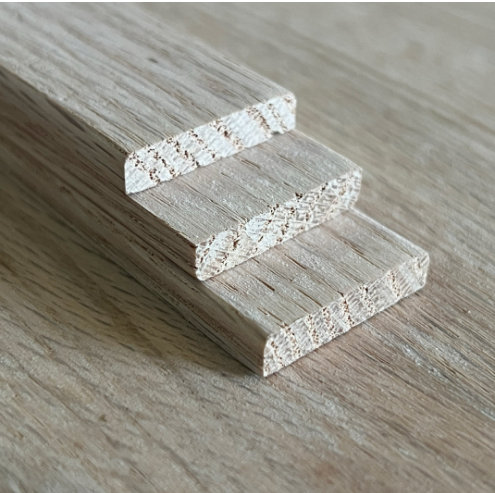
Construction grade softwood represents a vital material in the building industry, characterized by its versatility, reliability, and cost-effectiveness. This engineered lumber is carefully selected from coniferous trees, including pine, spruce, and fir, processed through precise milling techniques to ensure consistent quality and dimensional stability. The wood undergoes rigorous grading processes that evaluate characteristics such as strength, appearance, and structural integrity, guaranteeing its suitability for construction applications. Modern treatment methods enhance its natural properties, making it resistant to decay, insects, and environmental stresses. The material features standardized dimensions and grades, making it ideal for various construction projects, from residential framing to commercial buildings. Its cellular structure provides excellent insulation properties while maintaining structural strength, and its sustainability credentials make it an environmentally responsible choice. The manufacturing process includes kiln drying to optimal moisture content, reducing the likelihood of warping or splitting during use. This material has become indispensable in modern construction, offering a perfect balance of performance, practicality, and cost-effectiveness.

New Products

Construction grade softwood offers numerous compelling advantages that make it the preferred choice for building projects. First, its exceptional strength-to-weight ratio enables robust structural support while maintaining manageable handling requirements. The material's natural flexibility allows it to absorb and distribute loads effectively, reducing the risk of structural failure. Its standardized dimensions and widespread availability ensure consistent quality and ease of procurement, streamlining construction processes. The wood's workability makes it ideal for both power and hand tools, allowing for precise cutting, drilling, and fastening without specialized equipment. Environmental benefits include carbon sequestration and significantly lower energy requirements for production compared to alternative materials. The material's natural insulation properties contribute to energy efficiency in buildings, potentially reducing heating and cooling costs. Its adaptability to various treatment methods enables enhanced durability and resistance to environmental factors. The cost-effectiveness of softwood makes it particularly attractive for large-scale projects, offering substantial savings without compromising quality. Its renewable nature and sustainable harvesting practices ensure long-term availability and environmental responsibility. The material's versatility accommodates various finishing techniques, from paint to stains, allowing for customized appearances. Additionally, its standardized grading system provides clear quality assurance, helping builders make informed decisions for specific applications.

Latest News

How to Choose the Perfect Decorative Panels for Your Space

18

Nov

How to Choose the Perfect Decorative Panels for Your Space

Creating stunning interior spaces requires careful consideration of every design element, and decorative panels have emerged as one of the most versatile and impactful solutions for modern homes and commercial environments. These architectural elemen...
View More
Creative Uses for Decorative Panels in Home Design

18

Nov

Creative Uses for Decorative Panels in Home Design

Decorative panels have revolutionized modern interior design by offering homeowners endless possibilities to transform ordinary spaces into extraordinary environments. These versatile design elements serve as both functional and aesthetic solutions, ...
View More
Elevate Your Interior with Decorative Panels

18

Nov

Elevate Your Interior with Decorative Panels

Modern interior design has evolved to embrace sophisticated solutions that transform ordinary spaces into extraordinary environments. Among the most impactful elements in contemporary design, decorative panels stand as versatile architectural feature...
View More
Top 10 Wood Veneer Types for Luxury Furniture

30

Oct

Top 10 Wood Veneer Types for Luxury Furniture

Understanding the Elegance of Natural Wood Surfaces The world of luxury furniture craftsmanship has long celebrated wood veneer as a masterful blend of artistry and sustainability. This remarkable material allows furniture makers to create stunning p...
View More

Get a Free Quote

Our representative will contact you soon.
Email
Name
Company Name
Message
0/1000

construction grade soft wood

Superior Structural Performance

Superior Structural Performance

Construction grade softwood exhibits exceptional structural performance characteristics that set it apart in the building materials market. Its unique cellular structure provides an optimal combination of strength and flexibility, allowing it to effectively resist both compression and tension forces. The material's natural ability to distribute loads evenly across its surface area prevents stress concentration points, reducing the risk of structural failure. The standardized grading system ensures that each piece meets specific strength requirements, making it reliable for load-bearing applications. The wood's dimensional stability, achieved through careful processing and treatment, maintains its structural integrity over time, even under varying environmental conditions. This consistency in performance makes it particularly valuable for critical structural elements such as floor joists, roof trusses, and wall frames.
Environmental Sustainability

Environmental Sustainability

The environmental credentials of construction grade softwood make it a standout choice in sustainable building practices. Unlike many manufactured building materials, softwood is a renewable resource that can be continuously replenished through responsible forestry management. The production process requires significantly less energy compared to materials like steel or concrete, resulting in a smaller carbon footprint. Additionally, trees used for construction grade softwood actively sequester carbon during their growth, contributing to climate change mitigation. The material's biodegradability ensures minimal environmental impact at the end of its lifecycle, while its durability and longevity reduce the need for frequent replacement, further enhancing its sustainability profile.
Cost-Effective Versatility

Cost-Effective Versatility

Construction grade softwood delivers outstanding value through its remarkable versatility and cost-effectiveness. The material's wide availability and standardized production methods help maintain competitive pricing while ensuring consistent quality. Its adaptability to various construction applications reduces the need for specialized materials, simplifying inventory management and procurement processes. The wood's natural workability minimizes labor costs by enabling efficient processing and installation without requiring specialized tools or skills. Its compatibility with various fastening methods and finishing options provides flexibility in design and application while maintaining cost control. The material's durability and low maintenance requirements contribute to long-term cost savings, making it an economically sound choice for construction projects of all scales.

Get a Free Quote

Our representative will contact you soon.
Email
Name
Company Name
Message
0/1000