Premium Engineered Wood Veneer: Superior Stability and Sustainable Design Solutions

Get a Free Quote

Our representative will contact you soon.
Email
Name
Company Name
Message
0/1000

engineered wood veneer

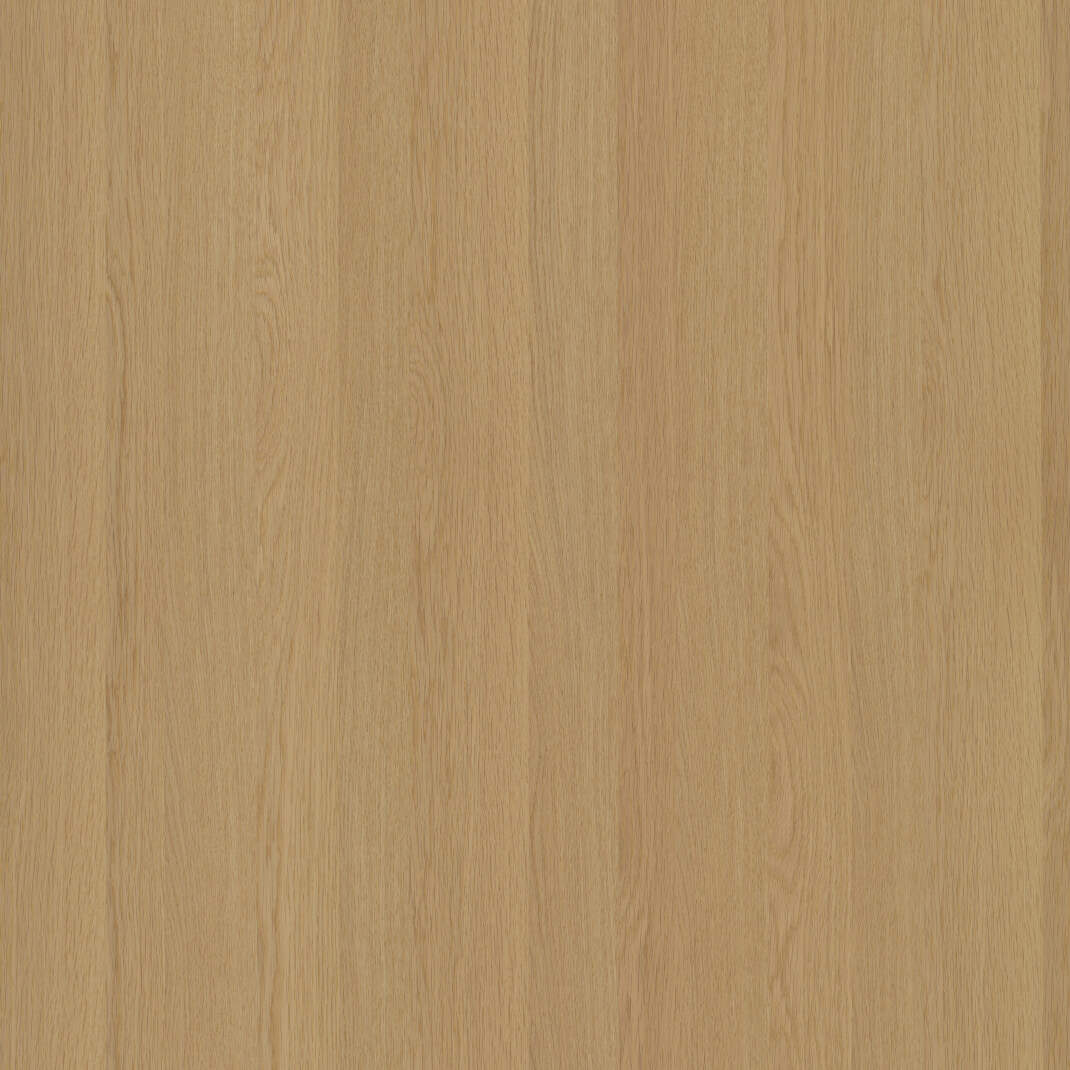
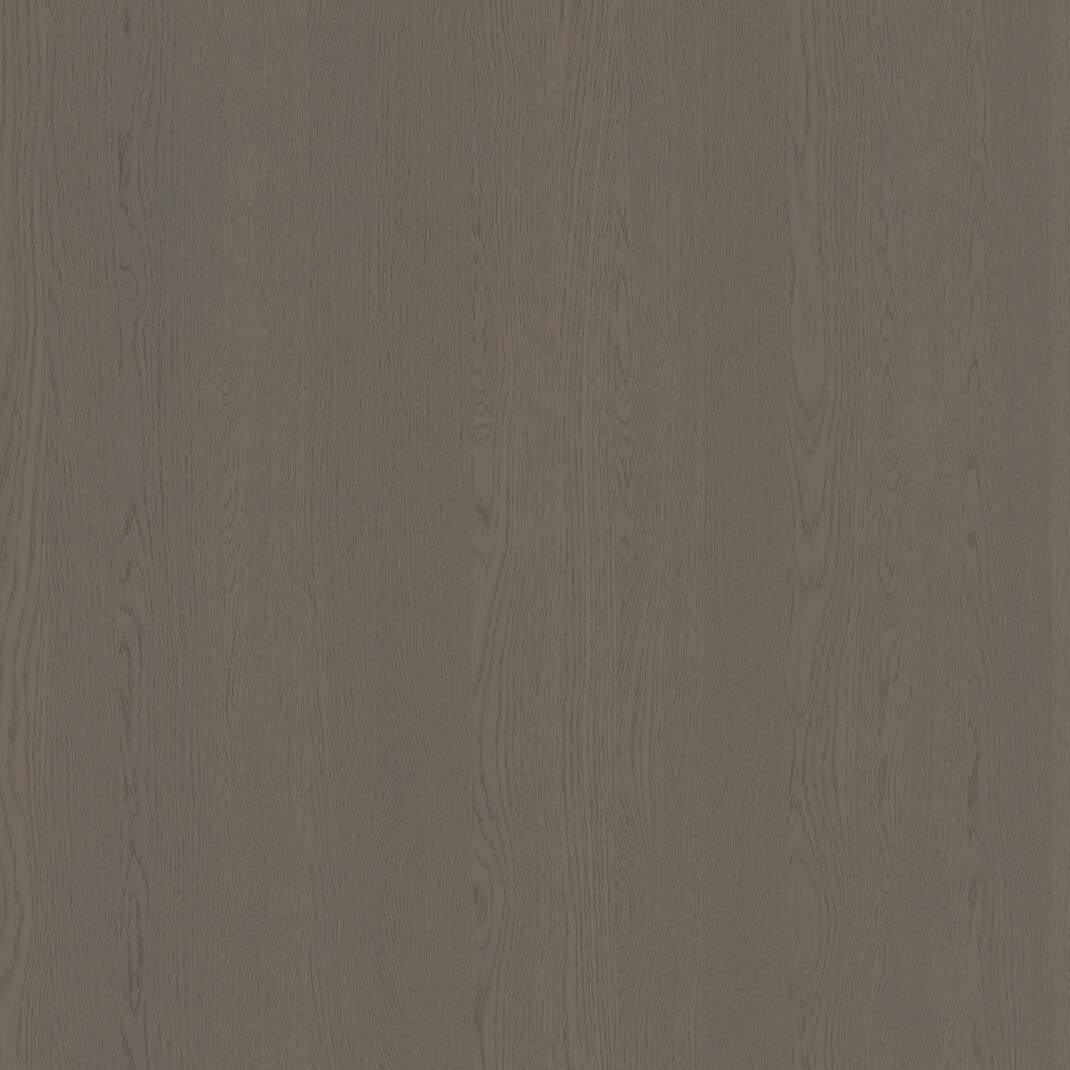
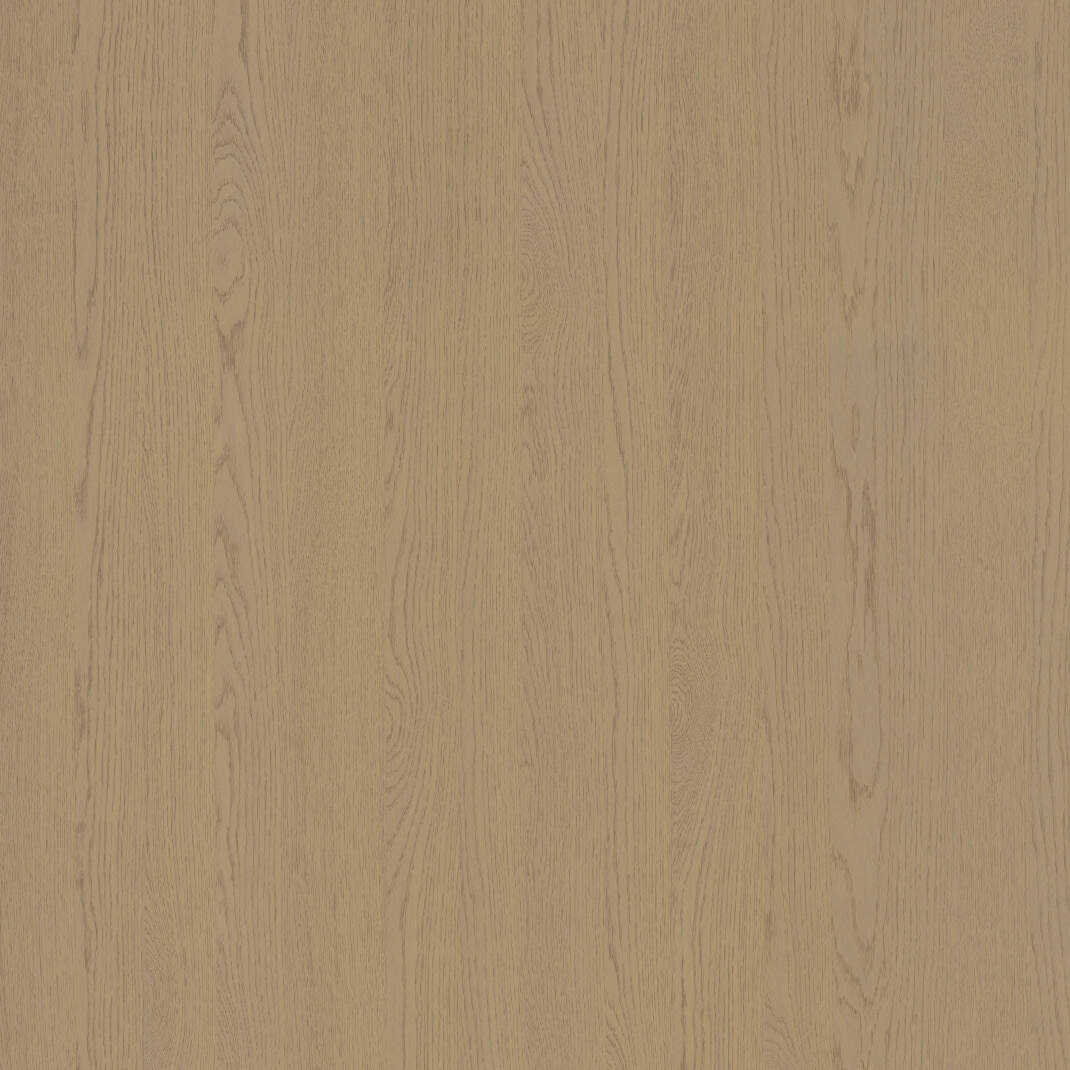
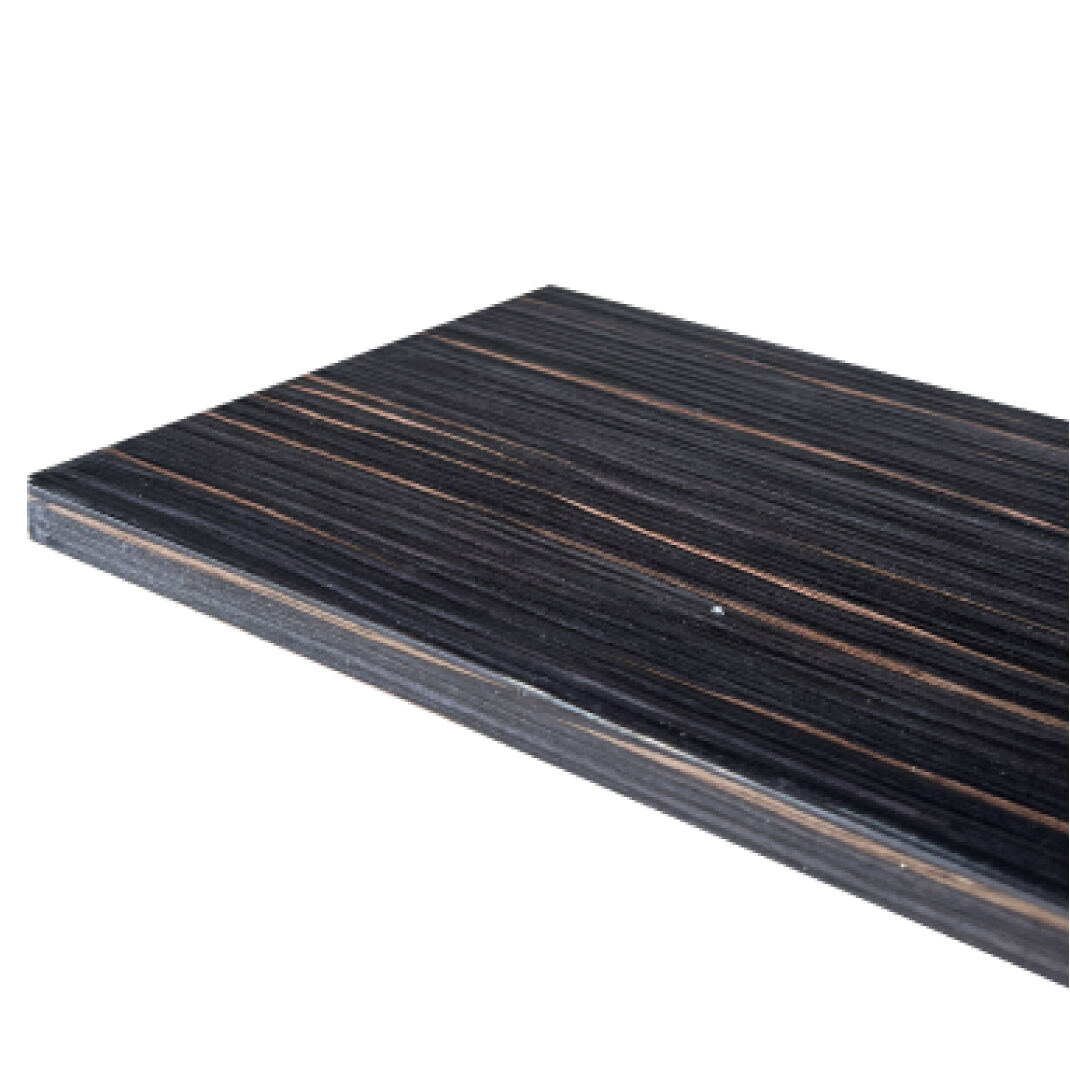
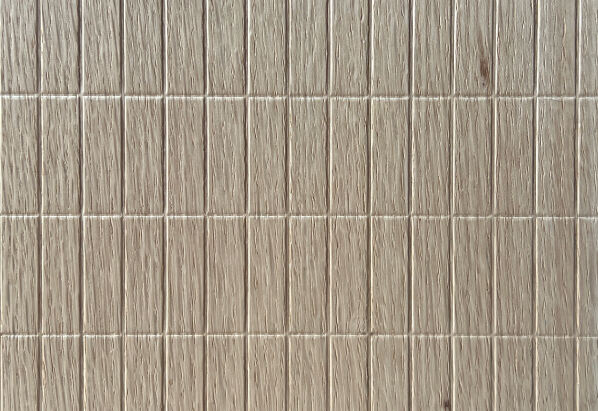
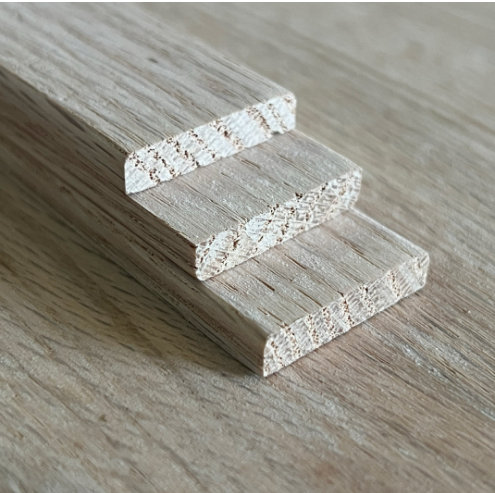
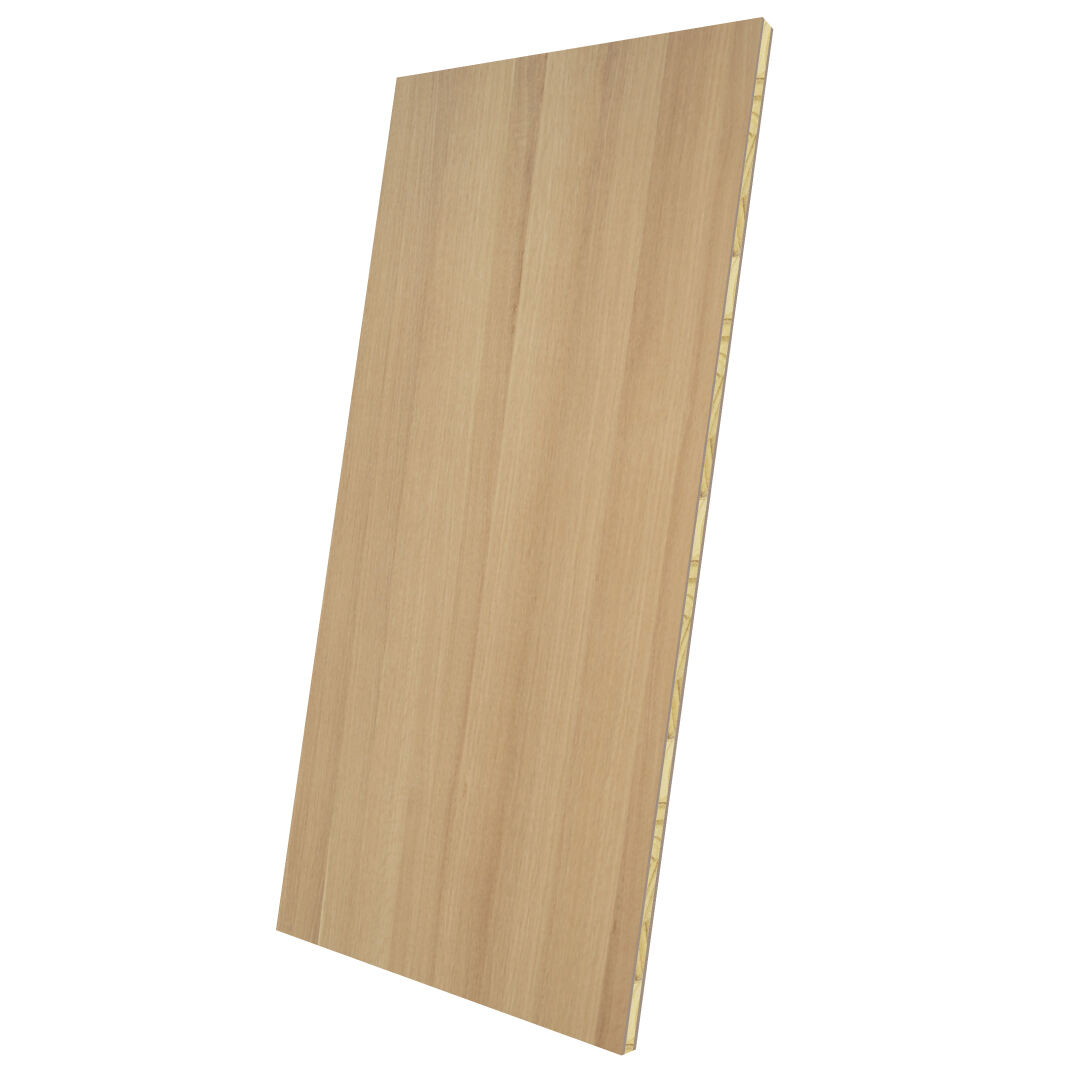
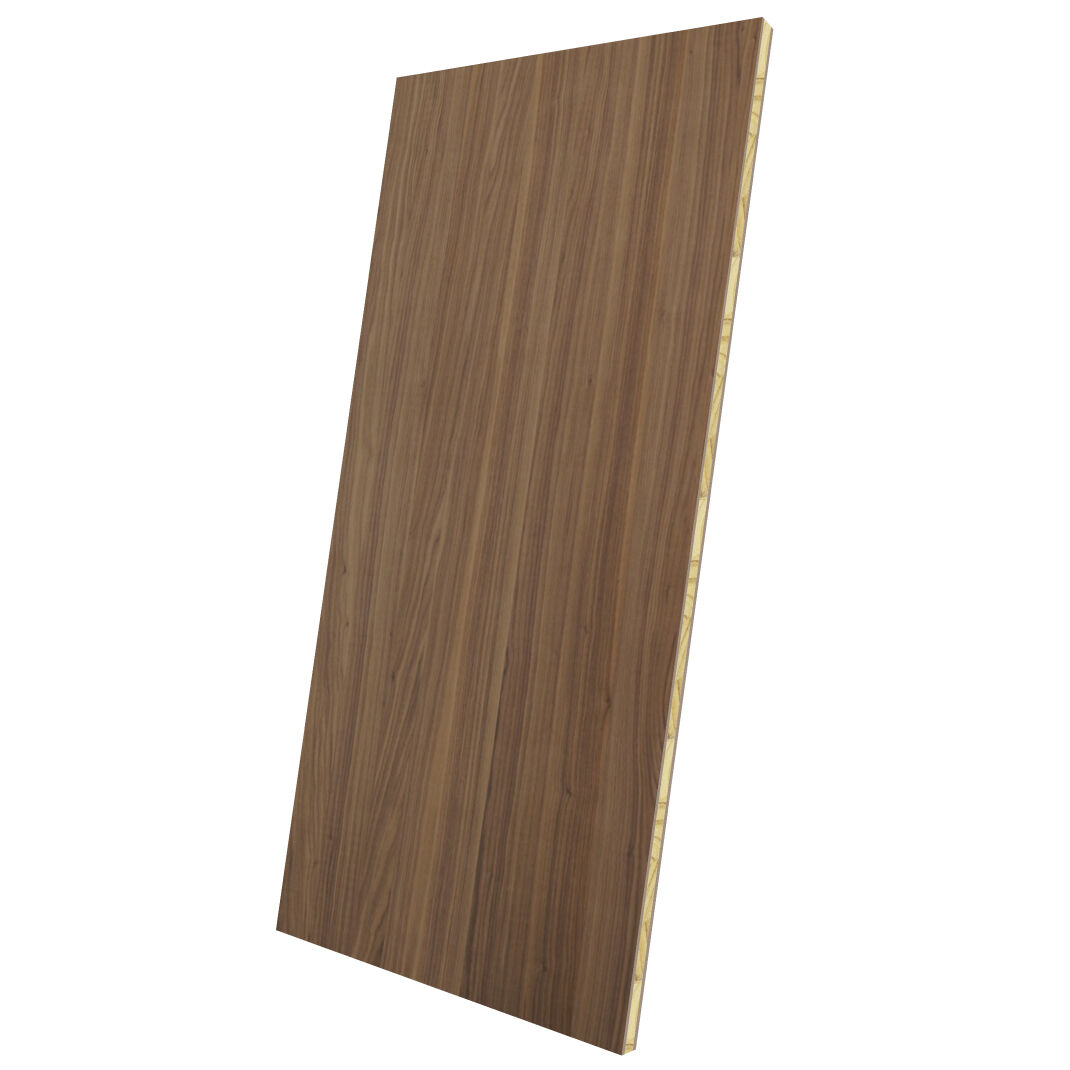
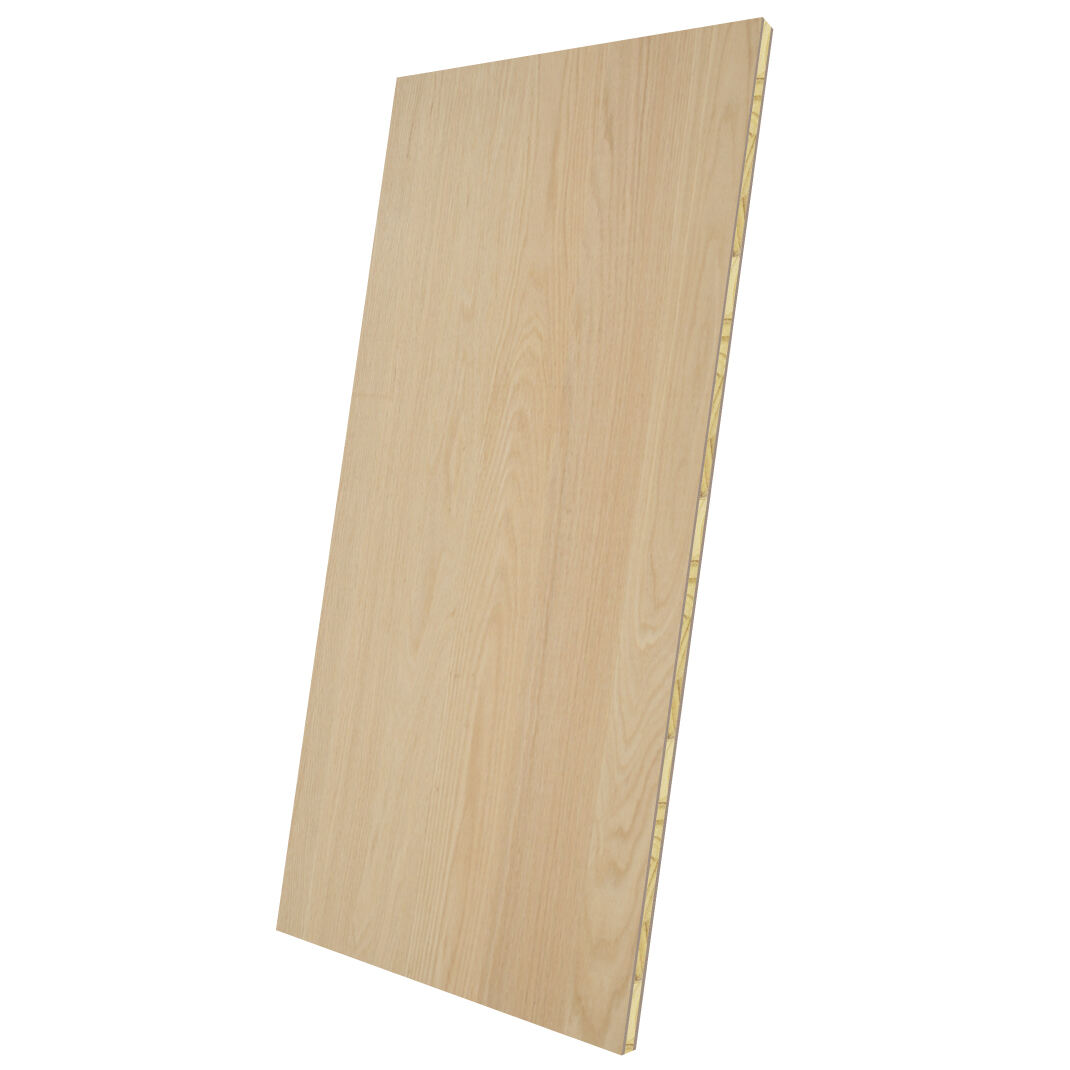
Engineered wood veneer represents a revolutionary advancement in wood processing technology, combining natural beauty with enhanced durability and consistency. This innovative material consists of multiple layers of wood veneer that are carefully selected, processed, and bonded together under high pressure and temperature conditions. Unlike traditional wood veneer, engineered variants offer superior stability and resistance to environmental factors while maintaining the aesthetic appeal of natural wood. The manufacturing process involves precise control over thickness, grain pattern, and color consistency, ensuring a uniform appearance across large surface areas. The material's versatility makes it ideal for various applications, from furniture manufacturing and architectural paneling to interior design elements and commercial spaces. Its construction allows for wider sheets than natural veneer, reducing the number of joints needed in large installations. The engineered wood veneer's core structure provides enhanced dimensional stability, making it less susceptible to warping, shrinking, or expanding due to moisture and temperature changes. This technological advancement also enables more efficient use of wood resources, contributing to sustainable forestry practices while delivering superior performance characteristics.

New Products

Engineered wood veneer offers numerous practical benefits that make it an exceptional choice for both commercial and residential applications. First, its enhanced stability significantly reduces the risk of warping, cracking, or delamination, ensuring long-term durability and maintaining its appearance over time. The material's consistent thickness and uniform color patterns simplify installation processes and guarantee predictable results, saving time and reducing waste during application. Cost-effectiveness is another major advantage, as engineered veneer maximizes the use of premium wood species while maintaining their luxurious appearance. The product's versatility allows for application on various substrates, including MDF, particleboard, and plywood, making it suitable for diverse project requirements. Environmental sustainability is a key benefit, as the manufacturing process makes efficient use of wood resources, producing more surface area coverage from less raw material compared to solid wood or traditional veneers. The material's resistance to UV radiation and moisture helps maintain its appearance in challenging environments, reducing maintenance requirements and extending product lifespan. Installation flexibility is enhanced through the availability of larger sheet sizes, minimizing seams and joints while creating more visually appealing surfaces. The engineered nature of the product also allows for consistent grain patterns and color matching across multiple panels, ensuring aesthetic continuity in large-scale projects.

Tips And Tricks

DIY Acoustic Panels: A Step-by-Step Guide

18

Nov

DIY Acoustic Panels: A Step-by-Step Guide

Creating your own acoustic treatment solution has become increasingly popular among homeowners, musicians, and content creators who want to improve their space's sound quality without breaking the bank. DIY acoustic panels offer an affordable and cus...
View More
Elevate Your Interior with Decorative Panels

18

Nov

Elevate Your Interior with Decorative Panels

Modern interior design has evolved to embrace sophisticated solutions that transform ordinary spaces into extraordinary environments. Among the most impactful elements in contemporary design, decorative panels stand as versatile architectural feature...
View More
Wood Veneer vs Solid Wood: Which Should You Choose

30

Oct

Wood Veneer vs Solid Wood: Which Should You Choose

Understanding the Timeless Beauty of Natural Wood Surfaces When it comes to creating stunning furniture and interior finishes, both wood veneer and solid wood offer distinct characteristics that can transform your space. The choice between these two ...
View More
Sustainable Milled Panels: Eco-Friendly Building Options

07

Nov

Sustainable Milled Panels: Eco-Friendly Building Options

The construction industry is experiencing a significant shift toward sustainable building materials, with milled panels emerging as a leading solution for environmentally conscious architects, contractors, and homeowners. These engineered wood produc...
View More

Get a Free Quote

Our representative will contact you soon.
Email
Name
Company Name
Message
0/1000

engineered wood veneer

Superior Dimensional Stability

Superior Dimensional Stability

Engineered wood veneer's exceptional dimensional stability sets it apart from traditional wood products, thanks to its sophisticated multi-layer construction and advanced manufacturing process. The cross-laminated structure effectively counteracts the natural tendency of wood to expand and contract with environmental changes, resulting in a remarkably stable product. This enhanced stability ensures that installations maintain their integrity and appearance over time, even in challenging conditions with varying humidity levels and temperature fluctuations. The precise engineering of each layer, combined with state-of-the-art bonding techniques, creates a product that resists warping, cupping, and twisting, common issues that often plague traditional wood materials. This stability is particularly valuable in large-scale applications where maintaining consistent surface flatness is crucial for both aesthetic and functional purposes.
Environmental Sustainability

Environmental Sustainability

The environmental benefits of engineered wood veneer represent a significant advancement in sustainable building materials. This innovative product maximizes the yield from harvested timber, producing up to ten times more surface coverage compared to traditional solid wood options. The manufacturing process incorporates responsible forestry practices, often utilizing fast-growing species and managed forests to ensure long-term resource availability. The efficient use of wood fiber means fewer trees are needed to produce the same amount of finished surface area, reducing the overall environmental impact. Additionally, the production process typically generates minimal waste, as smaller pieces and remnants can be incorporated into the engineered layers. The durability and longevity of engineered wood veneer also contribute to its sustainability profile, as fewer replacements are needed over time.
Design Versatility and Consistency

Design Versatility and Consistency

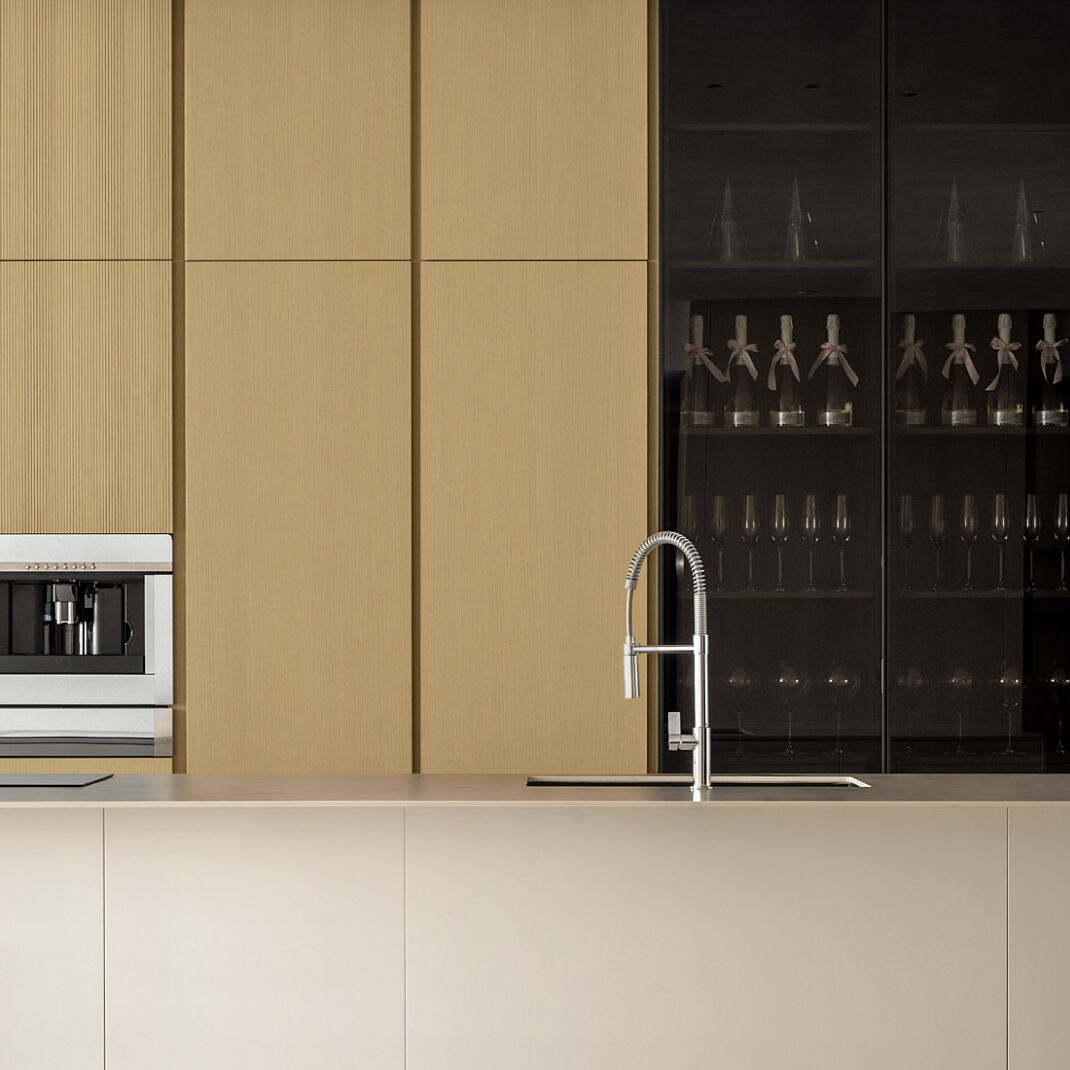
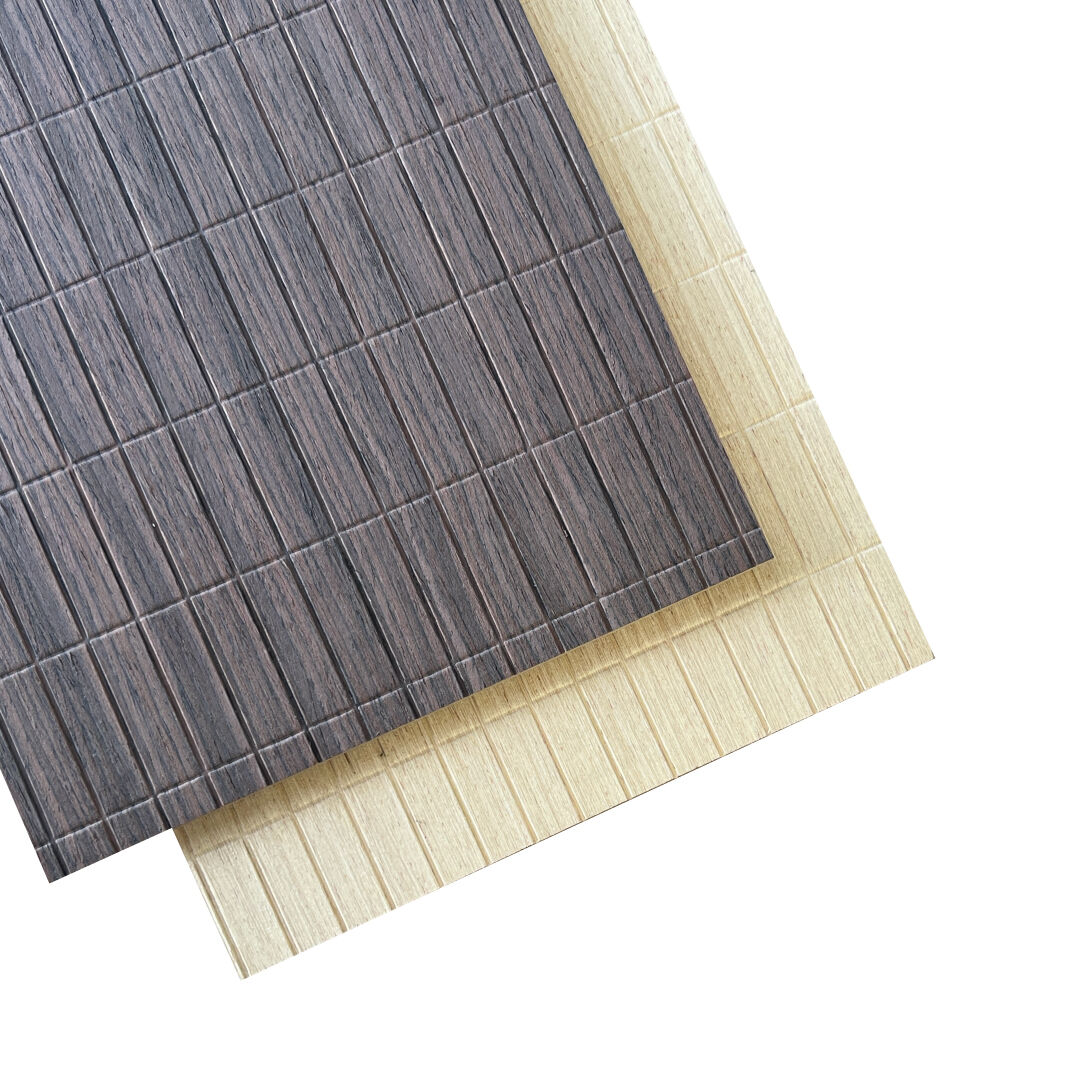
Engineered wood veneer offers unmatched design versatility and consistency that revolutionizes interior design possibilities. The manufacturing process allows for precise control over grain patterns, color variations, and surface textures, ensuring remarkable consistency across large production runs. This consistency is particularly valuable in commercial projects where matching panels across different areas is essential. The ability to create custom patterns and unique grain configurations opens up new creative possibilities for designers and architects. The material can be produced in larger sheets than natural veneer, reducing visible seams and creating more cohesive visual appearances in large installations. The controlled production process also allows for precise color matching and grain alignment, ensuring that each panel maintains the desired aesthetic characteristics while providing the natural beauty of wood.

Get a Free Quote

Our representative will contact you soon.
Email
Name
Company Name
Message
0/1000