Premium Hardwood Veneer: Sustainable Luxury and Superior Performance for Modern Applications

Get a Free Quote

Our representative will contact you soon.
Email
Name
Company Name
Message
0/1000

hardwood veneer

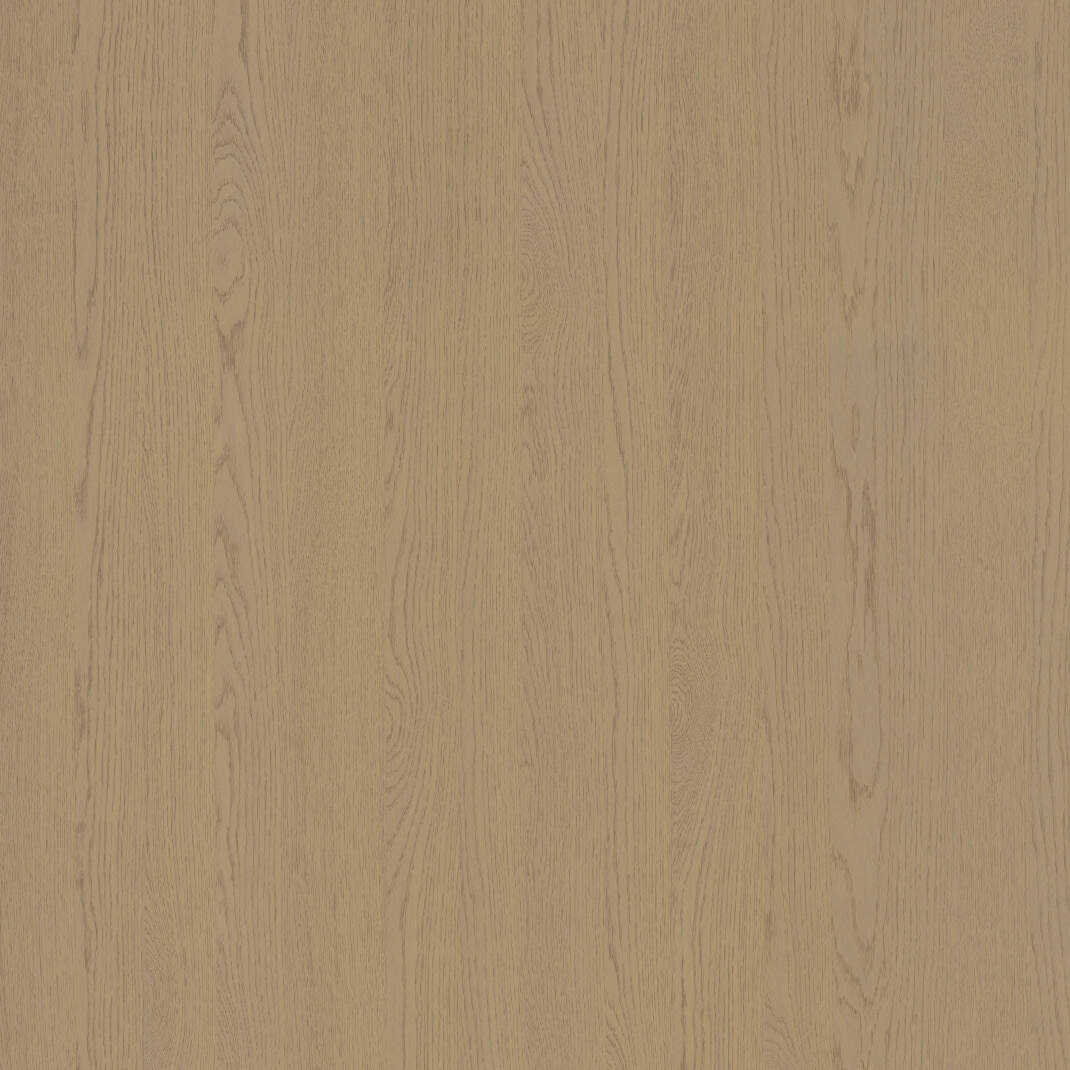
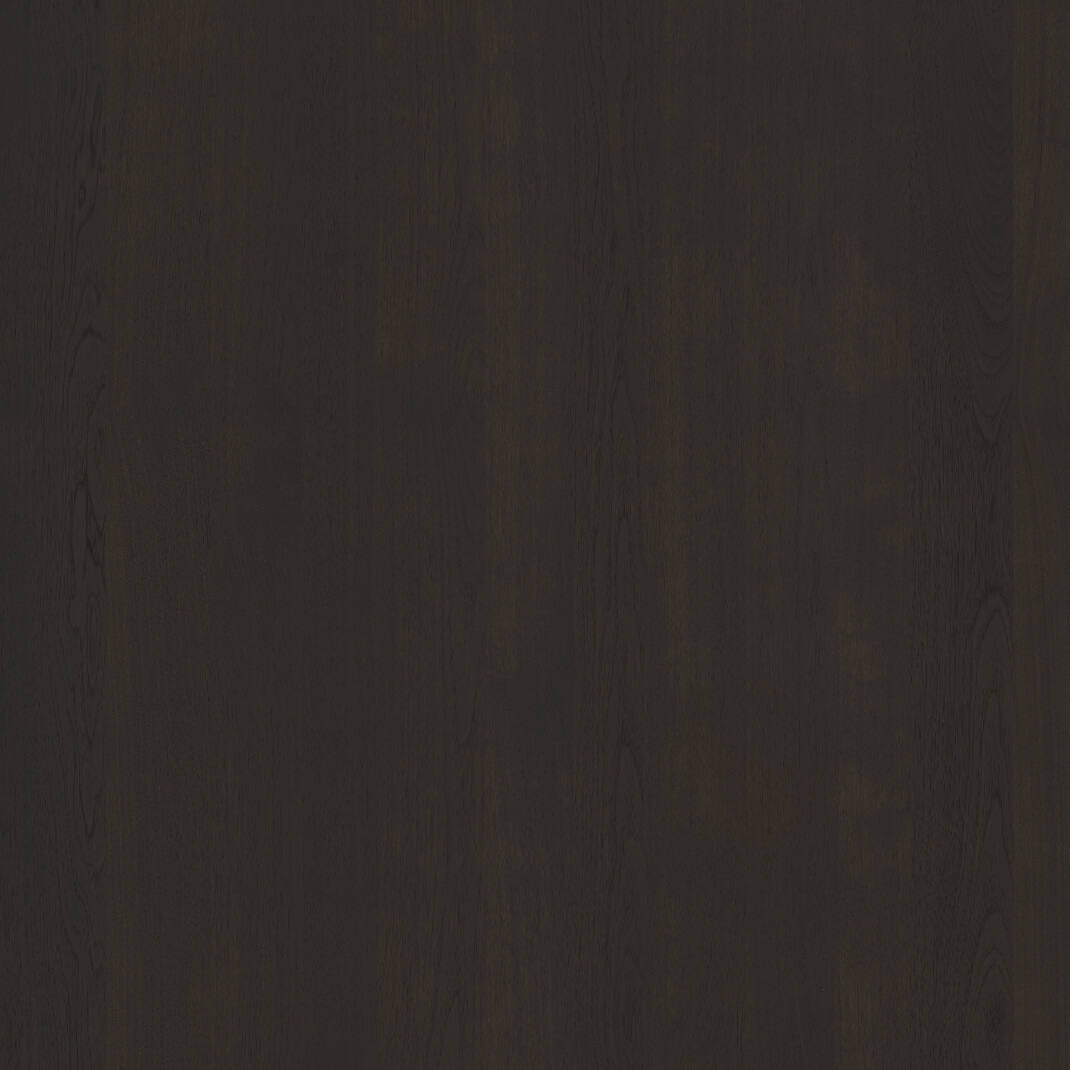
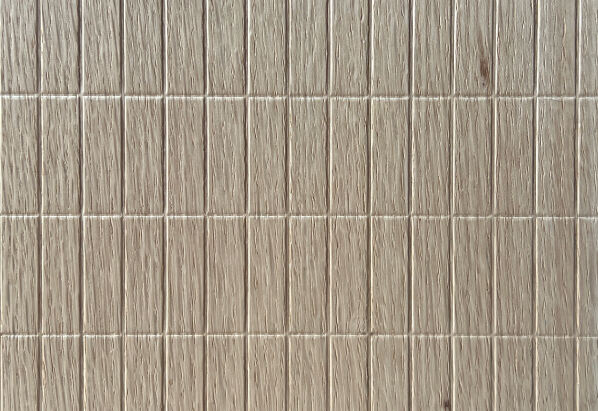
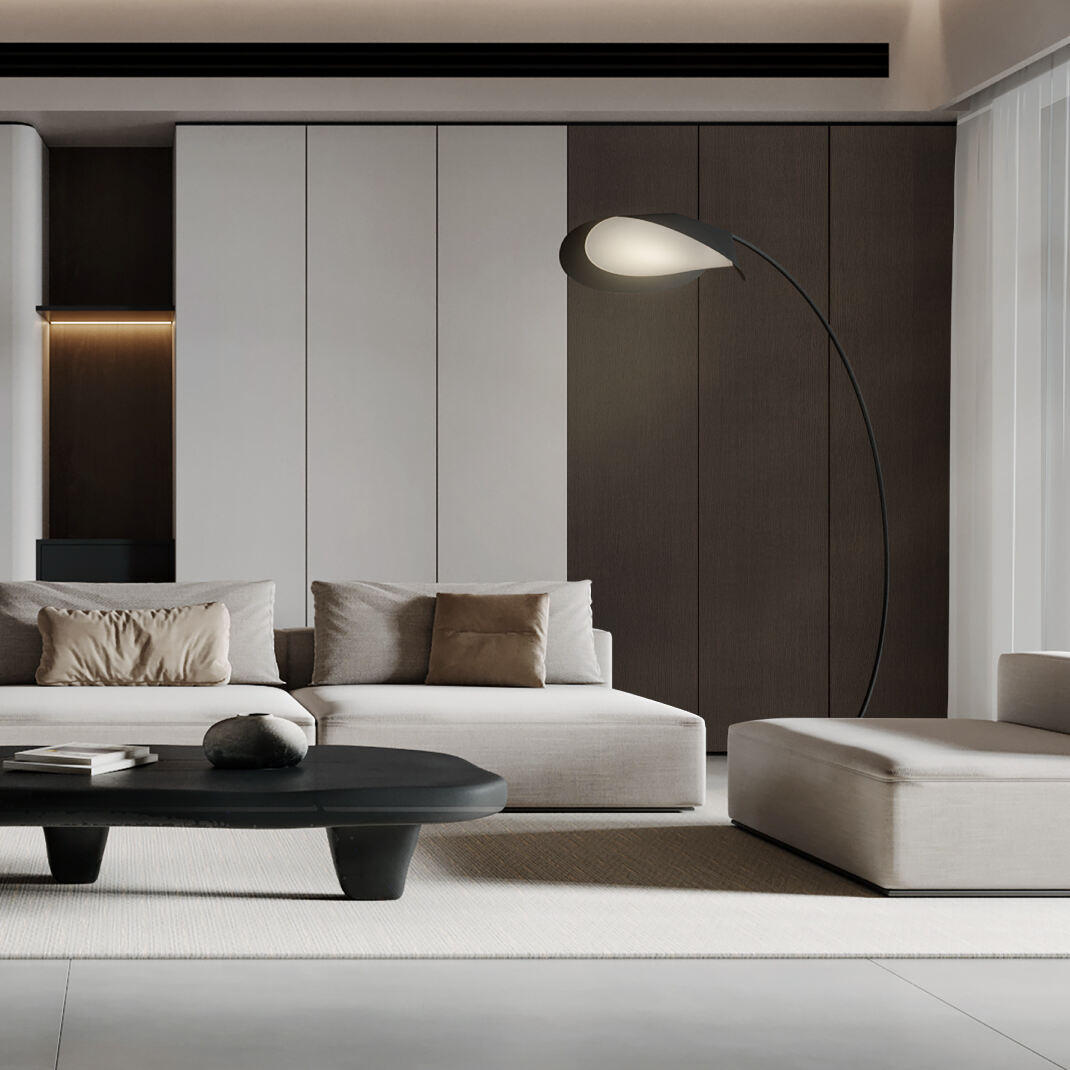
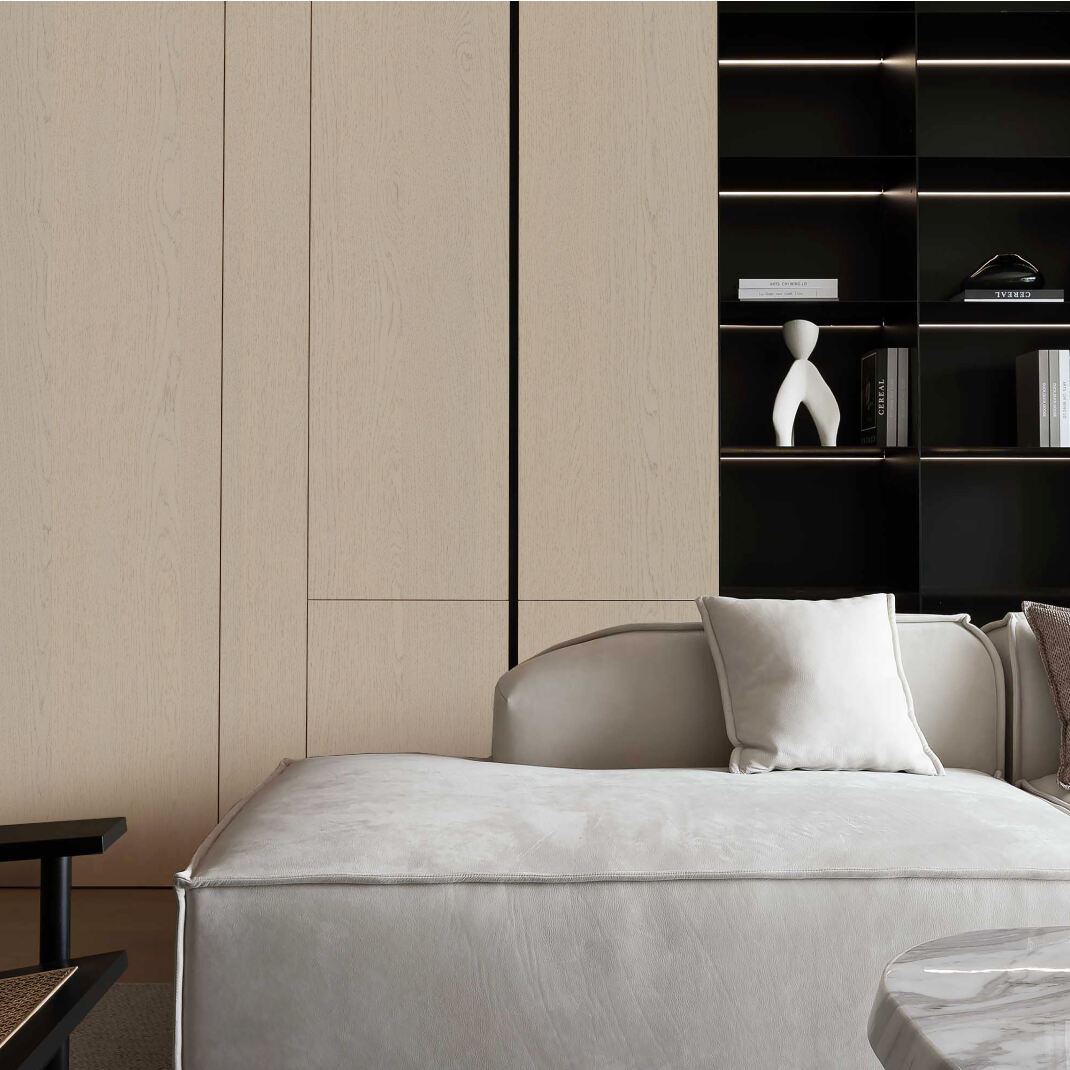
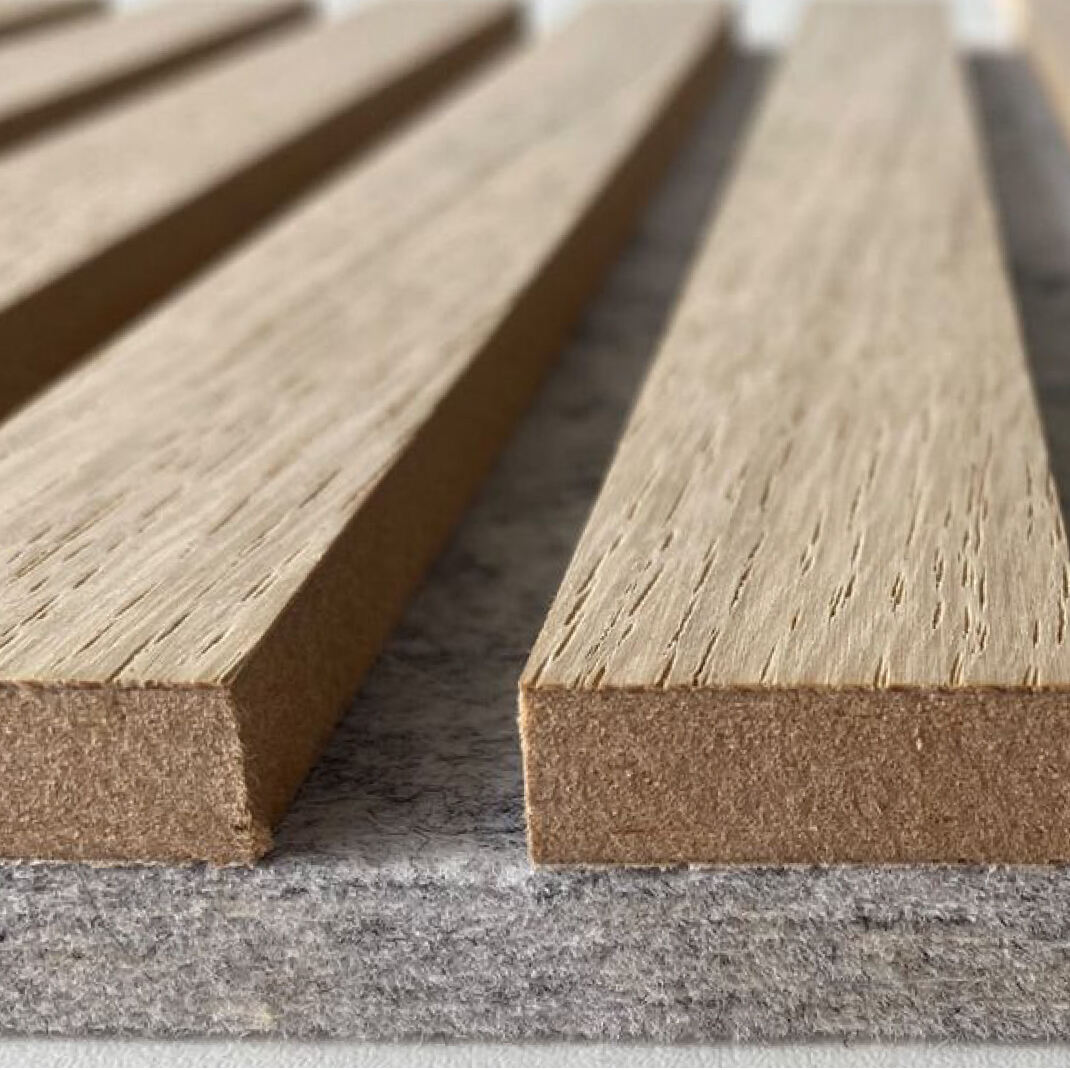
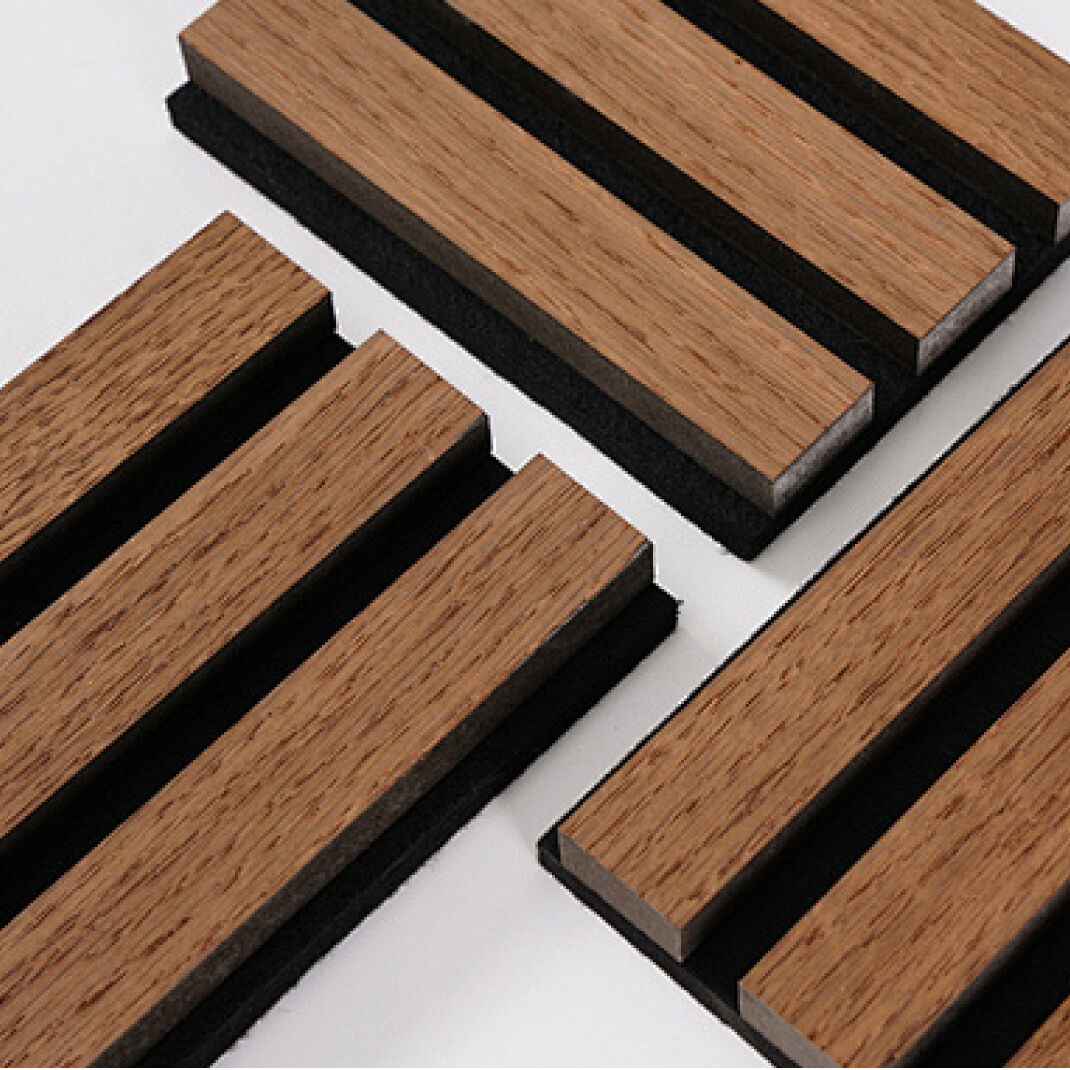
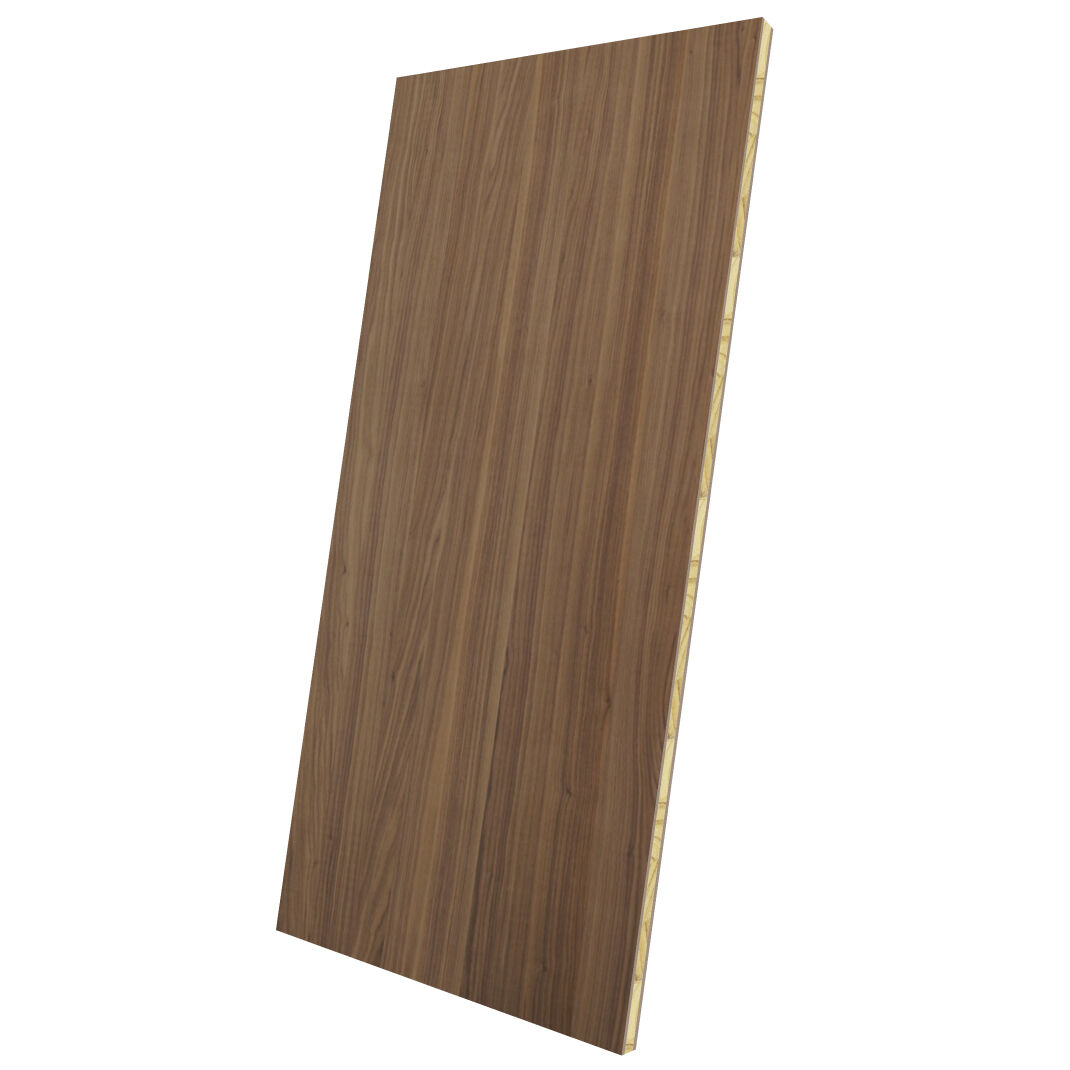
Hardwood veneer represents a sophisticated solution in modern woodworking, consisting of thin slices of natural hardwood carefully extracted from premium timber. These slices, typically ranging from 0.5mm to 3mm in thickness, are expertly cut to showcase the wood's natural beauty and grain patterns. The manufacturing process involves either rotary cutting, which produces continuous sheets, or slice cutting, which reveals distinctive grain patterns. This versatile material serves multiple functions in both residential and commercial applications, from furniture manufacturing to architectural finishes. Modern technological advancements have enhanced the precision of veneer cutting, resulting in more consistent thickness and improved material yield. The material's adaptability allows for application on various substrates, including MDF, plywood, and particleboard, making it an ideal choice for both decorative and structural purposes. Its implementation spans across diverse sectors, from high-end furniture production to interior wall paneling, cabinetry, and door manufacturing. The material's sustainability aspect is particularly noteworthy, as it maximizes the yield from premium hardwood trees, allowing a single log to cover significantly more surface area compared to solid wood.

New Products

Hardwood veneer offers numerous compelling advantages that make it an excellent choice for various applications. First, it provides exceptional cost-effectiveness by delivering the aesthetic appeal of premium hardwood at a fraction of the cost of solid wood. This economic efficiency doesn't compromise the visual impact, as veneers showcase the same beautiful grain patterns and natural characteristics of solid wood. The material's versatility in application methods enables creative design possibilities, allowing for book-matching, quarter-matching, and other decorative patterns that might be impossible or prohibitively expensive with solid wood. From a practical standpoint, hardwood veneer demonstrates superior stability compared to solid wood, with reduced susceptibility to warping, splitting, or dimensional changes due to environmental factors. This stability makes it particularly valuable in environments with varying humidity levels. The sustainability aspect cannot be overlooked, as veneer production maximizes the utility of hardwood resources, producing minimal waste and requiring fewer trees to cover larger surfaces. Additionally, the lightweight nature of veneered panels facilitates easier handling and installation, reducing labor costs and installation time. The material's compatibility with various finishing techniques, from traditional staining to modern protective coatings, ensures long-term durability while maintaining its natural beauty. The ability to create consistent appearances across large surfaces makes it ideal for commercial projects requiring uniform aesthetics. Moreover, the material's adaptability to different substrates provides flexibility in meeting specific project requirements, whether structural or decorative.

Practical Tips

Acoustic Panels: Enhancing Audio Quality in Any Room

18

Nov

Acoustic Panels: Enhancing Audio Quality in Any Room

Sound quality plays a crucial role in creating comfortable and functional environments, whether in professional recording studios, home theaters, offices, or residential spaces. Acoustic panels have emerged as an essential solution for controlling un...
View More
DIY Acoustic Panels: A Step-by-Step Guide

18

Nov

DIY Acoustic Panels: A Step-by-Step Guide

Creating your own acoustic treatment solution has become increasingly popular among homeowners, musicians, and content creators who want to improve their space's sound quality without breaking the bank. DIY acoustic panels offer an affordable and cus...
View More
Hardwood Panels vs. Other Materials: A Comparison

18

Nov

Hardwood Panels vs. Other Materials: A Comparison

When selecting materials for furniture, cabinetry, and construction projects, the choice between hardwood panels and alternative materials significantly impacts both aesthetics and performance. Understanding the distinct characteristics, benefits, an...
View More
2025 Guide: How to Choose the Perfect Door Panel

30

Oct

2025 Guide: How to Choose the Perfect Door Panel

Essential Door Panel Selection Guide for Modern Homes Selecting the right door panel for your home is a crucial decision that impacts both aesthetics and functionality. Whether you're building a new home or renovating an existing space, understanding...
View More

Get a Free Quote

Our representative will contact you soon.
Email
Name
Company Name
Message
0/1000

hardwood veneer

Superior Aesthetic Versatility

Superior Aesthetic Versatility

Hardwood veneer excels in providing unmatched aesthetic possibilities through its remarkable versatility in pattern creation and design applications. The material allows for sophisticated techniques such as book-matching, where adjacent veneer leaves are opened like a book to create mirror images, resulting in striking symmetrical patterns. This capability enables designers to craft unique visual statements that would be impossible or prohibitively expensive with solid wood. The natural variation in wood grain patterns, combined with the ability to select specific cuts and orientations, provides endless possibilities for creating custom designs. The material's thin nature allows for precise cutting and intricate inlay work, enabling the creation of complex geometric patterns and artistic compositions. This versatility extends to the ability to mix different wood species and grain patterns, offering unlimited creative potential for designers and architects.
Environmental Sustainability

Environmental Sustainability

The environmental benefits of hardwood veneer represent a significant advancement in sustainable wood utilization. A single log processed into veneer can cover up to twenty times more surface area compared to solid wood boards, dramatically reducing the demand for raw timber. This efficient use of resources helps preserve forest resources while maintaining the authentic wood appearance desired in high-end applications. The production process generates minimal waste, as modern cutting techniques optimize material yield. Additionally, the lightweight nature of veneered products reduces transportation-related carbon emissions compared to solid wood alternatives. The material's long lifespan and durability contribute to its environmental credentials, as properly maintained veneered surfaces can last for decades, reducing the need for replacement and further resource consumption.
Enhanced Structural Stability

Enhanced Structural Stability

Hardwood veneer's structural stability sets it apart in the world of wood products. When properly bonded to engineered substrates, veneered panels exhibit exceptional dimensional stability, resisting the natural tendency of wood to expand, contract, or warp with environmental changes. This stability is achieved through the cross-laminated construction of the substrate combined with the thin nature of the veneer layer, which allows for natural wood movement without compromising the overall structure. The material's resistance to splitting and cracking, common issues with solid wood, ensures long-term reliability in various applications. This enhanced stability makes veneered panels particularly suitable for large surface areas and high-traffic environments where consistent performance is crucial.

Get a Free Quote

Our representative will contact you soon.
Email
Name
Company Name
Message
0/1000