 EN
EN


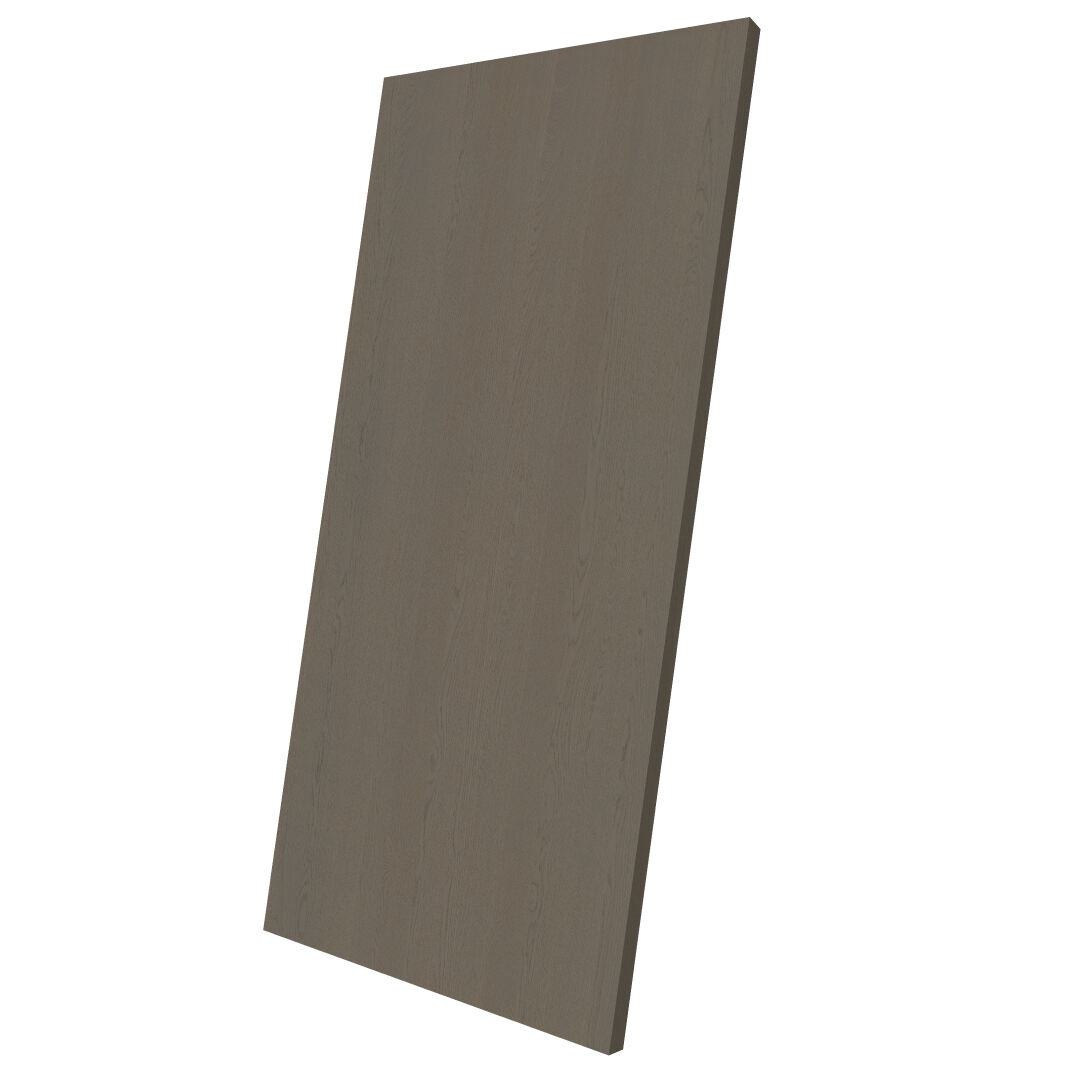
The selection of furniture panel materials represents one of the most consequential decisions in modern furniture manufacturing, directly affecting production efficiency, product durability, aesthetic appeal, and overall market competitiveness. As the furniture industry evolves toward mass customization and sustainable production practices, understanding how different furniture panel materials influence manufacturing processes has become essential for manufacturers seeking to optimize their operations while meeting increasingly sophisticated consumer expectations.
Modern furniture manufacturing operates within a complex ecosystem where material choice cascades through every aspect of production, from initial design conceptualization through machining operations, surface finishing, assembly workflows, and final quality control. The physical properties, dimensional stability, machinability characteristics, and surface treatment compatibility of furniture panel materials determine equipment requirements, processing parameters, production cycle times, and ultimately the feasibility of specific design concepts. This article examines the multifaceted ways in which furniture panel material selection shapes contemporary manufacturing strategies, production economics, and product development capabilities.
Material Properties and Their Direct Impact on Manufacturing Processes
Density and Structural Characteristics Affecting Machining Operations
The density profile of a furniture panel fundamentally determines how it responds to cutting, drilling, routing, and edge profiling operations that constitute the core of modern furniture manufacturing. High-density furniture panel materials require more powerful cutting equipment, carbide-tipped tooling, and slower feed rates to prevent tool wear and achieve clean edge quality, directly increasing equipment investment requirements and extending cycle times. Conversely, lower-density materials machine more easily but present challenges in achieving crisp edge definition and consistent surface quality, particularly when creating complex profiles or detailed joinery.
Medium-density materials often represent the optimal balance for automated manufacturing environments, providing sufficient structural integrity for consistent handling while allowing efficient material removal rates. The internal structure of furniture panel materials also influences chip formation characteristics during machining operations, with homogeneous materials producing more predictable cutting behavior than layered or composite structures. Manufacturers must calibrate their CNC programming, tool selection, and feed rate parameters specifically to the density characteristics of their chosen furniture panel materials to optimize production throughput while maintaining quality standards.
Beyond basic machining, furniture panel density directly affects fastener holding capacity, which influences assembly method selection and joint design strategies. High-density materials provide superior screw-holding strength, enabling the use of mechanical fasteners in applications where lower-density alternatives would require adhesive-dominant or specialized joinery solutions. This relationship between material density and fastening reliability shapes entire assembly workflows, determining whether manufacturers can implement modular construction approaches or must rely on more labor-intensive bonding processes.
Dimensional Stability and Its Manufacturing Implications
Dimensional stability under varying humidity and temperature conditions represents a critical furniture panel characteristic that profoundly influences manufacturing tolerances, inventory management strategies, and quality assurance protocols. Materials with poor dimensional stability require wider tolerance specifications during cutting operations to accommodate potential expansion or contraction before assembly, complicating precision manufacturing and potentially compromising final fit and finish quality. This variability forces manufacturers to implement more sophisticated environmental controls in production facilities or accept higher rates of dimensional non-conformance.
Engineered furniture panel materials with enhanced dimensional stability enable tighter manufacturing tolerances, supporting the implementation of automated assembly systems that depend on consistent component dimensions for proper functionality. When furniture panel materials maintain stable dimensions throughout the manufacturing process, manufacturers can optimize cut-to-size operations with minimal allowance for subsequent dimensional changes, reducing material waste and improving yield rates. This stability also simplifies inventory management by reducing concerns about material dimensional drift during storage periods between cutting and assembly operations.
The hygroscopic behavior of different furniture panel materials also determines requirements for acclimation periods before processing, affecting production scheduling flexibility and inventory turnover rates. Materials requiring extended acclimation to facility conditions before machining introduce lead time complexity that constrains just-in-time manufacturing approaches, while dimensionally stable alternatives enable more responsive production scheduling aligned with actual order flow rather than material preparation requirements.
Surface Characteristics and Finishing Process Integration
The surface density, porosity, and texture of furniture panel materials directly determine finishing process requirements, equipment needs, and achievable aesthetic outcomes. Dense, smooth-surfaced materials may accept finishing products with minimal surface preparation, while porous or textured alternatives require sealing, filling, or extensive sanding sequences before achieving acceptable finish quality. These preparation requirements translate directly into labor hours, material consumption, and production cycle time, making surface characteristics a primary driver of finishing department economics.
Modern furniture manufacturing increasingly relies on prefinished furniture panel materials that arrive at the facility with factory-applied decorative and protective coatings, fundamentally altering manufacturing workflows by eliminating in-house finishing operations. This shift toward prefinished materials reduces facility space requirements, eliminates finishing equipment investment and maintenance costs, removes volatile organic compound emissions from the production environment, and dramatically shortens manufacturing cycle times by converting finishing from a sequential process step into a material procurement specification.
However, the adoption of prefinished furniture panel materials introduces new considerations regarding edge treatment compatibility, repair protocols for machining damage, and limitation of design flexibility to available prefinished options. Manufacturers must carefully evaluate whether the operational advantages of prefinished materials outweigh the constraints they impose on design customization and the challenges they present for achieving seamless appearance at assembled edges and corners where substrate edges become visible.
Production System Design and Equipment Selection Driven by Material Choice
Tooling Requirements and Equipment Specifications
The selection of furniture panel materials directly determines the specifications required for cutting equipment, tooling materials, and edge banding machinery throughout the manufacturing facility. Abrasive materials or those containing mineral content accelerate cutting tool wear, necessitating more frequent tool changes or investment in premium carbide or diamond tooling to maintain production efficiency. These tooling cost differences can substantially impact manufacturing economics, particularly in high-volume operations where tool consumption represents a significant variable cost component.
Furniture panel materials with challenging machining characteristics may require more powerful spindle motors, rigid machine structures, and advanced dust collection systems compared to materials that machine easily, affecting both capital equipment investment levels and facility infrastructure requirements. The dust generation characteristics of different materials also influence extraction system sizing and filtration requirements, with some furniture panel types producing fine particulate that demands more sophisticated collection and filtration technologies to maintain air quality and prevent equipment contamination.
Edge banding equipment selection similarly depends on furniture panel substrate characteristics, as different materials require specific adhesive types, application temperatures, and pressure profiles to achieve durable edge bonds. Thermally sensitive materials may preclude high-temperature edge banding processes, limiting adhesive options and potentially requiring specialized equipment capable of precision temperature control or alternative bonding technologies. These equipment and process constraints directly influence the range of edge banding materials and aesthetic effects that manufacturers can practically implement.
Production Flow and Layout Optimization
The physical handling characteristics of different furniture panel materials influence optimal production flow patterns and facility layout strategies. Large-format furniture panel materials that maintain dimensional stability and resist damage during handling enable efficient nested cutting approaches that maximize material utilization but require substantial material handling equipment and floor space for sheet storage and CNC loading operations. Conversely, smaller format or more fragile materials may necessitate different flow patterns emphasizing protective handling and intermediate staging areas.
The weight characteristics of furniture panel materials affect material handling equipment requirements throughout the facility, from receiving and storage through cutting operations and final assembly. Heavy materials require powered handling equipment and may necessitate multiple operators for safe manipulation, while lighter alternatives enable more flexible manual handling approaches but may present challenges in maintaining flatness and preventing distortion during processing and storage.
Manufacturing facilities optimized for specific furniture panel material types often struggle to efficiently accommodate alternative materials without substantial process reconfiguration, creating strategic commitment to particular material categories that influences product development directions and market positioning. This relationship between facility configuration and material compatibility makes furniture panel selection a decision with long-term strategic implications beyond immediate project-level material specification.
Automation Compatibility and Advanced Manufacturing Technologies
The consistency and predictability of furniture panel material characteristics directly determine the feasibility of implementing advanced automation technologies throughout the manufacturing process. Robotic handling systems require consistent material dimensions, weight distribution, and structural integrity to function reliably, making dimensionally stable, uniformly dense furniture panel materials far more compatible with automated material movement than alternatives with variable properties. This compatibility gap can create a competitive advantage for manufacturers utilizing automation-friendly materials in markets where labor costs drive automation adoption.
Computer-controlled manufacturing systems achieve optimal performance when processing furniture panel materials with predictable machining behavior, as consistent cutting forces and chip formation enable aggressive optimization of feed rates and tool paths without risking quality defects or equipment damage. Materials with variable density, internal voids, or inconsistent composition frustrate optimization efforts by requiring conservative processing parameters that sacrifice throughput to ensure reliable quality across material variability.
The implementation of integrated manufacturing systems linking design software directly to production equipment depends critically on the ability to accurately model furniture panel material behavior in digital environments. Materials with well-characterized physical properties enable precise simulation of machining operations, structural performance, and final assembly outcomes, while materials with variable or poorly documented characteristics introduce uncertainty that undermines confidence in digital manufacturing workflows and necessitates more conservative design approaches or extensive physical prototyping.
Quality Control Considerations and Material-Specific Challenges
Defect Patterns and Inspection Protocol Requirements
Different furniture panel materials exhibit characteristic defect patterns that require material-specific quality control protocols and inspection criteria. Natural wood-based materials may present knots, grain irregularities, or color variation that require visual inspection and sorting processes, while engineered materials more commonly exhibit density variations, delamination risks, or surface texture inconsistencies that demand different inspection approaches. Manufacturers must develop quality assurance systems tailored to the specific vulnerability patterns of their chosen furniture panel materials.
The surface characteristics of furniture panel materials determine appropriate inspection methodologies, with high-gloss finishes revealing defects that would be invisible on textured surfaces, while heavily textured materials may conceal structural issues readily apparent on smooth substrates. This relationship between material surface properties and defect visibility influences both incoming material inspection requirements and final product quality verification protocols, affecting labor allocation in quality control functions.
Dimensional tolerance verification requirements vary substantially across furniture panel material types based on their inherent dimensional stability and manufacturing precision. Engineered materials produced under controlled factory conditions typically require less intensive dimensional verification than natural materials with greater inherent variability, allowing manufacturers using dimensionally consistent materials to streamline inspection processes and reduce quality control labor requirements while maintaining equivalent confidence in final product conformance.
Durability Testing and Performance Validation
The structural characteristics of furniture panel materials determine appropriate durability testing protocols and the specific performance attributes requiring validation before product release. Materials with lower inherent moisture resistance require more rigorous evaluation of finish system integrity and edge sealing effectiveness, while mechanically weaker substrates necessitate comprehensive structural load testing to verify adequate safety margins under anticipated use conditions.
Manufacturers working with novel or less-established furniture panel materials often face more extensive testing burdens to satisfy regulatory requirements and generate the performance documentation necessary for market acceptance. This testing requirement can substantially extend product development timelines and increase development costs, creating an advantage for materials with established performance histories and readily available test data that reduces validation requirements for new product introductions.
The long-term dimensional stability of furniture panel materials under varying environmental conditions influences warranty exposure and customer satisfaction outcomes, making stability testing an essential component of material qualification processes. Materials prone to warping, cupping, or dimensional drift under humidity cycling present ongoing service challenges that can generate warranty claims and damage brand reputation, while inherently stable alternatives reduce these risks and support more aggressive warranty positioning in competitive markets.
Environmental Performance and Compliance Documentation
Contemporary furniture panel materials face increasing scrutiny regarding formaldehyde emissions, volatile organic compound content, and recyclability characteristics, requiring manufacturers to maintain comprehensive environmental performance documentation for their material selections. Materials failing to meet current emission standards such as CARB Phase 2 or European E1 classifications face market access restrictions that can eliminate entire product categories from consideration in regulated jurisdictions.
The environmental certification status of furniture panel materials directly influences the ability of finished furniture products to qualify for green building credits, environmental product declarations, and sustainability certifications increasingly demanded by institutional purchasers and environmentally conscious consumers. Manufacturers utilizing certified sustainable materials gain competitive advantages in specification-driven markets where environmental credentials influence purchasing decisions, while those working with uncertified alternatives face exclusion from these growing market segments.
Documentation requirements for environmental compliance create administrative burdens that vary substantially across furniture panel material categories, with some suppliers providing comprehensive test reports and certifications while others offer minimal documentation requiring manufacturers to conduct independent testing. The availability of robust environmental documentation from material suppliers reduces compliance risk and administrative overhead for furniture manufacturers, making material sourcing relationships and supplier capabilities important considerations beyond basic material properties.
Economic Impact and Strategic Business Considerations
Material Cost Structure and Manufacturing Economics
The raw material cost of furniture panel options represents only one component of total manufacturing cost, as processing efficiency, yield rates, and finishing requirements create substantial variations in total cost-to-manufacture across material alternatives. Premium-priced furniture panel materials that machine cleanly, generate minimal waste, and require no additional finishing may deliver lower total manufacturing costs than cheaper alternatives that consume excessive processing time, produce poor yield rates, or necessitate expensive finishing operations.
Manufacturing yield rates vary dramatically across furniture panel materials based on their dimensional consistency, defect rates, and damage susceptibility during processing. Materials prone to chipping during cutting operations, delamination during machining, or finish damage during handling generate scrap costs that can substantially exceed raw material price differences between alternatives. Manufacturers must evaluate total yield-adjusted material costs rather than simple purchase prices when making economically rational material selection decisions.
The inventory carrying costs associated with different furniture panel materials reflect their dimensional stability characteristics, storage space requirements, and shelf life considerations. Materials requiring climate-controlled storage or exhibiting limited shelf life before degradation impose higher inventory carrying costs than stable alternatives that tolerate ambient storage conditions indefinitely. These inventory cost differences influence optimal order quantities and reorder frequencies, affecting working capital requirements and supply chain management strategies.
Supply Chain Considerations and Sourcing Strategies
The geographic availability and supplier base depth for different furniture panel materials significantly influence supply chain resilience and sourcing flexibility. Widely available commodity materials with multiple qualified suppliers enable competitive bidding and supply diversification strategies that reduce vulnerability to individual supplier disruptions, while specialized materials from limited sources create dependency relationships that may expose manufacturers to supply interruptions or unfavorable pricing dynamics.
Lead time characteristics vary substantially across furniture panel material categories, with some commodity products available for immediate shipment from distributor inventory while specialized materials may require extended manufacturing lead times that complicate production planning and inventory management. Materials with long procurement lead times force manufacturers to carry higher inventory levels or accept longer customer delivery commitments, both of which create competitive disadvantages in markets demanding rapid response to orders.
The minimum order quantities required by furniture panel suppliers influence manufacturing flexibility and working capital requirements, with some materials available in small quantities suitable for prototype development and custom production while others require large-volume commitments that limit practical accessibility for smaller manufacturers or low-volume product categories. These order quantity constraints can effectively exclude certain material options from consideration by manufacturers lacking the production volume or financial resources to meet minimum purchase requirements.
Product Development Flexibility and Market Responsiveness
The design flexibility offered by different furniture panel materials directly influences manufacturers' ability to respond to evolving market preferences and develop differentiated product offerings. Materials available in extensive color, texture, and finish options enable rapid product line expansion and customization capabilities that create competitive advantages in style-conscious market segments, while materials with limited aesthetic variations constrain design differentiation and may force competition primarily on price rather than distinctive styling.
The compatibility of furniture panel materials with various manufacturing processes determines the range of design features and construction techniques that manufacturers can practically implement. Materials that accept complex edge profiles, carved details, or sculptural forming operations enable distinctive design expressions that command premium pricing, while materials limited to simple planar applications restrict designs to more utilitarian aesthetics with limited differentiation potential.
Manufacturers committed to specific furniture panel material platforms develop accumulated expertise, optimized processes, and specialized equipment investments that create efficiency advantages within their chosen material category but simultaneously create switching costs that inhibit adaptation to emerging material alternatives. This tension between specialization efficiency and strategic flexibility makes furniture panel material selection a decision with profound long-term implications for competitive positioning and strategic agility in evolving markets.
FAQ
What factors should manufacturers prioritize when selecting furniture panel materials for automated production environments?
Manufacturers implementing automated production systems should prioritize furniture panel materials with consistent dimensional tolerances, uniform density distribution, and predictable machining behavior that enable reliable robotic handling and optimized CNC processing parameters. Dimensional stability under varying environmental conditions is essential for maintaining the tight tolerances required by automated assembly systems, while consistent material properties enable aggressive optimization of feed rates and tool paths without quality risk. Prefinished furniture panel options deserve strong consideration in automated environments as they eliminate finishing operations that are difficult to automate effectively, though manufacturers must ensure that available prefinished options align with their design requirements and that edge treatment solutions can achieve acceptable aesthetic integration with factory-applied finishes.
How do furniture panel material characteristics influence the feasibility of implementing lean manufacturing principles?
Lean manufacturing implementation depends critically on furniture panel materials that support reduced inventory levels, short production cycles, and minimal waste generation. Materials with excellent dimensional stability and long shelf life enable lean inventory approaches by eliminating concerns about dimensional drift during storage and material degradation over time, while materials requiring climate-controlled storage or exhibiting limited shelf life force manufacturers to maintain larger safety stocks that undermine lean inventory objectives. Furniture panel materials that machine cleanly with minimal defect rates and high yield support lean waste reduction goals, while alternatives generating substantial scrap or requiring extensive rework create waste streams incompatible with lean principles. The availability of materials in formats and quantities aligned with actual production requirements rather than forcing large minimum purchases also significantly influences the practical feasibility of lean manufacturing approaches.
What role does furniture panel material selection play in achieving specific sustainability objectives in furniture manufacturing?
Furniture panel material selection represents one of the most impactful decisions manufacturers can make regarding the environmental footprint of their operations and products. Materials manufactured from rapidly renewable resources, recycled content, or sustainably managed forests directly reduce the environmental impact of raw material extraction, while those based on virgin petrochemical feedstocks or unsustainably harvested timber present greater environmental concerns. The embodied energy and carbon footprint of furniture panel manufacturing processes vary dramatically across material types, with some engineered products requiring energy-intensive manufacturing while others utilize lower-impact production methods. Material selection also influences end-of-life environmental outcomes, as furniture panel products designed for disassembly and material recovery support circular economy objectives while those employing difficult-to-separate composite constructions present recycling challenges. Manufacturers pursuing credible sustainability positioning must consider comprehensive lifecycle environmental impacts of furniture panel alternatives rather than focusing narrowly on single attributes such as recycled content percentage.
How should manufacturers approach furniture panel material qualification when entering new product categories or markets?
Manufacturers expanding into new product categories or geographic markets should implement systematic furniture panel material qualification processes that evaluate not only basic material properties but also compatibility with existing manufacturing capabilities, compliance with applicable regulatory requirements, and alignment with target customer expectations. Initial qualification should include comprehensive testing of machining behavior using actual production equipment to identify any tooling, processing parameter, or equipment capability gaps requiring investment. Regulatory compliance verification is essential before committing to materials for new markets, as emission standards, safety requirements, and environmental regulations vary significantly across jurisdictions and product categories. Market research to understand aesthetic preferences, performance expectations, and price sensitivity in target segments should inform material selection decisions, as materials optimal for one market segment may prove inappropriate for another due to styling, durability, or cost considerations. Prototype production and customer validation with actual furniture panel candidates before large-scale commitments reduces the risk of discovering incompatibility between material characteristics and market requirements after substantial investments have been made.
Table of Contents
- Material Properties and Their Direct Impact on Manufacturing Processes
- Production System Design and Equipment Selection Driven by Material Choice
- Quality Control Considerations and Material-Specific Challenges
- Economic Impact and Strategic Business Considerations
-
FAQ
- What factors should manufacturers prioritize when selecting furniture panel materials for automated production environments?
- How do furniture panel material characteristics influence the feasibility of implementing lean manufacturing principles?
- What role does furniture panel material selection play in achieving specific sustainability objectives in furniture manufacturing?
- How should manufacturers approach furniture panel material qualification when entering new product categories or markets?
