 EN
EN


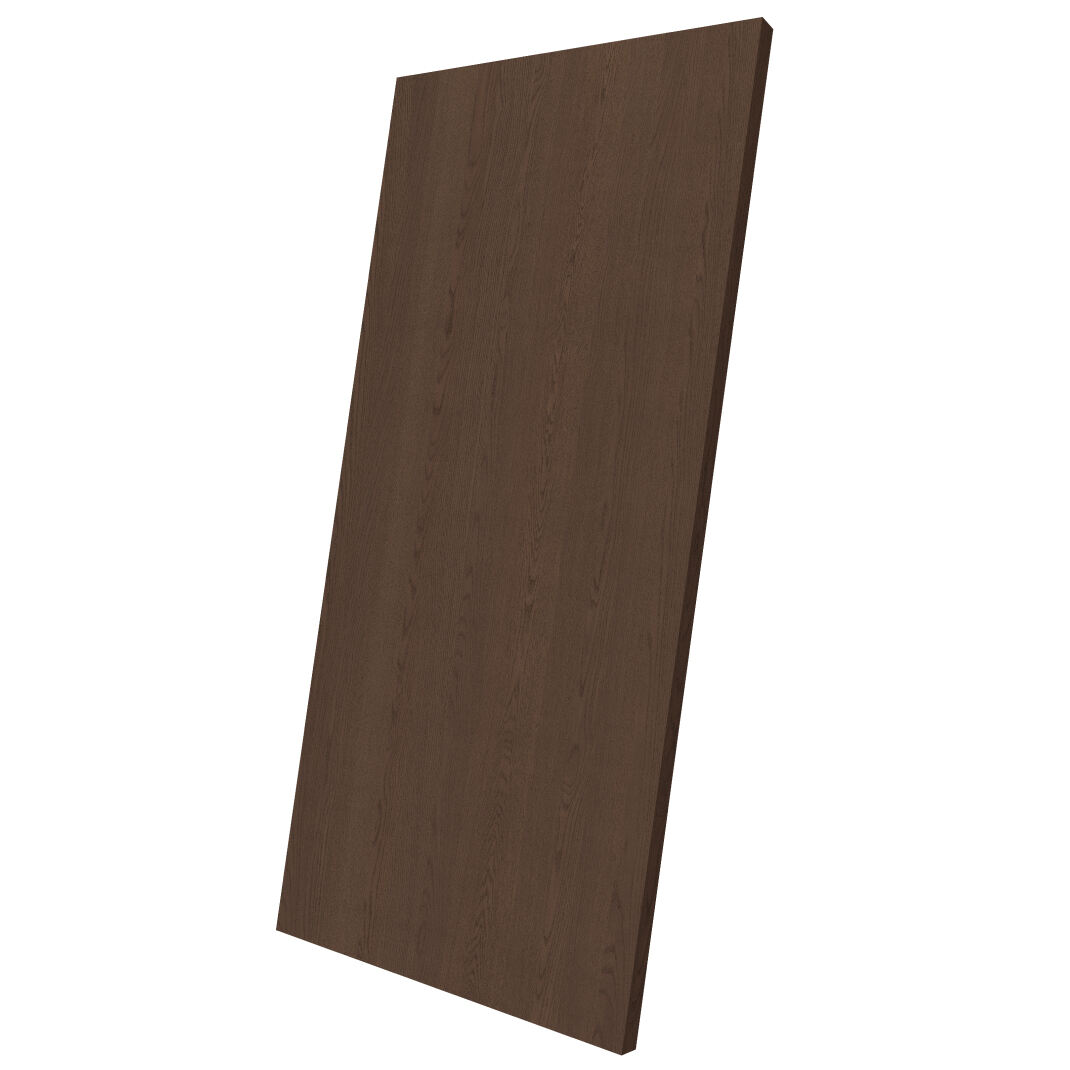
Selecting the right furniture panel for commercial projects is a critical decision that impacts durability, aesthetic appeal, and long-term operational costs. Unlike residential applications where style often takes precedence, commercial environments demand furniture panel solutions that can withstand high traffic, intensive use, and stringent safety regulations while maintaining their visual integrity over years of service. Understanding the quality determinants of furniture panel products enables architects, interior designers, procurement managers, and contractors to make informed decisions that align with project specifications, budget constraints, and performance expectations.
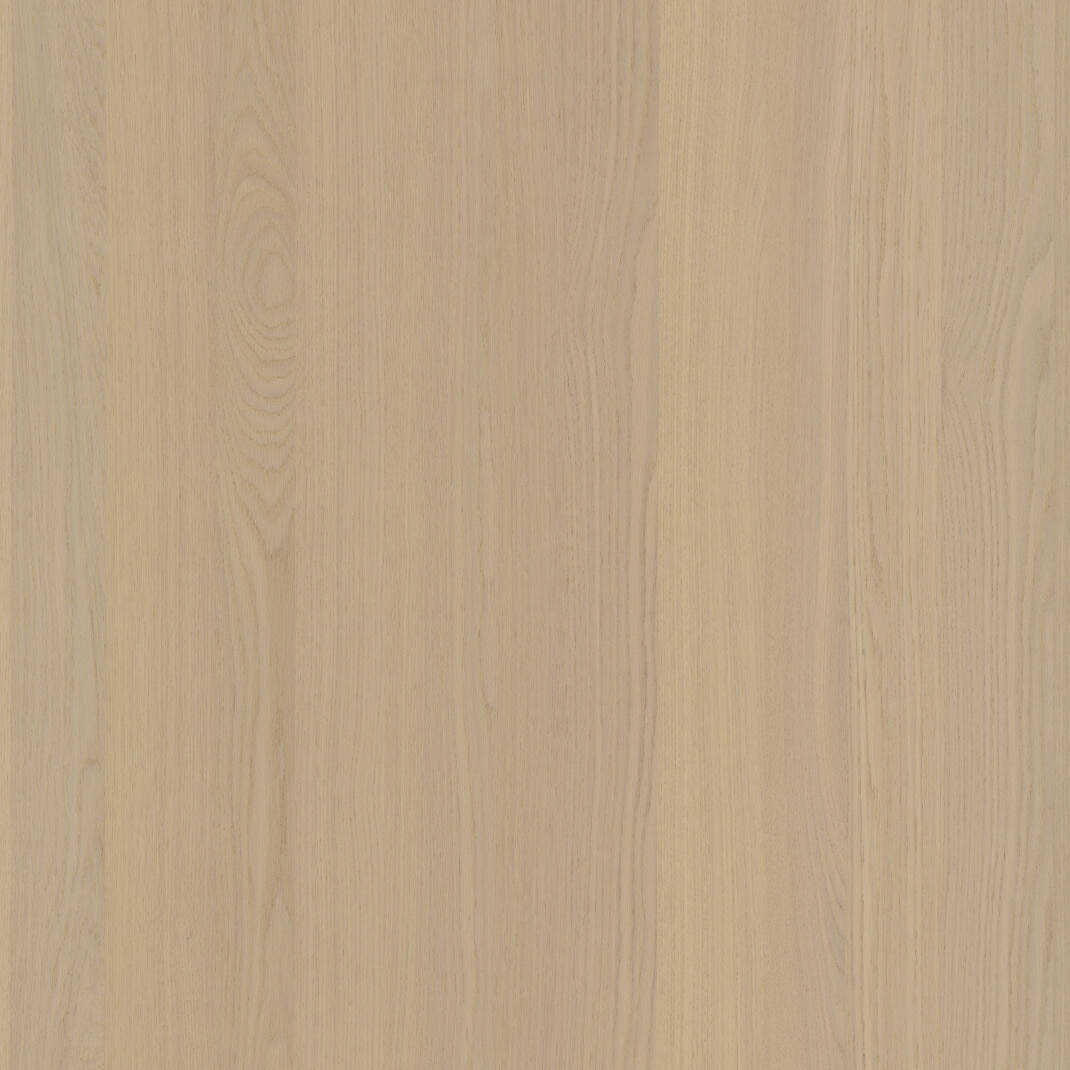
The quality of a furniture panel is determined by multiple interconnected factors ranging from raw material composition and manufacturing precision to surface finishing techniques and environmental performance. Commercial applications such as hospitality venues, corporate offices, healthcare facilities, retail spaces, and educational institutions each present unique operational demands that require careful evaluation of panel characteristics. This comprehensive analysis examines the fundamental quality determinants that separate superior furniture panel products from substandard alternatives, providing decision-makers with actionable knowledge to optimize their material selection process for commercial projects.
Core Material Composition and Structural Integrity
Substrate Quality and Density Considerations
The substrate forms the foundation of any furniture panel and directly influences its structural performance, dimensional stability, and longevity in commercial environments. High-quality furniture panel products typically utilize engineered wood substrates such as medium-density fiberboard, particleboard, or plywood with carefully controlled density ranges that balance weight, strength, and workability. The density specification determines the panel's ability to hold fasteners securely, resist warping under humidity fluctuations, and maintain flatness during installation and throughout its service life. Commercial-grade furniture panel substrates generally feature densities ranging from 680 to 780 kilograms per cubic meter for MDF applications, ensuring sufficient structural integrity without excessive weight that complicates handling and installation.
Material uniformity throughout the furniture panel substrate significantly affects machining quality and surface consistency. Premium manufacturers implement rigorous quality control protocols that ensure homogeneous fiber or particle distribution, eliminating density variations that create weak points or uneven surfaces. This uniformity becomes particularly critical when panels undergo edge profiling, drilling for hardware installation, or complex fabrication processes common in commercial furniture manufacturing. Panels with inconsistent substrate density may exhibit edge chipping, fastener pullout, or surface irregularities that compromise both aesthetic quality and functional performance in demanding commercial applications.
Moisture Resistance and Dimensional Stability
Commercial environments frequently expose furniture panel installations to varying humidity conditions, making moisture resistance a critical quality determinant. High-quality furniture panel products incorporate moisture-resistant additives during substrate manufacturing or utilize inherently stable materials that minimize dimensional changes when exposed to humidity fluctuations. The moisture content at the time of manufacturing, typically maintained between 6 and 9 percent for optimal performance, directly affects the panel's tendency to expand, contract, or warp during service. Manufacturers who maintain precise moisture control during production and storage deliver furniture panel products with predictable dimensional behavior that reduces installation complications and long-term maintenance requirements.
Advanced resin systems and manufacturing processes enhance the moisture resistance characteristics of commercial-grade furniture panel substrates. Melamine-urea-formaldehyde or phenol-formaldehyde resins provide superior moisture resistance compared to standard urea-formaldehyde formulations, making them preferable for applications in high-humidity environments such as hospitality bathrooms, commercial kitchens, or coastal climate installations. The resin content and curing process directly influence the panel's swelling characteristics when exposed to moisture, with higher-quality panels demonstrating minimal thickness swelling rates below 10 percent even after 24-hour water immersion testing according to industry standards.
Adhesive Systems and Bonding Performance
The adhesive system employed in composite furniture panel construction determines the integrity of the bond between substrate and surface layers, directly affecting delamination resistance and long-term durability. Commercial applications demand furniture panel products with superior bonding strength that can withstand thermal cycling, mechanical stress, and environmental exposure without separation between layers. High-quality panels utilize hot-press lamination techniques with properly formulated adhesives that achieve bond strengths exceeding 1.0 megapascals, ensuring the surface veneer or decorative layer remains permanently attached to the substrate throughout the product's service life.
The compatibility between adhesive chemistry and substrate material significantly influences bonding performance and environmental compliance. Modern commercial furniture panel manufacturers increasingly adopt formaldehyde-free adhesive technologies such as polyvinyl acetate, polyurethane, or soy-based systems that deliver excellent bonding performance while meeting stringent emissions regulations. These advanced adhesive formulations not only provide mechanical performance equivalent to traditional systems but also contribute to improved indoor air quality in commercial spaces, addressing growing concerns about volatile organic compound emissions from building materials and furnishings.
Surface Quality and Finishing Characteristics
Veneer Selection and Grading Standards
Natural wood veneer selection represents one of the most visible quality determinants in decorative furniture panel applications for commercial projects. Premium furniture panel products utilize carefully selected veneer grades that exhibit consistent color, minimal defects, and attractive grain patterns appropriate to the design intent. Industry grading standards classify veneers from premium architectural grades with tight specifications for color variation and character marks down to utility grades suitable only for concealed applications. Commercial projects typically specify furniture panel products with veneers in the architectural or custom grades, ensuring visual consistency across large installations while accommodating the natural variation inherent in wood materials.
Veneer thickness directly impacts the furniture panel's ability to withstand refinishing and its overall durability in commercial settings. Quality manufacturers apply veneers ranging from 0.5 to 1.0 millimeters in thickness, providing sufficient material depth to allow for light sanding during installation or future maintenance without cutting through to the substrate. Thicker veneers also resist sand-through during initial finishing operations and provide more pronounced grain texture that enhances visual authenticity. The veneer cutting method, whether rotary-cut, plain-sliced, quarter-sliced, or rift-cut, influences both the appearance and performance characteristics of the finished furniture panel, with different cutting techniques appropriate to specific species and aesthetic objectives.
Surface Preparation and Sanding Protocols
Surface preparation quality fundamentally determines the final appearance and tactile characteristics of furniture panel products. Professional manufacturers implement multi-stage sanding protocols using progressively finer abrasive grits that create perfectly smooth surfaces free from cross-grain scratches, fiber raising, or machine marks. The final sanding grit, typically ranging from 150 to 220 for commercial furniture panel applications, establishes the surface texture that accepts finishing materials uniformly and provides the desired tactile experience. Inadequate surface preparation results in visible defects after finishing application, creating an unprofessional appearance that undermines the perceived quality of commercial installations.
Consistent surface flatness across large furniture panel dimensions requires precision manufacturing equipment and rigorous quality control. Commercial projects often involve expansive panel installations where even minor surface irregularities become visually apparent under directional lighting conditions common in retail, hospitality, and office environments. Premium furniture panel manufacturers utilize wide-belt sanding systems with automated thickness control that maintain flatness tolerances within 0.2 millimeters across entire panel dimensions, ensuring seamless appearance when multiple panels are installed adjacently or when lighting conditions emphasize surface planarity.
Finishing Systems and Protective Coatings
The finishing system applied to furniture panel surfaces dramatically influences durability, maintenance requirements, and aesthetic longevity in commercial applications. High-quality panels incorporate multi-coat finishing systems that include sealers, stains when appropriate, and protective topcoats formulated for commercial performance standards. Catalyzed conversion varnish, polyurethane, or UV-cured coatings provide superior resistance to scratching, chemical exposure, and wear compared to non-catalyzed finishes, making them essential for high-traffic commercial environments. The dry film thickness of applied finishes, typically ranging from 75 to 150 micrometers for commercial furniture panel applications, directly correlates with protective performance and service life.
Advanced finishing technologies such as low-gloss or matte formulations require specialized application techniques to achieve consistent sheen levels across large furniture panel surfaces. Commercial designers increasingly specify low-sheen finishes that minimize glare, conceal minor surface imperfections, and provide contemporary aesthetic appeal. Quality manufacturers employ precision spray application systems with controlled environments that eliminate dust contamination and ensure uniform coating distribution. The curing process, whether ambient, forced-air, or UV-initiated, must be properly executed to achieve full cross-linking of finishing materials, maximizing hardness, chemical resistance, and long-term durability essential for commercial furniture panel installations.
Performance Standards and Compliance Requirements
Physical Durability and Wear Resistance
Commercial furniture panel applications demand exceptional physical durability that exceeds residential performance standards by significant margins. Quality furniture panel products undergo rigorous testing protocols that evaluate scratch resistance, impact resistance, and surface hardness according to industry standards such as ANSI, ASTM, or international equivalents. Surface hardness measurements using pencil hardness tests or more sophisticated indentation testing provide quantitative assessments of coating durability, with commercial-grade furniture panel finishes typically achieving pencil hardness ratings of 2H to 4H that indicate superior resistance to scratching from routine use and maintenance activities.
Abrasion resistance testing simulates the cumulative wear effects of years of commercial use, providing reliable indicators of furniture panel longevity. Taber abraser testing, which measures weight loss after specified rotation cycles under controlled pressure, distinguishes premium furniture panel finishes that maintain appearance integrity from inferior products that show premature wear. Commercial-grade panels should demonstrate minimal visible wear after 500 to 1000 cycles of standardized abrasion testing, ensuring they maintain acceptable appearance throughout typical commercial furniture lifecycles of 10 to 15 years. Impact resistance, evaluated through drop-ball or falling-dart testing, confirms the furniture panel's ability to withstand localized trauma without surface cracking, delamination, or substrate damage.
Environmental Emissions and Indoor Air Quality
Environmental performance has become a critical quality determinant as commercial building standards increasingly emphasize indoor air quality and occupant health. Premium furniture panel manufacturers formulate products that meet or exceed stringent formaldehyde emissions standards such as California Air Resources Board Phase 2 requirements or European E1 classifications. These standards limit formaldehyde emissions to levels that pose minimal health risks even in enclosed commercial environments with limited air exchange. Quality manufacturers provide third-party certification documentation confirming compliance with applicable emissions standards, giving specifiers confidence that furniture panel installations will not compromise indoor environmental quality or contribute to sick building syndrome concerns.
Volatile organic compound emissions from finishing systems represent another significant environmental consideration in furniture panel selection. Low-VOC and zero-VOC finishing technologies have advanced dramatically, enabling manufacturers to deliver furniture panel products with exceptional environmental performance without sacrificing physical durability or aesthetic quality. Commercial projects pursuing green building certifications such as LEED or WELL require detailed documentation of furniture panel emissions characteristics, making manufacturer transparency regarding material composition and environmental testing results essential quality indicators. Products with comprehensive environmental disclosure through Health Product Declarations or Environmental Product Declarations provide specifiers with the information necessary to make informed decisions aligned with project sustainability objectives.
Fire Performance and Safety Compliance
Fire safety requirements vary significantly across commercial occupancy classifications, making flame spread and smoke development characteristics important quality determinants for furniture panel selection. Building codes typically classify interior finishes according to flame spread indices determined through standardized testing such as ASTM E84 or equivalent international standards. Quality furniture panel manufacturers offer products with documented flame spread classifications appropriate to intended applications, with Class A ratings required for most commercial occupancy types and Class B acceptable for limited applications. The substrate material, adhesive system, and surface finishing all influence fire performance, requiring comprehensive product testing rather than assumptions based on individual component characteristics.
Smoke development ratings have gained increased regulatory attention as research has demonstrated that smoke inhalation represents the primary cause of fire-related fatalities in commercial buildings. Premium furniture panel products incorporate materials and finishing systems that minimize smoke generation during combustion, achieving smoke development indices below 450 as measured in standardized tunnel testing. Some jurisdictions or specific project types such as healthcare facilities, educational institutions, or high-rise buildings impose additional fire performance requirements including toxicity testing or specific material prohibitions. Quality manufacturers maintain current knowledge of applicable codes and can provide documentation confirming their furniture panel products meet jurisdiction-specific requirements.
Manufacturing Precision and Quality Control
Dimensional Accuracy and Tolerances
Manufacturing precision directly affects installation efficiency and final appearance quality in commercial furniture panel applications. Quality manufacturers maintain tight dimensional tolerances that ensure panels fit properly within architectural millwork assemblies, align correctly with adjacent surfaces, and accommodate standard hardware without field modifications. Length and width tolerances for commercial furniture panel products typically range from plus or minus 1.5 to 3.0 millimeters depending on panel size, with premium manufacturers achieving tighter tolerances through precision sawing equipment and climate-controlled manufacturing environments that minimize material expansion and contraction during production.
Thickness consistency across individual panels and between production batches enables efficient processing and predictable installation outcomes. Furniture panel thickness variations exceeding 0.3 millimeters create complications during edge banding application, hardware installation, and alignment with adjacent architectural elements. Advanced manufacturing facilities utilize continuous thickness monitoring systems that detect deviations in real-time and adjust processing parameters automatically, ensuring consistent output that meets commercial project requirements. Squareness and edge straightness represent additional dimensional quality factors, with premium furniture panel products exhibiting edge straightness deviations under 0.5 millimeters per linear meter and corner squareness within 1.5 millimeters over standard panel dimensions.
Visual Consistency and Batch Matching
Commercial projects often require multiple furniture panel sheets with consistent appearance characteristics across entire installations spanning hundreds or thousands of square meters. Quality manufacturers implement sophisticated inventory management and production scheduling protocols that ensure panels supplied for specific projects originate from matched production runs with similar veneer characteristics, finish color, and gloss levels. Book-matching or sequence-matching protocols arrange veneers according to their original position in the log, creating symmetrical or continuous grain patterns that enhance visual harmony in prominent installations such as reception areas, executive offices, or feature walls.
Color consistency between furniture panel batches requires careful raw material selection and finishing process control. Natural wood species exhibit inherent color variation between trees, growth regions, and even within individual logs, making perfect color matching impossible without compromise on other quality factors. Professional furniture panel manufacturers communicate realistic expectations regarding natural variation while implementing quality control measures such as spectrophotometric color measurement, controlled lighting evaluation, and statistically validated sampling protocols that minimize perceptible color differences. For projects with critical appearance requirements, manufacturers may offer custom production runs where all panels originate from carefully selected and matched veneer flitches, ensuring maximum visual consistency at premium pricing.
Documentation and Traceability Systems
Comprehensive quality documentation distinguishes professional furniture panel manufacturers from suppliers unable to substantiate performance claims or demonstrate consistent quality. Quality manufacturers maintain detailed records tracking raw material sources, production parameters, quality inspection results, and environmental testing outcomes for every production batch. This documentation enables traceability if performance issues arise and provides specifiers with confidence that supplied furniture panel products meet stated specifications. Chain-of-custody certification for wood materials, required for projects with sustainability mandates, depends on robust documentation systems that track material origins from forest through manufacturing to final delivery.
Third-party certification provides independent verification of furniture panel quality and performance characteristics. Certifications from recognized testing laboratories or industry organizations confirm that products meet specified standards for physical performance, environmental emissions, fire safety, and other critical attributes. Quality manufacturers invest in ongoing third-party testing and maintain current certifications rather than relying on outdated testing or unsubstantiated marketing claims. The availability of comprehensive technical documentation including installation guidelines, maintenance recommendations, and warranty terms indicates manufacturer commitment to quality and customer support throughout the furniture panel lifecycle.
Economic Considerations and Long-Term Value
Initial Cost Versus Lifecycle Performance
While initial material cost represents an obvious consideration in furniture panel selection, commercial projects benefit from lifecycle cost analysis that accounts for durability, maintenance requirements, and replacement intervals. Premium furniture panel products with superior substrate quality, advanced finishing systems, and rigorous manufacturing standards typically command higher initial prices but deliver extended service lives and reduced maintenance costs that provide superior economic value over project lifecycles. Lifecycle cost modeling that incorporates installation labor, anticipated maintenance interventions, and replacement costs often demonstrates that mid-grade or premium furniture panel products deliver lower total ownership costs compared to budget alternatives despite higher purchase prices.
Maintenance requirements significantly impact lifecycle costs for commercial furniture panel installations. Products with durable finishing systems resist staining, require less frequent cleaning, and maintain appearance integrity without refinishing interventions that disrupt operations and incur significant labor costs. Quality furniture panel surfaces withstand routine cleaning with commercial maintenance products without finish degradation, color shift, or gloss loss that necessitate premature replacement. The economic impact of maintenance becomes particularly significant in large commercial installations where even minor percentage increases in maintenance frequency or intensity translate to substantial cost differences over multi-year periods.
Installation Efficiency and Field Performance
Furniture panel quality directly influences installation labor costs and project schedule adherence in commercial construction. Panels with consistent dimensions, flat surfaces, and proper moisture content install efficiently with minimal field adjustments, reducing labor hours and accelerating project completion. Conversely, inferior furniture panel products with dimensional inconsistencies, warping, or surface defects require extensive field correction that increases installation costs and may compromise final appearance quality. Professional contractors recognize that premium furniture panel products often install more efficiently than budget alternatives, potentially offsetting higher material costs through reduced labor expenditures and improved schedule performance.
Field performance characteristics such as machining quality, edge finishing compatibility, and hardware holding capacity affect both installation efficiency and long-term functionality. Quality furniture panel products machine cleanly without edge chipping or tearout, accept adhesives and edge banding materials properly, and hold mechanical fasteners securely throughout repeated assembly and disassembly cycles common in modular commercial furniture systems. The substrate density and consistency directly influence these working characteristics, with premium panels delivering predictable, professional results that meet the exacting standards of commercial installations. Poor machining quality necessitates additional labor for defect correction or results in visible imperfections that diminish installation quality and reflect poorly on all project participants.
Warranty Coverage and Manufacturer Support
Comprehensive warranty coverage indicates manufacturer confidence in furniture panel quality and provides project stakeholders with recourse if products fail to perform as specified. Quality manufacturers offer detailed warranties that clearly define coverage terms, performance standards, exclusions, and claim procedures for their furniture panel products. Commercial-grade warranties typically extend from five to ten years depending on application type and environmental conditions, covering defects in materials and manufacturing while excluding damage from improper installation, maintenance, or use. The financial stability and industry reputation of the furniture panel manufacturer determine the practical value of warranty coverage, as warranties from undercapitalized or transient suppliers provide little protection if claims arise years after installation.
Technical support availability throughout project specification, installation, and maintenance phases represents valuable manufacturer service that extends beyond tangible product characteristics. Quality furniture panel manufacturers maintain experienced technical staff who assist with product selection, provide installation guidance, troubleshoot field issues, and recommend maintenance protocols appropriate to specific applications. This ongoing support relationship proves particularly valuable for complex commercial projects where unforeseen challenges arise or where project teams lack extensive experience with specific furniture panel products. Manufacturers who invest in customer support infrastructure demonstrate commitment to project success and long-term customer relationships rather than transactional business models focused exclusively on volume sales.
FAQ
What density range is optimal for commercial furniture panel substrates?
Commercial-grade furniture panel substrates typically feature densities between 680 and 780 kilograms per cubic meter for medium-density fiberboard applications. This density range provides an optimal balance between structural strength, fastener holding capacity, dimensional stability, and workability for commercial furniture manufacturing. Densities below this range may compromise mechanical performance and durability, while excessive density increases weight, complicates machining operations, and provides minimal performance advantages for most commercial applications. Specific project requirements may justify density variations outside this typical range, but 720 to 750 kilograms per cubic meter represents the most common specification for general commercial furniture panel applications.
How do moisture resistance requirements differ between commercial and residential furniture panel applications?
Commercial environments generally subject furniture panel installations to more severe and sustained moisture exposure compared to residential settings, requiring enhanced moisture resistance characteristics. Commercial applications in hospitality, healthcare, food service, or educational facilities may involve regular cleaning with liquid cleaners, exposure to high humidity conditions, or occasional water contact that would be uncommon in residential environments. Commercial-grade furniture panel products typically incorporate moisture-resistant resin systems, may feature moisture-blocking edge sealing, and demonstrate thickness swelling rates below 10 percent after 24-hour water immersion testing. While residential furniture panel products may perform adequately in protected interior environments, commercial specifications should explicitly require enhanced moisture resistance to ensure adequate durability and dimensional stability throughout anticipated service conditions.
What finishing system characteristics are essential for high-traffic commercial furniture panel installations?
High-traffic commercial applications require furniture panel finishing systems with exceptional scratch resistance, chemical resistance, and durability that significantly exceed residential performance standards. Essential characteristics include catalyzed coating chemistries such as conversion varnish or polyurethane that achieve full cross-linking for maximum hardness, dry film thicknesses between 75 and 150 micrometers that provide adequate protective depth, and surface hardness ratings of 2H to 4H as measured by pencil hardness testing. The finishing system should demonstrate minimal visible wear after 500 to 1000 cycles of Taber abraser testing and resist staining from common commercial cleaning chemicals, food substances, and other contaminants encountered in high-traffic environments. UV-cured finishes offer additional advantages including rapid processing, consistent quality, and excellent physical performance, making them increasingly popular for commercial furniture panel applications.
How should specifiers evaluate furniture panel manufacturer quality and reliability for large commercial projects?
Evaluating furniture panel manufacturer quality requires assessment of multiple factors beyond product specifications and pricing. Key evaluation criteria include manufacturing facility certifications from recognized quality management organizations, availability of third-party testing documentation confirming performance claims, breadth and clarity of warranty coverage, technical support capabilities, and demonstrated experience with comparable commercial projects. Specifiers should request samples from actual production runs rather than specially prepared demonstration pieces, review case studies or references from similar applications, and verify manufacturer financial stability and market tenure. Site visits to manufacturing facilities provide valuable insights into quality control protocols, equipment sophistication, and organizational commitment to consistent quality. For large commercial projects with significant performance or schedule risks, thorough manufacturer evaluation represents prudent due diligence that reduces the likelihood of quality issues or supply disruptions during project execution.
Table of Contents
- Core Material Composition and Structural Integrity
- Surface Quality and Finishing Characteristics
- Performance Standards and Compliance Requirements
- Manufacturing Precision and Quality Control
- Economic Considerations and Long-Term Value
-
FAQ
- What density range is optimal for commercial furniture panel substrates?
- How do moisture resistance requirements differ between commercial and residential furniture panel applications?
- What finishing system characteristics are essential for high-traffic commercial furniture panel installations?
- How should specifiers evaluate furniture panel manufacturer quality and reliability for large commercial projects?
