 EN
EN


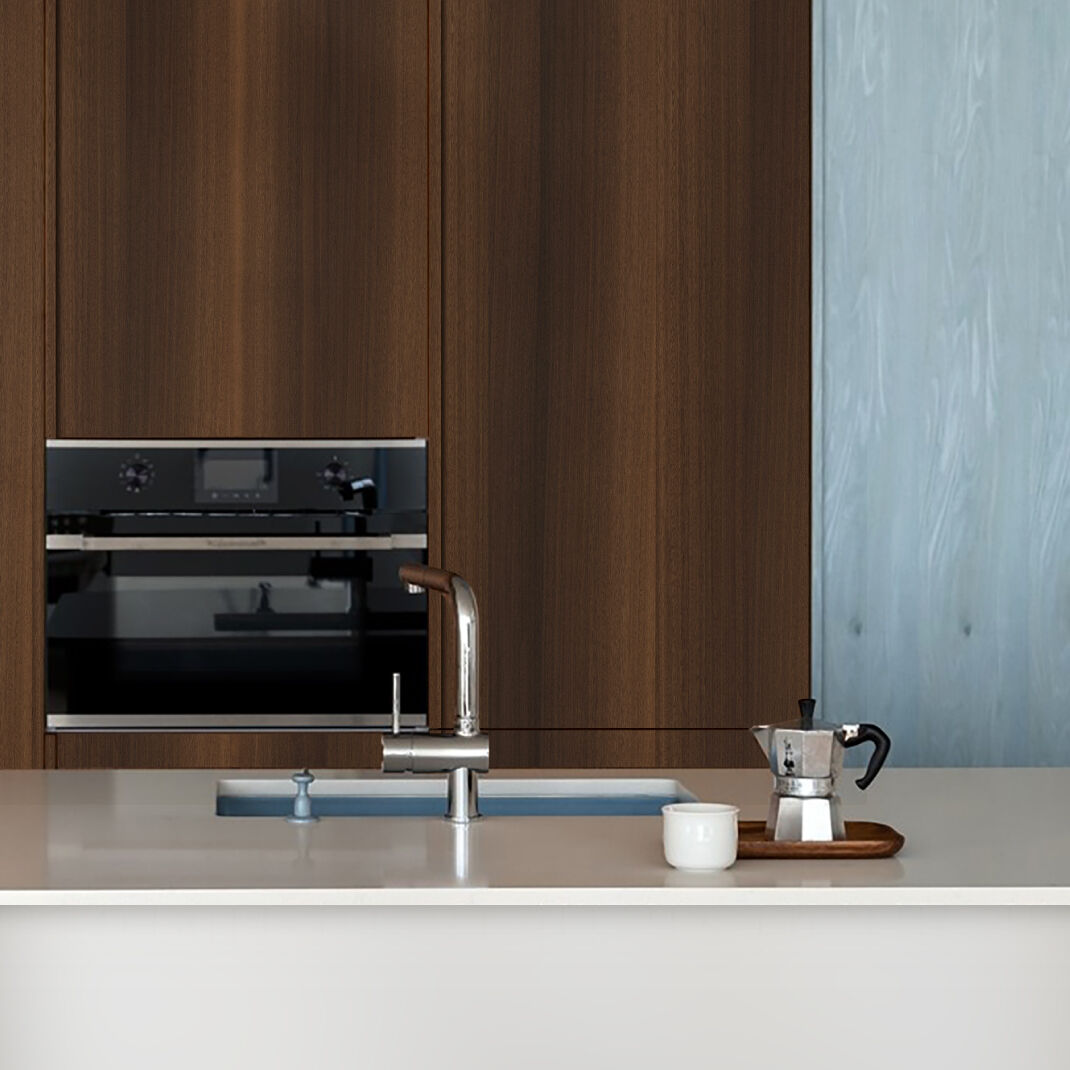
In commercial and residential environments where foot traffic reaches peak levels throughout the day, the question of paint panel durability becomes paramount for architects, contractors, and property managers. High-traffic interior spaces demand materials that can withstand constant wear while maintaining their aesthetic appeal over extended periods. Paint panel durability directly influences maintenance costs, replacement schedules, and overall project success in demanding environments such as office buildings, retail spaces, educational facilities, and hospitality venues.
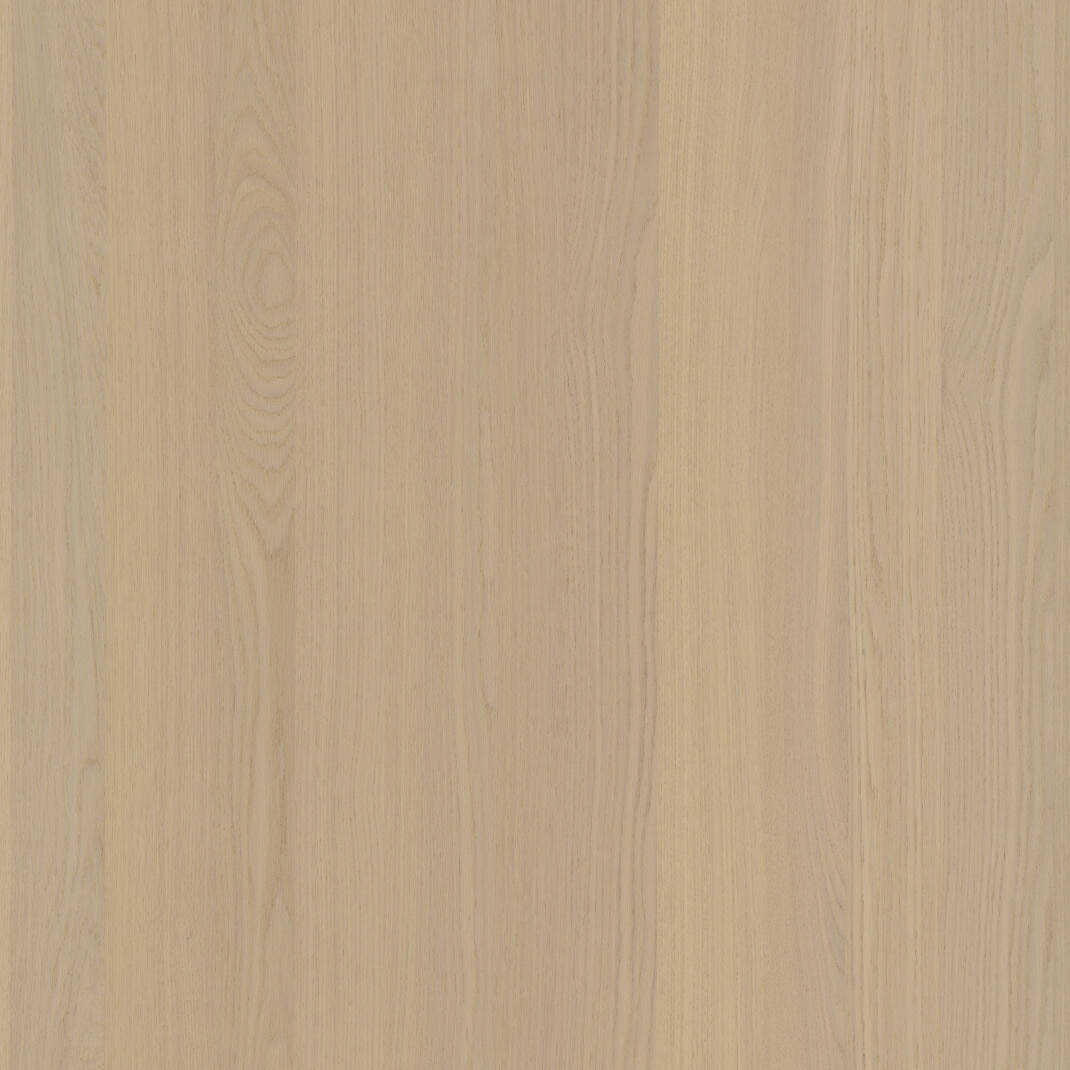
Modern interior design increasingly relies on painted panels that combine visual sophistication with practical functionality. These surfaces must endure daily contact from hands, equipment, furniture movement, and cleaning protocols without showing premature signs of deterioration. Understanding the critical factors that contribute to paint panel durability enables informed decision-making during the specification and procurement phases of interior projects.
Understanding Paint Panel Performance Requirements
Traffic Volume Assessment
Determining the appropriate level of paint panel durability begins with accurately assessing expected traffic patterns within the space. High-traffic areas typically experience more than 500 daily interactions, including direct contact, proximity encounters, and environmental exposure. These interactions create cumulative stress on painted surfaces through abrasion, impact, and chemical exposure from cleaning agents and human contact.
Professional traffic analysis considers peak usage periods, user behavior patterns, and seasonal variations that affect surface wear. Educational institutions, for example, experience intense usage during academic sessions followed by reduced activity during breaks. This cyclical pattern influences how paint panel durability requirements should be evaluated and specified for optimal long-term performance.
Healthcare facilities present unique challenges where paint panel durability must accommodate frequent disinfection protocols alongside constant human traffic. The chemical resistance properties become equally important as mechanical durability, requiring specialized coating formulations that maintain integrity under aggressive cleaning regimens.
Environmental Stress Factors
Beyond human interaction, environmental conditions significantly impact paint panel durability in high-traffic settings. Temperature fluctuations, humidity variations, and air quality conditions create ongoing stress that can accelerate coating degradation. Commercial spaces with intensive HVAC systems often experience rapid environmental changes that challenge paint adhesion and flexibility.
Lighting exposure represents another critical factor affecting paint panel durability over time. High-intensity artificial lighting and natural sunlight can cause photochemical degradation, leading to color fade, chalking, and reduced surface integrity. Specifying UV-resistant formulations becomes essential in spaces with significant light exposure.
Air pollutants, including volatile organic compounds from various sources within the building, can interact with painted surfaces and compromise their durability. Industrial environments or spaces near manufacturing facilities require enhanced chemical resistance to maintain paint panel durability under challenging atmospheric conditions.
Material Selection for Enhanced Durability
Substrate Considerations
The foundation upon which paint systems are applied plays a fundamental role in achieving superior paint panel durability. High-density fiberboard, plywood, and engineered wood products each offer distinct advantages for high-traffic applications. The substrate's dimensional stability, surface smoothness, and moisture resistance directly influence the longevity of applied coatings.
Proper substrate preparation ensures optimal paint adhesion and maximizes paint panel durability potential. Surface cleaning, sanding, and priming create the ideal foundation for long-lasting painted finishes. Inadequate preparation often leads to premature failure regardless of the quality of subsequent coating layers.
Moisture content management in wood substrates significantly affects paint panel durability outcomes. Excessive moisture can cause paint failure through blistering, peeling, and adhesion loss. Kiln-dried materials with appropriate moisture levels provide the stable foundation necessary for demanding high-traffic applications.
Coating Technology Options
Advanced coating technologies have revolutionized paint panel durability capabilities for demanding interior applications. Two-component polyurethane systems offer exceptional hardness and chemical resistance, making them ideal for environments requiring maximum durability. These systems cure to form cross-linked polymer networks that resist wear, impact, and chemical exposure.
Acrylic-based systems provide excellent paint panel durability while offering easier application and maintenance characteristics. Modern acrylic formulations incorporate advanced resins and additives that enhance performance without compromising ease of use. These systems often represent the optimal balance between performance and practicality for many high-traffic applications.
Hybrid coating systems combine multiple resin types to achieve specific performance targets for paint panel durability. These formulations can be customized to address particular environmental challenges while maintaining excellent mechanical properties. The flexibility of hybrid systems makes them particularly suitable for complex high-traffic environments with varying stress factors.
Application Best Practices for Maximum Performance
Surface Preparation Protocols
Achieving optimal paint panel durability requires meticulous attention to surface preparation procedures. Professional-grade cleaning removes all contaminants that could interfere with paint adhesion, including dust, oils, and previous coating residues. The quality of surface preparation often determines whether painted panels will meet their expected service life in high-traffic environments.
Sanding procedures must be tailored to the specific substrate and coating system to optimize paint panel durability. The correct grit sequence ensures adequate surface texture for mechanical adhesion while avoiding damage that could compromise coating performance. Professional applicators understand how different substrates respond to various preparation techniques.
Primer selection and application significantly influence final paint panel durability performance. High-quality primers create a uniform base that promotes adhesion and provides additional protection for the substrate. The primer coat also helps achieve uniform color and finish appearance across the entire painted surface.
Environmental Control During Application
Temperature and humidity control during coating application directly affects curing quality and final paint panel durability. Most professional coating systems specify optimal environmental conditions that must be maintained throughout the application and initial curing period. Deviations from recommended conditions can result in reduced performance and shortened service life.
Air circulation and contamination control prevent defects that could compromise paint panel durability in high-traffic applications. Dust settling during curing creates surface imperfections that become points of wear concentration. Professional application environments maintain clean air conditions throughout the coating process.
Curing time management ensures that coating systems develop their full performance potential before being subjected to service loads. Rushed installation schedules that don't allow adequate curing time often result in premature failure regardless of the quality of materials and application techniques used.
Performance Testing and Quality Assurance
Standardized Testing Methods
Industry-standard testing protocols provide objective measures of paint panel durability for high-traffic applications. Abrasion resistance testing simulates the wear patterns expected in service, providing quantitative data about coating longevity. These tests help specifiers compare different systems and make informed decisions based on performance requirements.
Impact resistance testing evaluates how well painted panels withstand the kinds of mechanical stress common in high-traffic environments. Drop ball tests and Gardner impact measurements provide standardized methods for comparing paint panel durability across different coating systems and application methods.
Chemical resistance testing determines how painted surfaces respond to cleaning agents and other chemicals they may encounter in service. This testing becomes particularly important in healthcare, food service, and industrial environments where aggressive cleaning protocols are necessary for hygiene and safety compliance.
Quality Control Measures
Field quality control procedures ensure that installed painted panels meet specified paint panel durability standards. Visual inspection protocols identify potential issues before they become service problems. Professional installers use standardized checklists to verify that all quality requirements have been met during installation.
Film thickness measurement confirms that adequate coating material has been applied to achieve specified paint panel durability performance. Insufficient film thickness often leads to premature wear and failure in high-traffic applications. Professional measurement tools provide accurate verification of coating thickness across the entire installation.
Adhesion testing using standardized methods verifies the quality of the bond between coating and substrate. Poor adhesion represents one of the most common causes of paint panel durability failure in demanding applications. Early detection through proper testing allows corrective action before widespread problems develop.
Maintenance Strategies for Long-Term Performance
Preventive Maintenance Programs
Proactive maintenance significantly extends paint panel durability in high-traffic environments through regular inspection and minor repairs. Scheduled cleaning using appropriate methods and materials prevents the accumulation of contaminants that can accelerate coating degradation. Professional maintenance programs address small issues before they become major problems requiring complete refinishing.
Touch-up procedures using compatible materials maintain paint panel durability by preventing localized failure points from spreading. Quick response to minor damage prevents moisture intrusion and substrate deterioration that could compromise the entire painted surface. Proper touch-up materials and techniques are essential for maintaining system integrity.
Documentation of maintenance activities creates valuable data about paint panel durability performance over time. This information helps optimize future specifications and maintenance schedules based on actual service experience. Well-maintained records also support warranty claims and lifecycle cost analysis.
Cleaning Protocol Optimization
Appropriate cleaning methods preserve paint panel durability while maintaining hygienic conditions in high-traffic spaces. Different coating systems require specific cleaning approaches to avoid damage while effectively removing soils and contaminants. Professional cleaning protocols balance effectiveness with surface protection to maximize coating life.
Chemical compatibility between cleaning agents and painted surfaces prevents chemical damage that could compromise paint panel durability. Some cleaning products contain solvents or additives that can soften or dissolve certain coating types. Compatibility testing helps identify safe cleaning materials for specific paint systems.
Equipment selection for cleaning operations affects paint panel durability through mechanical action on the surface. Appropriate brushes, cloths, and cleaning tools remove soils without causing abrasion damage. Training cleaning staff in proper techniques ensures consistent results that support long-term coating performance.
Cost-Benefit Analysis of Durable Paint Systems
Initial Investment Considerations
Higher-performance coating systems designed for superior paint panel durability typically require greater initial investment compared to standard formulations. However, the cost differential often represents a small percentage of total project costs while providing significant value through extended service life and reduced maintenance requirements.
Material costs for enhanced paint panel durability systems include premium substrates, specialized primers, and high-performance topcoats. Professional application may also require additional time and expertise, contributing to higher initial costs. These investments must be evaluated against lifecycle benefits to determine overall project value.
Equipment and facility requirements for applying advanced coating systems may exceed those needed for standard paint systems. Specialized spray equipment, environmental controls, and curing facilities represent additional capital requirements that must be factored into project economics when specifying enhanced paint panel durability solutions.
Lifecycle Cost Benefits
Extended service life from superior paint panel durability reduces the frequency of refinishing cycles in high-traffic environments. Typical high-performance systems may provide two to three times the service life of standard coatings, significantly reducing lifecycle costs through deferred replacement and reduced maintenance labor requirements.
Reduced maintenance requirements lower ongoing operational costs associated with paint panel durability systems. Less frequent cleaning, fewer touch-ups, and reduced downtime for maintenance activities provide ongoing cost benefits that accumulate over the service life of the installation.
Avoided costs from premature failure represent significant potential savings when proper paint panel durability systems are specified for demanding applications. Emergency repairs, business interruption, and reputation impacts from failed coatings often far exceed the additional cost of specifying appropriate high-performance systems initially.
FAQ
What factors most significantly impact paint panel durability in high-traffic areas
The most significant factors affecting paint panel durability include traffic volume and patterns, environmental conditions such as temperature and humidity fluctuations, cleaning protocols and chemical exposure, substrate quality and preparation, and coating system selection. Proper assessment of these factors during the specification phase enables optimal system selection for specific applications. Regular maintenance and appropriate cleaning methods also play crucial roles in maximizing the service life of painted panels in demanding environments.
How can I determine the appropriate level of paint panel durability for my specific application
Determining appropriate paint panel durability requirements involves analyzing expected traffic patterns, environmental conditions, maintenance capabilities, and performance expectations. Professional traffic analysis considers peak usage periods, user behavior, and seasonal variations that affect surface wear. Environmental assessment includes temperature fluctuations, humidity levels, lighting exposure, and potential chemical exposure from cleaning or industrial processes. Consulting with coating manufacturers and experienced applicators provides valuable guidance for matching system performance to application requirements.
What maintenance practices best support long-term paint panel durability performance
Effective maintenance for paint panel durability includes regular inspection schedules to identify minor issues before they become major problems, appropriate cleaning protocols using compatible materials and methods, prompt touch-up of damaged areas using matching materials, and documentation of maintenance activities to track performance trends. Professional cleaning staff training ensures consistent application of proper techniques that preserve coating integrity while maintaining cleanliness standards. Preventive maintenance programs typically provide better results at lower cost compared to reactive approaches.
Are premium paint panel durability systems cost-effective for high-traffic applications
Premium paint panel durability systems typically demonstrate excellent cost-effectiveness in high-traffic applications through extended service life, reduced maintenance requirements, and avoided costs from premature failure. While initial investment may be higher, lifecycle cost analysis usually favors high-performance systems in demanding environments. The cost differential for premium systems often represents a small percentage of total project costs while providing significant value through improved performance and reduced operational disruption. Professional lifecycle cost analysis helps quantify these benefits for specific applications.
Table of Contents
- Understanding Paint Panel Performance Requirements
- Material Selection for Enhanced Durability
- Application Best Practices for Maximum Performance
- Performance Testing and Quality Assurance
- Maintenance Strategies for Long-Term Performance
- Cost-Benefit Analysis of Durable Paint Systems
-
FAQ
- What factors most significantly impact paint panel durability in high-traffic areas
- How can I determine the appropriate level of paint panel durability for my specific application
- What maintenance practices best support long-term paint panel durability performance
- Are premium paint panel durability systems cost-effective for high-traffic applications
