 EN
EN


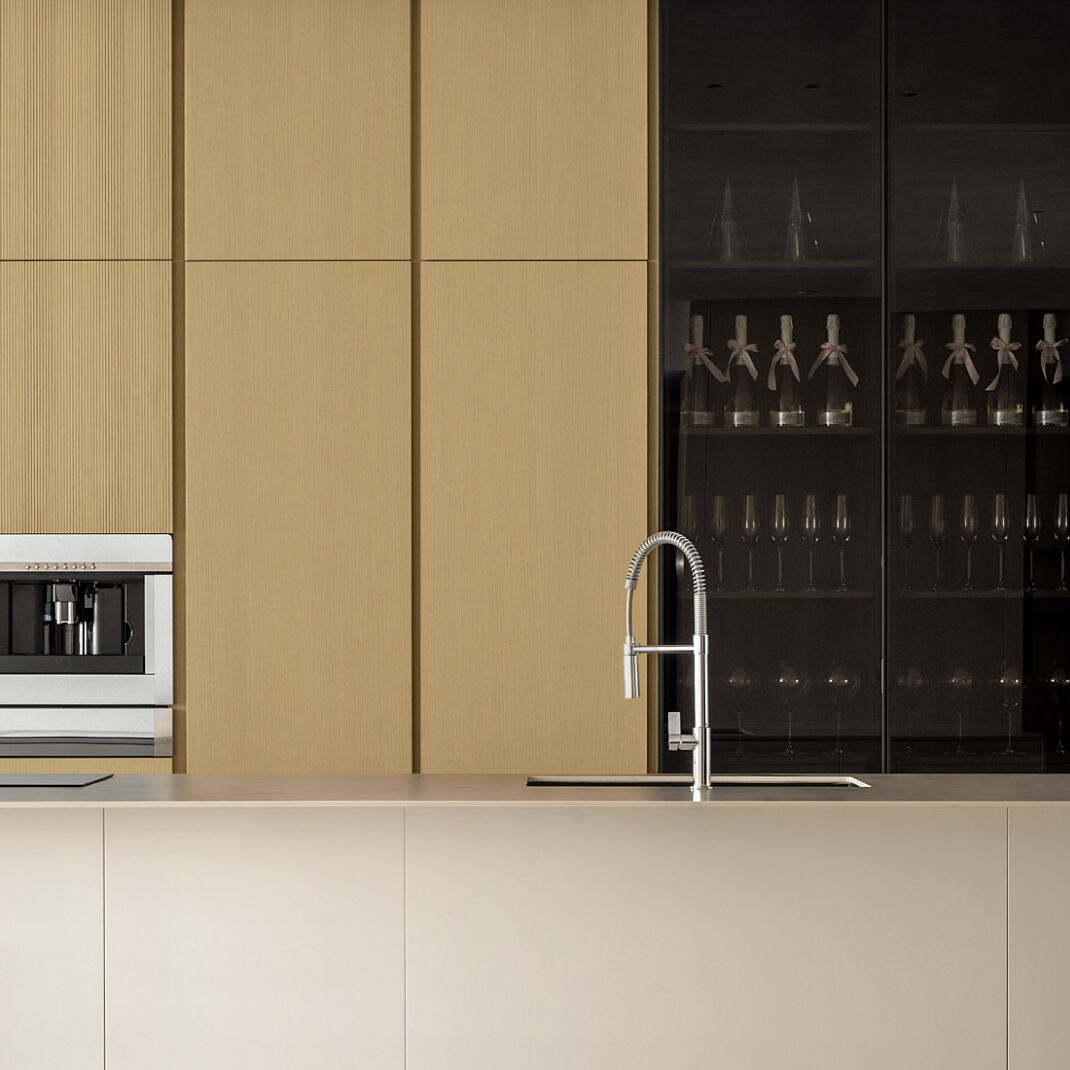
The longevity and visual appeal of interior surfaces depend significantly on the quality and application of protective coatings. A properly applied wood veneer finish serves as the primary barrier between natural wood surfaces and environmental factors that cause deterioration. Understanding how different finishing techniques affect durability can help architects, designers, and contractors make informed decisions about surface treatments that maintain consistent appearance throughout a building's lifecycle. The relationship between finish quality and long-term performance becomes particularly important in commercial and residential applications where aesthetic consistency directly impacts property value.
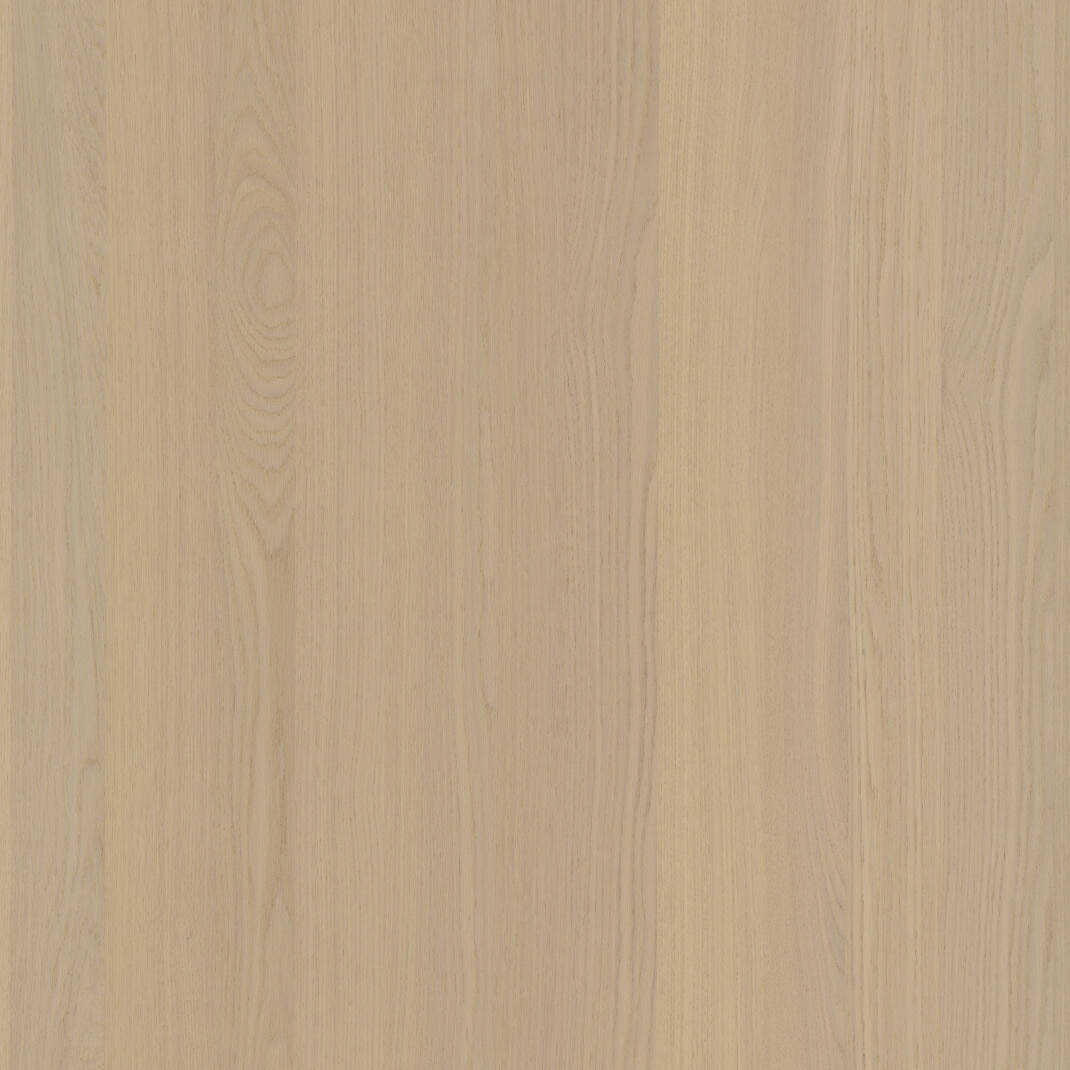
Understanding Wood Veneer Finish Fundamentals
Composition and Chemical Properties
Modern wood veneer finish formulations incorporate advanced polymer technologies that create durable protective barriers against moisture, ultraviolet radiation, and mechanical wear. These specialized coatings typically contain urethane resins, acrylic polymers, and UV stabilizers that work together to prevent color fading and surface degradation. The molecular structure of quality finishes allows for proper adhesion to wood substrates while maintaining flexibility that accommodates natural wood movement. Professional-grade formulations often include anti-oxidants and biocides that prevent microbial growth and extend surface life.
The viscosity and flow characteristics of wood veneer finish products determine application ease and final surface quality. Higher-quality finishes maintain consistent viscosity across temperature variations, ensuring uniform coverage and reducing application defects. Advanced formulations incorporate self-leveling properties that minimize brush marks and roller patterns, creating smooth surfaces that reflect light evenly. These technical properties directly influence the long-term appearance consistency that property owners expect from premium interior surfaces.
Application Methods and Surface Preparation
Proper surface preparation significantly impacts wood veneer finish performance and longevity. Thorough sanding removes surface irregularities and creates optimal adhesion conditions for finish application. The sanding sequence typically progresses from coarse to fine grits, with final sanding using 220-grit or finer abrasives to achieve smooth surfaces. Dust removal between sanding stages prevents contamination that could compromise finish adhesion and create visible defects in the final surface.
Professional application techniques ensure even wood veneer finish distribution and proper film thickness. Spray application provides the most consistent results for large surfaces, while brush and roller methods work well for smaller areas and detail work. Multiple thin coats typically produce better results than single thick applications, allowing each layer to cure properly and build optimal film thickness. Environmental controls during application, including temperature and humidity management, prevent finish defects that could affect long-term appearance consistency.
Factors Affecting Long-Term Appearance Consistency
Environmental Impact on Surface Durability
Temperature fluctuations create expansion and contraction cycles that test the flexibility and adhesion properties of wood veneer finish systems. Quality finishes accommodate these movements without cracking or delaminating, maintaining surface integrity across seasonal changes. High-performance formulations include plasticizers that maintain flexibility at low temperatures and thermal stabilizers that prevent degradation at elevated temperatures. The thermal cycling resistance of professional-grade finishes typically exceeds that of standard coatings by significant margins.
Ultraviolet radiation poses one of the most significant threats to wood veneer finish appearance over time. UV exposure causes photochemical reactions that break down organic compounds in both the finish and underlying wood. Quality finishes incorporate UV absorbers and hindered amine light stabilizers that intercept harmful radiation before it can cause damage. These protective additives work continuously to maintain color stability and prevent the yellowing or fading that commonly affects inferior finish systems.
Maintenance Requirements and Procedures
Regular cleaning protocols help maintain wood veneer finish appearance and extend service life. Appropriate cleaning products remove accumulated dirt and contaminants without damaging the protective film. pH-neutral cleaners work best for routine maintenance, while specialized products address specific staining or contamination issues. Proper cleaning frequency depends on environmental exposure and traffic levels, with high-use areas requiring more frequent attention than low-traffic spaces.
Periodic refinishing maintains optimal protection and appearance when properly timed. Quality wood veneer finish systems typically provide five to ten years of service before requiring renewal, depending on environmental conditions and maintenance practices. Early intervention when minor wear becomes apparent prevents more extensive damage and reduces refinishing costs. Professional assessment helps determine optimal refinishing timing based on actual surface condition rather than arbitrary time intervals.
Comparing Finish Types and Performance Characteristics
Solvent-Based Versus Water-Based Systems
Solvent-based wood veneer finish products traditionally offered superior durability and appearance characteristics, particularly in demanding applications. These formulations penetrate deeply into wood substrates and form hard, dense protective films that resist wear and chemical attack. However, environmental regulations and health considerations have driven development of advanced water-based alternatives that approach solvent-based performance while offering improved safety profiles. Modern water-based systems incorporate sophisticated polymer technologies that deliver excellent durability without traditional solvent-based drawbacks.
Water-based wood veneer finish systems provide faster curing times and reduced odor during application, making them preferred choices for occupied buildings and sensitive environments. These formulations typically have lower volatile organic compound content, supporting green building initiatives and indoor air quality objectives. Advanced water-based systems now offer comparable durability to traditional solvent-based products while maintaining the environmental advantages that make them increasingly popular in commercial and institutional applications.
Specialty Coatings for Enhanced Performance
Ceramic-enhanced wood veneer finish formulations incorporate nano-scale particles that improve scratch resistance and surface hardness. These advanced coatings provide superior protection against mechanical damage while maintaining the natural appearance characteristics that make wood surfaces desirable. The ceramic particles create a harder surface layer that better resists wear from foot traffic, furniture contact, and cleaning activities. This enhanced durability translates to longer maintenance intervals and more consistent appearance over extended service periods.
Antimicrobial wood veneer finish systems address hygiene requirements in healthcare, food service, and educational facilities. These specialized coatings incorporate active ingredients that inhibit bacterial and fungal growth on treated surfaces. The antimicrobial properties remain effective throughout the coating's service life, providing continuous protection against contamination. These systems meet stringent health department requirements while maintaining the aesthetic appeal that makes wood surfaces attractive for commercial applications.
Quality Assessment and Selection Criteria
Testing Standards and Performance Metrics
Industry testing standards provide objective measures of wood veneer finish performance characteristics. Abrasion resistance testing measures surface durability under controlled wear conditions, while adhesion testing evaluates bond strength between the finish and substrate. Chemical resistance testing determines how finishes react to common cleaning products, spills, and environmental contaminants. These standardized tests allow accurate comparison between different product options and help predict long-term performance in specific applications.
Accelerated weathering tests simulate years of environmental exposure in controlled laboratory conditions. These tests subject finish samples to intense UV radiation, temperature cycling, and humidity variations that replicate real-world aging processes. Results from accelerated testing help predict how different wood veneer finish formulations will maintain appearance consistency over extended periods. Quality manufacturers provide detailed test data that supports product selection decisions for specific environmental conditions and performance requirements.
Manufacturer Specifications and Warranties
Comprehensive manufacturer specifications detail application requirements, performance expectations, and maintenance recommendations for wood veneer finish products. These documents typically include surface preparation requirements, application conditions, drying times, and recoat intervals. Quality manufacturers provide detailed technical data sheets that help applicators achieve optimal results and avoid common application errors that could compromise long-term performance. Following manufacturer specifications closely typically ensures warranty coverage and optimal product performance.
Warranty terms reflect manufacturer confidence in wood veneer finish performance and provide protection against premature failure. Quality products typically offer warranties ranging from five to fifteen years, depending on application conditions and maintenance compliance. Warranty coverage usually requires adherence to specified application procedures and maintenance protocols. Understanding warranty terms and requirements helps building owners plan maintenance schedules and budget for long-term surface care expenses.
Cost-Benefit Analysis of Premium Finishes
Initial Investment Considerations
Premium wood veneer finish systems typically cost more initially but often provide superior value over their service life. Higher-quality formulations require fewer recoats and maintenance interventions, reducing long-term costs and disruption to building operations. The initial investment in quality finishes becomes more attractive when considering labor costs, material waste, and business interruption associated with frequent refinishing cycles. Professional cost analysis should include all factors affecting total ownership costs rather than focusing solely on initial material prices.
Labor represents a significant portion of total finishing costs, making durable wood veneer finish systems economically attractive despite higher material costs. Quality finishes that extend service intervals reduce the frequency of labor-intensive preparation and application procedures. The productivity advantages of premium finishes become particularly significant in commercial applications where refinishing work must be coordinated with business operations. Reduced maintenance frequency also minimizes the indirect costs associated with area closures and workflow disruptions.
Long-Term Value and Return on Investment
Consistent appearance maintained through quality wood veneer finish application supports property values and tenant satisfaction. Buildings with well-maintained surfaces command higher rents and sale prices compared to properties showing visible wear and deterioration. The appearance consistency provided by premium finishes contributes to positive first impressions and ongoing satisfaction among building occupants. Property managers increasingly recognize that quality surface treatments provide measurable returns through improved leasing performance and reduced turnover costs.
Energy efficiency benefits result from reflective properties of properly maintained wood veneer finish surfaces. Light-colored finishes help maximize natural lighting effectiveness and reduce artificial lighting requirements. Well-maintained surfaces reflect light more efficiently than worn or damaged finishes, contributing to overall building energy performance. These efficiency gains provide ongoing operational cost savings that enhance the return on investment in quality finishing systems. Green building certification programs often recognize these benefits through points or credits for sustainable surface treatments.
FAQ
How often should wood veneer finish be reapplied for optimal appearance
Quality wood veneer finish systems typically require reapplication every five to ten years, depending on environmental conditions, traffic levels, and maintenance practices. High-traffic commercial areas may need refinishing more frequently than residential applications or low-use spaces. Regular inspection helps determine optimal refinishing timing based on actual surface condition rather than arbitrary schedules. Professional assessment can identify early wear indicators that signal when refinishing should be scheduled to maintain appearance consistency and prevent more extensive damage.
What factors most significantly impact wood veneer finish longevity
Environmental factors including UV exposure, temperature fluctuations, and humidity variations have the greatest impact on wood veneer finish durability. Mechanical wear from foot traffic and furniture contact also significantly affects surface life. Quality of initial application, including proper surface preparation and adherence to manufacturer specifications, strongly influences long-term performance. Regular maintenance using appropriate cleaning products and techniques helps maximize finish life and maintain consistent appearance throughout the service period.
Can damaged wood veneer finish sections be spot-repaired effectively
Spot repairs can address minor damage in wood veneer finish surfaces, but success depends on the extent of damage and skill of the applicator. Small scratches and isolated wear areas often respond well to careful spot treatment using matching finish materials. However, extensive damage or color variations may require complete refinishing to achieve uniform appearance. Professional evaluation helps determine whether spot repair or complete refinishing provides the best results for specific damage conditions and appearance requirements.
How do different wood species affect wood veneer finish performance
Different wood species have varying porosity, grain patterns, and natural extractives that can affect wood veneer finish adhesion and appearance. Dense hardwoods typically provide excellent substrates for finish application, while softer species may require special preparation or primer coats. Some species contain natural oils or extractives that can interfere with finish curing or cause discoloration over time. Understanding species-specific characteristics helps select appropriate finishing systems and application procedures that ensure optimal long-term performance and appearance consistency.
