 EN
EN


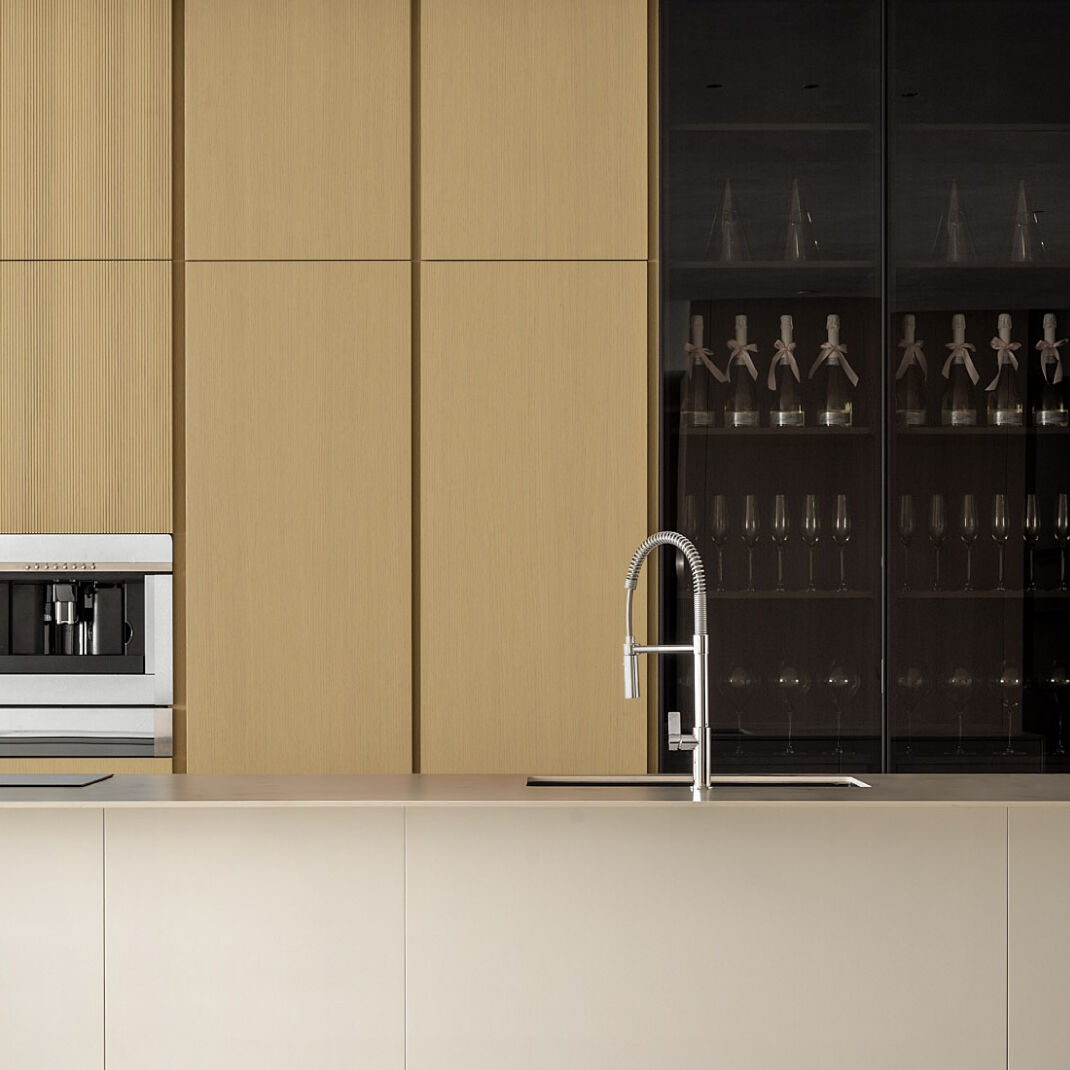
The longevity and aesthetic appeal of furniture hinge critically on the design principles embedded within the furniture panel itself. Far beyond mere material selection, the way a furniture panel is engineered—from core construction to surface treatment—directly determines how well it withstands daily wear, moisture exposure, impact stress, and environmental fluctuations. Understanding the relationship between design methodology and performance outcomes enables manufacturers, architects, and designers to make informed decisions that balance cost, functionality, and visual quality across residential, commercial, and industrial applications.
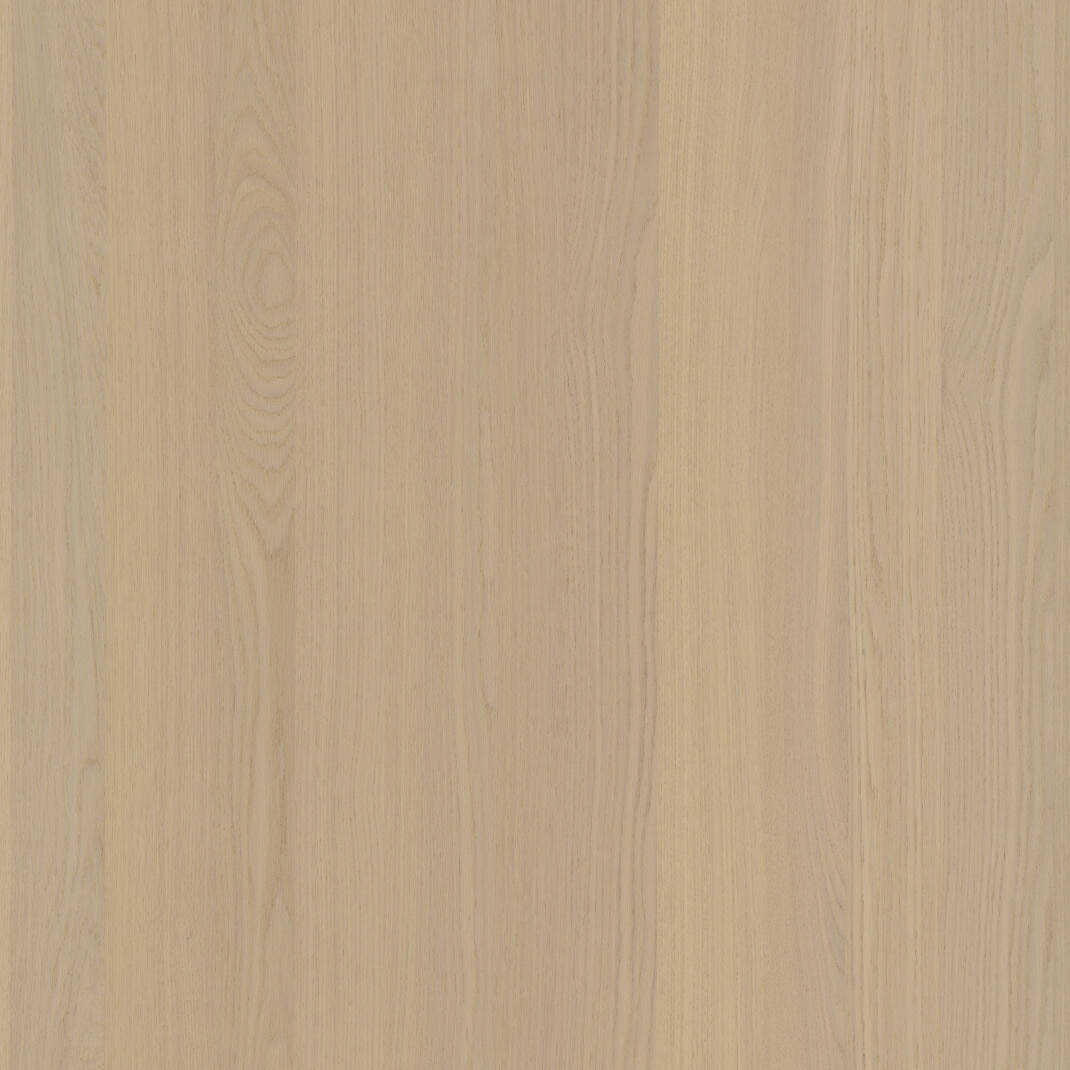
Modern furniture panel design has evolved to address the most common failure modes observed in real-world usage: surface delamination, edge chipping, moisture swelling, UV degradation, and finish wear. By integrating layered structural engineering, optimized adhesive systems, protective coatings, and edge-sealing techniques, manufacturers can significantly extend service life while maintaining the tactile and visual qualities that consumers demand. This article explores the specific design mechanisms that enhance both durability and surface performance, providing practical insights into how thoughtful engineering translates into measurable product improvements.
Structural Core Design and Its Impact on Mechanical Durability
Engineered Core Materials and Load Distribution
The core of a furniture panel functions as the structural foundation that resists bending, compression, and shear forces during use. Engineered cores such as medium-density fiberboard (MDF), particleboard, plywood, and blockboard each distribute loads differently based on their internal architecture. MDF cores offer uniform density throughout, which prevents localized weak points and ensures consistent screw-holding capacity across the entire panel surface. This uniformity is critical for furniture that requires repeated assembly and disassembly, as fastener zones experience cyclic stress that can cause conventional boards to strip or crack.
Plywood cores, with their cross-laminated veneer layers, provide superior dimensional stability and resistance to warping under fluctuating humidity conditions. The perpendicular grain orientation in alternating layers counteracts the natural expansion and contraction tendencies of wood, maintaining flatness over time. For furniture panel applications subjected to heavy loads—such as worktops, shelving, and table surfaces—plywood cores deliver higher bending strength per unit weight compared to particleboard alternatives. This structural advantage translates directly into longer service life and reduced sagging, particularly in spans exceeding 600 millimeters.
Density Gradation and Impact Resistance
Advanced furniture panel designs increasingly incorporate density gradation within the core structure, where the outer layers feature higher density than the interior zones. This gradient profile concentrates strength where it matters most—at the surface—while maintaining a lighter overall panel weight. Higher-density surface layers absorb impact energy more effectively, reducing the likelihood of denting or surface cracking when objects strike the panel. This design principle is particularly valuable in commercial environments where furniture endures frequent contact with equipment, carts, or heavy items.
The density profile also influences how well a furniture panel resists screw pull-out and edge deformation. By positioning denser material near the panel edges, manufacturers create stronger anchor points for hardware attachment, which is essential for door hinges, drawer slides, and structural connectors. This strategic material distribution allows the panel to maintain its integrity even after years of door swings or drawer cycles, preventing the loosening and misalignment that commonly occur in homogeneous low-density boards.
Surface Treatment Systems That Enhance Wear Resistance
Multi-Layer Coating Architecture
The surface performance of a furniture panel depends heavily on the coating system applied during manufacture. Modern high-performance panels employ multi-layer coating architectures that separate functional responsibilities across distinct strata. A typical system begins with a sealer layer that penetrates the substrate to block moisture ingress and create a uniform foundation. Above this sits a pigmented or decorative layer that provides color and pattern, followed by one or more transparent topcoats engineered for hardness, scratch resistance, and UV stability.
Each layer serves a specific durability function. The sealer prevents moisture from reaching the core material, which would otherwise cause swelling, edge expansion, and eventual delamination. The decorative layer is formulated to resist photodegradation, ensuring that wood grains, solid colors, or printed patterns maintain their appearance under prolonged light exposure. The topcoat layer incorporates wear-resistant additives such as aluminum oxide or ceramic particles that create a hard, smooth surface capable of withstanding abrasion from cleaning cloths, sliding objects, and daily contact. This layered approach to furniture panel finishing delivers performance far superior to single-coat systems.
Advanced Resin Technologies and Crosslinking Density
The chemical composition of surface resins fundamentally determines how well a furniture panel resists scratches, stains, and chemical exposure. Traditional melamine-formaldehyde resins offer basic protection but are vulnerable to scratching and show limited resistance to household chemicals. Advanced acrylic-urethane and polyurethane resin systems create denser molecular crosslinking during curing, resulting in surfaces with significantly higher Mohs hardness ratings. These high-crosslink-density coatings withstand steel wool abrasion, resist acetone and alcohol-based cleaners, and maintain gloss retention even after years of cleaning cycles.
UV-cured coatings represent another advancement in furniture panel surface engineering. Unlike thermally cured systems that require extended drying times and can trap solvents within the coating matrix, UV-cured finishes polymerize almost instantly when exposed to ultraviolet radiation. This rapid curing produces an extremely dense molecular structure with minimal porosity, creating a barrier that prevents moisture penetration, stain absorption, and bacterial colonization. The resulting surface exhibits superior hygiene characteristics alongside mechanical durability, making UV-cured furniture panels ideal for healthcare, hospitality, and food-service applications.
Edge Design Strategies for Comprehensive Panel Protection
Edge Sealing and Moisture Barrier Integration
Panel edges represent the most vulnerable zones in furniture panel construction, as they expose the porous core material directly to environmental moisture and physical impacts. Effective edge design incorporates comprehensive sealing strategies that prevent moisture infiltration while providing impact resistance. Hot-melt polyurethane edge banding creates a continuous moisture barrier when properly applied with edge pre-treatment, effectively encapsulating the core and preventing the swelling that leads to joint failure and finish cracking.
Advanced furniture panel manufacturers now employ edge pre-sealing processes before applying visible edge treatments. This involves applying a low-viscosity sealant to the raw edge that penetrates several millimeters into the exposed core material, creating a hardened protective zone. When subsequent edge banding or solid wood lipping is applied, this pre-sealed zone prevents moisture from wicking into the panel even if the visible edge treatment develops microscopic gaps or separations over time. This dual-layer edge protection strategy dramatically extends the service life of furniture panels in humid environments or areas subject to spill exposure.
Structural Edge Reinforcement Techniques
Beyond moisture protection, edge design significantly influences how furniture panel constructions resist impact damage and maintain dimensional accuracy. Thick PVC or ABS edge banding (2-3 millimeters) not only seals the edge but also absorbs impact energy that would otherwise transfer directly to the brittle core material. This cushioning effect reduces chipping and corner damage in high-traffic applications such as retail fixtures, office workstations, and institutional furniture.
For premium furniture panel applications, solid wood edge lipping provides both aesthetic refinement and superior structural performance. When properly joined with tongue-and-groove or biscuit joinery and high-strength adhesives, solid wood edges create a damage-resistant perimeter that can be sanded and refinished multiple times throughout the furniture's life cycle. This edge reinforcement strategy is particularly valuable for tabletops, desk surfaces, and shelving units where edge quality directly affects perceived value and longevity. The combination of a stable engineered core with solid wood edges marries the dimensional consistency of manufactured panels with the durability and repairability of traditional solid wood construction.
Integrated Design Approaches for Enhanced Surface Performance
Texture Coordination with Functional Requirements
Surface texture selection in furniture panel design extends beyond aesthetic preference to directly influence practical performance characteristics. Deeply embossed textures that replicate natural wood grain provide visual authenticity while simultaneously offering functional advantages. The three-dimensional surface topography disguises minor scratches and wear marks that would be highly visible on smooth high-gloss surfaces, extending the apparent service life in consumer perception. These textured surfaces also reduce glare and reflections, which is advantageous in office environments where monitor visibility and eye comfort are priorities.
However, texture depth must be carefully calibrated to cleaning requirements and intended use patterns. Furniture panel surfaces for healthcare or food preparation environments require relatively smooth textures that prevent soil accumulation in surface depressions while maintaining easy cleanability with standard disinfection protocols. Conversely, residential furniture panels benefit from more pronounced texturing that enhances tactile appeal and masks the inevitable wear patterns from daily use. The optimal texture design balances aesthetic objectives with maintenance realities and hygiene requirements specific to the application context.
Finish Sheen and Long-Term Appearance Retention
The sheen level of a furniture panel finish—whether matte, satin, semi-gloss, or high-gloss—profoundly affects both initial visual impact and long-term appearance retention. High-gloss finishes deliver maximum color depth and visual drama but show scratches, fingerprints, and wear patterns more readily than lower-sheen alternatives. The microscopic surface irregularities that develop through normal use scatter light on glossy surfaces, creating visible dulling in high-contact areas. This phenomenon, known as burnishing, progressively degrades the uniform appearance of glossy furniture panels over time.
Matte and satin finishes incorporate microscopic surface texturing or flattening agents that diffuse reflected light, creating a more forgiving surface that maintains visual consistency despite minor wear. These lower-sheen furniture panel finishes are particularly appropriate for commercial applications where maintenance resources are limited and appearance consistency across large installations is critical. The slight reduction in initial visual impact is offset by dramatically improved long-term appearance retention, reducing the need for premature replacement due to aesthetic deterioration rather than structural failure. Strategic sheen selection aligned with usage expectations and maintenance capabilities represents a key design decision that influences total cost of ownership and user satisfaction throughout the furniture's lifecycle.
Adhesive Systems and Delamination Prevention
Core-to-Veneer Bonding Technology
The adhesive interface between a furniture panel core and its decorative surface layer constitutes a critical failure point that design must address to ensure long-term durability. Traditional urea-formaldehyde adhesives provide adequate bonding under stable conditions but exhibit reduced performance when exposed to elevated moisture or temperature cycling. Modern high-performance furniture panels utilize polyvinyl acetate (PVA) or polyurethane adhesive systems that maintain bond strength across wider environmental ranges and resist the creep deformation that causes gradual delamination.
The adhesive application method also significantly influences bonding reliability. Roller-coating systems that apply uniform adhesive layers across the entire panel surface ensure consistent bond-line thickness and eliminate the dry spots or adhesive-starved zones that initiate delamination. Press pressure and temperature profiles during bonding must be carefully controlled to achieve complete adhesive cure and optimal penetration into both the core substrate and the back of the decorative veneer or laminate. Insufficient pressure produces weak bonds that fail under stress, while excessive pressure can cause adhesive squeeze-out that creates hard spots and surface telegraphing.
Thermal Expansion Compatibility
A frequently overlooked aspect of furniture panel design is the thermal expansion compatibility between core materials and surface treatments. Wood-based cores expand and contract with moisture changes, while rigid surface laminates or thick paint films exhibit different dimensional responses to environmental fluctuations. When these materials are bonded together without adequate flexibility in the adhesive layer or surface coating, internal stresses develop that manifest as surface cracking, checking, or delamination.
Advanced furniture panel designs address this challenge through several approaches. Flexible adhesive formulations that accommodate differential movement without losing bond strength allow the composite structure to respond to environmental changes as a unified system rather than fighting internal stress. Alternatively, surface coatings can be formulated with controlled flexibility that permits micromovement without visible cracking. Some high-performance furniture panel systems incorporate stress-relief layers—thin compliant materials positioned between the rigid core and surface veneer—that absorb differential expansion forces. These design refinements prevent the premature failures that occur when rigid material systems are forced to behave as monolithic structures despite their inherent incompatibility.
FAQ
What makes a furniture panel more durable than solid wood in certain applications?
Engineered furniture panels offer superior dimensional stability compared to solid wood because their cross-layered or particulate structure counteracts the natural expansion and contraction tendencies of wood fibers. While solid wood can warp, cup, or split with moisture changes, properly designed furniture panels maintain flatness and dimensional accuracy across varying humidity conditions. Additionally, furniture panels can be engineered with specific performance characteristics—such as moisture resistance or fire retardancy—that are difficult or impossible to achieve with solid wood alone. The consistent quality of manufactured panels also eliminates the natural defects like knots, splits, and grain irregularities that create weak points in solid wood components.
How does surface coating thickness affect furniture panel performance?
Coating thickness represents a critical balance in furniture panel design. Thicker coatings generally provide better scratch resistance, moisture barriers, and impact protection, as there is more material to absorb wear before reaching the substrate. However, excessively thick coatings can become brittle and are more prone to cracking or chipping if the underlying substrate flexes. They also require longer curing times and increase material costs. Optimal furniture panel coatings typically range from 80 to 150 microns total thickness across all layers, providing adequate protection while maintaining flexibility to accommodate minor substrate movement. Premium furniture panels may use thicker coatings in the 180-250 micron range for applications requiring maximum durability, though these systems require careful formulation to prevent brittleness issues.
Why do furniture panel edges fail before surface areas in many installations?
Edge failure occurs disproportionately because edges represent the transition zone where the protective surface coating terminates and the porous core material is most exposed to environmental factors. Even with edge banding, microscopic gaps or imperfect adhesion allow moisture to contact the hygroscopic core material, causing localized swelling that stresses the edge treatment and accelerates delamination. Edges also experience higher mechanical stress concentrations during impacts, as forces cannot dissipate across a broad area as they do on flat surfaces. Furthermore, manufacturing tolerances and application techniques for edge treatments are generally less controlled than face surface finishing, resulting in more variable quality. Effective furniture panel edge design requires integrated moisture barriers, impact-resistant materials, and quality application processes that match the protection level provided to face surfaces.
Can furniture panel design compensate for lower-grade core materials?
While sophisticated surface treatments and edge sealing can significantly improve the performance of economy-grade core materials, fundamental limitations cannot be fully overcome through design alone. Lower-density cores inherently provide less mechanical strength, reduced screw-holding capacity, and greater vulnerability to moisture-induced swelling regardless of surface protection quality. A furniture panel built on a weak foundation will eventually exhibit failures that surface engineering cannot prevent—such as structural sagging, fastener pull-out, or core crushing under load concentration. That said, thoughtful design can extend the viable service life of mid-grade materials considerably and make them suitable for applications where premium cores would be economically unjustifiable. The key is matching core quality to performance requirements and using design enhancements to bridge reasonable gaps rather than attempting to transform unsuitable materials into high-performance products through surface treatments alone.
Table of Contents
- Structural Core Design and Its Impact on Mechanical Durability
- Surface Treatment Systems That Enhance Wear Resistance
- Edge Design Strategies for Comprehensive Panel Protection
- Integrated Design Approaches for Enhanced Surface Performance
- Adhesive Systems and Delamination Prevention
-
FAQ
- What makes a furniture panel more durable than solid wood in certain applications?
- How does surface coating thickness affect furniture panel performance?
- Why do furniture panel edges fail before surface areas in many installations?
- Can furniture panel design compensate for lower-grade core materials?
