 EN
EN


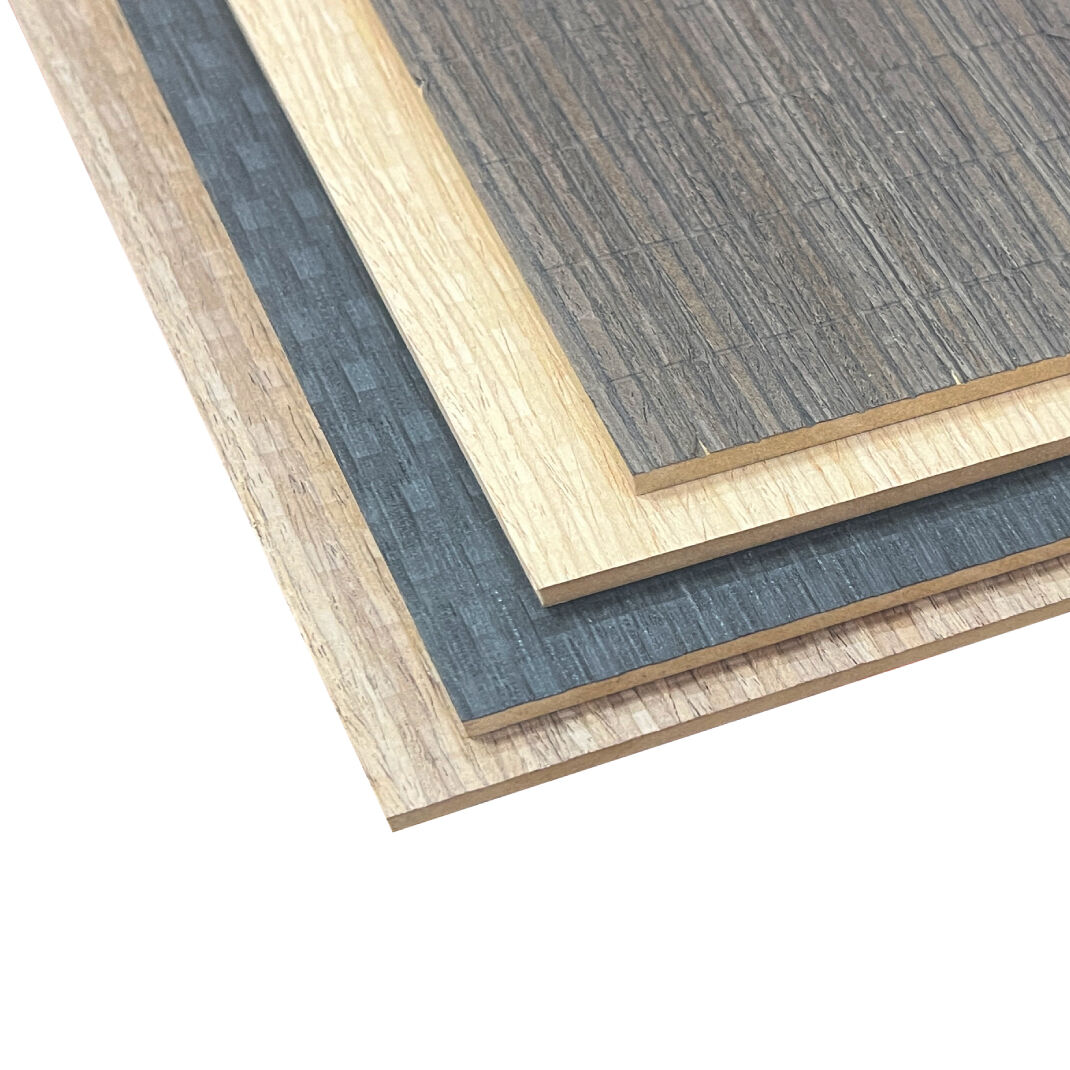
In an era dominated by engineered composites and synthetic surfaces, the solid wood panel continues to hold a distinguished place in contemporary design projects. Architects, interior designers, and furniture makers consistently return to solid wood panel as a material that communicates quality, authenticity, and permanence. The question is not whether solid wood panel can compete with modern alternatives, but rather why it consistently outperforms them in the categories that matter most to discerning design professionals.
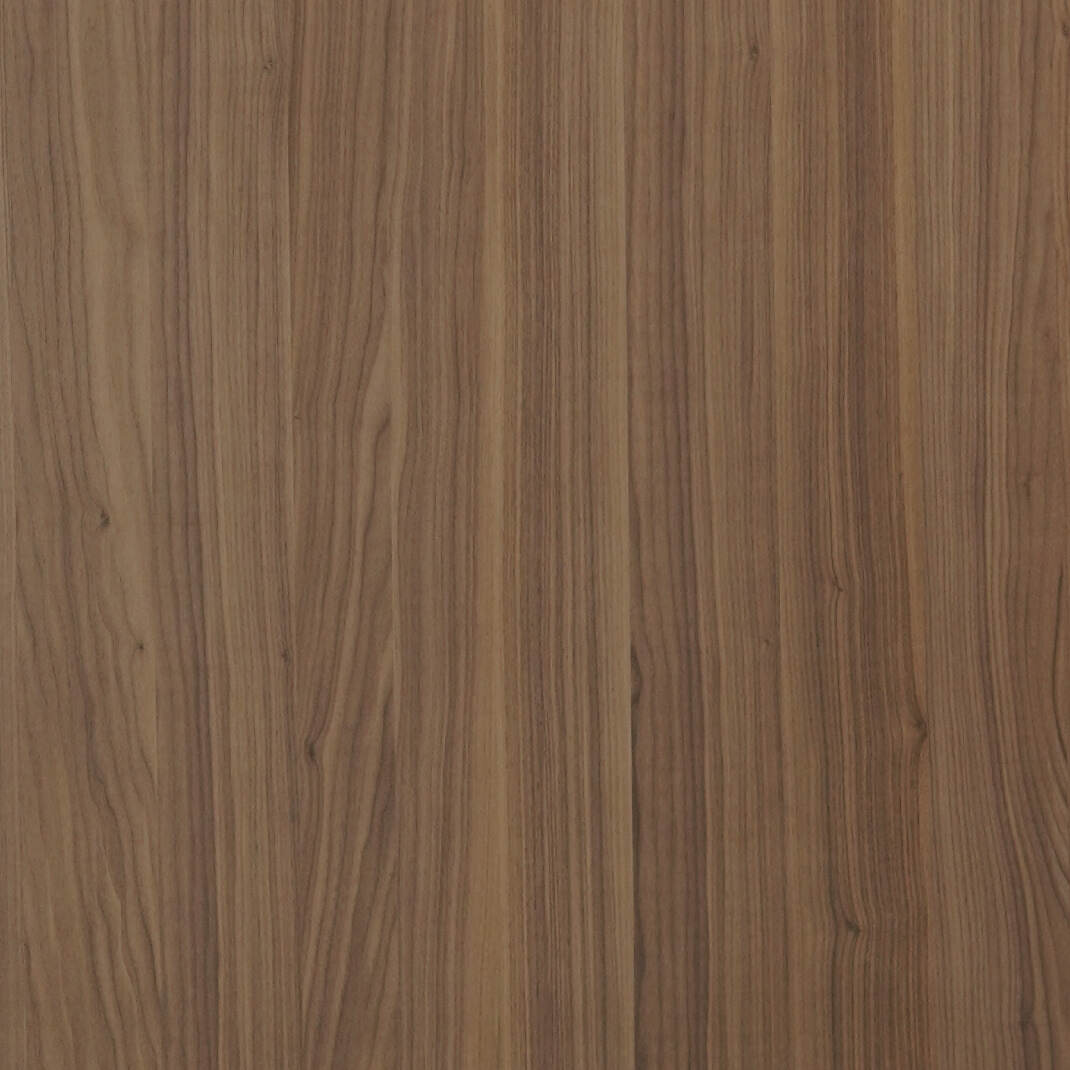
The relevance of solid wood panel in today's design landscape is not simply nostalgia. Every solid wood panel brings a unique grain pattern, natural warmth, and tactile depth that no manufactured material can fully replicate. As contemporary spaces increasingly prioritize wellness, biophilic design, and material honesty, the solid wood panel has become more strategically important than ever. Understanding why solid wood panel remains relevant requires examining its aesthetic value, structural performance, and its alignment with sustainable design principles.
The Aesthetic Power of Solid Wood Panel
Natural Beauty That Synthetic Materials Cannot Match
Every solid wood panel carries a visual identity shaped by decades of natural growth. The grain lines, color variation, and surface texture of a solid wood panel are entirely unique, making each installation a one-of-a-kind design statement. In residential interiors, a solid wood panel wall or flooring surface creates visual warmth and depth that instantly elevates the perceived quality of a space. In commercial environments, solid wood panel communicates craftsmanship and attention to detail that resonates with high-end clientele.
Contemporary design trends have moved deliberately toward natural materials and honest finishes. A solid wood panel fits seamlessly into this movement because it requires no imitation and makes no false claims. The character of a solid wood panel is inherent and self-evident. Designers who work with solid wood panel regularly cite the material's ability to anchor a room, provide visual contrast against minimalist surfaces, and age gracefully over time. No synthetic alternative can match the way a solid wood panel evolves with its environment.
Versatility Across Design Styles
One reason solid wood panel remains so relevant is its ability to adapt across radically different design styles. A solid wood panel with a brushed or hand-scraped finish suits rustic and industrial aesthetics, while a solid wood panel with a fine-sanded, lacquered surface performs equally well in sleek modern interiors. Designers applying solid wood panel in Scandinavian-style spaces appreciate its lightness and grain clarity, whereas those working in warmer Mediterranean-influenced designs value the richness that a dark-toned solid wood panel provides. This versatility makes solid wood panel a permanent fixture in the designer's material palette.
Structural Integrity and Long-Term Performance
Why Solid Wood Panel Outperforms Cheaper Alternatives
Beyond aesthetics, the solid wood panel delivers a level of structural integrity that many competing materials simply cannot sustain over the long term. A quality solid wood panel, particularly a multi-layer engineered solid wood panel, resists warping, cracking, and delamination far more effectively than single-ply or surface-printed boards. For flooring, cabinetry, and furniture construction, a solid wood panel provides load-bearing capacity and dimensional stability that justify its selection in demanding applications. Contractors and builders who specify solid wood panel consistently report fewer callbacks and a longer service life compared to lower-cost alternatives.
The five-layer construction format, for example, represents a significant engineering advancement in solid wood panel technology. By cross-laminating multiple layers of genuine wood, the five-layer solid wood panel distributes stress across the panel body, dramatically reducing the dimensional movement caused by humidity and temperature changes. This makes a multi-layer solid wood panel suitable for underfloor heating systems, high-traffic commercial floors, and kitchens or bathrooms where moisture resistance is a critical requirement. The structural logic of a well-engineered solid wood panel makes it one of the most reliable choices available in contemporary construction.
Repairability and Lifespan Advantages
One often-overlooked advantage of solid wood panel is its repairability. When a solid wood panel surface becomes scratched or worn, it can be sanded and refinished to restore its original appearance. This capability is simply unavailable with laminate or vinyl alternatives, which must be replaced entirely when damaged. For design projects with long operational lifespans, such as hotels, restaurants, or luxury residences, the ability to maintain and restore a solid wood panel represents a significant cost and sustainability advantage. A solid wood panel that is properly maintained can remain functional and beautiful for generations.
Solid Wood Panel and Sustainable Design Values
How Solid Wood Panel Aligns With Green Building Goals
Sustainability is no longer a peripheral concern in contemporary design. It is a primary decision driver for many project teams, clients, and building certification programs. The solid wood panel aligns strongly with sustainable design values when it is responsibly sourced. A certified solid wood panel produced from forests managed under recognized sustainability standards stores carbon throughout its service life, contributes to healthier indoor air quality compared to heavily processed alternatives, and is fully biodegradable at the end of its useful life. For projects targeting green building certifications, specifying a responsibly sourced solid wood panel can contribute directly to material and resource credits.
Additionally, the longevity of a solid wood panel reduces the frequency of replacement and the associated consumption of raw materials and energy. A durable solid wood panel used in flooring or wall applications may last thirty, fifty, or even one hundred years with proper care, compared to the five-to-fifteen-year replacement cycles typical of many synthetic products. When the full lifecycle of a solid wood panel is evaluated against shorter-lived alternatives, the environmental argument for solid wood panel becomes compelling and data-supported. Design professionals who understand lifecycle thinking increasingly recognize that choosing solid wood panel is a sustainable decision, not a luxury indulgence.
Biophilic Design and Human Wellbeing
The growing focus on biophilic design in contemporary architecture provides another strong reason why solid wood panel remains deeply relevant. Biophilic design principles hold that incorporating natural materials, textures, and patterns into built environments improves occupant wellbeing, reduces stress, and enhances cognitive performance. A solid wood panel is one of the most accessible and effective biophilic materials available. Studies in environmental psychology consistently show that spaces incorporating solid wood panel elements are perceived as warmer, more calming, and more inviting than spaces that rely on synthetic surfaces. For workplace design, healthcare environments, and hospitality projects, this wellbeing effect gives solid wood panel a functional value that extends far beyond aesthetics.
FAQ
Is solid wood panel suitable for high-humidity environments like kitchens and bathrooms?
A multi-layer engineered solid wood panel with proper sealing and finish treatment can perform well in moderate-humidity environments such as kitchens. For areas with direct water exposure, a solid wood panel should be protected with appropriate moisture barriers and maintained regularly to preserve its integrity and appearance over time.
How does a five-layer solid wood panel differ from a standard solid wood panel?
A five-layer solid wood panel uses cross-laminated construction with multiple genuine wood layers oriented in alternating directions. This design gives the solid wood panel superior dimensional stability, reduced warping risk, and improved resistance to temperature and humidity fluctuations compared to a simpler single-ply solid wood panel format.
What makes solid wood panel a better long-term investment than laminate flooring?
A solid wood panel can be sanded and refinished multiple times, extending its usable life far beyond laminate alternatives. The natural character of solid wood panel also improves with age, developing a patina that increases visual richness. Combined with its structural durability, a solid wood panel offers a significantly better return on investment over the full lifecycle of a design project.
