 EN
EN


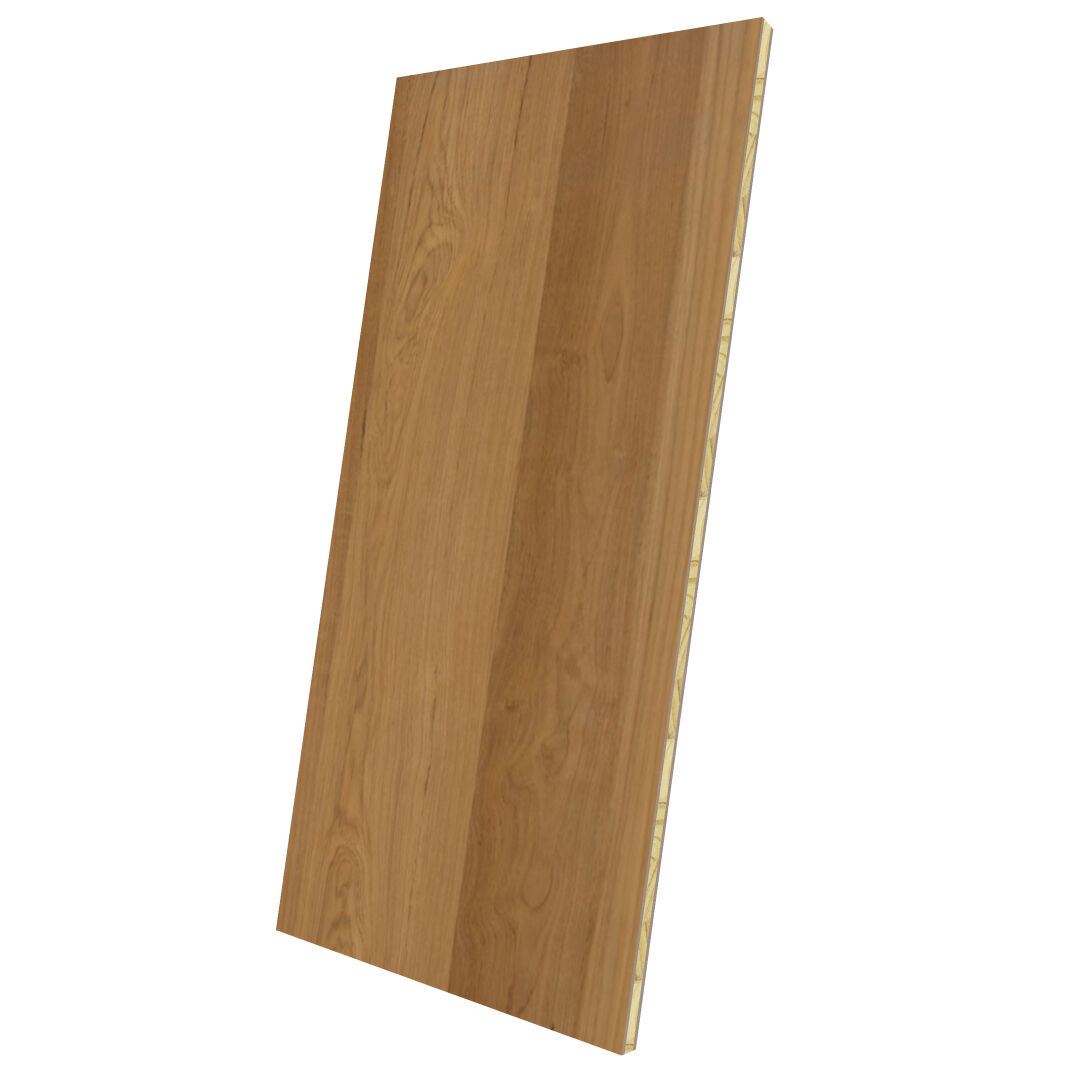
The construction industry is under constant pressure to deliver projects faster without compromising quality. prefinished wood panels have emerged as a preferred solution for builders and contractors who need to meet aggressive timelines while maintaining high interior finish standards. As fast-track construction grows in popularity across commercial, hospitality, and residential sectors, prefinished wood panels are quickly becoming the material of choice for teams that cannot afford delays.
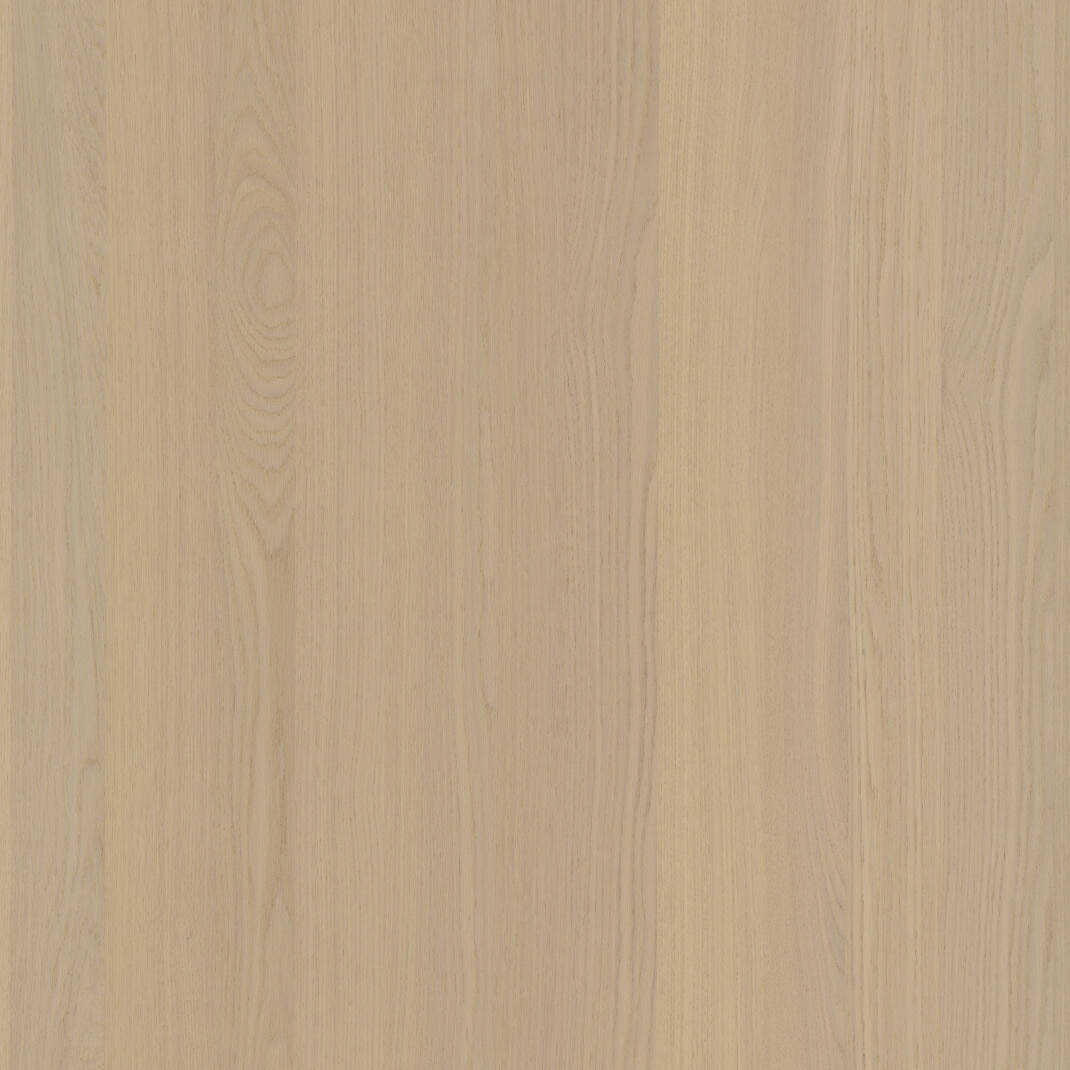
Unlike traditional site-finished wood materials, prefinished wood panels arrive at the job site already coated, sanded, and ready to install. This fundamental difference reshapes how construction schedules are structured, how labor is allocated, and how project managers control costs. Understanding why prefinished wood panels are gaining such strong momentum in fast-track projects requires a closer look at the time savings, performance benefits, and workflow advantages they deliver across multiple construction phases.
Time Efficiency That Transforms Project Schedules
Eliminating On-Site Finishing Stages
One of the most compelling reasons prefinished wood panels dominate fast-track construction is the elimination of on-site finishing work. Traditional wood installations require sanding, priming, staining, and multiple coating applications after the panels are installed. Each of those stages introduces drying time, additional labor, and potential rework. Prefinished wood panels remove all of those steps entirely because the surface treatment is completed in a controlled factory environment before delivery. This means installation crews can place prefinished wood panels and move on to the next task the same day, without waiting for coatings to cure.
The time savings from using prefinished wood panels can represent days or even weeks on large commercial projects. Hotel renovations, office fit-outs, and retail builds all benefit significantly when interior finishing phases can be compressed. When prefinished wood panels replace site-finished materials, project managers gain back critical schedule buffer that protects against other unforeseen delays.
Parallel Workflow Enabled by Factory Preparation
Prefinished wood panels also allow construction teams to run parallel workflows that are impossible with traditional wood materials. Because prefinished wood panels are manufactured and finished offsite, other construction phases such as mechanical, electrical, and plumbing rough-ins can continue simultaneously. By the time structural and systems work is complete, prefinished wood panels are ready to be delivered and installed immediately. This parallel scheduling approach is a core principle of fast-track construction, and prefinished wood panels are inherently compatible with it.
Quality Consistency and Surface Performance
Factory-Controlled Finishes Outperform Site Work
Prefinished wood panels consistently deliver superior surface quality compared to panels finished on-site. Factory finishing environments provide climate control, dust-free conditions, and precise application equipment that are simply not replicable on a busy construction site. The result is that prefinished wood panels have more uniform color, smoother texture, and more durable coatings than site-finished alternatives. For projects where interior aesthetics are a priority, such as hospitality venues, corporate offices, and high-end residential developments, prefinished wood panels provide the visual consistency that clients demand.
The durability of finishes applied to prefinished wood panels is also measurably better. Factory UV-cured or catalyzed coatings used on prefinished wood panels resist scratching, moisture absorption, and discoloration more effectively than brush or roller-applied site finishes. This means prefinished wood panels not only look better at handover but also maintain their appearance longer over the life of the building, reducing maintenance costs for building owners.
Dimensional Stability and Reduced Waste
Prefinished wood panels are engineered to tight dimensional tolerances, which reduces waste during installation. Because prefinished wood panels are cut and prepared with precision at the factory, on-site adjustments are minimal. Less cutting means less material waste and fewer finishing touch-ups at edges or joints. For fast-track projects operating under tight material budgets, prefinished wood panels help control both cost and resource consumption. The combination of dimensional accuracy and pre-applied finishes ensures that prefinished wood panels fit together cleanly and professionally without requiring extensive on-site remediation.
Cost and Labor Advantages in Fast-Track Environments
Reduced Skilled Labor Requirements on Site
Applying high-quality wood finishes on-site requires skilled painters and finishers, who are both expensive and increasingly difficult to source. Prefinished wood panels shift that skilled labor demand to the factory, where it can be performed more efficiently at scale. On the job site, prefinished wood panels can be installed by a smaller and less specialized crew, which reduces daily labor costs significantly. For contractors managing multiple fast-track projects simultaneously, the labor flexibility offered by prefinished wood panels is a major operational advantage.
Beyond direct labor savings, prefinished wood panels also reduce the indirect costs associated with finishing delays. When site finishing work falls behind schedule, it creates cascading delays across downstream trades. Prefinished wood panels eliminate that risk by removing the finishing variable from the site schedule entirely. The cost predictability that prefinished wood panels bring to project planning is particularly valuable in fixed-price contracts where overruns directly impact contractor margins.
Lower Rework and Defect Rates
Rework is one of the most significant hidden costs in construction projects. Site-applied finishes are vulnerable to environmental contamination, inconsistent application, and damage from other ongoing trades. Prefinished wood panels arrive protected and ready, which dramatically reduces the likelihood of finish defects requiring correction. When prefinished wood panels are delivered with protective film or packaging and installed correctly, the rate of surface defects is far lower than with traditional methods. Fewer defects mean fewer callbacks, less remediation labor, and faster final inspections — all of which accelerate project closeout in fast-track environments.
FAQ
What makes prefinished wood panels suitable for fast-track construction specifically?
Prefinished wood panels are suitable for fast-track construction because they eliminate on-site finishing stages, allow parallel scheduling, and arrive ready to install. This directly compresses the interior finishing phase of any project timeline, which is critical when fast-track delivery schedules leave little room for sequential trade workflows.
Are prefinished wood panels more expensive than site-finished alternatives?
While prefinished wood panels may carry a higher material unit cost, the overall project cost is often lower. The savings in site labor, finishing time, rework, and schedule delay compensation typically outweigh the initial price premium of prefinished wood panels, especially on medium to large fast-track commercial projects.
Can prefinished wood panels be used in both wall and ceiling applications?
Yes, prefinished wood panels are versatile enough for walls, ceilings, feature surfaces, and partition cladding. Their dimensional stability and factory-applied finishes make prefinished wood panels equally effective in vertical and overhead applications, provided the correct substrate preparation and installation hardware are used according to manufacturer specifications.
