 EN
EN


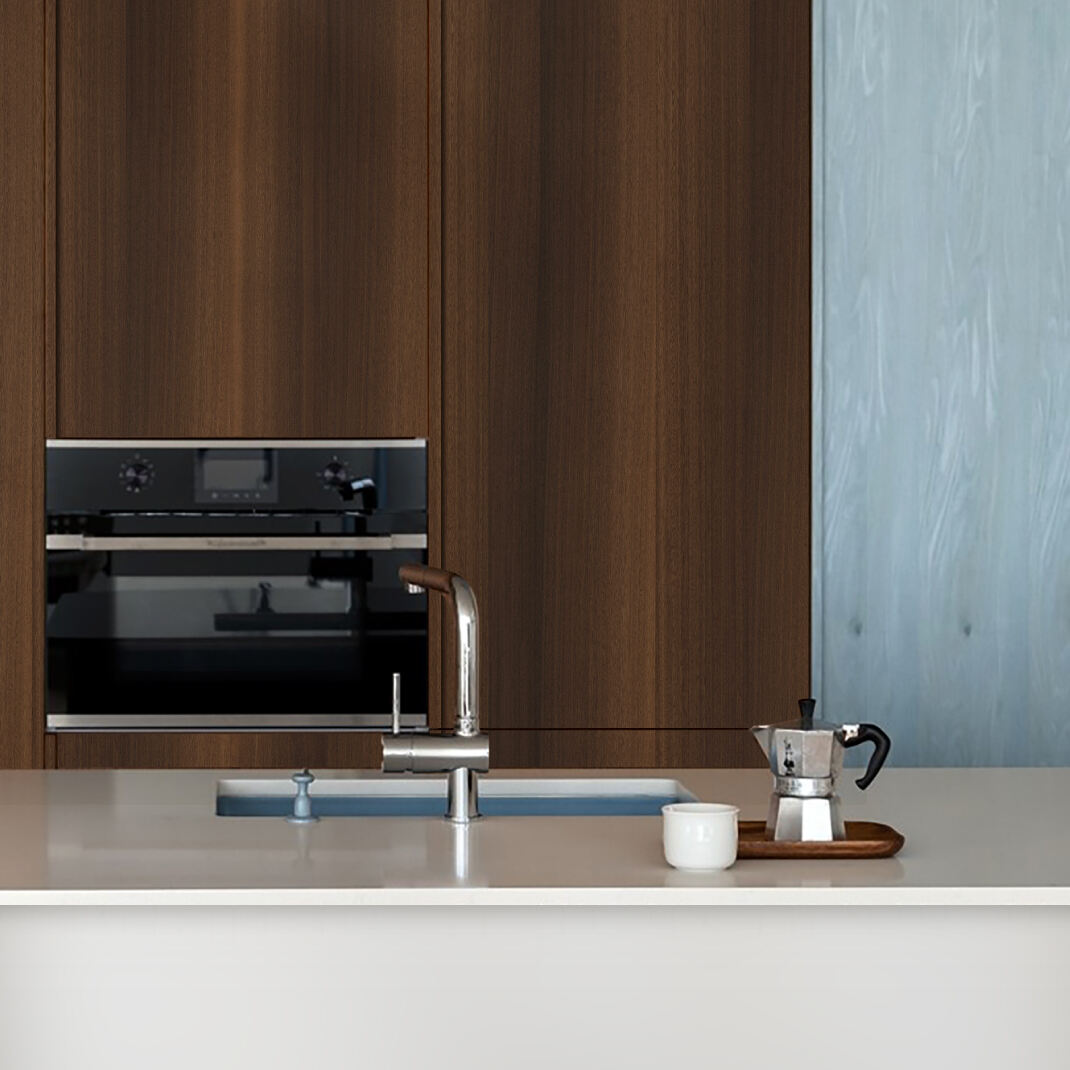
Cabinet design has evolved significantly over recent decades, with homeowners and designers increasingly gravitating toward sophisticated finishing options that combine natural beauty with practical functionality. Among the most sought-after choices in modern cabinetry, wood veneer finish stands out as a premium solution that delivers exceptional aesthetic appeal while maintaining cost-effectiveness. This finishing technique involves applying thin layers of real wood over engineered substrates, creating surfaces that capture the authentic grain patterns and natural variations found in solid wood construction.
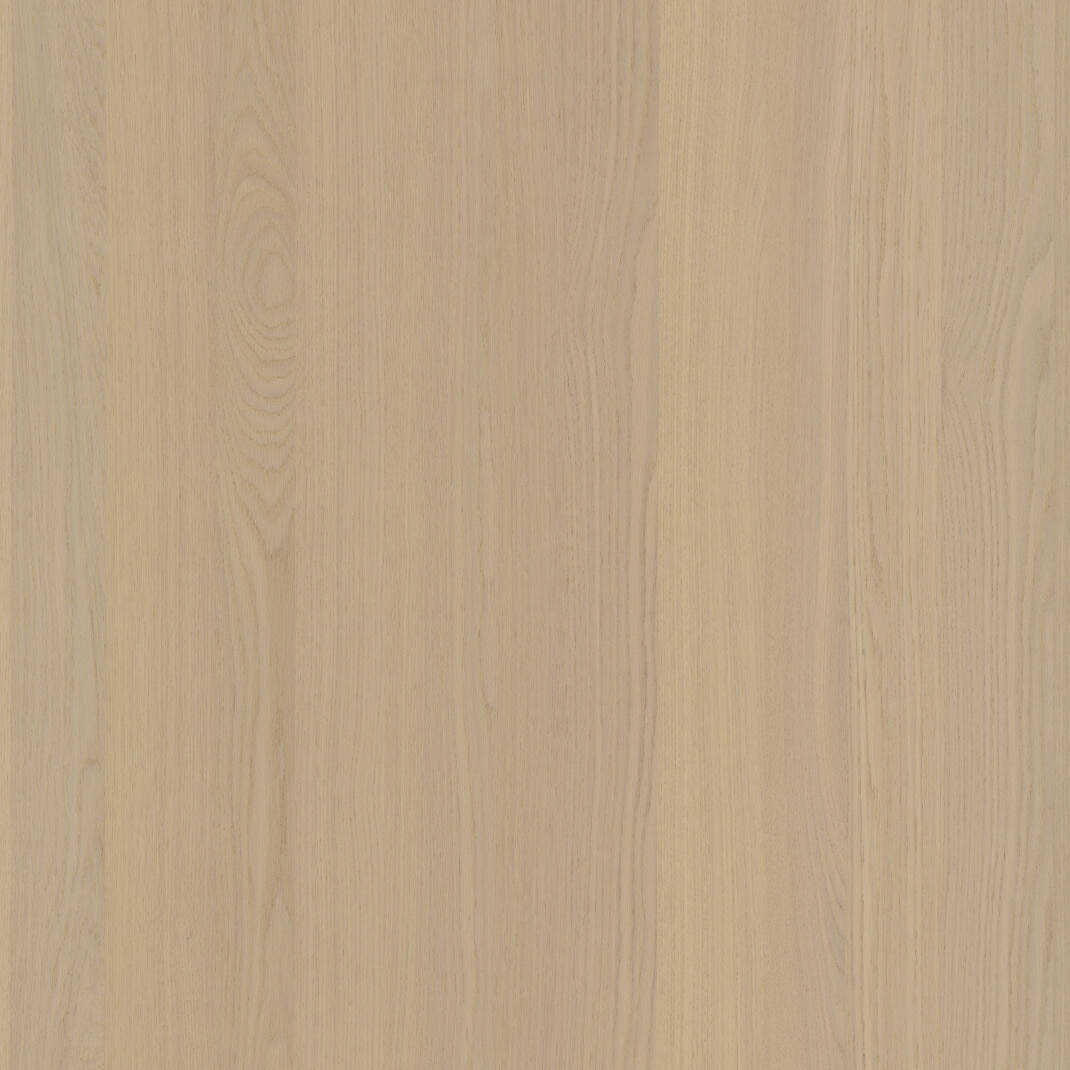
The popularity of wood veneer finish in cabinet applications stems from its ability to provide authentic wood character without the substantial investment required for solid lumber construction. Professional cabinet makers and interior designers recognize that veneer finishing offers superior dimensional stability compared to solid wood alternatives, reducing concerns about warping, cracking, or seasonal movement that commonly affect traditional solid wood installations. This enhanced stability makes wood veneer finish particularly suitable for kitchen environments where temperature and humidity fluctuations are common.
Understanding Wood Veneer Construction Methods
Traditional Veneer Application Techniques
The application of wood veneer finish requires specialized techniques that ensure proper adhesion and long-term durability in cabinet installations. Professional manufacturers utilize advanced pressing systems that apply uniform pressure and controlled heat during the bonding process, creating permanent adhesion between the veneer layer and underlying substrate materials. These controlled conditions prevent air bubbles, delamination, or uneven surfaces that could compromise the finished appearance.
Quality wood veneer finish applications begin with careful substrate preparation, including precise sanding and surface conditioning to optimize adhesive performance. The veneer sheets themselves undergo careful inspection for grain matching, color consistency, and natural defect identification before installation. Professional installers arrange veneer pieces to create seamless transitions across cabinet door and frame surfaces, ensuring continuous grain patterns that enhance visual appeal.
Modern Manufacturing Innovations
Contemporary wood veneer finish production incorporates advanced manufacturing technologies that improve both quality consistency and production efficiency. Computer-controlled cutting systems ensure precise veneer thickness throughout each sheet, while automated pressing equipment maintains optimal temperature and pressure parameters during the bonding process. These technological improvements result in more reliable wood veneer finish performance across diverse environmental conditions.
Advanced adhesive formulations developed specifically for wood veneer finish applications provide enhanced moisture resistance and thermal stability compared to traditional bonding agents. These specialized adhesives maintain their integrity under the temperature variations commonly encountered in kitchen environments, preventing delamination or edge lifting that could compromise cabinet appearance over time.
Aesthetic Benefits of Veneer Finishing
Natural Wood Character Preservation
One of the most compelling advantages of wood veneer finish lies in its ability to showcase the natural beauty and unique characteristics of various wood species without requiring expensive solid lumber. Each veneer sheet captures the distinctive grain patterns, color variations, and natural figure found in the source timber, creating cabinet surfaces that exhibit authentic wood character. This natural variation ensures that no two cabinet installations appear identical, providing homeowners with truly unique kitchen designs.
The wood veneer finish process preserves subtle details like mineral streaks, growth ring patterns, and natural color transitions that contribute to the organic appeal of wood surfaces. Professional veneer matching techniques allow designers to create dramatic book-matched patterns or maintain consistent grain flow across multiple cabinet components, depending on the desired aesthetic outcome.
Color and Pattern Flexibility
Wood veneer finish applications offer exceptional flexibility in achieving specific color palettes and surface appearances through various staining and topcoat options. Unlike solid wood construction, which may exhibit unpredictable color absorption due to density variations, veneer surfaces provide more consistent stain uptake and finish appearance. This predictability allows designers to achieve precise color matching across entire cabinet installations.
Advanced finishing techniques enable wood veneer finish surfaces to accommodate everything from transparent natural finishes that highlight wood grain to semi-transparent stains that enhance or modify the underlying wood tones. Specialty finishing options include distressed treatments, wire-brushed textures, and hand-rubbed appearances that add character and visual interest to cabinet surfaces.
Performance and Durability Considerations
Structural Stability Advantages
The engineered construction inherent in wood veneer finish applications provides significant stability advantages over solid wood cabinet construction. By combining thin wood veneers with stable engineered substrates like plywood or medium-density fiberboard, manufacturers create cabinet components that resist warping, cupping, and seasonal dimensional changes that commonly affect solid wood installations.
This enhanced dimensional stability makes wood veneer finish particularly suitable for large cabinet door and panel applications where solid wood construction might experience significant movement. The cross-grain construction of plywood substrates effectively counteracts the natural expansion and contraction tendencies of the surface veneer, maintaining consistent gap tolerances and operational performance over time.
Moisture and Environmental Resistance
Properly executed wood veneer finish installations demonstrate superior resistance to moisture-related damage compared to solid wood alternatives. The engineered substrate materials used beneath veneer layers typically exhibit lower moisture absorption rates than solid lumber, reducing the risk of dimensional changes or structural damage in humid environments like kitchens and bathrooms.
Modern topcoat finishes applied over wood veneer finish surfaces provide additional protection against moisture penetration, food stains, and routine cleaning chemicals. These protective coatings maintain their integrity longer than finishes applied to solid wood surfaces, which may experience cracking or delamination due to substrate movement.
Cost-Effectiveness and Value Proposition
Material Cost Comparisons
The economic advantages of wood veneer finish become particularly apparent when comparing material costs for premium wood species installations. While solid walnut, cherry, or exotic wood cabinets command substantial premiums due to raw material costs, wood veneer finish alternatives provide access to these desirable species at significantly reduced material expense. This cost efficiency allows homeowners to incorporate high-end wood appearances within reasonable budget parameters.
The manufacturing efficiency inherent in wood veneer finish production further contributes to cost advantages over solid wood alternatives. Veneer cutting techniques maximize yield from individual logs, utilizing virtually all usable material and minimizing waste compared to solid lumber processing where dimensional requirements often result in significant material losses.
Long-Term Value Considerations
Beyond initial cost savings, wood veneer finish installations often provide superior long-term value through reduced maintenance requirements and enhanced durability. The dimensional stability characteristic of engineered veneer construction minimizes the adjustment and repair issues that commonly affect solid wood cabinet installations over time, reducing ongoing maintenance costs.
Quality wood veneer finish surfaces maintain their appearance longer than many solid wood alternatives, particularly in high-use kitchen environments where frequent cleaning and temperature variations can accelerate wear on natural wood surfaces. The consistent substrate properties underlying veneer installations provide predictable performance that contributes to sustained cabinet functionality and appearance retention.
Installation and Manufacturing Benefits
Production Efficiency Advantages
Cabinet manufacturers appreciate wood veneer finish applications for their production efficiency benefits compared to solid wood processing requirements. Veneer sheets can be cut, shaped, and applied using automated equipment that ensures consistent quality while reducing labor costs associated with solid wood machining and finishing operations.
The standardized thickness and consistent properties of wood veneer finish materials enable manufacturers to maintain tighter quality control throughout production processes. Unlike solid wood lumber, which may contain hidden defects or density variations that affect machining performance, veneer materials provide predictable characteristics that support efficient manufacturing workflows.
Quality Control and Consistency
Professional wood veneer finish installations benefit from enhanced quality control capabilities compared to solid wood alternatives. Veneer sheets undergo careful grading and inspection processes that identify and eliminate defective materials before installation, ensuring consistent appearance quality across entire cabinet projects.
The controlled manufacturing environment typical of wood veneer finish production enables consistent moisture content, thickness tolerance, and surface preparation standards that contribute to reliable installation outcomes. This consistency reduces field problems and customer callbacks that sometimes occur with solid wood installations where material variability can affect fit and finish quality.
Environmental and Sustainability Aspects
Resource Utilization Efficiency
Wood veneer finish applications contribute to more efficient utilization of forest resources compared to solid wood construction methods. The thin veneer cutting process allows single logs to yield significantly more surface coverage than equivalent solid lumber production, maximizing the aesthetic value obtained from each harvested tree.
This efficient resource utilization makes wood veneer finish particularly appealing for applications using rare or slow-growing wood species where conservation concerns limit solid lumber availability. Veneer production techniques enable continued access to distinctive wood appearances while minimizing environmental impact associated with resource extraction.
Sustainable Manufacturing Practices
Modern wood veneer finish production increasingly incorporates sustainable manufacturing practices that minimize waste generation and environmental impact. Advanced cutting technologies reduce material waste during veneer production, while engineered substrates often utilize recycled wood fibers or rapidly renewable materials that support environmental sustainability goals.
The extended service life characteristic of quality wood veneer finish installations contributes to sustainability by reducing replacement frequency compared to lower-quality alternatives. This durability advantage helps offset environmental costs associated with manufacturing and transportation while providing homeowners with long-lasting cabinet solutions.
FAQ
How long does wood veneer finish typically last in kitchen applications
Quality wood veneer finish installations in kitchen environments typically provide 15-20 years of excellent performance when properly maintained and protected with appropriate topcoat finishes. The dimensional stability of engineered veneer construction often results in longer service life compared to solid wood alternatives that may experience warping or cracking due to environmental stress. Regular cleaning with appropriate products and periodic topcoat renewal help maximize wood veneer finish longevity in demanding kitchen applications.
Can wood veneer finish be refinished or repaired if damaged
Wood veneer finish surfaces can often be refinished through careful sanding and topcoat reapplication, though the process requires more precision than solid wood refinishing due to the thin veneer layer. Minor scratches and surface damage typically respond well to professional refinishing techniques, while more severe damage may require veneer replacement in affected areas. Professional assessment helps determine the most appropriate repair approach based on damage extent and veneer thickness specifications.
What maintenance requirements apply to wood veneer finish cabinets
Wood veneer finish cabinets require routine cleaning with mild soap solutions and immediate cleanup of spills to prevent staining or moisture damage. Avoiding harsh chemicals, abrasive cleaners, and excessive moisture exposure helps preserve both veneer integrity and topcoat performance. Periodic inspection of door edges and high-wear areas allows early identification of potential issues before they require major repairs, supporting long-term cabinet performance and appearance retention.
How does wood veneer finish compare to laminate alternatives
Wood veneer finish provides authentic wood grain patterns and natural character that laminate alternatives cannot replicate, though laminate options may offer superior moisture resistance and lower initial cost. Veneer surfaces can be refinished and repaired more easily than laminate installations, providing better long-term value for homeowners who prefer natural wood appearances. The choice between wood veneer finish and laminate alternatives typically depends on budget considerations, aesthetic preferences, and expected usage patterns in specific applications.
