 EN
EN


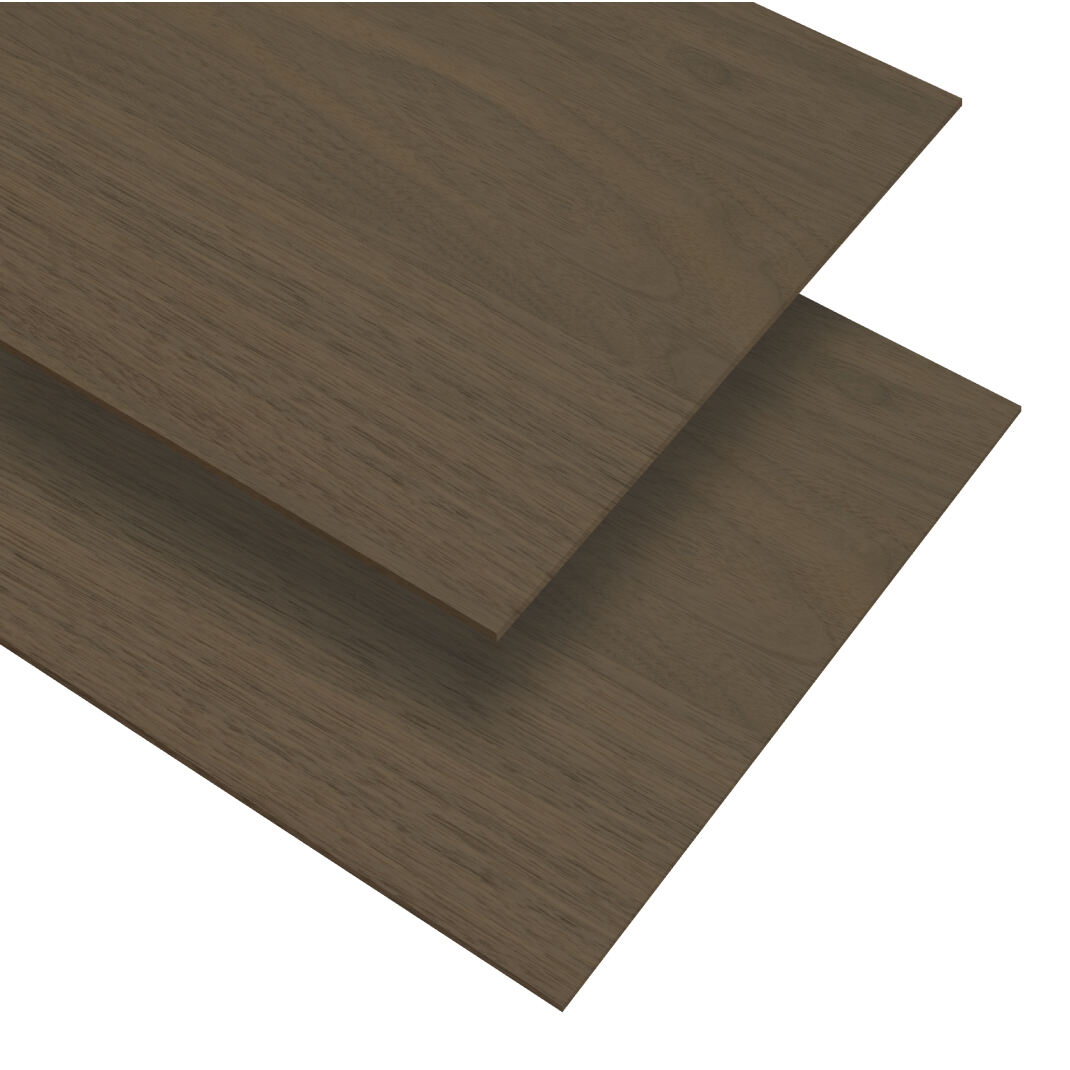
In the world of interior design and architectural finishes, the choice between wood veneer finish and traditional paint applications represents a critical decision that impacts both aesthetic appeal and long-term functionality. Wood veneer finish offers a sophisticated alternative to conventional coating methods, providing natural beauty and durability that painted surfaces often cannot match. This comprehensive exploration examines the key factors that should guide your decision-making process when considering wood veneer finish for your next project.
Understanding the Fundamental Differences
Composition and Material Properties
Wood veneer finish consists of thin slices of genuine wood that are carefully applied to substrate materials, creating an authentic wooden appearance while maintaining structural integrity. Unlike paint, which forms a synthetic coating layer, wood veneer finish preserves the natural grain patterns, texture variations, and organic characteristics that make each piece unique. The manufacturing process involves precision cutting techniques that ensure consistent thickness and quality across every application.
Paint applications, while versatile and cost-effective, create uniform color coverage that masks the underlying substrate material completely. This fundamental difference means that wood veneer finish provides tactile and visual authenticity that painted surfaces cannot replicate. The natural wood fibers in veneer finishes respond to environmental conditions in ways that synthetic coatings cannot, contributing to a more dynamic and living surface appearance.
Aesthetic Impact and Design Flexibility
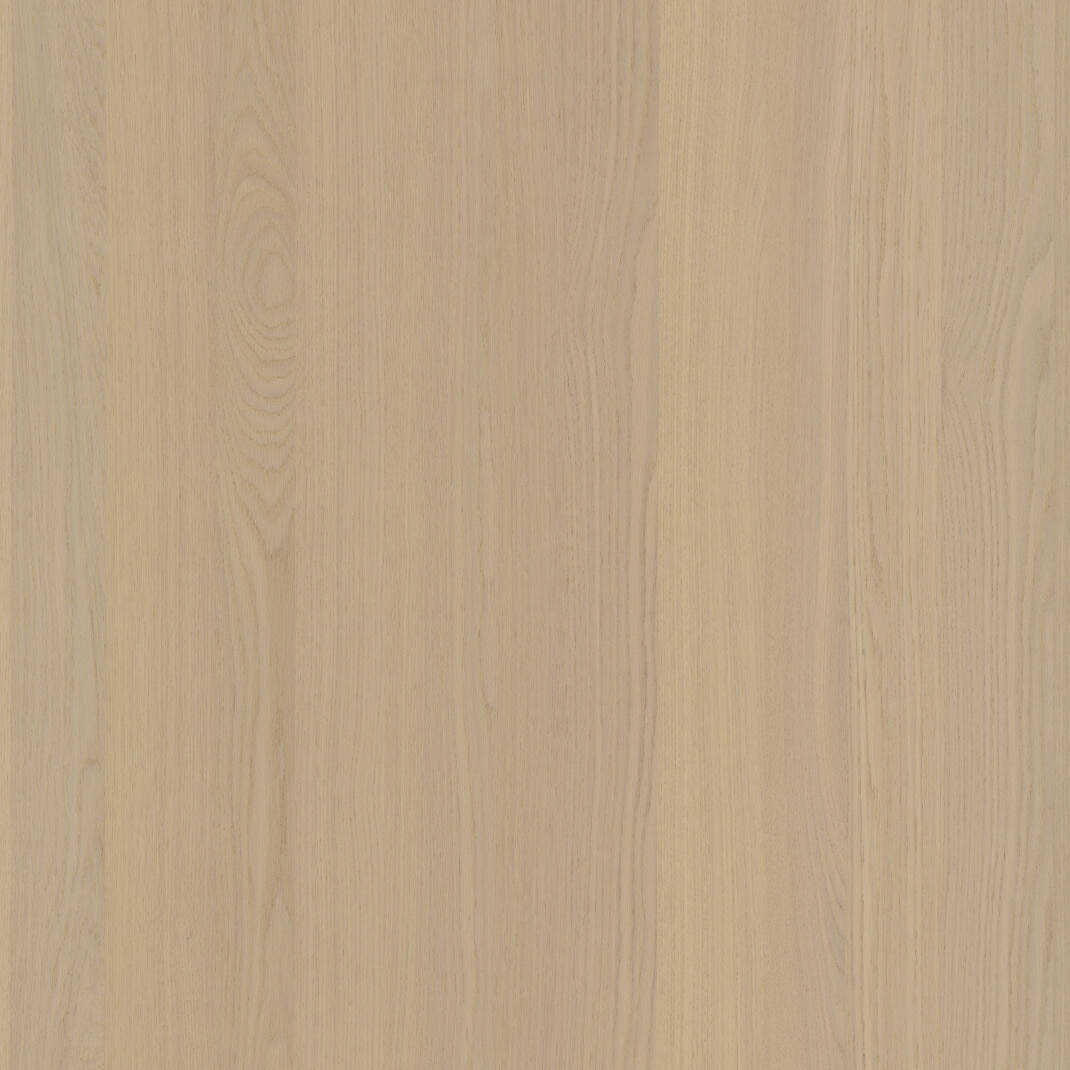
The aesthetic superiority of wood veneer finish becomes apparent when examining the depth and richness of natural wood grain patterns. Each veneer sheet displays unique characteristics including mineral streaking, growth ring variations, and color gradations that create visual interest impossible to achieve with paint. Professional designers often specify wood veneer finish for high-end applications where authenticity and luxury appeal are paramount considerations.
Contemporary design trends increasingly favor natural materials and organic textures, positioning wood veneer finish as a preferred choice for modern architectural projects. The ability to showcase different wood species through veneer applications allows designers to achieve specific aesthetic goals while maintaining consistency across large surface areas. This versatility makes wood veneer finish particularly valuable in commercial and residential applications where visual continuity matters.
Performance Characteristics and Durability
Longevity and Maintenance Requirements
Wood veneer finish demonstrates exceptional longevity when properly installed and maintained, often outlasting multiple paint refresh cycles. The natural wood fibers in veneer applications develop a patina over time that enhances rather than detracts from the overall appearance. Professional maintenance of wood veneer finish typically involves periodic cleaning and occasional refinishing, procedures that can extend service life significantly beyond painted alternatives.
Painted surfaces require regular maintenance including touch-ups, repainting, and surface preparation to maintain acceptable appearance standards. The frequency of these maintenance cycles depends on environmental factors, usage patterns, and initial paint quality. In contrast, wood veneer finish ages gracefully and can often be restored to like-new condition through professional refinishing techniques that preserve the underlying wood characteristics.
Environmental Resistance and Stability
Modern wood veneer finish applications incorporate advanced adhesive systems and protective coatings that enhance resistance to moisture, temperature fluctuations, and UV exposure. These technological improvements have addressed historical concerns about veneer stability while maintaining the natural appearance that makes this finish option attractive. Quality wood veneer finish products demonstrate excellent dimensional stability across varying environmental conditions.
The thermal expansion and contraction characteristics of wood veneer finish align closely with the substrate materials in most applications, reducing stress concentrations that can lead to finish failure. Paint films, particularly on dissimilar substrate materials, may experience differential movement that results in cracking, peeling, or adhesion loss over time. This performance advantage makes wood veneer finish particularly suitable for applications subject to significant environmental variations.
Cost Analysis and Investment Considerations
Initial Investment and Installation Costs
The upfront investment required for wood veneer finish typically exceeds that of paint applications, reflecting the premium materials and specialized installation techniques involved. However, this initial cost differential should be evaluated within the context of total lifecycle costs and performance expectations. Quality wood veneer finish products justify their premium pricing through superior aesthetics, durability, and maintenance characteristics.
Installation of wood veneer finish requires skilled craftspeople familiar with proper adhesive application, seaming techniques, and finishing procedures. This specialized labor requirement contributes to higher installation costs compared to paint applications that can be completed by general contractors. The investment in professional installation pays dividends through improved appearance quality and long-term performance reliability.
Long-term Value and Return on Investment
Property value enhancement represents a significant advantage of wood veneer finish over painted alternatives in both residential and commercial applications. Real estate professionals consistently recognize the premium value associated with natural wood finishes, particularly in high-end market segments. The perceived quality and luxury appeal of wood veneer finish contribute to higher property valuations and faster resale potential.
Maintenance cost analysis reveals that wood veneer finish applications often provide lower total ownership costs over extended time periods despite higher initial investment requirements. The reduced frequency of major refinishing requirements and the ability to restore rather than replace veneer surfaces contribute to favorable long-term economics. Paint systems require complete removal and reapplication periodically, generating disposal costs and material expenses that accumulate significantly over time.
Application Suitability and Technical Considerations
Substrate Compatibility and Installation Requirements
Wood veneer finish applications require careful substrate preparation and compatibility assessment to ensure optimal performance and appearance. Engineered substrates, solid wood panels, and composite materials can all accommodate veneer applications when properly prepared and primed. The substrate surface must be smooth, clean, and dimensionally stable to achieve professional wood veneer finish results that meet quality expectations.
Temperature and humidity control during installation becomes critical for wood veneer finish success, as these natural materials respond to environmental conditions. Professional installers utilize climate-controlled environments and proper acclimation procedures to minimize expansion, contraction, and warping issues. Paint applications demonstrate greater tolerance for environmental variations during installation, though final performance may still be affected by extreme conditions.
Design Integration and Architectural Compatibility
Contemporary architectural styles increasingly incorporate natural materials and sustainable design principles that favor wood veneer finish over synthetic alternatives. The ability to specify sustainably harvested wood species and environmentally responsible manufacturing processes aligns wood veneer finish applications with modern building standards and certification requirements. Green building rating systems often award points for natural material usage and low-emission finishes.
The versatility of wood veneer finish extends to curved surfaces, complex geometries, and custom millwork applications where paint alone cannot achieve the desired aesthetic impact. Advanced veneer manufacturing techniques enable the production of flexible veneer sheets that conform to architectural details while maintaining grain continuity and appearance quality. This capability makes wood veneer finish particularly valuable for high-end commercial and hospitality applications.
Quality Standards and Selection Criteria
Material Specifications and Performance Standards
Professional specification of wood veneer finish requires understanding of industry quality standards, grading criteria, and performance classifications. Different wood species exhibit varying characteristics in terms of grain pattern, color consistency, and natural defect occurrence. Proper selection criteria ensure that the chosen wood veneer finish meets both aesthetic expectations and functional requirements for the intended application.
Manufacturing quality control procedures for wood veneer finish products include thickness tolerance verification, adhesive bond strength testing, and surface quality assessment. These rigorous standards ensure consistent performance across production batches and minimize installation complications. Paint quality standards, while important, address different performance parameters focused primarily on coverage, adhesion, and color retention characteristics.
Certification and Sustainability Considerations
Environmental certification programs provide verification that wood veneer finish products originate from responsibly managed forest resources and utilize sustainable manufacturing processes. These certifications become increasingly important as building codes and client specifications emphasize environmental responsibility. The natural, renewable characteristics of wood veneer finish align with sustainability goals that synthetic paint products cannot match.
Indoor air quality considerations favor wood veneer finish applications that emit minimal volatile organic compounds compared to many paint formulations. Natural wood materials and low-emission adhesives contribute to healthier interior environments, particularly important in residential, educational, and healthcare applications. This health and safety advantage adds value beyond the aesthetic and performance benefits of wood veneer finish selection.
FAQ
What are the main advantages of wood veneer finish over paint in commercial applications?
Wood veneer finish offers superior durability, authentic natural appearance, and lower long-term maintenance costs in commercial settings. The premium aesthetic appeal contributes to higher property values and customer perception, while the natural material characteristics provide better aging properties than synthetic paint alternatives. Additionally, wood veneer finish applications often qualify for green building credits and environmental certifications that paint systems cannot achieve.
How does the installation process for wood veneer finish compare to traditional painting?
Wood veneer finish installation requires specialized skills and controlled environmental conditions, typically taking longer than paint application but resulting in superior long-term performance. The process involves precise substrate preparation, adhesive application, veneer positioning, and protective finishing steps that demand professional expertise. While paint installation is more straightforward, the investment in professional wood veneer finish installation pays dividends through enhanced appearance quality and extended service life.
Can wood veneer finish be repaired or refinished if damaged?
Yes, wood veneer finish can often be repaired through patch replacement or refinishing techniques that restore the original appearance quality. Professional restoration services can address scratches, dents, and wear patterns without requiring complete surface replacement. This repairability advantage makes wood veneer finish more cost-effective over time compared to paint systems that typically require complete reapplication when damaged or worn.
What factors should influence the decision between wood veneer finish and paint for residential projects?
Key decision factors include budget considerations, aesthetic preferences, maintenance expectations, and long-term value goals. Wood veneer finish justifies higher initial costs through superior appearance, durability, and property value enhancement in premium residential applications. Consider the intended use duration, environmental conditions, and desired maintenance level when evaluating wood veneer finish versus paint alternatives for residential projects.
Table of Contents
- Understanding the Fundamental Differences
- Performance Characteristics and Durability
- Cost Analysis and Investment Considerations
- Application Suitability and Technical Considerations
- Quality Standards and Selection Criteria
-
FAQ
- What are the main advantages of wood veneer finish over paint in commercial applications?
- How does the installation process for wood veneer finish compare to traditional painting?
- Can wood veneer finish be repaired or refinished if damaged?
- What factors should influence the decision between wood veneer finish and paint for residential projects?
