 EN
EN


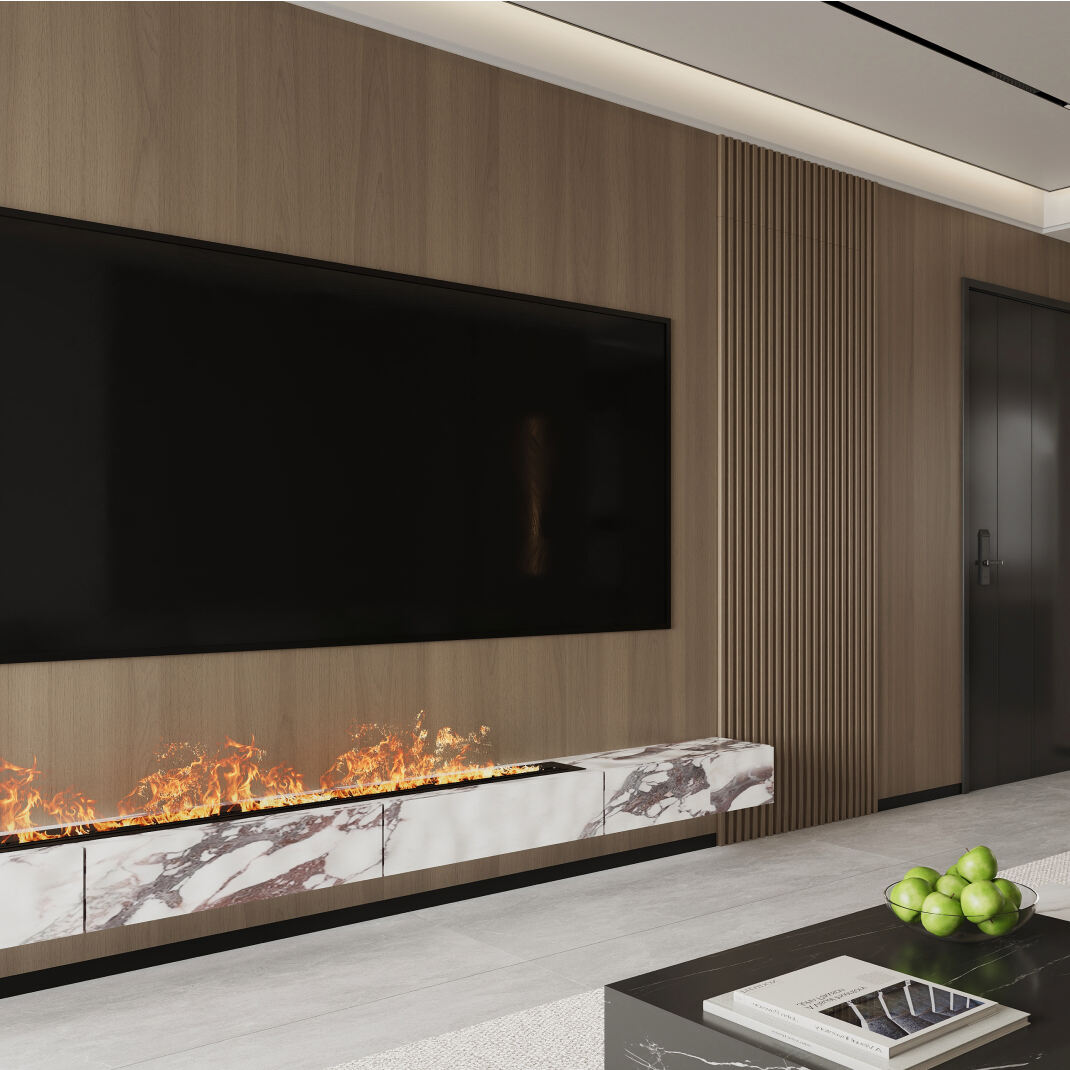
Η κατανόηση των διαφορών μεταξύ των πλακών επίπλων από κόντρα πλακέ και MDF είναι κρίσιμη για τη λήψη ενημερωμένων αποφάσεων στην κατασκευή επίπλων, την κατασκευή ντουλάπων και τα ξυλουργικά έργα. Αν και και τα δύο υλικά χρησιμοποιούνται ως δημοφιλείς τεχνητοί ξυλείας εναλλακτικοί τρόποι σε σχέση με το στερεό ξύλο, οι μέθοδοι κατασκευής τους, οι χαρακτηριστικές επιδόσεις τους και οι ιδανικές εφαρμογές τους διαφέρουν σημαντικά. Η επιλογή μεταξύ κόντρα πλακέ και MDF ως κύριου υλικού πλακών επίπλων θα επηρεάσει τα πάντα, από τη δομική ακεραιότητα και το κόστος μέχρι τις επιλογές επεξεργασίας επιφάνειας και τη μακροπρόθεσμη αντοχή.
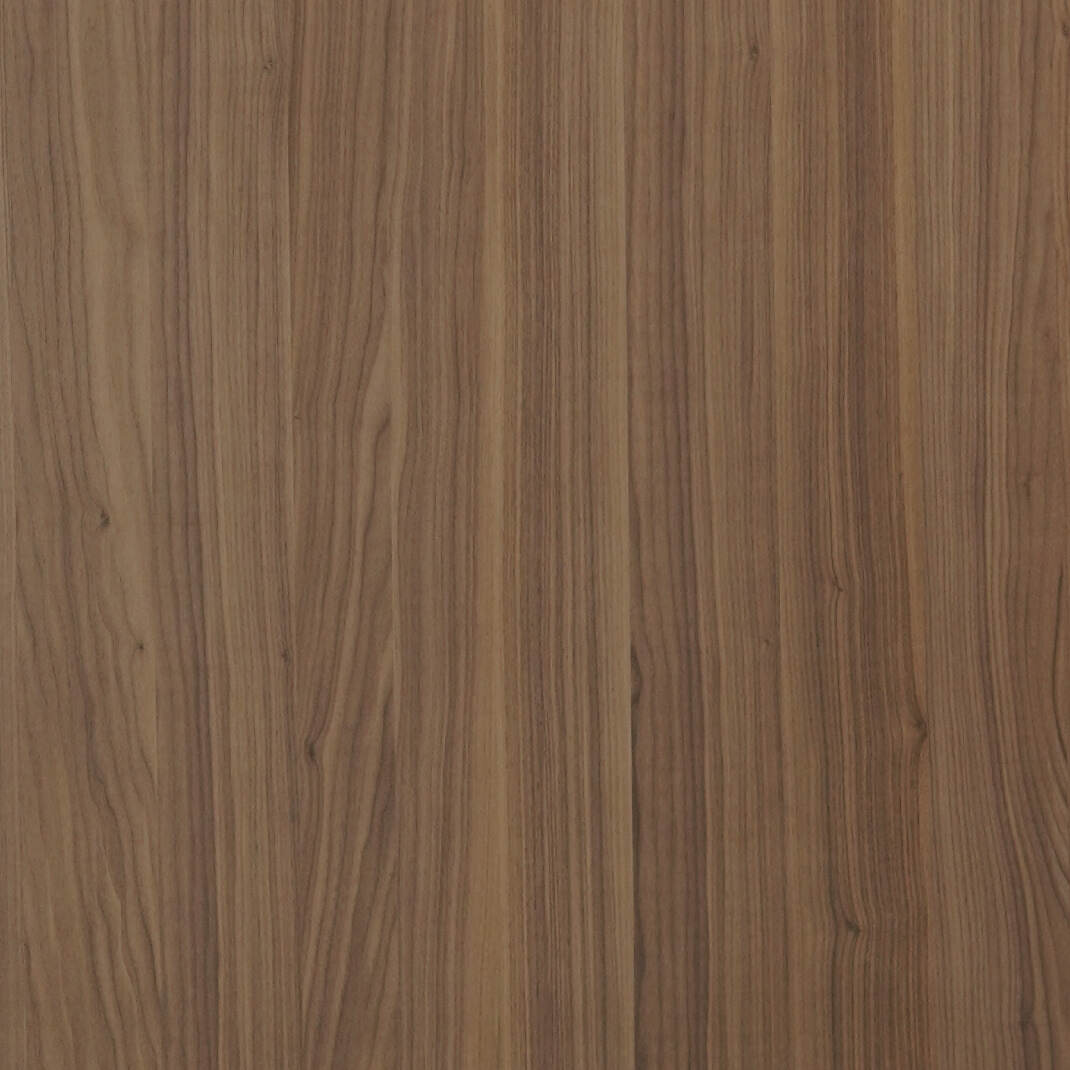
Τόσο το κόντρα πλακέ όσο και το MDF αποτελούν μηχανικά επεξεργασμένες λύσεις που σχεδιάστηκαν για να ξεπεράσουν τους περιορισμούς του στερεού ξύλου, ωστόσο το καθένα επιτυγχάνει αυτό μέσω εντελώς διαφορετικών μεθόδων κατασκευής. Το κόντρα πλακέ αποτελείται από πολλαπλά λεπτά στρώματα ξύλινης λαμαρίνας που συγκολλώνται με κόλλα, με εναλλασσόμενη κατεύθυνση των ινών, ενώ το MDF παράγεται από λεπτές ξύλινες ίνες που συμπιέζονται με ρητίνη υπό θερμοκρασία και πίεση. Αυτές οι θεμελιώδεις διαφορές στην κατασκευή δημιουργούν ξεχωριστά προφίλ απόδοσης, τα οποία καθιστούν το καθένα πίνακας επίπλων τύπο καταλληλότερο για συγκεκριμένες εφαρμογές και απαιτήσεις έργων.
Διαδικασία Παραγωγής και Σύσταση Υλικού
Μέθοδοι Κατασκευής Κόντρα Πλακέ
Η παραγωγή κόντρα πλακέ ξεκινά με την επιλογή κορμών, οι οποίοι υφίστανται περιστροφική κοπή ή τεμαχίζονται σε λεπτά φύλλα δέρματος, με πάχος συνήθως μεταξύ 1,5 mm και 3 mm. Τα επίπεδα αυτού του δέρματος τοποθετούνται στη συνέχεια σε περιττό αριθμό, συνήθως σε τρία, πέντε, επτά ή εννέα στρώματα, με κάθε στρώμα να είναι τοποθετημένο υπό ορθή γωνία σε σχέση με τα γειτονικά στρώματα. Αυτή η διασταυρούμενη διάταξη των ινών είναι θεμελιώδης για τα χαρακτηριστικά αντοχής του κόντρα πλακέ, καθώς κατανέμει τα φορτία τάσης σε πολλές κατευθύνσεις ινών, αντί να βασίζεται σε μία μόνο κατεύθυνση ινών.
Η διαδικασία κόλλησης περιλαμβάνει την εφαρμογή κόλλας μεταξύ κάθε στρώματος λαμαρίνας πριν υποβληθεί ολόκληρη η συναρμολόγηση σε υψηλή πίεση και ελεγχόμενη θερμοκρασία σε υδραυλική πρέσα. Ο τύπος της κόλλας που χρησιμοποιείται διαφέρει ανάλογα με την προτεινόμενη χρήση, με φαινολικές ρητίνες για εξωτερική χρήση και ουρία-φορμαλδεΰδη για εσωτερικές εφαρμογές πινάκων επίπλων. Ο έλεγχος ποιότητας κατά τη διάρκεια αυτής της διαδικασίας διασφαλίζει σταθερό πάχος, κατάλληλη διείσδυση της κόλλας και ομοιόμορφη πυκνότητα σε όλο το τελικό προϊόν.
Οι σύγχρονες εγκαταστάσεις παραγωγής πλακών πολυστρωματικού ξύλου χρησιμοποιούν εξελημμένα συστήματα παρακολούθησης της υγρασίας και ελέγχου του περιβάλλοντος για να αποτρέψουν το στρέψιμο, την αποκόλληση και άλλα προβλήματα ποιότητας. Οι εξωτερικές λαμαρίνες, γνωστές ως πρόσωπο (face) και πίσω (back) λαμαρίνες, επιλέγονται συχνά για την εμφάνισή τους και το μοτίβο τους, ενώ οι εσωτερικές λαμαρίνες του πυρήνα προτιμούν τη δομική ακεραιότητα έναντι της αισθητικής. Αυτή η στρωματοποιημένη προσέγγιση επιτρέπει στους κατασκευαστές να βελτιστοποιούν τόσο την απόδοση όσο και την οικονομική αποτελεσματικότητα στην παραγωγή πινάκων επίπλων.
Διαδικασία Δημιουργίας MDF
Η παραγωγή οικοδομικής σανίδας μεσαίας πυκνότητας (MDF) αρχίζει με ξυλότσιπ και υπολείμματα από πριονικά εργοστάσια, τα οποία διασπώνται σε μεμονωμένες ξυλοϋφές μέσω μιας διαδικασίας που ονομάζεται απολιγνινοποίηση. Η ατμός και η μηχανική δράση διαχωρίζουν τα συστατικά λιγνίνη και κυτταρίνη, δημιουργώντας ομοιόμορφες ξυλοϋφές μήκους συνήθως από 0,5 mm έως 4 mm. Στη συνέχεια, οι ξυλοϋφές αναμειγνύονται με συνθετικούς ρητίνης συγκολλητικούς παράγοντες, συνήθως ουρία-φορμαλδεΰδη ή φαινόλη-φορμαλδεΰδη, σε ελεγχόμενες αναλογίες για την επίτευξη της επιθυμητής αντοχής στη σύγκολληση.
Το μείγμα ξυλοϋφών-ρητίνης σχηματίζεται σε μία πλάκα με τεχνικές αεροδιανομής, οι οποίες δημιουργούν τυχαίο προσανατολισμό των ξυλοϋφών σε όλο το πάχος της. Αυτή η πλάκα στη συνέχεια υφίσταται συμπίεση υπό ακραία πίεση, συχνά υψηλότερη των 400 psi (λίβρες ανά τετραγωνική ίντσα), ενώ θερμαίνεται σε θερμοκρασίες περίπου 190°C έως 220°C. Ο συνδυασμός θερμότητας, πίεσης και χημικής σύνδεσης δημιουργεί μία ομοιογενή πλάκα επίπλων με σταθερή πυκνότητα και ιδιότητες σε όλο το πάχος της.
Η επεξεργασία μετά την παραγωγή περιλαμβάνει ψύξη, κοπή και λείανση για την επίτευξη ακριβών διαστάσεων και ομαλότητας της επιφάνειας. Η ποιοτική κατασκευή MDF απαιτεί προσεκτικό έλεγχο της υγρασίας των ινών, της κατανομής της ρητίνης και των παραμέτρων συμπίεσης, προκειμένου να αποφευχθούν οι διακυμάνσεις πυκνότητας, τα επιφανειακά ελαττώματα ή οι εσωτερικοί κενοί χώροι. Το προκύπτον πάνελ επίπλου παρουσιάζει ομοιόμορφα χαρακτηριστικά κατεργασίας και εξαιρετική ομαλότητα επιφάνειας, κάνοντάς το ιδανικό για βαμμένες επιφάνειες και λεπτομερή εργασία κοπής.
Φυσικές Ιδιότητες και Χαρακτηριστικά Απόδοσης
Αντοχή και Δομική Ακεραιότητα
Η διασταυρωτή στρωμάτωση του κόντραπλακέ παρέχει εξαιρετική διαστατική σταθερότητα και αντίσταση στο σχισμό κατά μήκος των γραμμών της κόκκωσης, καθιστώντάς το ανώτερο για δομικές εφαρμογές πάνελ επίπλων. Η εναλλασσόμενη κατεύθυνση της κόκκωσης κατανέμει ομοιόμορφα τα φορτία σε όλη την επιφάνεια του πάνελ, με αποτέλεσμα τις τιμές της εφελκυστικής αντοχής να υπερβαίνουν συχνά εκείνες του στερεού ξύλου. Αυτό το δομικό πλεονέκτημα καθιστά το κόντραπλακέ την προτιμώμενη επιλογή για τα πίσω μέρη επίπλων, τα κάτω μέρη συρταριών και τις πλευρές ντουλαπιών, όπου η διαστατική σταθερότητα είναι κρίσιμη.
Ο μέτρος ελαστικότητας στο κόντρα πλακέ διαφέρει ανάλογα με τον αριθμό των στρώσεων και το είδος του ξύλου που χρησιμοποιείται, αλλά συνήθως κυμαίνεται από 1.500 έως 2.000 MPa και στις δύο κατευθύνσεις. Αυτό το ισορροπημένο χαρακτηριστικό αντοχής σημαίνει ότι οι σχεδιασμοί πινάκων επίπλων μπορούν να βασίζονται σε συνεπή απόδοση, ανεξάρτητα από την κατεύθυνση του φορτίου. Η αντοχή στην ακμή είναι ιδιαίτερα αξιοσημείωτη στο κόντρα πλακέ, καθώς οι βίδες και οι συνδετήρες προσδένονται ταυτόχρονα σε πολλαπλές κατευθύνσεις κοντού ξύλου, δημιουργώντας μηχανικό πλεονέκτημα σε σύγκριση με υλικά με μονή κατεύθυνση κοντού ξύλου.
Το MDF παρουσιάζει διαφορετικά χαρακτηριστικά αντοχής λόγω της ομοιογενούς σύνθεσής του από ίνες. Παρόλο που η εσωτερική του συνοχή είναι εξαιρετική, κάνοντάς το ανθεκτικό στην αποκόλληση, το MDF έχει χαμηλότερη αντοχή σε κάμψη σε σύγκριση με κόντρα πλακέ ίσου πάχους. Ο πίνακας επίπλων εμφανίζει ανώτερη αντοχή σε θλίψη και εξαιρετικές ιδιότητες σύσφιξης βιδών στην πρόσοψη, ενώ η αντοχή του στην ακμή είναι γενικά κατώτερη σε σύγκριση με το κόντρα πλακέ, λόγω των μικρότερων μηκών ινών και της τυχαίας προσανατολισμού τους.
Ανταπόκριση στην Υγρασία και Περιβαλλοντική Σταθερότητα
Η ευαισθησία στην υγρασία αποτελεί μία από τις σημαντικότερες διαφορές μεταξύ αυτών των τύπων πλακών επίπλων. Η στρωματοποιημένη κατασκευή του κόντραπλακέ επιτρέπει στην υγρασία να διεισδύει σταδιακά, ενώ η διασταυρούμενη διάταξη των ινών βοηθά στην ελαχιστοποίηση της διαστολής και συστολής. Το κόντραπλακέ υψηλής ποιότητας με κατάλληλη σφράγιση των ακρών μπορεί να διατηρήσει τη διαστασιακή του σταθερότητα ακόμη και σε συνθήκες με μέτρια υγρασία, παρόλο που η παρατεταμένη έκθεση σε υγρασία μπορεί τελικά να προκαλέσει αποκόλληση μεταξύ των στρωμάτων.
Το τυποποιημένο MDF είναι σημαντικά πιο ευαίσθητο στην απορρόφηση υγρασίας, ιδιαίτερα στις ακμές κοπής, όπου η ίνωδης δομή είναι εκτεθειμένη. Όταν εκτίθεται σε υγρασία ή υγρό νερό, το MDF μπορεί να διογκωθεί σημαντικά, και αυτή η διόγκωση είναι συχνά μόνιμη και όχι αντιστρέψιμη. Η πλάκα επίπλου μπορεί να αυξήσει το πάχος της κατά 10–25% όταν είναι κορεσμένη, γεγονός που καθιστά κρίσιμη την κατάλληλη σφράγιση των ακρών και την επιφανειακή επεξεργασία για εφαρμογές που είναι ευαίσθητες στην υγρασία.
Έχουν αναπτυχθεί παραλλαγές MDF ανθεκτικές στην υγρασία με τη χρήση τροποποιημένων ρητίνων και πρόσθετων, αλλά αυτές οι ειδικές ποιότητες συνεπάγονται αυξημένο κόστος και ενδέχεται να μην αντιστοιχούν στη φυσική ανοχή της πλακόσανης στην υγρασία. Η προσαρμογή στις περιβαλλοντικές συνθήκες γίνεται ιδιαίτερα σημαντική κατά την αποθήκευση και την εγκατάσταση πλακών επίπλων, καθώς και τα δύο υλικά προσαρμόζονται στις περιβαλλοντικές συνθήκες, με το MDF να εμφανίζει πιο έντονες διαστατικές αλλαγές κατά τη διάρκεια αυτής της διαδικασίας.
Επεξεργασιμότητα και λόγοι σχετικοί με την κατασκευή
Κοπή και επεξεργασία ακμών
Οι χαρακτηριστικές ιδιότητες κατεργασίας των πλακών επίπλων από κόντραπλακέ και MDF διαφέρουν σημαντικά λόγω της εσωτερικής τους δομής. Για την κοπή κόντραπλακέ απαιτούνται οξείες λεπίδες και κατάλληλες ταχύτητες προώθησης, προκειμένου να αποφευχθεί η σπασμωδική αποκόλληση κατά μήκος των ορίων των ινών μεταξύ των στρωμάτων λεπτών ξύλινων φύλλων. Η εναλλασσόμενη κατεύθυνση των ινών μπορεί να προκαλέσει αποκόλληση (tear-out) στην πλευρά εξόδου της κοπής, γεγονός που καθιστά αναγκαία τη χρήση λεπίδων προσκόπησης ή υποστηρικτικών πλακών για την επίτευξη καθαρής ποιότητας ακμής. Κατά την εργασία με ρουτέρ σε κόντραπλακέ, πρέπει να λαμβάνεται υπόψη η αλλαγή κατεύθυνσης των ινών, καθώς η εργασία κατά την αντίθετη κατεύθυνση των ινών σε οποιοδήποτε στρώμα μπορεί να προκαλέσει χτύπημα (chipping) ή ασάφεια στην κατεύθυνση των ινών.
Το MDF δείχνει ανώτερη επεξεργασιμότητα για λεπτομερή εργασία, καθώς η ομοιογενής δομή του εξαλείφει τα προβλήματα κοπής που σχετίζονται με την κοκκώδη δομή. Η πλάκα επίπλων επεξεργάζεται με τον ίδιο τρόπο όπως και το σκληρό ξύλο, παράγοντας λείες επιφάνειες κοπής που απαιτούν ελάχιστη λείανση. Σύνθετα προφίλ, αυλάκια (dados) και διακοσμητική ρούτινγκ μπορούν να εκτελεστούν με τα συνηθισμένα εργαλεία ξυλουργικής, ενώ η σταθερή πυκνότητα διασφαλίζει ομοιόμορφες δυνάμεις κοπής καθ’ όλη τη διάρκεια της επεξεργασίας. Ωστόσο, το MDF παράγει σημαντικά περισσότερη λεπτή σκόνη κατά την επεξεργασία, γεγονός που απαιτεί ενισχυμένα συστήματα συλλογής σκόνης.
Η εφαρμογή της περιμετρικής ταινίας διαφέρει επίσης μεταξύ αυτών των υλικών. Οι άκρες του κόντραπλακ εκθέτουν την επιστρωματική κατασκευή του και ενδέχεται να απαιτούν πρόσθετη προετοιμασία για να επιτευχθεί λεία πρόσφυση δερμάτινης επένδυσης ή λαμινέτ. Οι άκρες του MDF είναι φυσικά λείες και ομοιόμορφες, προσφέροντας εξαιρετικό υπόστρωμα για τα υλικά περιμετρικής ταινίας. Η πλάκα επίπλων αποδέχεται αποτελεσματικά τόσο κόλλες θερμής τήξης όσο και επαφής, αν και η υψηλή απορροφητικότητα του MDF ενδέχεται να απαιτεί την εφαρμογή πρωτοκόλλας σε ορισμένες περιπτώσεις.
Μέθοδοι Στερέωσης και Σύνδεσης
Οι μηχανικές μέθοδοι στερέωσης πρέπει να προσαρμόζονται στα χαρακτηριστικά κάθε τύπου πλακέτας επίπλου. Η στρωματοποιημένη δομή του κόντραπλακέ εξασφαλίζει εξαιρετική αντοχή στήριξης για βίδες που εισάγονται στο πρόσωπο του υλικού, καθώς τα σπειρώματα εμπλέκονται σε πολλαπλά στρώματα λεπτών ξυλόφυλλων με διαφορετικούς προσανατολισμούς της ίνας. Για τη στερέωση στις άκρες απαιτείται προκαταρκτική διάτρηση για να αποφευχθεί η ραγδαία διάσπαση του υλικού, ενώ η αντοχή στήριξης εξαρτάται από τον αριθμό των στρωμάτων που εμπλέκονται από τα σπειρώματα του στερεωτικού.
Οι παραδοσιακές ξυλουργικές συνδέσεις, όπως οι αυλακώσεις (dadoes), οι ράβδοι (rabbets) και οι συνδέσεις με οπή και πριόνι (mortise-and-tenon), λειτουργούν καλά με το κόντραπλακέ, αν και πρέπει να ληφθεί μεγάλη προσοχή ώστε να μην εκτίθενται οι στρωματοποιημένες άκρες σε ορατές περιοχές. Το πλακέ επικολλάται εύκολα με τις συνηθισμένες ξυλόκολλες, ενώ η εναλλασσόμενη διάταξη της ίνας βοηθά στην πρόληψη αποτυχίας των συνδέσεων λόγω διαφορετικής διαστολής/συστολής του ξύλου.
Το MDF απαιτεί διαφορετικές στρατηγικές στερέωσης λόγω της σύνθεσής του από ίνες. Ενώ η στερέωση με βίδες στην επιφάνεια παρέχει καλή αντοχή, η στερέωση στις άκρες συχνά απαιτεί ειδικές τεχνικές ή εξαρτήματα. Οι ενσωματωμένες σπειροειδείς υποδοχές, οι κυλινδρικές βίδες και οι βίδες Confirmat χρησιμοποιούνται συχνά για τις συνδέσεις στις άκρες σε συναρμολογήσεις επίπλων από πλάκες. Η πυκνότητα και η ομοιόμορφη δομή του υλικού το καθιστούν ιδανικό για συνδέσεις με καρφιά και κατασκευές με εσοχές για βίδες, καθώς δεν υπάρχουν προβλήματα προσανατολισμού των ινών που να δυσχεραίνουν τη διάταξη των συνδέσεων.
Χαρακτηριστικά Επιφάνειας και Επιλογές Τελικής Επεξεργασίας
Διαφορές στην Εμφάνιση και την Υφή
Οι επιφανειακές χαρακτηριστικές των πλακών επίπλων από κόντρα πλακέ και MDF δημιουργούν σαφώς διαφορετικές δυνατότητες και προκλήσεις για την επεξεργασία της επιφάνειας. Οι επιφάνειες του κόντρα πλακέ εμφανίζουν το φυσικό μοτίβο της κοκκοειδούς δομής της επιφανειακής λεπτής πλάκας (veneer), το οποίο μπορεί να κυμαίνεται από ελαφρώς εμφανές έως ιδιαίτερα έντονο, ανάλογα με το είδος του ξύλου και τη μέθοδο κοπής που χρησιμοποιήθηκε. Αυτή η φυσική εμφάνιση του ξύλου καθιστά το κόντρα πλακέ κατάλληλο για διαφανή επιστρώματα, βαφές και εφαρμογές όπου η κοκκοειδής δομή του ξύλου επιθυμείται ως στοιχείο σχεδιασμού.
Η προετοιμασία της επιφάνειας για την επεξεργασία του κόντρα πλακέ πρέπει να αντιμετωπίζει τη δυνατότητα ανύψωσης της κοκκοειδούς δομής, των σημαδιών λείανσης που ακολουθούν την κατεύθυνση της κοκκοειδούς δομής της λεπτής πλάκας (veneer) και την πιθανή εμφάνιση των υποκείμενων στρωμάτων λεπτής πλάκας. Η πλάκα επίπλου ενδέχεται να απαιτεί γέμισμα της κοκκοειδούς δομής εάν επιθυμείται μια τελείως λεία επιφάνεια, ιδιαίτερα σε είδη με ανοιχτή κοκκοειδή δομή, όπως η δρυς ή η μελιά. Ενδέχεται να απαιτούνται επισκευές και επικαλύψεις λεπτής πλάκας για την αντιμετώπιση ελαττωμάτων που προκύπτουν κατά την κατασκευή ή ζημιών που προκαλούνται κατά τη χειρίσιμη μεταφορά.
Το MDF παρουσιάζει εντελώς διαφορετικό χαρακτήρα επιφάνειας, με τη λεία και ομοιόμορφη υφή του που θυμίζει σκληροποιημένο υλικό με λεπτή υφή. Η επιφάνεια των πλακών επίπλων είναι φυσικά επίπεδη και ομοιόμορφη, χωρίς δομή ξύλου, κόμπους ή άλλα χαρακτηριστικά του ξύλου που θα μπορούσαν να φανούν μέσω των επικαλύψεων. Αυτή η ομοιομορφία καθιστά το MDF εξαιρετικό υπόστρωμα για βαφή, επικόλληση βινυλίου και εφαρμογή λαμινέτων, όπου απαιτείται μια τέλεια λεία βάση.
Συμβατότητα με συστήματα τελικής επεξεργασίας
Η πρόσφυση και η απόδοση της βαφής διαφέρουν σημαντικά μεταξύ αυτών των τύπων πλακών επίπλων. Το κόντραπλακέ απαιτεί προετοιμασία επιφάνειας για την αντιμετώπιση ταννινών, δομής του ξύλου και πιθανής διαρροής ρητίνης, η οποία θα μπορούσε να επηρεάσει την ποιότητα της τελικής επεξεργασίας. Η επιλογή της πρωτοβάψιμης (primer) γίνεται κρίσιμη, καθώς ορισμένες κόλλες κόντραπλακέ μπορούν να προκαλέσουν απόχρωση ή κακή πρόσφυση της τελικής επεξεργασίας. Οι διαφανείς επεξεργασίες αναδεικνύουν τη φυσική ομορφιά της επένδυσης, αλλά ενδέχεται να απαιτούν πολλαπλές επιστρώσεις για την επίτευξη ομοιόμορφης εμφάνισης σε όλη την επιφάνεια της πλάκας.
Το MDF δέχεται εξαιρετικά καλά συστήματα βαφής λόγω της λείας και απορροφητικής επιφάνειάς του, η οποία παρέχει εξαιρετική μηχανική πρόσφυση. Το πάνελ επίπλου απαιτεί σφράγιση των ακμών πριν από την τελική επεξεργασία, καθώς οι εκτεθειμένες ακμές των ινών είναι ιδιαίτερα απορροφητικές και μπορούν να προκαλέσουν προβλήματα στην επιφάνεια εάν δεν προετοιμαστούν κατάλληλα. Η πρωτοβάψιμο είναι απαραίτητη για το MDF, τόσο για τη σφράγιση της επιφάνειας όσο και για τη δημιουργία ομοιόμορφης βάσης για τα επικαλυπτικά στρώματα.
Ειδικές επιφάνειες, όπως η περιτύλιξη με βινύλιο και η εφαρμογή λαμινέτ, προτιμούν τη λεία και ομοιόμορφη επιφάνεια του MDF. Το πάνελ επίπλου αποτελεί ιδανικό υπόστρωμα για αυτές τις εφαρμογές, καθώς δεν υπάρχουν μοτίβα κόκκων ή ανωμαλίες στην επιφάνεια που να διαφαίνονται μέσω λεπτών διακοσμητικών επιφανειών. Οι κόλλες που ενεργοποιούνται με θερμότητα προσκολλώνται καλά σε κατάλληλα προετοιμασμένες επιφάνειες MDF, δημιουργώντας ανθεκτικές επιφάνειες επίπλων κατάλληλες για εφαρμογές με υψηλή χρήση.
Ανάλυση κόστους και οικονομικές πτυχές
Κόστος Υλικού και Παραγωγής
Η οικονομική σύγκριση μεταξύ πλακών επίπλων από κόντρα πλακέ και MDF περιλαμβάνει πολλούς παράγοντες κόστους πέραν της βασικής τιμής του υλικού. Το κόντρα πλακέ συνήθως επιβαρύνεται με υψηλότερο κόστος πρώτων υλών λόγω της διαδικασίας παραγωγής των λεπτών ξύλινων φύλλων (veneers), η οποία απαιτεί μεγαλύτερα κορμούς και πιο περίπλοκο εξοπλισμό κατασκευής. Το κόντρα πλακέ από ποιοτικό σκληρό ξύλο μπορεί να κοστίζει 20–40% περισσότερο από αντίστοιχες βαθμίδες MDF, αν και αυτό το προνόμιο διαφέρει ανάλογα με τις συνθήκες της αγοράς ξυλείας και τη διαθεσιμότητα των ειδών.
Η παραγωγή MDF αξιοποιεί ξυλεία από απόβλητα και μικρότερα δέντρα, τα οποία διαφορετικά θα είχαν περιορισμένη αξία, δημιουργώντας πλεονεκτήματα κόστους στην απόκτηση πρώτων υλών. Η διαδικασία κατασκευής, παρότι είναι ενεργειακά απαιτητική, μπορεί να λειτουργεί συνεχώς και παράγει προϊόντα σταθερής ποιότητας, μειώνοντας έτσι το κόστος απορριμμάτων και επανεργασίας. Αυτοί οι παράγοντες καθιστούν την παραγωγή πλακών επίπλων MDF πιο προβλέψιμη από πλευράς κόστους, αν και οι τιμές των ρητινών μπορούν να επηρεάσουν σημαντικά το τελικό κόστος του προϊόντος.
Το κόστος μεταφοράς ευνοεί το MDF λόγω της σταθερής πυκνότητάς του και των χαρακτηριστικών της συσκευασίας του. Η πλάκα επίπλου μεταφέρεται σε προβλέψιμες διαστάσεις και βάρη, απλοποιώντας έτσι τον σχεδιασμό της λογιστικής. Η μεταφορά της κόντραπλακέ ίσως να περιλαμβάνει πιο μεταβλητά βάρη και αυξημένη προσοχή κατά τη χειριστική επεξεργασία για να αποφευχθεί η ζημιά στα επιφανειακά φύλλα, με αποτέλεσμα πιθανώς να αυξηθεί το συνολικό κόστος παράδοσης.
Μακροπρόθεσμη Αξία και Κόστος Κύκλου Ζωής
Οι παράγοντες ανθεκτικότητας επηρεάζουν το συνολικό κόστος κατοχής για εφαρμογές πλακών επίπλων. Η δομική ακεραιότητα και η διαστατική σταθερότητα της κόντραπλακέ οδηγούν συχνά σε μεγαλύτερη διάρκεια ζωής, ιδιαίτερα σε εφαρμογές που εκτίθενται σε υγρασία ή μηχανική τάση. Η πλάκα επίπλου μπορεί συχνά να επαναβαφτεί πολλές φορές, επεκτείνοντας έτσι τη χρήσιμη διάρκεια ζωής της πέραν αυτής του MDF σε πολλές εφαρμογές.
Οι δαπάνες συντήρησης και επισκευής τείνουν να ευνοούν το κόντρα πλακέ για δομικές εφαρμογές, καθώς η ζημιά μπορεί συχνά να επιδιορθωθεί τοπικά χωρίς την αντικατάσταση ολόκληρων πλακών. Η ζημιά στο MDF, ιδιαίτερα η διόγκωση λόγω υγρασίας, απαιτεί συχνά την πλήρη αντικατάσταση της πλάκας αντί για επισκευή. Η επιφάνεια της πλάκας επίπλου μπορεί να επαναβαφτεί, αλλά σοβαρή ζημιά ή διόγκωση στις άκρες καθιστά συνήθως το υλικό μη χρησιμοποιήσιμο.
Οι δαπάνες περιβαλλοντικής διάθεσης αναδύονται ως παράγοντας στην επιλογή πλακών επίπλων. Το κόντρα πλακέ που κατασκευάζεται με κόλλες ελεύθερες τυπαλδεΰδης μπορεί να κομποστοποιηθεί ή να καεί καθαρά, ενώ το MDF απαιτεί ειδική μεταχείριση λόγω του περιεχομένου του σε ρητίνη. Καθώς οι περιβαλλοντικές ρυθμίσεις γίνονται αυστηρότερες, αυτές οι δαπάνες στο τέλος του κύκλου ζωής ενδέχεται να επηρεάσουν τις αποφάσεις επιλογής υλικού από μεγάλους κατασκευαστές επίπλων.
Συχνές Ερωτήσεις
Ποιος τύπος πλάκας επίπλου είναι καλύτερος για βαμμένες επιφάνειες;
Το MDF είναι γενικά ανώτερο για βαμμένες επιφάνειες λόγω της λείας και ομοιόμορφης επιφάνειάς του, η οποία εξαλείφει την «απόδοση» της κόκκου (grain telegraph) και παρέχει εξαιρετική πρόσφυση του χρώματος. Η ομοιογενής δομή του απαιτεί λιγότερη επεξεργασία επιφάνειας σε σύγκριση με το κόντραπλακέ, το οποίο μπορεί να εμφανίζει μοτίβα κόκκου ή αρθρώσεις φύλλων (veneer joints) μέσω των επιστρώσεων βαφής. Ωστόσο, η κατάλληλη σφράγιση των ακμών είναι κρίσιμη στο MDF για να αποτραπεί η απορρόφηση υγρασίας και η αποτυχία της επίστρωσης.
Μπορούν το κόντραπλακέ και το MDF να χρησιμοποιηθούν εναλλάξ στην κατασκευή επίπλων;
Παρόλο που και τα δύο χρησιμοποιούνται ως πλακέ επίπλων, δεν είναι άμεσα ανταλλάξιμα λόγω των διαφορετικών δομικών τους ιδιοτήτων και της διαφορετικής ευαισθησίας τους στην υγρασία. Το κόντραπλακέ ξεχωρίζει σε δομικές εφαρμογές που απαιτούν διαστασιακή σταθερότητα και αντοχή, ενώ το MDF είναι καλύτερο για διακοσμητικές εφαρμογές που απαιτούν λείες επιφάνειες. Οι απαιτήσεις του έργου όσον αφορά την ικανότητα αντοχής σε φορτία, την έκθεση σε υγρασία και τον τύπο της επίστρωσης πρέπει να καθοδηγούν την επιλογή του υλικού, αντί να υποτίθεται αυτομάτως η ισοδυναμία τους.
Πώς επηρεάζει η υγρασία τη μακροπρόθεσμη απόδοση αυτών των τύπων πλακών επίπλων;
Η έκθεση στην υγρασία επηρεάζει κάθε υλικό διαφορετικά. Το κόντραπλακέ διατηρεί καλύτερη διαστασιακή σταθερότητα σε υγρές συνθήκες και μπορεί να ανακάμψει από μέτρια έκθεση στην υγρασία, εφόσον στεγνώσει κατάλληλα. Το MDF είναι πιο ευαίσθητο σε μόνιμη διόγκωση όταν εκτίθεται στην υγρασία, ιδιαίτερα στις άκρες, και αυτή η ζημιά είναι συνήθως ανεπανόρθωτη. Και τα δύο υλικά επωφελούνται από την κατάλληλη σφράγιση των ακρών και την επιφανειακή επεξεργασία για να ελαχιστοποιηθεί η διείσδυση υγρασίας.
Ποιο υλικό προσφέρει καλύτερη αξία για προσαρμοστικά έργα επίπλων;
Η αξία εξαρτάται από τις απαιτήσεις του έργου και την προτεινόμενη χρήση. Το MDF προσφέρει καλύτερη αξία για επιπλέα με βαφή, διακοσμητικές εφαρμογές και έργα που απαιτούν εκτεταμένη ρούτινγκ ή λεπτομερή επεξεργασία. Το κόντρα πλακέ προσφέρει καλύτερη αξία για δομικές εφαρμογές, επιφάνειες φυσικού ξύλου και καταστάσεις όπου η μακροπρόθεσμη ανθεκτικότητα έχει προτεραιότητα έναντι του αρχικού κόστους. Λάβετε υπόψη τόσο το κόστος του υλικού όσο και τις απαιτήσεις επεξεργασίας κατά την αξιολόγηση της συνολικής αξίας του έργου.
Περιεχόμενα
- Διαδικασία Παραγωγής και Σύσταση Υλικού
- Φυσικές Ιδιότητες και Χαρακτηριστικά Απόδοσης
- Επεξεργασιμότητα και λόγοι σχετικοί με την κατασκευή
- Χαρακτηριστικά Επιφάνειας και Επιλογές Τελικής Επεξεργασίας
- Ανάλυση κόστους και οικονομικές πτυχές
-
Συχνές Ερωτήσεις
- Ποιος τύπος πλάκας επίπλου είναι καλύτερος για βαμμένες επιφάνειες;
- Μπορούν το κόντραπλακέ και το MDF να χρησιμοποιηθούν εναλλάξ στην κατασκευή επίπλων;
- Πώς επηρεάζει η υγρασία τη μακροπρόθεσμη απόδοση αυτών των τύπων πλακών επίπλων;
- Ποιο υλικό προσφέρει καλύτερη αξία για προσαρμοστικά έργα επίπλων;
