 EN
EN


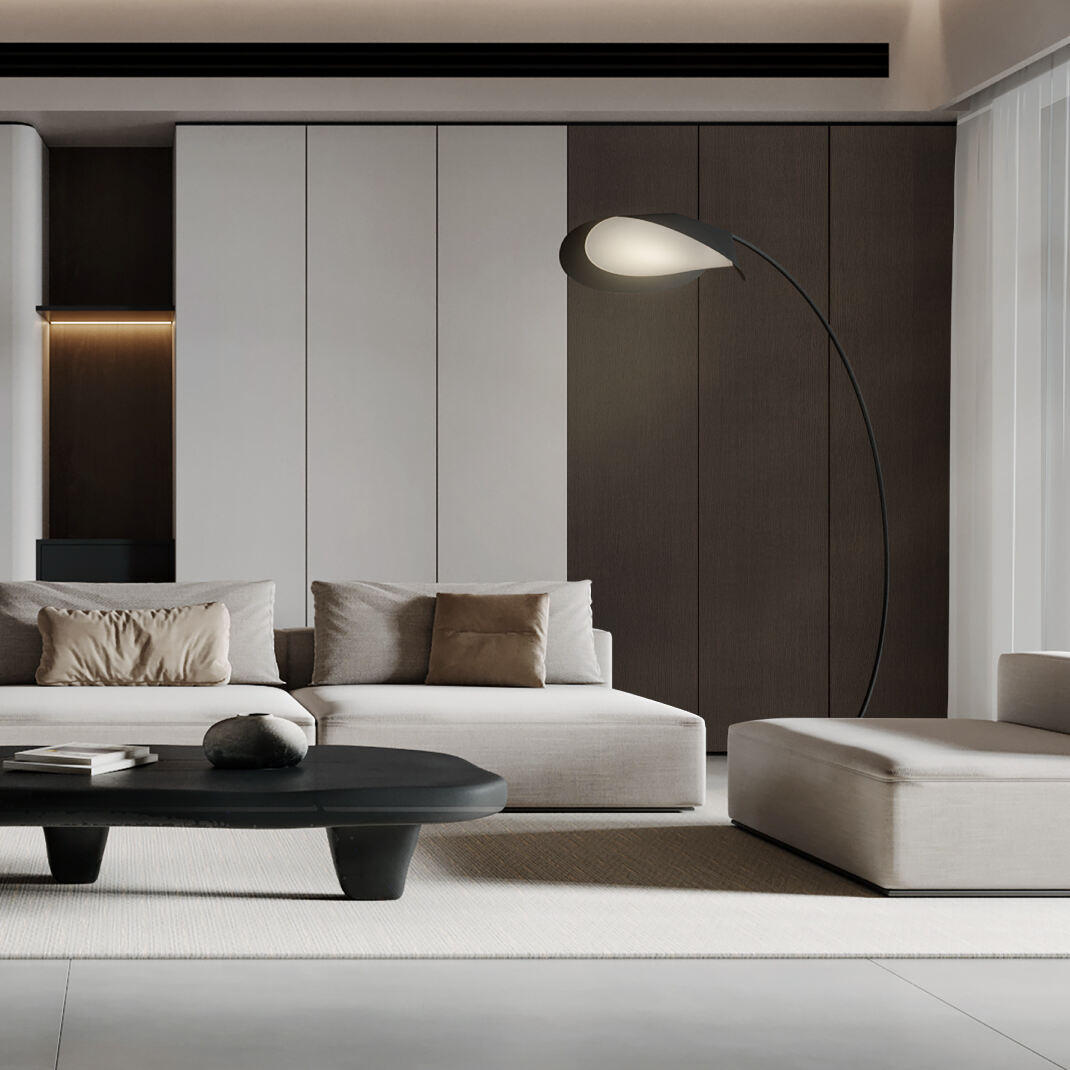
फर्नीचर पैनल का वार्पिंग (विकृति) फर्नीचर निर्माताओं, कैबिनेट निर्माताओं और लकड़ी के काम करने वाले श्रमिकों के सामने आने वाली सबसे अधिक निराशाजनक चुनौतियों में से एक है। यह आयामी विकृति तब होती है जब लकड़ी के पैनल अपनी मूल समतल व्यवस्था से झुक जाते हैं, मुड़ जाते हैं या घुमावदार हो जाते हैं, जिससे तैयार फर्नीचर के संरचनात्मक अखंडता और सौंदर्यात्मक आकर्षण दोनों को नुकसान पहुँचता है। लकड़ी-आधारित फर्नीचर पैनलों के साथ काम करने वाले किसी भी व्यक्ति के लिए वार्पिंग के मूल कारणों को समझना आवश्यक है, क्योंकि इसकी रोकथाम के लिए वातावरणीय और पदार्थ-संबंधी कई कारकों को एक साथ संबोधित करने की आवश्यकता होती है।
वार्पिंग की घटना लकड़ी के रेशों के भीतर असमान आर्द्रता वितरण के कारण होती है, जिससे आंतरिक तनाव उत्पन्न होता है जो फर्नीचर पैनल को संतुलन प्राप्त करने के लिए विकृत कर देता है। जब किसी पैनल की एक ओर दूसरी ओर की तुलना में आर्द्रता को अधिक तेज़ी से अवशोषित करती है या मुक्त करती है, तो असमान प्रसार और संकुचन के कारण यांत्रिक बल उत्पन्न होते हैं, जो विभिन्न प्रकार के वार्पिंग पैटर्न के लिए उत्तरदायी होते हैं। ये समस्याएँ निर्माण, भंडारण, परिवहन के दौरान या यहाँ तक कि स्थापना के वर्षों बाद भी विकसित हो सकती हैं, जिससे फर्नीचर पैनल के दीर्घकालिक प्रदर्शन के लिए रोकथाम की रणनीतियाँ अत्यंत महत्वपूर्ण हो जाती हैं।
फर्नीचर पैनल के वार्पिंग के पीछे का विज्ञान
आर्द्रता का संचरण और लकड़ी के रेशों का व्यवहार
लकड़ी एक हाइग्रोस्कोपिक सामग्री है, जिसका अर्थ है कि यह प्राकृतिक रूप से आसपास के वातावरण से नमी को अवशोषित करती है और मुक्त करती है। प्रत्येक फर्नीचर पैनल में लाखों लकड़ी के रेशे होते हैं, जो विभिन्न दिशाओं में व्यवस्थित होते हैं, और ये रेशे नमी में परिवर्तन के संपर्क में आने पर अलग-अलग दरों पर फैलते और सिकुड़ते हैं। लकड़ी की कोशिकीय संरचना में रेडियल और टैंजेंशियल दोनों दाने की दिशाएँ शामिल हैं, जिनमें नमी में उतार-चढ़ाव के दौरान टैंजेंशियल गति आमतौर पर रेडियल गति की तुलना में दोगुनी होती है।
जब वातावरणीय आर्द्रता बढ़ती है, तो लकड़ी के रेशे नमी को अवशोषित कर लेते हैं और फूल जाते हैं, जबकि आर्द्रता के कम होने से रेशों का सिकुड़ना होता है। यदि यह नमी विनिमय किसी फर्नीचर पैनल की मोटाई के अनुदिश असमान रूप से होता है, तो परिणामस्वरूप होने वाले आकारिक परिवर्तन आंतरिक तनाव उत्पन्न करते हैं। जिस ओर की नमी सामग्री अधिक होगी, वह ओर विपरीत ओर की तुलना में अधिक फैलेगी, जिससे पैनल शुष्क सतह की ओर मुड़ जाता है। यह मौलिक तंत्र स्पष्ट करता है कि मौसमी आर्द्रता परिवर्तनों के दौरान या स्थानीय नमी स्रोतों के संपर्क में आने पर फर्नीचर पैनल अक्सर विकृत क्यों हो जाते हैं।
आंतरिक तनाव विकास पैटर्न
फर्नीचर पैनल के अंदर आंतरिक तनाव का विकास नमी प्रवणता और दाने की दिशा के आधार पर भविष्यवाणी योग्य पैटर्न का अनुसरण करता है। यदि लकड़ी के घटकों को उचित रूप से सुखाया नहीं जाता है या यदि एक ही पैनल के भीतर विभिन्न नमी स्तर मौजूद होते हैं, तो निर्माण प्रक्रियाएँ अवशेष तनाव पैदा कर सकती हैं। जब इन तनावग्रस्त पैनलों को पर्यावरणीय परिवर्तनों का सामना करना पड़ता है, तो मौजूदा तनाव वार्पिंग की प्रवृत्ति को बढ़ा देता है, जिससे तनाव-मुक्त सामग्री में होने वाली विकृति की तुलना में अधिक गंभीर विकृति उत्पन्न होती है।
मूल वृक्ष संरचना से उत्पन्न वृद्धि तनाव भी वार्पिंग की संभावना में योगदान देता है। वृक्ष अपने स्वयं के भार का समर्थन करने और वायु बलों का प्रतिरोध करने के लिए वृद्धि के दौरान आंतरिक तनाव विकसित करते हैं। जब लॉग से लंबर काटा जाता है, तो यह अवशेष वृद्धि तनाव तुरंत विकृति का कारण बन सकता है, और यदि निर्माण के दौरान इसे उचित रूप से शमित नहीं किया जाता है, तो यह अंतिम उत्पाद के भीतर बना रहता है, फर्नीचर पैनल एक छिपा हुआ वार्पिंग बल के रूप में, जो उचित पर्यावरणीय उत्तेजना की प्रतीक्षा कर रहा होता है।
पैनल वार्पिंग के प्राथमिक पर्यावरणीय कारण
आर्द्रता में उतार-चढ़ाव और मौसमी परिवर्तन
आर्द्रता के आपेक्षिक परिवर्तन फर्नीचर के पैनलों के वार्पिंग (विकृति) का सबसे महत्वपूर्ण पर्यावरणीय कारण हैं। गर्मियों के महीनों के दौरान, उच्च आर्द्रता स्तर के कारण लकड़ी के रेशे नमी को अवशोषित करते हैं और फैल जाते हैं, जबकि सर्दियों में गर्मी प्रदान करने वाली प्रणालियाँ आमतौर पर आंतरिक आर्द्रता को कम कर देती हैं, जिससे रेशों का सिकुड़ना होता है। ये चक्रीय परिवर्तन दोहराव वाले तनाव चक्र उत्पन्न करते हैं, जो धीरे-धीरे स्थायी विकृति में जमा हो जाते हैं, यदि फर्नीचर का पैनल इन गतियों को समायोजित करने में सक्षम नहीं है।
आर्द्रता में तीव्र परिवर्तन विशेष रूप से हानिकारक सिद्ध होते हैं, क्योंकि ये पैनल की मोटाई के पूरे विस्तार में धीमी गति से नमी के साम्यावस्था स्थापित होने को रोकते हैं। जब आर्द्रता तेज़ी से कम होती है, तो सतह की परतें कोर की तुलना में तेज़ी से नमी मुक्त करती हैं, जिससे एक नमी प्रवणता (ग्रेडिएंट) उत्पन्न होती है जो कपिंग (घुमावदार विकृति) का तनाव उत्पन्न करती है। इसके विपरीत, आर्द्रता में तीव्र वृद्धि के कारण सतह का सूजना आंतरिक नमी के समायोजन से पहले हो जाता है, जिससे विपरीत वार्पिंग पैटर्न बनने की संभावना होती है।
तापमान में परिवर्तन और ऊष्मा का अधिक संपर्क
तापमान परिवर्तन विभिन्न तंत्रों के माध्यम से फर्नीचर के पैनलों की स्थिरता को प्रभावित करते हैं। प्रत्यक्ष ऊष्मा के संपर्क में आने से उजागर सतहों से नमी का तेज़ी से नुकसान होता है, जबकि आंतरिक नमी स्तर अपरिवर्तित रहते हैं, जिससे मोड़ने (वार्पिंग) के लिए आवश्यक अंतरात्मक स्थितियाँ उत्पन्न होती हैं। हीटिंग वेंट्स, रेडिएटर्स या प्रत्यक्ष सूर्य के प्रकाश के निकट स्थित फर्नीचर पैनलों को स्थानिक तौर पर गर्म किया जाता है, जिससे एक सतह से नमी का निष्कासन ऐसी प्राकृतिक संतुलन की तुलना में तेज़ी से होता है जो सामान्यतः होती है।
तापमान चक्र लकड़ी की आणविक संरचना को भी प्रभावित करते हैं, जिसमें विभिन्न लकड़ी के घटकों के प्रसार और संकुचन गुणांक भिन्न होते हैं। लिग्निन और सेल्यूलोज़ जैसे लकड़ी के घटक तापमान परिवर्तनों के प्रति अलग-अलग प्रतिक्रिया देते हैं, जिससे सूक्ष्म-स्तरीय तनाव उत्पन्न होता है जो समय के साथ संचित होता रहता है। यह तापीय तनाव तब विशेष रूप से समस्याग्रस्त हो जाता है जब इसे नमी में उतार-चढ़ाव के साथ संयोजित किया जाता है, क्योंकि ये दोनों कारक एक-दूसरे के मोड़ने के प्रभाव को प्रवर्धित करते हैं।
मोड़ने (वार्पिंग) में योगदान देने वाले निर्माण और सामग्री कारक
लकड़ी की प्रजातियों का चयन और दाना पैटर्न
लकड़ी की प्रजाति का चयन फर्नीचर पैनल के वार्पिंग (मुड़ने) के प्रति संवेदनशीलता को काफी हद तक प्रभावित करता है। कठोर लकड़ी की प्रजातियाँ आमतौर पर मुलायम लकड़ी की तुलना में बेहतर आयामी स्थिरता प्रदर्शित करती हैं, लेकिन यहाँ तक कि कठोर लकड़ी की श्रेणियों के भीतर भी काफी भिन्नता मौजूद होती है। जिन लकड़ियों का दाना कसा हुआ और समान होता है, वे अनियमित या चौड़े दाने वाली लकड़ियों की तुलना में वार्पिंग का बेहतर प्रतिरोध करती हैं। प्रत्येक वृद्धि वलय के भीतर प्रारंभिक लकड़ी और उत्तरार्ध लकड़ी का अनुपात यह निर्धारित करता है कि पैनल नमी परिवर्तनों के प्रति कितनी एकरूपता से प्रतिक्रिया करेगा।
क्वार्टर-सॉन लंबर (चार-चौथाई काटी गई लकड़ी) सामान्य-सॉन बोर्ड्स की तुलना में अधिक स्थिर फर्नीचर पैनल उत्पन्न करती है, क्योंकि दाने की दिशा परिधीय गति को न्यूनतम कर देती है। जब फर्नीचर पैनल सामान्य-सॉन बोर्ड्स से निर्मित किए जाते हैं, तो प्राकृतिक वृद्धि वलय की वक्रता असमान तनाव वितरण का कारण बनती है, जिससे पैनल को कपिंग (घुमावदार मुड़ना) की प्रवृत्ति हो जाती है। एक ही फर्नीचर पैनल के भीतर मिश्रित दाने की दिशाएँ विरोधाभासी प्रसार पैटर्न उत्पन्न कर सकती हैं, जिसके परिणामस्वरूप जटिल वार्पिंग आकृतियाँ बनती हैं।
चिपकने वाली प्रणालियाँ और पैनल निर्माण
इंजीनियर्ड फर्नीचर पैनलों में उपयोग किए जाने वाले चिपकने वाले प्रणाली का महत्वपूर्ण योगदान वार्पिंग प्रतिरोध में होता है। नमी-प्रतिरोधी चिपकने वाले पदार्थ आर्द्रता में परिवर्तन के अधीन होने पर पैनल की अखंडता को बनाए रखने में सहायता करते हैं, जबकि जल-आधारित चिपकने वाले पदार्थ यदि वे लकड़ी के आधार पर नमी के प्रवेश की अनुमति देते हैं, तो वास्तव में वार्पिंग में योगदान दे सकते हैं। चिपकने वाले पदार्थ की लचीलापन विशेषताएँ यह निर्धारित करती हैं कि क्या यह लकड़ी की प्राकृतिक गति को तनाव संकेंद्रण उत्पन्न किए बिना समायोजित कर सकता है।
पैनल निर्माण विधियाँ संतुलित या असंतुलित लेआउट विन्यास के माध्यम से वार्पिंग को प्रभावित करती हैं। संतुलित निर्माण में पैनल की तटस्थ अक्ष के विपरीत ओर समान प्रसार विशेषताओं वाली परतों को रखा जाता है, जबकि असंतुलित निर्माण में वार्पिंग को बढ़ावा देने वाले असममित तनाव पैटर्न उत्पन्न होते हैं। प्लाईवुड और अन्य संयोजित फर्नीचर पैनलों में क्रॉस-बैंडिंग तकनीकें गति को सीमित करने में सहायता करती हैं, लेकिन यदि इन्हें उचित रूप से निष्पादित नहीं किया जाता है, तो ये आंतरिक तनाव उत्पन्न कर सकती हैं जो पर्यावरणीय तनाव के अधीन वार्पिंग के रूप में प्रकट हो सकते हैं।
फर्नीचर पैनल के वार्पिंग के लिए व्यापक रोकथाम रणनीतियाँ
पर्यावरणीय नियंत्रण और भंडारण प्रथाएँ
सुसंगत पर्यावरणीय स्थितियों को बनाए रखना फर्नीचर पैनल के वार्पिंग को रोकने के लिए सबसे प्रभावी दृष्टिकोण है। भंडारण क्षेत्रों में आर्द्रता 30-50% के बीच स्थिर रखी जानी चाहिए, जिसमें न्यूनतम उतार-चढ़ाव हो, क्योंकि यह सीमा लकड़ी के रेशों को अत्यधिक गति के बिना स्थिर आर्द्रता सामग्री तक पहुँचने की अनुमति देती है। तापमान नियंत्रण भी उतना ही महत्वपूर्ण है, जहाँ धीमे परिवर्तन को तेज़ उतार-चढ़ाव की तुलना में वरीयता दी जाती है, क्योंकि तेज़ उतार-चढ़ाव पैनल संरचना के भीतर तनाव प्रवणताएँ उत्पन्न करते हैं।
उचित भंडारण प्रथाओं में फर्नीचर के पैनलों को झुकाव के तनाव को रोकने के लिए पर्याप्त सहारा बिंदुओं के साथ समतल सतहों पर सहारा देना शामिल है। ऊर्ध्वाधर भंडारण के दौरान झुकाव को रोकने के लिए सावधानीपूर्ण ध्यान आवश्यक है, क्योंकि यह संपीड़न तनाव उत्पन्न कर सकता है जो नमी-प्रेरित तनाव के साथ मिलकर वार्पिंग को तेज़ कर सकता है। भंडारित पैनलों के चारों ओर वायु संचरण पैनलों को एकसमान पर्यावरणीय अभिक्रिया बनाए रखने में सहायता करता है, जबकि स्थानीयकृत नमी संचय को रोकता है जो असमान गति को ट्रिगर कर सकता है।
सतह उपचार और सीलिंग विधियाँ
उचित सतह उपचार लागू करने से नमी अवरोधक बनते हैं जो नमी के आदान-प्रदान को धीमा करते हैं और वार्पिंग की संभावना को कम करते हैं। उच्च-गुणवत्ता वाले फिनिश लकड़ी की सतह को सील करते हैं, जबकि कुछ वाष्प पारगम्यता बनाए रखते हैं ताकि नमी के फँसने को रोका जा सके। मुख्य बात यह है कि सभी पैनल सतहों पर संतुलित नमी वाष्प संचरण दर प्राप्त करना, ताकि नमी का आदान-प्रदान एकसमान रूप से हो, न कि किसी एक सतह के माध्यम से प्राथमिकता के साथ।
कई पतली कोटिंग आवेदन एकल मोटी कोटिंग की तुलना में बेहतर सुरक्षा प्रदान करते हैं, क्योंकि वे कोटिंग सिकुड़न के कारण तनाव निर्माण के बिना अधिक एकरूप कवरेज बनाते हैं। किनारे की मुहरबंदी को विशेष ध्यान देने की आवश्यकता होती है, क्योंकि अंत का दाना (एंड ग्रेन) चेहरे के दाने (फेस ग्रेन) की तुलना में नमी को बहुत तेज़ी से अवशोषित करता है, जिससे मोड़ने को बढ़ावा देने वाले नमी प्रवणता उत्पन्न होती हैं। फर्नीचर पैनल के किनारों को पैनल संरचना में नमी संतुलन बनाए रखने के लिए चेहरे की सतहों के समान सुरक्षा स्तर की आवश्यकता होती है।
मोड़ने को रोकने के लिए गुणवत्तापूर्ण विनिर्माण तकनीकें
उचित किल्न शुष्कीकरण और नमी प्रबंधन
फर्नीचर पैनल निर्माण से पहले पर्याप्त किल्न ड्रायिंग अतिरिक्त नमी को हटा देती है, साथ ही भविष्य में वार्पिंग (विकृति) का कारण बनने वाले आंतरिक तनाव को भी कम करती है। शुष्कन प्रक्रिया का उद्देश्य प्रत्येक बोर्ड की मोटाई के पूरे विस्तार में एकसमान नमी सामग्री प्राप्त करना होता है, जो आमतौर पर आंतरिक फर्नीचर अनुप्रयोगों के लिए 6–8% नमी सामग्री को लक्षित करता है। धीमी गति से की गई शुष्कन अवधि सतह की परतों के आंतरिक लकड़ी की तुलना में तेज़ी से सूखने की स्थिति (जिसे केस हार्डनिंग कहा जाता है) को रोकती है, जिससे स्थायी तनाव प्रवणताएँ उत्पन्न हो सकती हैं।
नमी सामग्री का मिलान सुनिश्चित करता है कि फर्नीचर पैनल के सभी घटकों की शुरुआत में समान नमी स्तर होता है, जिससे बाद में पर्यावरणीय प्रभाव के दौरान असमान गति को रोका जा सके। एक ही शुष्कन बैच से लकड़ी का उपयोग करना और असेंबली से पहले सटीक नमी मीटर के माध्यम से नमी सामग्री की पुष्टि करना इस एकरूपता को प्राप्त करने में सहायता करता है। शुष्कन के बाद की समायोजन अवधियाँ निर्माण शुरू करने से पहले आंतरिक नमी के संतुलन को सुनिश्चित करती हैं।
रणनीतिक पैनल निर्माण और प्रबलन
इंजीनियर्ड पैनल निर्माण तकनीकें ठोस लकड़ी के पैनलों की तुलना में वार्पिंग की संभावना को काफी कम कर सकती हैं। पाइलवुड निर्माण में दानों की दिशाओं को एकांतरित करने से सभी दिशाओं में गति को सीमित किया जाता है, जबकि पार्टिकल बोर्ड और एमडीएफ अधिक समान विस्तार विशेषताएँ प्रदान करते हैं। हालाँकि, इन इंजीनियर्ड विकल्पों को उनके स्थायित्व के लाभों को बनाए रखने के लिए चिपकने वाले पदार्थ के चयन और पर्यावरणीय सुरक्षा का ध्यानपूर्ण ध्यान रखने की आवश्यकता होती है।
ढांचा निर्माण के माध्यम से यांत्रिक प्रबलन या दृढ़ीकरण तत्वों की रणनीतिक व्यवस्था से वार्पिंग को रोका जा सकता है, क्योंकि यह प्राकृतिक गति के बलों को दबाने के लिए पर्याप्त प्रतिबंध प्रदान करता है। प्रबलन को इस तरह से डिज़ाइन किया जाना चाहिए कि वह कुछ प्राकृतिक गति को स्वीकार कर सके, जबकि अत्यधिक विकृति को रोक सके। ऐसी कठोर प्रतिबंध प्रणालियाँ जो गति को पूरी तरह से रोक देती हैं, तनाव के संचय का कारण बन सकती हैं, जिससे अंततः दरारें या अन्य विफलता के रूप उत्पन्न हो सकते हैं।
अक्सर पूछे जाने वाले प्रश्न
फर्नीचर पैनल वार्पिंग का सबसे आम प्रकार कौन-सा है?
कपिंग सबसे अधिक आम वार्पिंग पैटर्न है, जिसमें फर्नीचर के पैनल अपनी चौड़ाई के अनुदिश वक्रित हो जाते हैं, जिसमें किनारे केंद्र की तुलना में ऊँचे या नीचे होते हैं। यह तब होता है जब पैनल के एक पृष्ठ पर दूसरे विपरीत पृष्ठ की तुलना में भिन्न आर्द्रता की स्थिति होती है, जिससे असमान प्रसार या संकुचन होता है। कपिंग अक्सर तब विकसित होती है जब पैनलों को गलत तरीके से भंडारित किया जाता है या उन्हें हीटिंग सिस्टम या आर्द्र वातावरण जैसे स्थानीय आर्द्रता स्रोतों के संपर्क में लाया जाता है।
वार्पिंग के बाद विकृत फर्नीचर पैनलों को ठीक किया जा सकता है क्या?
हल्की वार्पिंग को कभी-कभी नियंत्रित आर्द्रता आवेदन और प्रतिबंधन प्रणालियों के माध्यम से सुधारा जा सकता है, लेकिन सफलता वार्पिंग की गंभीरता और विकृति के कितने समय से मौजूद होने पर निर्भर करती है। हल्की कपिंग को धीरे-धीरे आर्द्रता के पुनर्संतुलन और भारित प्रतिबंधन के संयोजन से सुधारा जा सकता है, जबकि गंभीर वार्पिंग के लिए आमतौर पर यांत्रिक समतलन या प्रतिस्थापन की आवश्यकता होती है। स्थापित वार्पिंग पैटर्न को ठीक करने के प्रयास करने की तुलना में रोकथाम कहीं अधिक प्रभावी और आर्थिक रूप से लाभदायक है।
फर्नीचर पैनल के वार्पिंग के विकसित होने में कितना समय लगता है?
फर्नीचर पैनल की वार्पिंग आर्द्रता असंतुलन के संपर्क में आने के कुछ घंटों के भीतर शुरू हो सकती है, हालाँकि दृश्यमान विकृति को दिखाई देने में दिनों से सप्ताह तक का समय लग सकता है। गंभीर पर्यावरणीय परिवर्तन 24–48 घंटों के भीतर मापने योग्य वार्पिंग का कारण बन सकते हैं, जबकि धीमे मौसमी परिवर्तन कई महीनों तक वार्पिंग का कारण बन सकते हैं। समय-सीमा पैनल की मोटाई, लकड़ी की प्रजाति, पर्यावरणीय गंभीरता और इस बात पर निर्भर करती है कि क्या पैनल पर सुरक्षात्मक फिनिशेज लगी हैं जो आर्द्रता के आदान-प्रदान को धीमा कर देती हैं।
क्या मोटे फर्नीचर पैनल पतले पैनलों की तुलना में वार्पिंग के प्रति अधिक प्रतिरोधी होते हैं?
मोटे फर्नीचर पैनल आमतौर पर वार्पिंग प्रतिरोध को बेहतर दिखाते हैं, क्योंकि उनका अधिक द्रव्यमान विकृतिकारी बलों के विरुद्ध अधिक जड़त्व प्रदान करता है, और नमी के प्रवणता (ग्रेडिएंट्स) का बढ़ी हुई मोटाई के पार सापेक्ष प्रभाव कम होता है। हालाँकि, यदि पैनल में आंतरिक तनाव या असमान नमी वितरण है, तो केवल मोटाई स्थायित्व की गारंटी नहीं देती है। अच्छी पर्यावरणीय सुरक्षा के साथ उचित रूप से निर्मित पतले पैनल अक्सर खराब नमी प्रबंधन या आंतरिक तनाव समस्याओं वाले मोटे पैनलों की तुलना में बेहतर प्रदर्शन करते हैं।
