 EN
EN


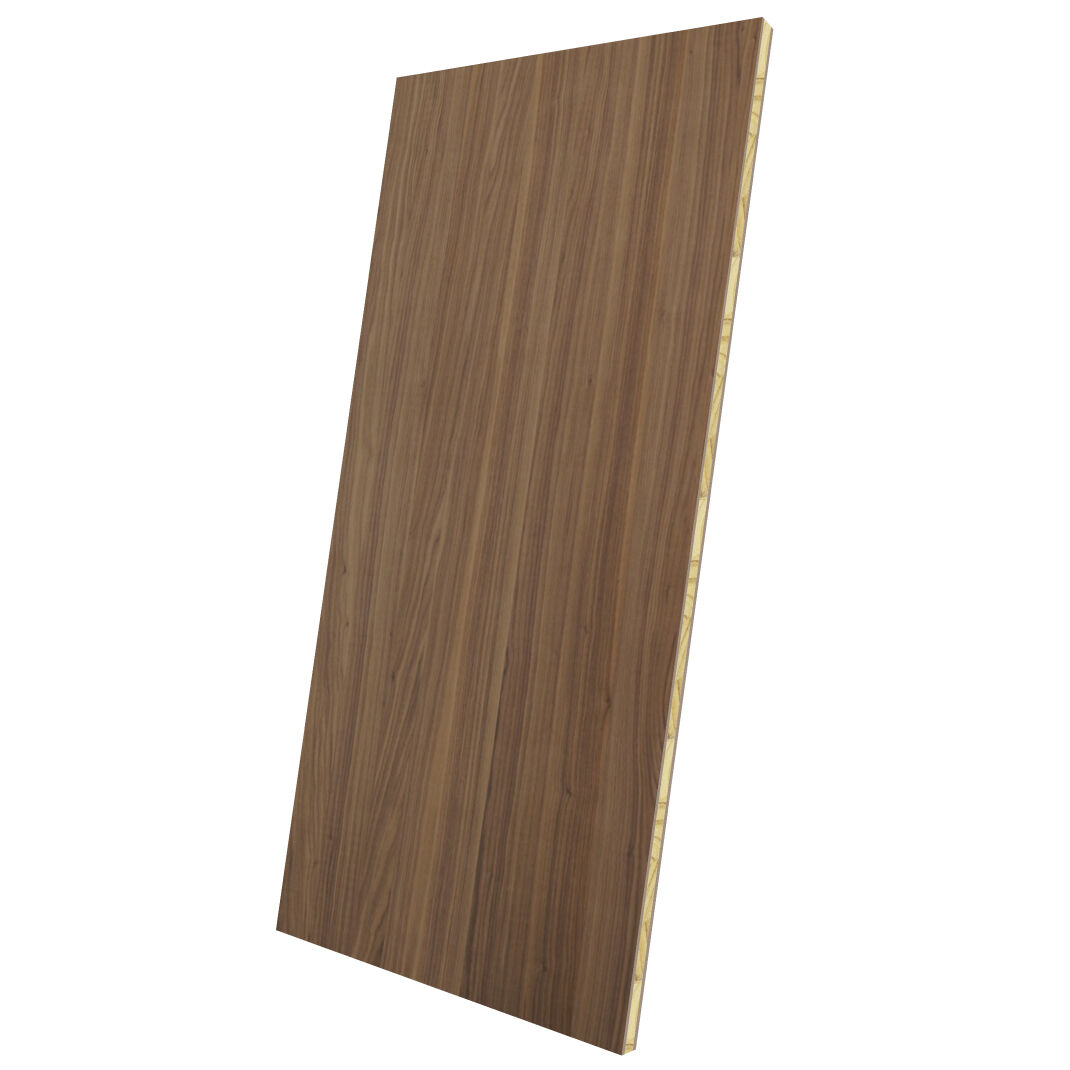
The architectural and interior design industry continues to embrace natural materials that combine aesthetic appeal with sustainable practices. Wood veneer represents one of the most versatile and environmentally conscious choices for professionals seeking to create stunning surfaces while maximizing resource efficiency. This comprehensive guide explores the essential considerations for selecting, purchasing, and implementing wood veneer solutions in contemporary projects.
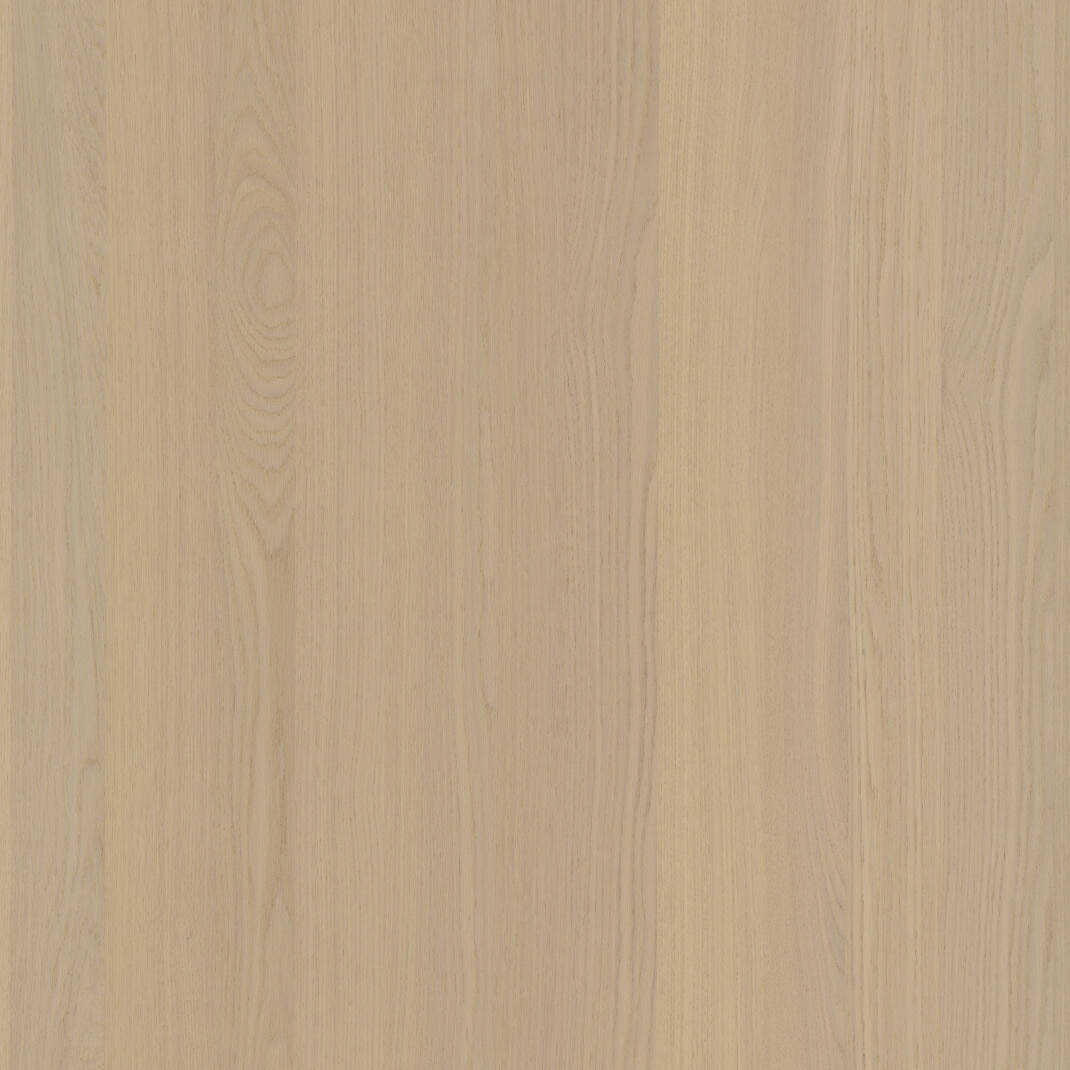
Modern manufacturing techniques have revolutionized the production and application of wood veneer across residential and commercial markets. Understanding the nuances of veneer selection empowers designers and contractors to make informed decisions that align with project requirements, budget constraints, and long-term performance expectations. The strategic use of veneer products enables the creation of luxurious appearances while maintaining cost-effectiveness and environmental responsibility.
Understanding Wood Veneer Types and Classifications
Natural Veneer Characteristics
Natural wood veneer showcases the authentic grain patterns, color variations, and texture characteristics inherent to specific tree species. Each sheet displays unique markings that reflect the growth conditions, age, and environmental factors that shaped the original timber. These natural variations contribute to the organic beauty and individuality that makes veneer applications so appealing in high-end architectural projects.
The manufacturing process for natural veneer involves careful selection of log sections, precise slicing techniques, and controlled drying methods that preserve the wood's inherent properties. Quality natural veneer maintains consistent thickness while showcasing the distinctive figure patterns that define each species. Professional-grade natural veneer undergoes rigorous quality control measures to ensure structural integrity and visual consistency across large installations.
Engineered Veneer Solutions
Engineered veneer products offer enhanced consistency and availability compared to traditional natural options. These manufactured alternatives utilize advanced processing techniques to create uniform grain patterns and color distributions that meet specific design requirements. Engineered solutions provide greater dimensional stability and reduced waste while maintaining the visual appeal of natural wood surfaces.
The production of engineered veneer involves reconstructing wood fibers through specialized bonding processes that optimize strength and appearance characteristics. This approach enables manufacturers to create consistent patterns, eliminate natural defects, and produce veneer sheets in standardized dimensions. Professional applications often benefit from the predictable performance and extended availability of engineered veneer products.
Quality Assessment and Selection Criteria
Visual Grading Standards
Professional wood veneer evaluation requires understanding the industry grading systems that classify products based on appearance, defect levels, and structural integrity. Premium grades exhibit minimal natural defects, consistent color matching, and superior figure quality that justifies higher investment costs. Understanding these grading standards enables informed purchasing decisions that align product quality with project specifications and budget parameters.
The assessment process involves examining veneer sheets for natural characteristics such as knots, mineral streaks, color variations, and grain irregularities. Higher grades demonstrate tighter quality control with minimal acceptable defects and superior color consistency. Professional buyers must balance aesthetic requirements against cost considerations when selecting appropriate grades for specific applications and client expectations.
Technical Performance Specifications
Beyond visual appearance, wood veneer selection requires evaluation of technical performance characteristics including moisture content, dimensional stability, and adhesion properties. Proper moisture levels ensure optimal bonding performance and minimize post-installation movement that could compromise surface integrity. Technical specifications provide critical data for matching veneer products with appropriate substrate materials and installation methods.
Professional-grade veneer products undergo testing for strength properties, flexibility characteristics, and environmental resistance factors that influence long-term performance. Understanding these technical aspects enables specification of appropriate products for demanding applications such as high-moisture environments, heavy-use surfaces, and specialized architectural installations. Proper technical evaluation prevents costly installation failures and ensures project success.
Application Methods and Installation Considerations
Substrate Preparation Requirements
Successful wood veneer installation begins with proper substrate preparation that ensures optimal adhesion and long-term stability. The underlying surface must exhibit appropriate smoothness, cleanliness, and moisture content levels that support effective bonding. Professional installation requires attention to substrate selection, surface preparation techniques, and environmental conditions that influence installation success.
Quality substrate materials provide the structural foundation that determines veneer performance and longevity. Common substrate options include medium-density fiberboard, particle board, and plywood products that offer different characteristics for specific applications. The selection process must consider factors such as dimensional stability, moisture resistance, and compatibility with chosen adhesive systems.
Adhesive Systems and Bonding Techniques
Modern adhesive technologies offer various bonding solutions that accommodate different wood veneer types and application requirements. Contact cement, hot-melt adhesives, and cold-press systems each provide specific advantages for different installation scenarios. Professional installers must understand the characteristics and limitations of each adhesive type to ensure appropriate selection and application techniques.
The bonding process requires careful attention to adhesive coverage, open time limitations, and pressure application methods that achieve optimal bond strength. Environmental factors such as temperature and humidity significantly influence adhesive performance and cure characteristics. Proper technique ensures uniform adhesion that prevents delamination and maintains surface integrity throughout the product lifecycle.
Cost Analysis and Budget Planning
Material Cost Variables
Wood veneer pricing reflects multiple factors including species rarity, grade quality, sheet dimensions, and market availability conditions. Exotic species and premium grades command higher prices due to limited supply and superior aesthetic characteristics. Understanding these cost variables enables realistic budget development and value engineering decisions that optimize project outcomes within financial constraints.
The purchasing process benefits from understanding seasonal price fluctuations, volume discount opportunities, and supplier relationship advantages that influence total project costs. Professional buyers often establish relationships with multiple suppliers to ensure competitive pricing and reliable availability for ongoing projects. Strategic purchasing approaches can significantly impact project profitability and client satisfaction levels.
Installation and Labor Considerations
Professional wood veneer installation requires skilled craftsmanship that justifies appropriate labor costs and project scheduling considerations. Complex patterns, curved surfaces, and specialized finishing requirements increase installation time and skill requirements. Accurate labor cost estimation prevents project overruns and ensures adequate resource allocation for quality installation work.
The installation process involves multiple phases including material preparation, substrate readiness, adhesive application, and finishing operations that each require specific expertise levels. Professional installation teams must possess appropriate tools, equipment, and experience to handle veneer products effectively. Quality installation practices ensure optimal results that justify the investment in premium materials and skilled craftsmanship.
Maintenance and Long-Term Care
Protective Finishing Systems
Wood veneer surfaces require appropriate protective finishes that enhance appearance while providing resistance to wear, moisture, and environmental factors. Finish selection impacts both aesthetic results and maintenance requirements throughout the product lifecycle. Professional applications often specify high-performance coating systems that balance protection with visual appeal and maintenance convenience.
Modern finish technologies offer various protection levels from basic sealers to advanced polyurethane systems that provide exceptional durability. The selection process must consider factors such as traffic levels, cleaning requirements, and refinishing schedules that influence long-term ownership costs. Proper finish selection and application ensure optimal performance and appearance retention over extended service periods.
Preventive Maintenance Protocols
Effective wood veneer maintenance involves regular cleaning procedures, environmental monitoring, and preventive care measures that preserve surface integrity and appearance. Professional maintenance programs establish cleaning schedules, appropriate product selection, and inspection protocols that identify potential issues before they become costly problems. Proper maintenance practices significantly extend service life and maintain aesthetic appeal.
Environmental control plays a crucial role in veneer longevity through management of humidity levels, temperature fluctuations, and exposure to direct sunlight that can cause dimensional changes and color fading. Professional facilities often implement climate control systems and UV protection measures that optimize environmental conditions for wood veneer installations. These preventive measures justify their cost through extended service life and reduced maintenance requirements.
FAQ
What factors determine wood veneer quality and pricing
Wood veneer quality depends on species selection, grade classification, manufacturing precision, and natural characteristics such as grain pattern and color consistency. Premium grades exhibit minimal defects, superior figure quality, and consistent appearance that commands higher prices. Manufacturing quality affects dimensional stability, moisture content, and adhesion properties that influence installation success and long-term performance.
How do I select appropriate veneer thickness for my application
Veneer thickness selection depends on substrate type, installation method, and intended use requirements. Standard thicknesses range from 0.6mm to 3mm with thicker options providing greater durability and sanding capacity. Curved applications typically require thinner veneer for flexibility while high-wear surfaces benefit from thicker options that accommodate refinishing operations.
What environmental conditions affect wood veneer performance
Wood veneer responds to humidity changes, temperature fluctuations, and direct sunlight exposure that can cause dimensional movement, color changes, and potential delamination. Optimal conditions maintain 30-50% relative humidity and stable temperatures between 60-80°F. Proper environmental control and protective finishes minimize these effects and ensure long-term stability and appearance retention.
Can damaged wood veneer surfaces be repaired or refinished
Minor veneer damage such as scratches, dents, and wear patterns can often be addressed through careful repair techniques and refinishing operations. Repair success depends on damage extent, veneer thickness, and finish type. Professional restoration services can address significant damage through patching, color matching, and refinishing processes that restore original appearance and protect underlying surfaces.
