 EN
EN



Modern furniture design has evolved significantly in recent decades, with manufacturers and designers increasingly turning to sophisticated finishing techniques that enhance both aesthetics and durability. The choice of surface treatment can dramatically transform the appearance and performance of furniture pieces, making it a critical consideration for both manufacturers and consumers. Understanding the various options available helps ensure that furniture pieces not only meet visual expectations but also deliver long-term performance in residential and commercial environments.
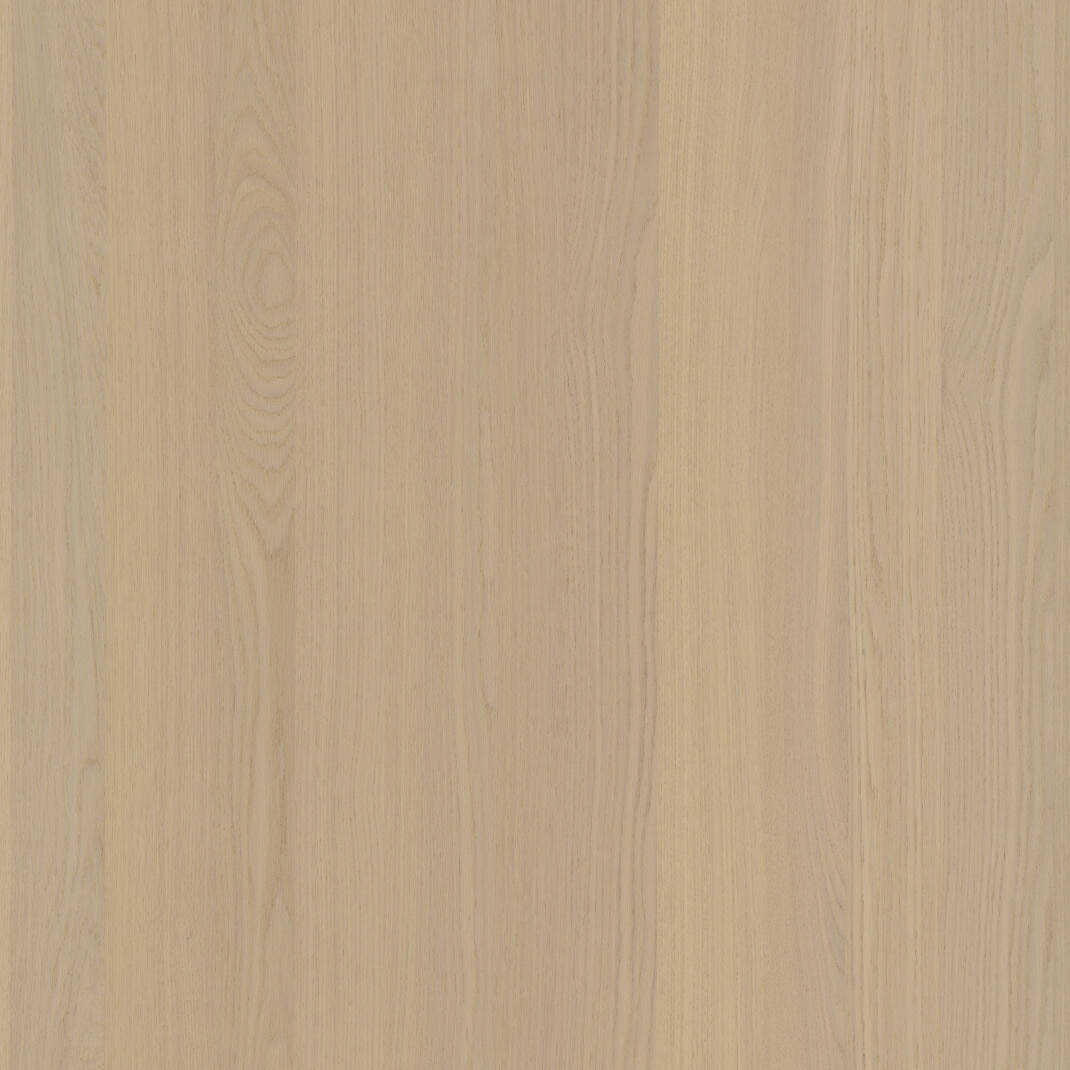
The selection of appropriate finishing techniques requires careful consideration of multiple factors including intended use, environmental conditions, maintenance requirements, and aesthetic preferences. Each finishing method offers unique advantages and characteristics that make it suitable for specific applications and design goals. The furniture industry continues to innovate in this area, developing new formulations and application techniques that improve performance while reducing environmental impact.
Understanding Wood Veneer Finishing Fundamentals
Surface Preparation and Base Requirements
Proper surface preparation forms the foundation of any successful finishing project, regardless of the specific technique chosen. The substrate must be thoroughly cleaned, sanded to appropriate grit levels, and inspected for defects that could compromise the final appearance. Dust removal is particularly critical, as even microscopic particles can create visible imperfections in the finished surface. Professional finishing operations typically employ tack cloths and compressed air systems to achieve the necessary cleanliness levels.
Temperature and humidity control during the preparation phase significantly impacts the success of subsequent finishing steps. Most professional workshops maintain controlled environments with temperature ranges between 65-75 degrees Fahrenheit and relative humidity levels between 40-60 percent. These conditions help ensure proper adhesion and curing of finishing materials while minimizing the risk of defects such as blushing, orange peel texture, or adhesion failure.
Chemical Compatibility and Interaction Factors
The interaction between different finishing materials requires careful consideration to avoid compatibility issues that could compromise performance or appearance. Primer selection must complement both the substrate characteristics and the topcoat chemistry to ensure proper adhesion and durability. Incompatible combinations can result in adhesion failure, discoloration, or other defects that may not become apparent until after installation.
Professional finishers often conduct small-scale compatibility tests before proceeding with full production runs, particularly when working with new material combinations or custom formulations. These tests help identify potential issues early in the process and allow for adjustments to be made before significant time and material investments are committed. Documentation of successful combinations helps build a knowledge base for future projects.
Lacquer-Based Finishing Systems
Nitrocellulose Lacquer Applications
Nitrocellulose lacquer has maintained its position as a preferred choice for high-end furniture finishing due to its exceptional clarity, depth, and repairability characteristics. This traditional finishing system builds up in multiple thin coats, creating a surface that can be polished to mirror-like perfection while retaining the natural beauty of the underlying wood grain. The relatively fast drying time of nitrocellulose lacquer makes it well-suited for production environments where turnaround speed is important.
The application technique for nitrocellulose lacquer requires considerable skill and experience to achieve consistent results. Spray application is the preferred method, allowing for even coverage and smooth surface texture. Each coat must be properly timed to ensure adequate flash-off of solvents while maintaining proper flow and leveling characteristics. Experienced finishers often apply between 5-8 coats, with light sanding between coats to remove any surface imperfections.
Pre-Catalyzed and Post-Catalyzed Lacquer Systems
Catalyzed lacquer systems offer enhanced durability and chemical resistance compared to traditional nitrocellulose formulations, making them particularly suitable for commercial furniture applications. Pre-catalyzed systems incorporate the catalyst during manufacturing, providing consistent performance with simplified application procedures. These systems typically offer excellent clarity and can be formulated to achieve various sheen levels from flat to high gloss.
Post-catalyzed lacquers require the addition of catalyst just before application, offering maximum performance characteristics but requiring more careful handling and timing considerations. The pot life of mixed material is limited, typically ranging from 4-8 hours depending on formulation and environmental conditions. However, the enhanced cross-linking that occurs during curing provides superior resistance to heat, chemicals, and physical wear compared to non-catalyzed systems.
Polyurethane and Conversion Varnish Options
Oil-Modified Polyurethane Characteristics
Oil-modified polyurethane finishes combine the durability benefits of synthetic resins with the natural appearance characteristics of traditional oil finishes. These systems penetrate slightly into the wood surface while building protective film thickness, creating a finish that enhances grain contrast and provides excellent protection against moisture and wear. The amber tone that develops over time adds warmth and character to wood surfaces, particularly on species such as oak, cherry, and walnut.
Application of oil-modified polyurethane typically involves brush or spray techniques, with careful attention to maintaining wet edges to avoid lap marks. The longer open time compared to lacquer systems allows for better flow and self-leveling, but requires patience as each coat may require 6-24 hours to cure sufficiently for recoating. The final surface can be rubbed to various sheen levels using appropriate abrasive compounds and polishing techniques.
Water-Based Polyurethane Systems
Water-based polyurethane formulations have gained significant popularity due to their low odor, rapid drying characteristics, and excellent clarity retention over time. These systems maintain the natural color of wood species without the amber tinting associated with oil-based alternatives. Environmental benefits include reduced volatile organic compound emissions and simplified cleanup procedures using soap and water rather than chemical solvents.
The application characteristics of water-based systems require specific techniques to achieve optimal results. Fast drying times demand efficient application methods and proper environmental control to prevent brush marks or spray patterns from becoming locked in the surface. Multiple thin coats typically produce better results than attempting to build thickness with fewer heavy applications. Proper stirring without introducing air bubbles is essential, as foam can create surface defects that are difficult to correct.
Specialty Finish Applications
Conversion Varnish Performance Benefits
Conversion varnish represents one of the most durable finishing options available for furniture applications, offering exceptional resistance to heat, chemicals, and physical wear. The cross-linking chemistry that occurs during curing creates a thermoset plastic film that maintains its integrity under conditions that would compromise other finishing systems. This makes conversion varnish particularly suitable for kitchen cabinetry, office furniture, and other high-use applications.
The application process for wood veneer finish requires careful attention to timing and environmental conditions, as the catalyst activation cannot be reversed once initiated. Professional spray equipment capable of handling higher viscosity materials is typically required, along with adequate ventilation systems to manage solvent emissions during application and curing. The investment in equipment and training is offset by the superior performance characteristics of the finished surface.
UV-Cured Coating Technologies
Ultraviolet-cured coatings represent advanced finishing technology that offers instant curing, exceptional durability, and environmentally friendly characteristics. These systems contain photoinitiators that trigger polymerization when exposed to UV energy, creating fully cured surfaces in seconds rather than hours or days required by conventional systems. The rapid curing enables continuous production processes and eliminates concerns about dust contamination during extended drying periods.
UV coating systems require specialized application and curing equipment, making them primarily suitable for high-volume production environments. The initial equipment investment is substantial, but operational benefits include reduced inventory of work-in-process, improved quality consistency, and elimination of drying space requirements. The fully cured surface exhibits excellent scratch resistance, chemical resistance, and clarity retention over extended service life.
Selection Criteria and Application Guidelines
Performance Requirements Assessment
Selecting the appropriate finishing system requires careful evaluation of the intended use environment and performance expectations for the finished furniture piece. Residential applications typically prioritize aesthetics and repairability, while commercial installations emphasize durability and maintenance efficiency. Environmental factors such as humidity variations, temperature extremes, and exposure to cleaning chemicals all influence the suitability of different finishing options.
The frequency and type of maintenance required varies significantly between different finishing systems and should be considered during the selection process. Some finishes can be easily touched up or renewed, while others require complete stripping and refinishing if repairs become necessary. Long-term cost considerations include both initial application expenses and ongoing maintenance requirements throughout the expected service life of the furniture.
Application Environment and Equipment Requirements
The available application environment significantly impacts the feasibility of different finishing options, particularly regarding ventilation, temperature control, and dust management. Solvent-based systems require extensive ventilation and fire safety precautions, while water-based alternatives offer more flexibility in application environments. Spray application generally produces superior results but requires appropriate booth facilities and air filtration systems.
Equipment requirements vary considerably between finishing systems, from basic brush application tools to sophisticated spray systems with heated material delivery and electrostatic charging capabilities. The volume of production and quality requirements help determine the appropriate level of equipment investment. Training requirements for operators also vary, with some systems requiring extensive experience to achieve consistent results while others are more forgiving of application variations.
Quality Control and Troubleshooting
Common Application Issues and Prevention
Successful finishing operations require systematic approaches to quality control that identify and address potential issues before they affect production quality. Common problems include adhesion failure, color variations, surface texture irregularities, and durability shortfalls. Each of these issues typically has identifiable root causes that can be addressed through proper material selection, application technique adjustment, or environmental control improvements.
Preventive measures include regular calibration of spray equipment, monitoring of environmental conditions, and systematic testing of material batches before production use. Documentation of process parameters for successful runs provides valuable reference information for troubleshooting when issues arise. Regular training updates for application personnel help maintain consistent technique and awareness of best practices for each finishing system used.
Testing and Validation Procedures
Comprehensive testing protocols help ensure that finished surfaces meet performance specifications and customer expectations. Standard test methods exist for evaluating characteristics such as adhesion strength, chemical resistance, abrasion resistance, and color stability. These tests can be conducted on sample pieces before full production or on periodic samples during production runs to verify continued quality.
Accelerated aging tests help predict long-term performance characteristics by subjecting samples to elevated temperature, humidity, and UV exposure conditions. While these tests cannot perfectly replicate real-world conditions, they provide valuable information about relative performance between different finishing options. Customer feedback and warranty claim analysis also provide important quality indicators that can guide future material and process selections.
FAQ
What factors determine the best wood veneer finish for specific furniture applications
The selection of optimal finishing systems depends on multiple factors including intended use environment, aesthetic preferences, maintenance requirements, and budget considerations. Residential furniture typically prioritizes appearance and repairability, while commercial applications emphasize durability and low maintenance. Environmental factors such as humidity variations, temperature extremes, and chemical exposure also significantly influence finish selection. Professional evaluation of these factors helps ensure that the chosen finishing system delivers satisfactory long-term performance.
How do application techniques affect the final quality of wood veneer finishes
Application technique plays a critical role in achieving optimal finish quality, with factors such as spray pattern, material temperature, humidity control, and timing between coats all affecting the final result. Proper surface preparation, including thorough cleaning and appropriate sanding, provides the foundation for successful finishing. Experienced applicators understand how environmental conditions influence material behavior and adjust techniques accordingly. Training and practice are essential for developing the skills necessary to consistently produce high-quality results with any finishing system.
What maintenance requirements should be considered when selecting wood veneer finishes
Maintenance requirements vary significantly between different finishing systems and should be carefully considered during selection. Some finishes allow for easy touch-up repairs and periodic renewal, while others require complete stripping and refinishing if restoration becomes necessary. The frequency of required maintenance depends on both the finishing system characteristics and the use environment. Understanding these requirements helps ensure that long-term ownership costs align with initial expectations and budget considerations.
How do environmental regulations impact wood veneer finish selection and application
Environmental regulations increasingly influence finishing system selection, particularly regarding volatile organic compound emissions and waste disposal requirements. Water-based systems and UV-cured coatings offer compliance advantages in many jurisdictions, while traditional solvent-based systems may require additional emission control equipment or operational restrictions. Professional finishing operations must stay current with applicable regulations and consider compliance costs when evaluating different finishing options. Green building standards and environmental certifications may also influence finish selection for specific projects.
Table of Contents
- Understanding Wood Veneer Finishing Fundamentals
- Lacquer-Based Finishing Systems
- Polyurethane and Conversion Varnish Options
- Specialty Finish Applications
- Selection Criteria and Application Guidelines
- Quality Control and Troubleshooting
-
FAQ
- What factors determine the best wood veneer finish for specific furniture applications
- How do application techniques affect the final quality of wood veneer finishes
- What maintenance requirements should be considered when selecting wood veneer finishes
- How do environmental regulations impact wood veneer finish selection and application
