 EN
EN


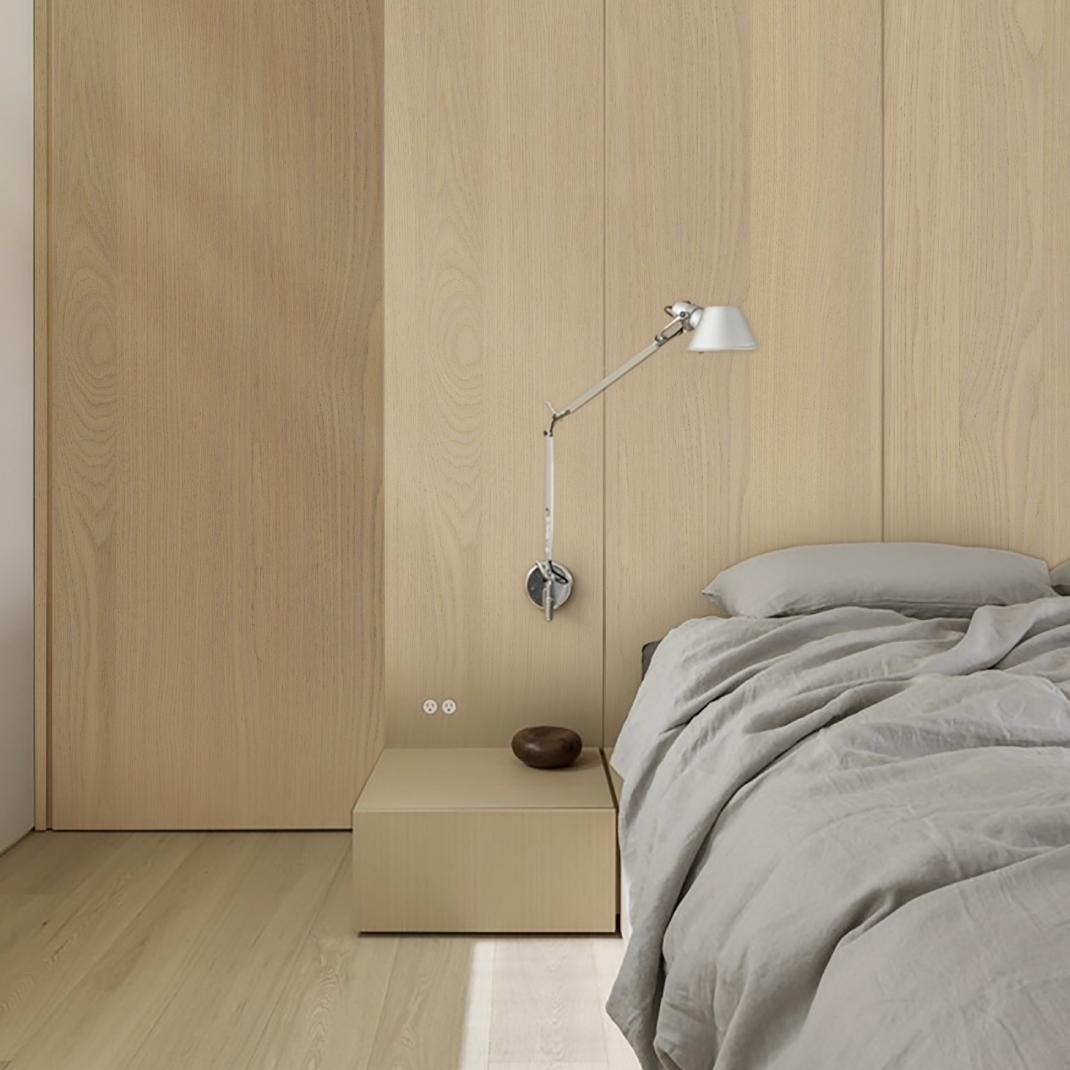
When designers and project managers evaluate surface materials for commercial interiors, one question consistently surfaces: does the choice of finish genuinely expand creative possibilities, or does it constrain them? veneer has long occupied a respected place in high-end design, but its role in contemporary commercial spaces goes far beyond mere aesthetics. It offers a combination of natural visual richness, tactile authenticity, and adaptable application formats that few other surfacing materials can match. For specifiers working on hotels, corporate offices, retail environments, and hospitality venues, understanding how veneer contributes to design flexibility is not a luxury consideration — it is a practical one.
The short answer to the title question is: yes, veneer can meaningfully improve design flexibility in commercial interiors — but only when its capabilities are fully understood and strategically applied. This article examines the structural and aesthetic dimensions of that flexibility, the contexts in which veneer performs best, and the practical considerations that help design teams make confident specification decisions. Whether you are fitting out a single-tenant office or coordinating a multi-floor hospitality project, the properties of veneer deserve close attention.
Understanding What Design Flexibility Actually Means in Commercial Contexts
Beyond Visual Variety
Design flexibility in commercial interiors is not simply about having many color options. It encompasses the ability to customize surface texture, adapt materials to complex geometrical forms, maintain visual consistency across large areas, and integrate surfaces with lighting and acoustic systems. Veneer addresses several of these dimensions simultaneously, which is what distinguishes it from many single-function surface materials. A material that is only decorative offers limited flexibility, while one that is simultaneously decorative, structural in its substrate applications, and adaptable to various fabrication techniques gives the designer a genuine toolkit.
Commercial projects typically involve multiple stakeholders — architects, interior designers, brand consultants, and facilities managers — each with distinct priorities. Veneer tends to perform well across these audiences because it communicates quality and warmth visually while also meeting practical benchmarks for durability and finishability. When a surface material can satisfy both brand storytelling goals and operational requirements, it directly contributes to project flexibility by reducing trade-offs.
The Role of Surface Texture in Spatial Experience
Texture is one of the most underutilized dimensions of commercial interior design, yet it profoundly affects how a space is perceived. Veneer brings an inherent textural complexity that synthetic surfaces often simulate but rarely replicate convincingly. The grain patterns, subtle relief variations, and light interaction properties of veneer create surfaces that read differently under different lighting conditions — a significant advantage in commercial environments where lighting design is dynamic.
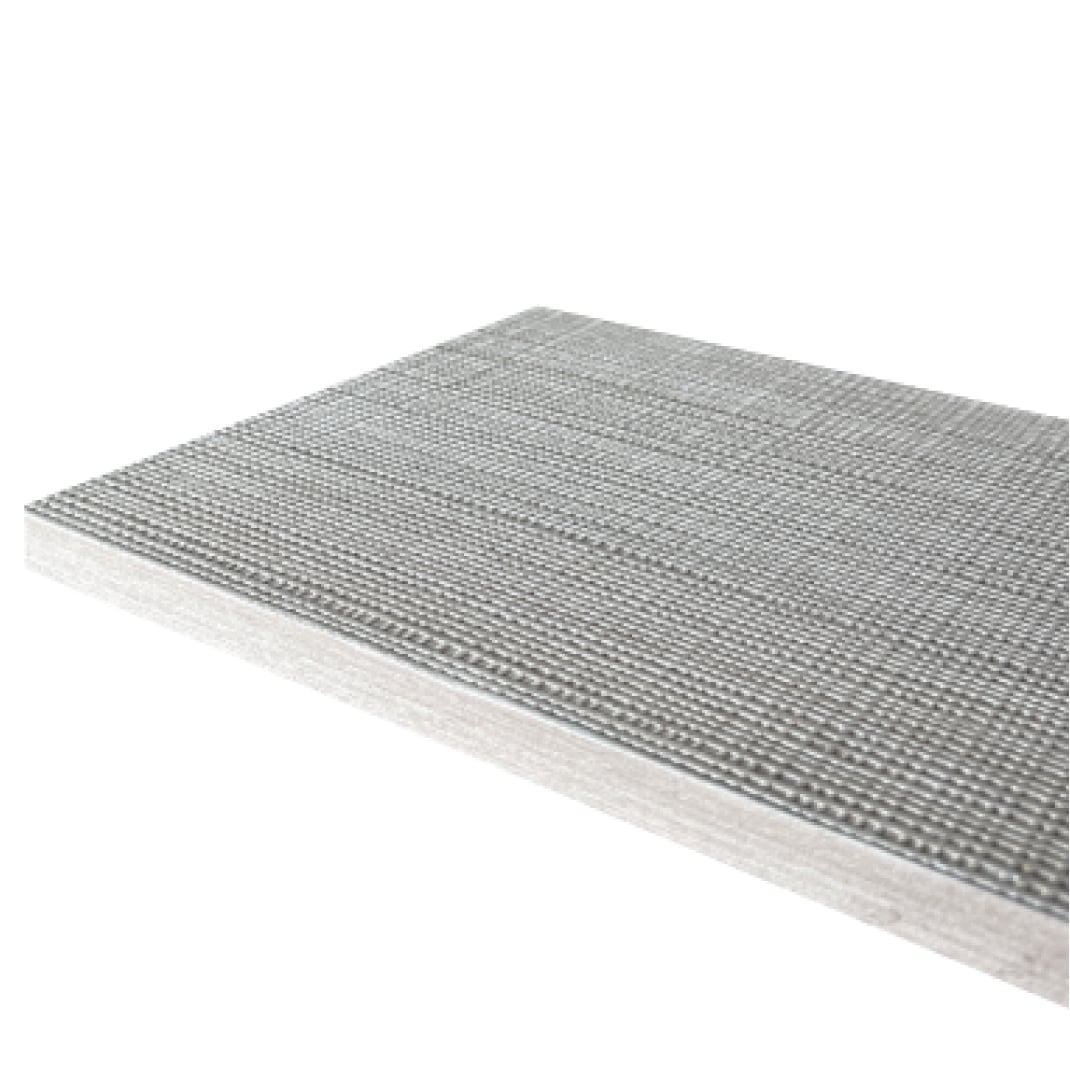
Modern veneer production has expanded this textural range considerably. Embossed veneer panels, for example, introduce physical depth beyond the natural grain, allowing designers to work with surface relief as an expressive tool. In reception areas, feature walls, and branded environment installations, this textural dimension gives the space a layered quality that flat-printed or laminate surfaces cannot achieve. For design teams looking to differentiate a commercial interior without resorting to extravagant material budgets, the textural richness of veneer offers a practical path forward.
How Veneer Supports Creative Range Across Commercial Applications
Adaptability Across Substrate and Format
One of the most practical aspects of veneer as a design material is its compatibility with a wide range of substrates and panel formats. Veneer can be applied to MDF, plywood, particleboard, and engineered panel systems, making it suitable for wall paneling, cabinetry, furniture, door skins, ceiling features, and decorative screens. This substrate flexibility means that a consistent veneer species or pattern can be carried across multiple furniture and architectural elements within the same commercial space, creating design coherence without requiring every element to be custom manufactured.
Panel-format veneer products are particularly relevant for commercial applications because they enable efficient installation and maintenance. Designers can specify large-format veneer panels for accent walls or full-room treatments, knowing that replacement panels can be sourced from the same batch or production run if repairs become necessary. This continuity is a practical form of flexibility that becomes especially important in high-traffic commercial environments where surface replacement is a real operational consideration.
Species, Cut, and Matching Patterns
The natural origin of veneer provides a diversity of visual options that manufactured materials must work hard to replicate. Different wood species offer distinct color palettes, grain structures, and character marks. Beyond species selection, the way veneer is cut — whether rotary, quarter-sawn, or crown-cut — produces meaningfully different visual outcomes from the same log. Designers working with veneer can therefore differentiate interiors not just by color but by grain architecture, which is a much more sophisticated form of material expression.
Matching patterns add another layer of creative possibility. Book-matched, slip-matched, and running-matched veneers each create distinct visual rhythms when applied to paneled surfaces. In a corporate boardroom, book-matched veneer wall panels create symmetry and formality. In a hospitality lounge, randomly matched veneer with pronounced grain movement suggests organic energy. These choices are available within a single material category, which is what gives veneer its particular design range. Few other materials allow this level of compositional control at the surface level.
Veneer in High-Demand Commercial Environments
Hospitality and Branded Spaces
The hospitality sector places exceptional demands on interior materials: surfaces must perform consistently under heavy use, appeal emotionally to guests, and support a distinctive brand identity. Veneer meets all three criteria effectively. Its warmth and tactile quality contribute to the sense of comfort and quality that hospitality brands invest heavily in communicating, while its durability — particularly when combined with protective coatings — makes it a practical choice for areas like reception desks, elevator interiors, bar fronts, and corridor paneling.
Branded environments — retail flagships, corporate headquarters, showrooms — benefit from veneer's ability to convey craftsmanship and authenticity. At a time when many consumers and clients are sensitive to the difference between genuine material quality and surface imitation, veneer signals a level of investment in the physical environment that resonates. For brand managers and their design partners, this signaling function is a real strategic asset, not merely an aesthetic preference.
Corporate and Workplace Interiors
Modern workplace design increasingly emphasizes biophilic elements — natural textures, organic forms, and materials that connect occupants to the natural world. Veneer is a direct expression of this design philosophy, bringing genuine wood character into interior environments that might otherwise rely entirely on synthetic or manufactured materials. Research consistently suggests that natural material cues in workplaces contribute to occupant wellbeing, reduced stress, and perceived environmental quality. Veneer allows workplace designers to incorporate these benefits with precision and creative control.
In open-plan offices, veneer-clad acoustic panels and partition systems serve both functional and aesthetic purposes, addressing sound management requirements while maintaining visual warmth. Executive areas and meeting rooms benefit from the gravitas that veneer surfaces convey, supporting the professional atmosphere these spaces are intended to project. Across the spectrum of corporate workplace typologies, veneer consistently demonstrates its capacity to serve multiple design objectives simultaneously.
Practical Specification Considerations for Veneer in Commercial Projects
Durability, Finishing, and Maintenance
One concern that sometimes arises in commercial specification discussions is whether veneer can withstand the demands of high-traffic environments. The answer depends significantly on the finishing system applied. Properly sealed and top-coated veneer surfaces are highly resistant to everyday wear, moisture ingress, and surface contamination. For areas with elevated contact or cleaning frequency, hard-wax oil and UV-cured lacquer systems provide robust protection without compromising the natural appearance of the veneer.
Maintenance planning should account for the finish type and the anticipated wear pattern of each application. Vertical surfaces such as wall panels and door skins typically require less intensive maintenance regimes than horizontal surfaces or high-contact areas like reception counters. Understanding this distinction allows project teams to specify veneer with confidence across a full commercial interior, applying appropriate finish specifications to each zone rather than imposing a single conservative standard on all surfaces.
Sustainability and Responsible Sourcing
Sustainability credentials are increasingly non-negotiable in commercial interior specification, particularly for clients with environmental commitments or green building certification targets. Veneer has a strong sustainability story: because it uses a thin slice of real wood bonded to an engineered substrate, it maximizes the yield from each log compared to solid timber. The same volume of raw material that might produce a modest quantity of solid wood components can yield substantially more veneer surface area, reducing the overall timber resource requirement for a given project.
When sourced from certified sustainable forestry programs, veneer contributes positively to certification schemes such as LEED and BREEAM. Specifiers should confirm chain-of-custody documentation with their veneer supplier and ensure that the adhesive and substrate systems used also meet relevant emissions standards. These details matter for project documentation and client reporting, and they reinforce the case for veneer as a responsible material choice in commercial contexts.
FAQ
Is veneer suitable for moisture-prone commercial areas like hotel bathrooms or restaurant kitchens?
Veneer is primarily recommended for dry to semi-dry commercial environments. In areas with direct moisture exposure, such as bathrooms or commercial kitchens, veneer requires careful substrate selection and a robust sealing system. Moisture-resistant MDF substrates combined with fully encapsulating finishes can extend the suitability of veneer into moderately humid environments, but areas with standing water or steam exposure generally call for alternative surface materials unless specially engineered veneer panel systems designed for wet conditions are specified.
Can veneer be used in commercial spaces that require fire-rated surface finishes?
Yes, veneer panels can be produced to meet fire-rating requirements through the use of fire-retardant-treated substrates and intumescent coatings. The specific fire class achievable depends on the panel system specification and the applicable building code. For commercial projects in regulated environments such as hotels, hospitals, or public assembly spaces, specifiers should request documented fire-performance test data from their veneer panel supplier and confirm compliance with local standards early in the project timeline.
How does veneer compare to high-pressure laminate in terms of design flexibility?
Both veneer and high-pressure laminate offer substantial design flexibility, but they serve different design intentions. Laminate provides a consistent, highly reproducible surface that excels in durability and standardization. Veneer offers authentic natural character, grain variation, and a tactile quality that laminate approximates but does not replicate. In commercial interiors where differentiation, brand authenticity, and material quality are primary drivers, veneer typically provides greater expressive range. In environments where absolute uniformity and maximum durability are prioritized, laminate may offer practical advantages. Many successful commercial projects use both materials in complementary roles.
What lead times should commercial projects expect when specifying custom veneer panels?
Lead times for veneer panels depend on the complexity of the specification, the availability of the chosen species, and the finishing requirements. Standard veneer panel products from stock programs typically carry shorter lead times of two to four weeks. Custom species, matching patterns, embossed textures, or bespoke dimensions may require six to twelve weeks depending on production schedules and material sourcing. Commercial project teams should factor these lead times into their procurement planning, particularly for large-format or architecturally significant veneer installations where delays could affect the broader construction program.
Table of Contents
- Understanding What Design Flexibility Actually Means in Commercial Contexts
- How Veneer Supports Creative Range Across Commercial Applications
- Veneer in High-Demand Commercial Environments
- Practical Specification Considerations for Veneer in Commercial Projects
-
FAQ
- Is veneer suitable for moisture-prone commercial areas like hotel bathrooms or restaurant kitchens?
- Can veneer be used in commercial spaces that require fire-rated surface finishes?
- How does veneer compare to high-pressure laminate in terms of design flexibility?
- What lead times should commercial projects expect when specifying custom veneer panels?
