 EN
EN


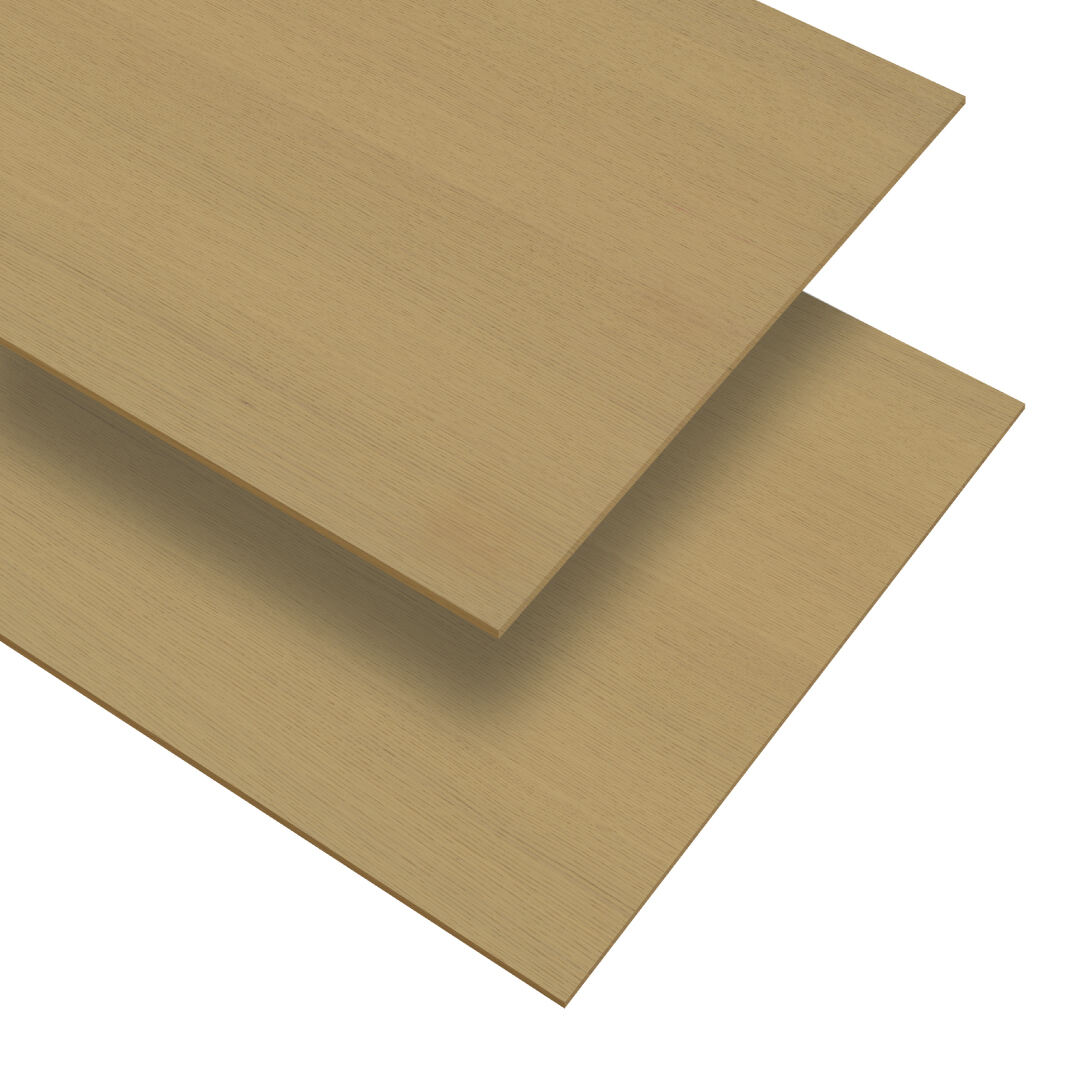
In modern interior design and furniture manufacturing, wood veneer has become one of the most strategically valuable materials available. It bridges the gap between the timeless appeal of solid timber and the practical demands of large-scale production. By delivering authentic wood grain texture and natural warmth at a fraction of the raw material cost, wood veneer offers a compelling solution for designers, manufacturers, and specifiers who refuse to compromise on visual quality. Understanding how wood veneer achieves this balance helps professionals make smarter sourcing and design decisions.
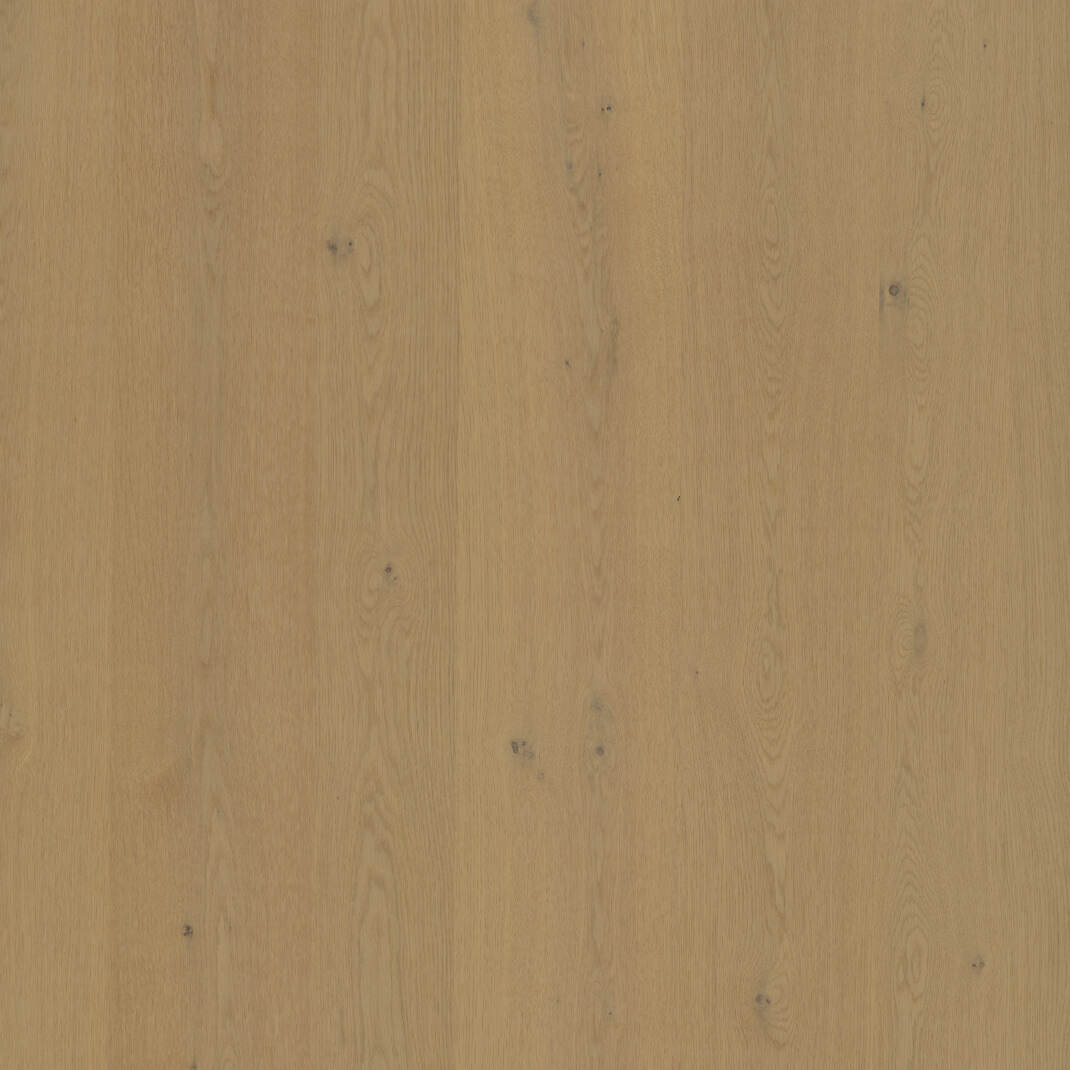
Wood veneer is a thin slice of real wood, typically ranging from 0.5 mm to 3 mm in thickness, bonded to a substrate such as MDF, plywood, or particleboard. Because wood veneer uses only a thin layer of natural timber, a single log can yield significantly more surface area compared to solid wood cutting. This makes wood veneer a highly efficient material without sacrificing the organic character that natural wood brings to any space. The result is a product that serves both aesthetic and sustainability goals simultaneously.
The Aesthetic Strength of Wood Veneer
Authentic Grain and Natural Character
One of the primary reasons wood veneer continues to dominate premium interior applications is its genuine visual authenticity. Unlike printed laminates or synthetic films, wood veneer carries the actual grain patterns, color variations, and texture of real timber. Each sheet of wood veneer is unique, which means furniture surfaces and wall panels finished with wood veneer retain the natural character that synthetic alternatives cannot replicate. This visual richness is particularly valued in hospitality, residential, and high-end commercial environments where atmosphere and material honesty matter.
Wood veneer also offers significant design flexibility. Because wood veneer can be sliced using rotary, flat, or quarter-cut methods, designers can select grain patterns that suit specific aesthetic directions. A rotary-cut wood veneer creates wide, sweeping patterns ideal for bold statement surfaces, while a quarter-cut wood veneer delivers a tighter, more consistent grain suitable for formal or minimalist interiors. This level of grain control gives wood veneer a distinct advantage over solid wood, where cutting options are far more limited by log geometry.
Surface Finishing Possibilities
Wood veneer accepts a wide range of surface treatments including staining, oiling, lacquering, and painted finishes. Italian-style painted wood veneer, for example, combines the texture of real oak grain with curated color palettes to achieve sophisticated decorative effects. This versatility means wood veneer can be adapted to contemporary, traditional, or transitional design languages without losing its material integrity. The surface of wood veneer responds to finishing in ways that engineered films simply cannot match, producing depth, richness, and tactile warmth.
Material Efficiency and Responsible Sourcing
Maximizing Timber Yield
The core efficiency advantage of wood veneer lies in its yield ratio. A single cubic meter of high-quality timber can produce far more usable surface area as wood veneer than it ever could as solid wood boards. This dramatically reduces the volume of timber required to cover large surface areas, making wood veneer a resource-efficient alternative in any production context. For manufacturers producing thousands of panels, cabinetry units, or door faces per month, the material savings delivered by wood veneer translate directly into cost reduction and lower raw material consumption.
Wood veneer also enables the use of rare or slow-growing species without depleting them rapidly. Species such as walnut, teak, and European oak can be incorporated into product lines using wood veneer in quantities that would be economically and ecologically unsustainable with solid lumber. By extending the reach of premium timber through wood veneer, manufacturers can offer luxury aesthetics at accessible price points while reducing pressure on forest resources. This makes wood veneer central to responsible material planning in modern production.
Structural Stability Through Substrate Integration
Solid wood is subject to expansion, contraction, and warping in response to moisture and temperature fluctuations. Wood veneer bonded to engineered substrates such as MDF or plywood inherits the dimensional stability of the substrate while retaining the visual properties of real timber. This combination gives wood veneer panels a practical edge in climates with high humidity variation or in applications such as built-in furniture and kitchen cabinetry where movement tolerance is critical. The structural partnership between wood veneer and its substrate solves a long-standing limitation of solid timber without compromising surface quality.
This substrate compatibility also allows wood veneer to be applied across larger panel formats than solid wood permits. Wide wall cladding panels, full-height doors, and expansive furniture facades are all achievable with wood veneer without the jointing and matching challenges that arise with solid timber. The scale that wood veneer enables opens design possibilities that would otherwise be cost-prohibitive or technically impractical.
Applications Where Wood Veneer Delivers the Most Value
Furniture and Cabinetry Manufacturing
In furniture production, wood veneer is a preferred surface material for cabinet doors, drawer fronts, tabletops, and bed headboards. Its combination of visual richness, substrate stability, and finishing versatility makes wood veneer particularly effective in high-volume production where consistent quality across large batches is essential. Furniture brands using wood veneer can offer collections that feel premium and artisan-crafted while maintaining efficient manufacturing workflows. The consistency achievable with wood veneer across a batch also ensures uniformity that buyers expect in professional and residential projects.
Architectural Interiors and Wall Paneling
Architects and interior designers frequently specify wood veneer for wall panels, ceiling linings, reception desks, and custom joinery. The material weight of wood veneer panels is significantly lower than solid wood, which simplifies installation and reduces structural load requirements. In commercial interiors, wood veneer creates warm, biophilic environments that improve occupant experience while meeting fire-rated performance requirements when applied to appropriate substrates. The visual continuity achievable with matched wood veneer panels creates a cohesive, refined atmosphere that elevates the perceived quality of any interior space.
FAQ
How durable is wood veneer in everyday use?
Wood veneer is durable when properly finished and maintained. The surface hardness depends largely on the species used and the protective coating applied. With a quality lacquer or oil finish, wood veneer surfaces resist everyday wear effectively and can be lightly sanded and refinished when needed, extending product lifespan considerably.
Is wood veneer suitable for moisture-prone areas?
Wood veneer can be used in moderately humid environments when sealed with appropriate finishes and bonded to moisture-resistant substrates. However, wood veneer is not recommended for direct water exposure. In kitchens and bathrooms, proper sealing and ventilation are essential to protect wood veneer surfaces from prolonged moisture contact.
How does wood veneer compare to solid wood in terms of value?
Wood veneer delivers comparable visual quality to solid wood at a significantly lower material cost. For applications where surface appearance is the primary requirement, wood veneer provides exceptional value. It also offers better dimensional stability in variable climates, making wood veneer a practical and cost-efficient alternative to solid timber in most interior applications.
