 EN
EN



In busy public environments, uncontrolled sound can quickly become a source of stress, distraction, and reduced productivity. Whether it is a bustling open-plan office, a crowded restaurant, or a school corridor filled with echoing footsteps, the acoustic quality of a space has a direct and measurable impact on how people feel and function within it. An acoustic panel is one of the most effective and architecturally versatile tools available for addressing these challenges, transforming noisy, reverberant environments into spaces that feel calm, clear, and comfortable.
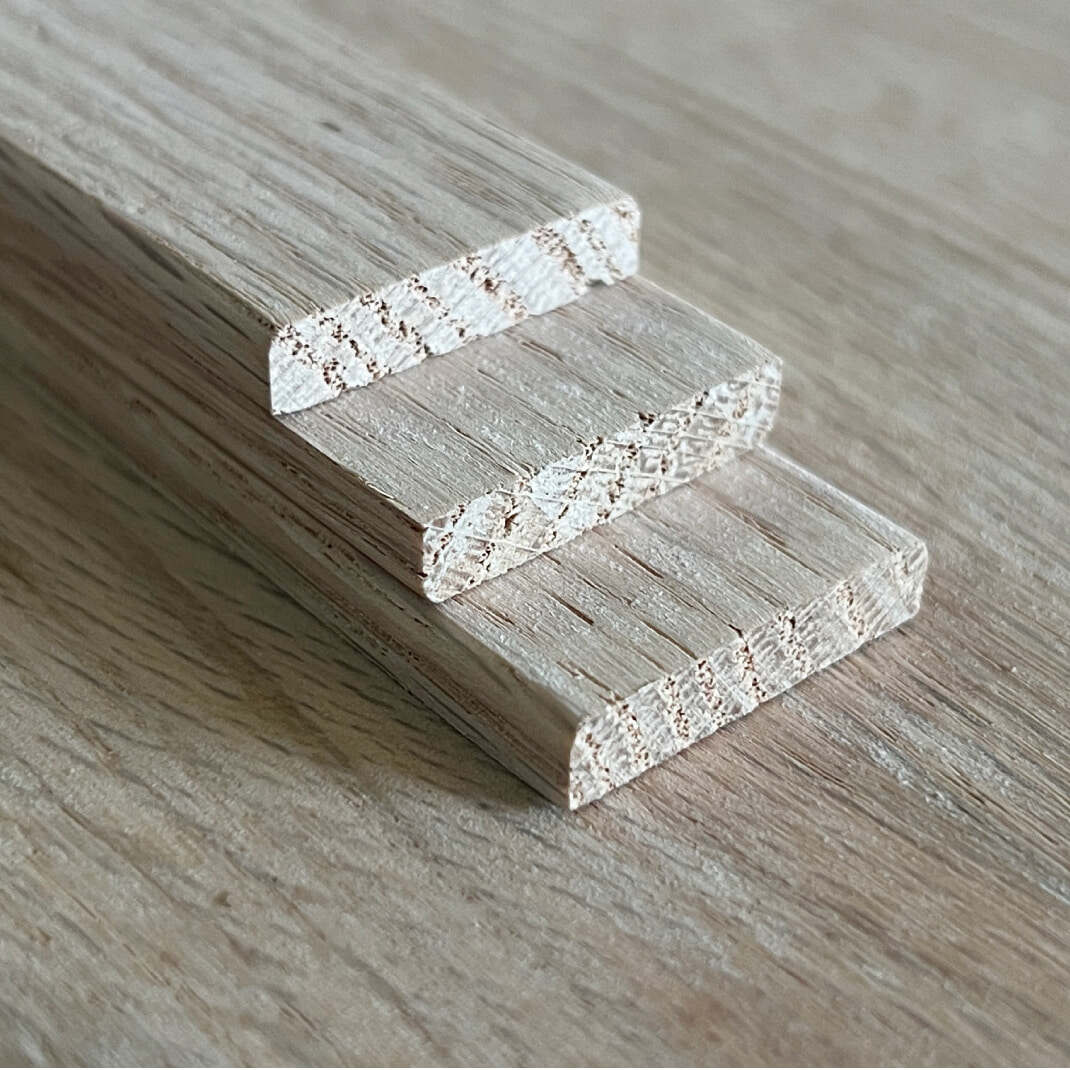
Understanding how an acoustic panel actually works — and why its placement, material composition, and design all matter — is essential for architects, interior designers, facility managers, and procurement professionals who are responsible for the acoustic performance of public spaces. This article explores the mechanisms behind acoustic panel technology, the specific ways it improves sound comfort, and the practical considerations that determine how well it performs in real-world applications.
The Science Behind How an Acoustic Panel Works
Sound Absorption and Energy Conversion
When sound waves travel through a space, they bounce off hard surfaces such as concrete walls, glass windows, and tiled floors. Each reflection adds to the overall noise level and extends the time sound remains audible in the room — a phenomenon known as reverberation. An acoustic panel interrupts this cycle by absorbing sound energy rather than reflecting it back into the space.
The absorption process works through the conversion of acoustic energy into a small amount of heat energy as sound waves pass through the porous or fibrous structure of the panel material. This conversion reduces the amplitude of reflected sound, lowering the overall noise level and shortening reverberation time. The result is a space where speech is clearer, background noise feels less overwhelming, and the overall sonic environment becomes noticeably more comfortable.
The effectiveness of an acoustic panel in absorbing sound is measured by its Noise Reduction Coefficient, commonly referred to as NRC. A panel with an NRC of 0.85, for example, absorbs 85 percent of the sound energy that strikes it. Higher NRC values indicate better absorption performance, and selecting panels with appropriate NRC ratings for the intended environment is a critical step in any acoustic design project.
Diffusion and Reflection Control
Beyond simple absorption, some acoustic panel designs incorporate surface geometry that scatters sound waves in multiple directions rather than allowing them to reflect in a single concentrated path. This diffusion effect is particularly valuable in spaces such as auditoriums, conference rooms, and performance venues, where controlling the direction and distribution of sound is just as important as reducing its overall level.
A well-designed acoustic panel can therefore serve a dual function: absorbing excess energy to reduce reverberation while simultaneously diffusing remaining sound energy to create a more even, natural-sounding acoustic environment. This combination is what distinguishes a thoughtfully specified acoustic panel solution from a simple noise-dampening measure.
How Acoustic Panels Improve Sound Comfort in Specific Public Spaces
Open-Plan Offices and Collaborative Workspaces
Open-plan offices present one of the most demanding acoustic challenges in modern commercial design. The absence of floor-to-ceiling partitions means that conversations, phone calls, keyboard sounds, and ambient noise from HVAC systems all compete within the same shared acoustic environment. Research consistently shows that noise distraction is among the leading causes of reduced concentration and self-reported dissatisfaction in open workplaces.
Installing an acoustic panel on walls, ceilings, or as freestanding dividers significantly reduces the speech intelligibility radius — the distance over which a conversation can be clearly understood by unintended listeners. By shortening reverberation time and absorbing mid-frequency sound energy, which is the range most associated with human speech, an acoustic panel makes it easier for individuals to focus on their own tasks without being drawn into nearby conversations.
Ceiling-mounted acoustic panel arrays are particularly effective in open offices because they intercept sound before it has the opportunity to reflect off the floor and travel horizontally across the workspace. Combined with wall-mounted panels near high-activity zones such as collaboration areas and reception desks, a layered acoustic panel strategy can transform a chaotic open office into a productive and comfortable environment.
Restaurants, Cafes, and Hospitality Venues
The acoustic environment of a dining space has a direct influence on customer experience and dwell time. Spaces with high reverberation tend to feel louder as occupancy increases, because each additional conversation adds to the reflected noise field, creating a feedback loop that encourages people to speak even louder to be heard. This phenomenon, sometimes called the 'cocktail party effect,' can make a restaurant feel uncomfortably loud even at moderate occupancy levels.
An acoustic panel installed on walls, ceilings, or integrated into decorative elements such as baffles and suspended features absorbs this excess energy and breaks the feedback loop. Guests can converse at a normal volume, staff can communicate more clearly, and the overall atmosphere shifts from stressful to relaxed. For hospitality operators, this improvement in acoustic comfort translates directly into longer visits, higher customer satisfaction scores, and stronger repeat business.
The aesthetic dimension of an acoustic panel is especially important in hospitality settings, where visual design is a core part of the brand experience. Modern acoustic panel products are available in a wide range of materials, finishes, and forms — including solid wood grille panels that combine genuine acoustic performance with warm, natural aesthetics that complement high-end interior design schemes.
Educational Facilities and Healthcare Environments
In schools and universities, acoustic quality has a well-documented effect on learning outcomes. Students in classrooms with poor acoustics — characterized by high reverberation and background noise — consistently demonstrate lower comprehension scores and greater listening fatigue compared to those in acoustically treated spaces. An acoustic panel installed in classrooms, lecture halls, and corridors reduces reverberation time to levels recommended by educational acoustic standards, making it easier for students to hear and process spoken instruction.
Healthcare environments present a different but equally important acoustic challenge. Hospitals, clinics, and care facilities must balance the need for speech privacy — ensuring that sensitive conversations between patients and clinicians cannot be overheard — with the need to reduce overall noise levels that contribute to patient stress and sleep disruption. An acoustic panel contributes to both objectives by absorbing sound energy that would otherwise travel through corridors and shared spaces, and by reducing the reverberation that makes voices carry further than intended.
Material Choices and Their Impact on Acoustic Panel Performance
Fibrous and Foam-Based Core Materials
The core material of an acoustic panel is the primary determinant of its absorption characteristics. Mineral wool, glass wool, and open-cell acoustic foam are among the most widely used core materials because of their high porosity and their ability to absorb sound across a broad frequency range. These materials are particularly effective at absorbing mid- and high-frequency sound, which includes the frequency range most associated with speech intelligibility and the perception of noise.
The thickness of the core material also plays a significant role in performance. Thicker panels generally provide better absorption at lower frequencies, which are harder to control and require more material mass to attenuate effectively. For spaces where low-frequency noise from mechanical systems or bass-heavy music is a concern, specifying an acoustic panel with a thicker core or a resonant absorber design is an important consideration.
Surface Finishes and Structural Facings
The facing material applied to the surface of an acoustic panel affects both its aesthetic appearance and its acoustic transparency — the degree to which sound can pass through the surface to reach the absorptive core. Fabric-wrapped panels offer high acoustic transparency and a clean, professional appearance suitable for corporate and institutional environments. Perforated wood or metal facings provide a more architectural aesthetic while maintaining sufficient acoustic transparency to allow effective absorption.
Solid wood grille panels represent a particularly refined option for public spaces where both acoustic performance and visual quality are priorities. The open grille structure allows sound to pass through to the absorptive backing while the natural wood surface contributes warmth and texture to the interior environment. This combination makes a solid wood acoustic panel an appropriate choice for premium hospitality, cultural, and corporate settings where the acoustic treatment must also serve as a design feature.
Understanding the relationship between facing material, core composition, and installation method is essential for specifying an acoustic panel that will perform as intended. A panel with excellent core absorption characteristics but a facing material that reflects rather than transmits sound will underperform relative to its rated NRC, highlighting the importance of evaluating the complete panel system rather than individual components in isolation.
Installation Strategies That Maximize Acoustic Panel Effectiveness
Coverage Area and Placement Logic
The acoustic improvement delivered by an acoustic panel is directly related to the total surface area of absorption installed relative to the volume of the space. A common mistake in acoustic design is installing too few panels, resulting in marginal improvement that fails to meet the acoustic targets for the project. As a general principle, the coverage area of acoustic panel treatment should be calculated based on the target reverberation time for the space, the existing surface materials, and the volume of the room.
Placement strategy is equally important. Panels installed at first reflection points — the locations on walls and ceilings where sound first bounces after leaving its source — deliver the greatest acoustic benefit per unit of panel area. In a rectangular room, the first reflection points on the side walls and ceiling can be identified geometrically based on the positions of the primary sound sources and listening positions. Concentrating acoustic panel coverage at these locations is more efficient than distributing panels uniformly across all available surfaces.
Combining Wall, Ceiling, and Freestanding Panels
A comprehensive acoustic panel strategy typically combines wall-mounted, ceiling-mounted, and freestanding panel elements to address sound from multiple angles and at multiple stages of its propagation through the space. Wall panels intercept lateral reflections, ceiling panels address overhead reflections and reduce the overall reverberation field, and freestanding panels provide localized acoustic treatment in specific zones such as workstations, reception areas, or dining clusters.
In large open spaces such as airport terminals, sports facilities, and exhibition halls, suspended ceiling baffles — which are essentially acoustic panel elements oriented vertically and hung from the ceiling structure — provide a practical solution for introducing significant absorption area without requiring wall space. The vertical orientation of baffles also makes them effective at intercepting sound traveling horizontally across the space, which is the primary propagation path in large open volumes.
Integrating acoustic panel elements into the architectural design from the earliest stages of a project, rather than treating them as a retrofit solution, allows for the most seamless and effective outcomes. When acoustic panel placement is coordinated with lighting, HVAC, and structural elements during the design phase, the result is a space that performs well acoustically without compromising the visual or functional integrity of the interior.
FAQ
What types of public spaces benefit most from acoustic panel installation?
Any public space with hard, reflective surfaces and significant occupancy levels can benefit from acoustic panel treatment. Open-plan offices, restaurants, schools, healthcare facilities, libraries, and transportation hubs are among the environments where acoustic panel installation consistently delivers measurable improvements in sound comfort, speech intelligibility, and overall user satisfaction.
How many acoustic panels are needed to make a noticeable difference?
The required quantity of acoustic panel coverage depends on the volume of the space, the existing surface materials, and the target reverberation time. A qualified acoustic consultant can calculate the precise coverage needed, but as a practical starting point, treating at least 15 to 25 percent of the total surface area with high-performance acoustic panel material typically produces a perceptible improvement in most commercial environments.
Can an acoustic panel be both functional and visually appealing in a designed interior?
Yes. Modern acoustic panel products are designed to meet both performance and aesthetic requirements. Options such as fabric-wrapped panels, perforated metal panels, and solid wood grille panels offer a wide range of visual styles that can complement or enhance the interior design of a space. The key is to specify panels that are acoustically transparent at the surface level so that the absorptive core can perform effectively while the facing material contributes to the visual character of the environment.
Does the thickness of an acoustic panel affect its performance at different frequencies?
Yes, panel thickness has a significant effect on low-frequency absorption. Thinner acoustic panel products tend to perform well at mid and high frequencies but offer limited absorption below approximately 500 Hz. For spaces where low-frequency noise is a concern — such as rooms adjacent to mechanical plant, music venues, or spaces with significant HVAC noise — specifying a thicker acoustic panel or incorporating resonant absorber designs into the treatment strategy will produce better results across the full audible frequency range.
Table of Contents
- The Science Behind How an Acoustic Panel Works
- How Acoustic Panels Improve Sound Comfort in Specific Public Spaces
- Material Choices and Their Impact on Acoustic Panel Performance
- Installation Strategies That Maximize Acoustic Panel Effectiveness
-
FAQ
- What types of public spaces benefit most from acoustic panel installation?
- How many acoustic panels are needed to make a noticeable difference?
- Can an acoustic panel be both functional and visually appealing in a designed interior?
- Does the thickness of an acoustic panel affect its performance at different frequencies?
