 EN
EN


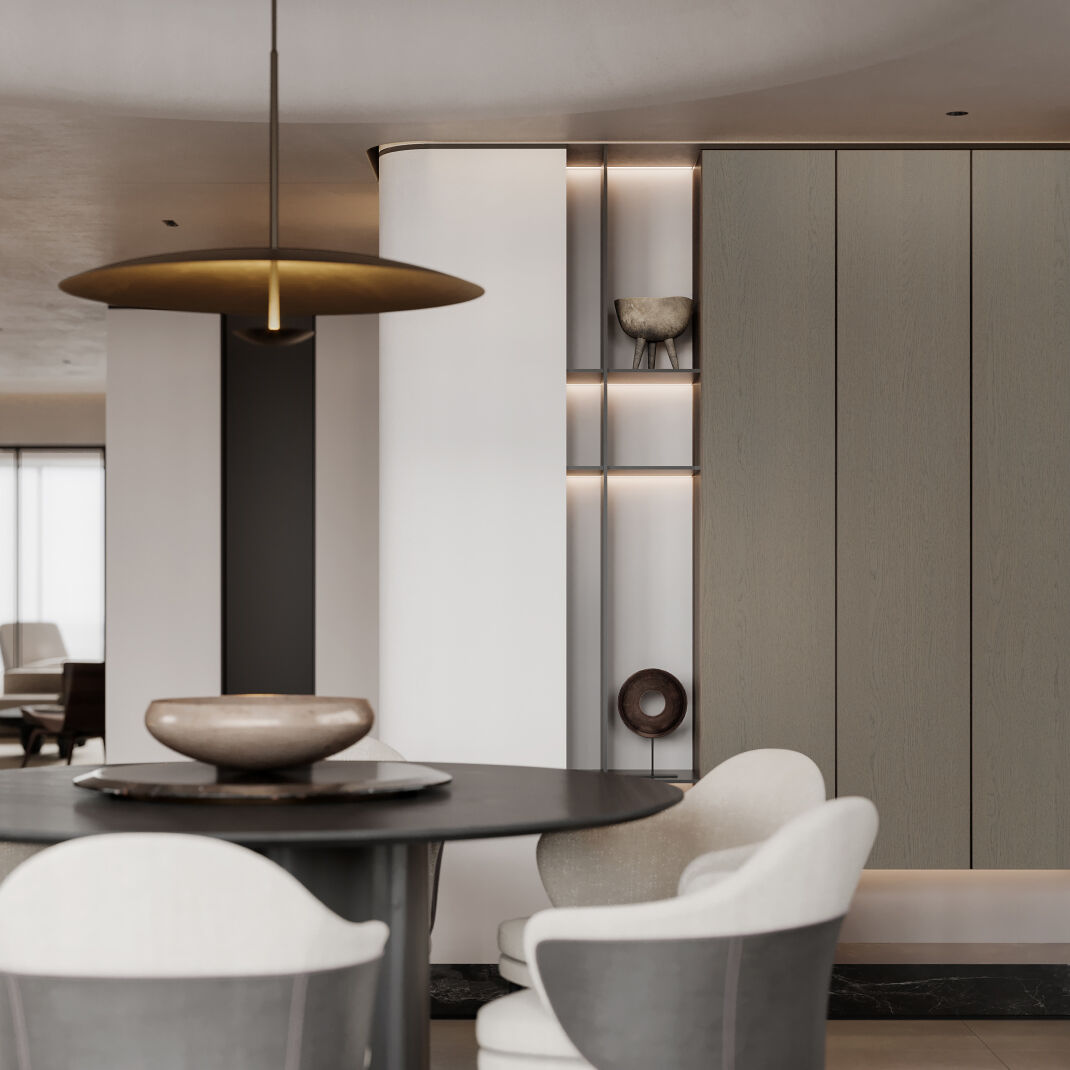
Construction and interior fit-out projects are under constant pressure to deliver faster, cleaner, and more cost-efficient results. One of the most significant shifts happening across commercial and residential building projects is the growing adoption of prefinished wood panels as a strategic alternative to traditional site-finished wood systems. These panels arrive at the job site already surface-treated, sanded, sealed, or lacquered, meaning that the time-consuming and labor-intensive finishing stages that once had to happen on location are largely eliminated before the first panel is ever unloaded from the truck.
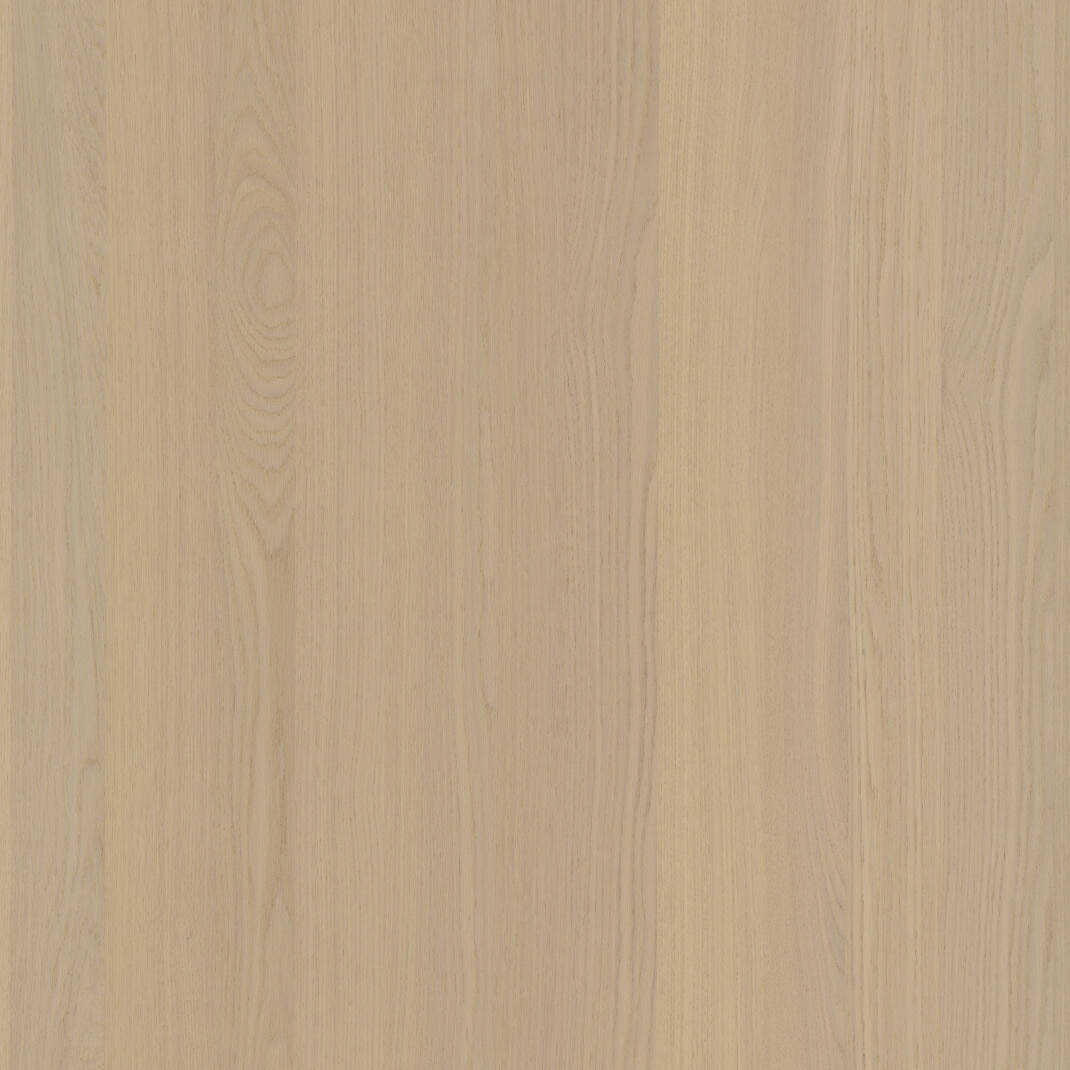
Understanding exactly how prefinished wood panels reduce on-site installation complexity requires a close look at the full workflow of a typical wood wall, ceiling, or cladding installation — from material preparation and substrate work through finishing and final inspection. When that workflow is redesigned around factory-finished components, the number of trades, the number of site visits, the dependency on environmental conditions, and the risk of quality inconsistency all decrease substantially. This article explains each of those mechanisms in detail, offering practical insight for architects, contractors, project managers, and procurement professionals who want to make more informed decisions about wall and ceiling panel systems.
The Factory Finishing Advantage in Panel Manufacturing
Controlled Environment Processing
One of the clearest reasons why prefinished wood panels reduce installation complexity is that all finishing work happens in a controlled factory environment rather than on an active job site. In a manufacturing facility, temperature, humidity, dust levels, and UV exposure are all regulated precisely to match the requirements of each coating process. This means that lacquers, oils, UV-cured coatings, or veneer adhesives are applied and cured under ideal conditions every single time, without the variability introduced by weather, open-air dust, or other trades working nearby.
By contrast, when finishing is done on-site, the applicator is often working around other construction activities, in conditions that fluctuate throughout the day and season. Coatings applied in high humidity can blush or peel. Dust settling on wet lacquer creates surface defects that require re-sanding and re-coating. All of these variables add unplanned time and cost to the project. Prefinished wood panels sidestep these risks entirely because the finish is already cured and stable before the panel even arrives on site.
Factory finishing also enables multi-layer coating systems that would be impractical to execute on site. A high-performance panel may receive primer, base coat, and topcoat layers with intermediate curing stages, quality inspections, and precise thickness control between each pass. This level of process rigor simply cannot be replicated in the field, which means prefinished wood panels often deliver a technically superior surface finish compared to anything achievable with on-site application methods.
Consistent Quality Across Every Panel
When finishing is performed in a factory using automated equipment and standardized process parameters, each panel in a batch receives the same coating thickness, sheen level, and color. This batch-level consistency is enormously valuable for large interior projects where hundreds or thousands of square meters of wall panels must visually match across different rooms, floors, or building wings. On-site finishing, even when performed by skilled painters, introduces human variability that can cause noticeable tonal or sheen differences between panels applied on different days or by different workers.
Prefinished wood panels eliminate this variability by standardizing the output at the source. For veneer-faced panels in particular, where the natural wood grain and tone already vary by definition, having a consistent finish applied under controlled conditions ensures that the beauty of the natural material is showcased uniformly rather than obscured or distorted by inconsistent field application. This reduces the likelihood of client complaints, punch-list items, and rework requests during project close-out.
Reduced Trade Sequencing and Scheduling Pressure
Fewer Trades Required On-Site
A traditional site-finished wood panel installation typically requires at least two distinct trade stages: the panel installer who fixes the substrate and boards, and the finisher or painter who sands, stains, seals, and topcoats the surface. Depending on the project scope, the coating specialist may need to visit the site multiple times as each layer dries and is inspected. Each of these visits needs to be scheduled, coordinated, and quality-checked, creating a multi-party dependency chain that is vulnerable to delays at any link.
With prefinished wood panels, the finishing trade is removed from the site schedule entirely. The installation crew fixes the panels directly, and the surface is complete the moment the panel is secured in position. This collapses two or more trade stages into one, substantially simplifying the construction program. Project managers report that this simplification is one of the most impactful scheduling benefits of using prefinished wood panels, particularly on fast-track commercial fit-out projects where programme compression is a primary objective.
The reduction in trade visits also decreases the logistical burden on site management. Fewer subcontractors means fewer safety inductions, fewer access requirements, fewer tool and material storage needs, and fewer interpersonal coordination demands. In complex multi-trade environments such as hotels, hospitals, or corporate offices, this simplification creates measurable improvements in site flow and reduces the risk of trade conflicts or access bottlenecks.
Elimination of Drying and Curing Wait Times
On-site finishing of wood panels introduces mandatory wait times between each coating stage. After sanding, before priming. After priming, before base coating. After base coating, before the topcoat. Each of these intervals may range from several hours to over a day depending on the coating chemistry, ambient temperature, and humidity. During these waiting periods, the area under treatment is essentially locked out from other trades, creating what project managers call 'dead zones' in the construction schedule.
Prefinished wood panels remove all of these wait times from the on-site program because curing has already taken place at the factory. The moment installation is complete, the surface is ready for inspection, protection, and handover. This means that follow-on trades — furniture installers, lighting contractors, flooring specialists — can access the space sooner, compressing the overall programme and enabling earlier practical completion dates.
The financial value of eliminating curing wait times should not be underestimated. On a large commercial project, reducing the active fit-out period by even a week or two can translate into significant savings in site overhead costs, reduced financing charges, and earlier occupancy revenue for the building owner. Prefinished wood panels contribute directly to this acceleration in a way that few other material substitutions can match.
Simplified Site Logistics and Material Handling
Cleaner and More Contained Installation Process
Site-applied finishing of wood surfaces generates a significant amount of dust, solvent vapor, and coating overspray. Sanding creates fine particulate matter that settles on adjacent surfaces and penetrates into mechanical systems if not carefully contained. Solvent-based coatings require ventilation, personal protective equipment, and fire risk management. These requirements add layers of complexity to site safety planning and create negative working conditions for other trades in the vicinity.
Prefinished wood panels eliminate these hazards from the job site entirely. Because no sanding or coating is performed on location, the installation process is cleaner, quieter, and safer than traditional alternatives. The installation crew only needs to handle, cut, and fix the panels — tasks that generate comparatively little dust and no volatile organic compound emissions. This cleaner installation process is particularly valuable in occupied buildings, healthcare environments, educational facilities, and food processing areas where dust or chemical exposure must be strictly controlled.
The reduced site waste associated with prefinished wood panels also simplifies the waste management program. There are no empty paint cans, used abrasives, coating-contaminated rags, or solvent containers to dispose of in compliance with hazardous waste regulations. This lowers disposal costs and reduces the environmental footprint of the project, which is increasingly important for projects targeting green building certifications.
Streamlined Cutting and Fitting On Location
A common concern about bringing factory-finished materials to a job site is that cutting or trimming to fit will damage or expose the unfinished core, creating edge conditions that look unfinished or are vulnerable to moisture ingress. Reputable manufacturers of prefinished wood panels address this through edge banding, edge sealing, or by providing pre-routed profiles that minimize the need for field cutting. Some systems are designed with modular dimensions that allow full-panel installation with minimal site trimming.
When field cuts are unavoidable, the exposed edges of prefinished wood panels can be treated with touch-up sticks, edge sealers, or matching trim profiles supplied by the manufacturer. These solutions are quick to apply and produce a clean result that maintains the design intent without requiring the panel to be re-finished. The availability of compatible touch-up systems means that the factory-finished quality standard can be maintained across the full installation including edges, reveals, and cut-outs for electrical or mechanical penetrations.
Design Consistency and Error Reduction Across Large Projects
Specification Reliability from Factory to Site
For architects and interior designers, one of the most frustrating aspects of on-site finishing is the gap between the specified finish and the delivered result. Color samples approved in a studio environment often look different under the artificial lighting of a commercial space, and on-site finishing conditions can widen that gap further. Prefinished wood panels close this gap by enabling the designer to approve samples produced under the exact same factory conditions that will be used for the final production run.
This specification reliability means that what is approved in the design phase is what gets delivered and installed. There is no ambiguity about how the finisher interpreted the specification, no variation due to batch changes in coating materials, and no rework required because the installed finish does not match the design intent. For premium interior projects where surface aesthetics are a core part of the design value, this predictability is a critical advantage that prefinished wood panels provide over field-finished alternatives.
The ability to review and approve prefinished wood panels as physical samples before committing to a full order also supports better procurement decisions. Specifiers can evaluate the actual surface texture, sheen level, color tone, and edge quality of the product they are buying, rather than relying on paint chips or digital renderings that may not accurately represent real-world appearance.
Reduced Rework and Punch-List Items
Rework is one of the largest hidden costs in construction and fit-out. When on-site finishing produces inconsistent or defective results, the corrective process involves re-sanding, re-coating, re-curing, and re-inspecting — all of which take time, generate additional waste, and create scheduling disruption. On projects with tight handover deadlines, rework triggered by finishing defects can cause contractual penalties or delayed occupancy.
Prefinished wood panels dramatically reduce this rework risk because the surface is quality-controlled before it leaves the factory. Defective panels are identified and either corrected or rejected at the production stage, meaning that only panels meeting the specified standard are shipped to site. The result is a substantially shorter punch-list at project completion, fewer disputes between contractors and clients about finish quality, and a smoother handover process overall.
The cumulative effect of rework reduction is significant on large-scale projects. Even a modest reduction in the number of panels requiring touch-up, re-finishing, or replacement can save many hours of labor and days of program time. When multiplied across hundreds of panels in a large commercial installation, the savings generated by using prefinished wood panels can be substantial enough to offset a higher unit purchase cost many times over.
FAQ
Do prefinished wood panels require any surface treatment after installation?
In most standard applications, prefinished wood panels require no additional surface treatment after installation. The factory-applied finish is complete and ready for use once the panels are fixed in position. Minor edge touch-ups using manufacturer-supplied products may be needed where field cutting has been performed, but no full-surface re-finishing is necessary under normal installation conditions.
Are prefinished wood panels suitable for high-humidity environments such as bathrooms or kitchens?
Prefinished wood panels with appropriate moisture-resistant cores and sealed edge treatments can be suitable for moderately humid environments. However, for high-moisture zones such as wet rooms or steam environments, it is important to verify the specific panel's moisture resistance rating and follow the manufacturer's installation guidance regarding gaps, sealants, and ventilation. Not all prefinished wood panels are formulated for continuous moisture exposure, so specification review is essential.
How do prefinished wood panels compare in cost to site-finished alternatives when total project cost is considered?
While prefinished wood panels typically carry a higher unit material cost than unfinished alternatives, the total installed cost is often comparable or lower when labor savings, reduced trade coordination, eliminated curing wait times, and lower rework rates are factored in. On fast-track projects or those with high labor costs, the savings from using prefinished wood panels can be particularly significant, making them a cost-effective choice from a whole-project financial perspective.
Can prefinished wood panels be installed by general contractors rather than specialist finishing trades?
Yes, one of the key practical benefits of prefinished wood panels is that their installation does not require specialist finishing skills. A competent general joinery or carpentry crew can fix the panels correctly without any coating expertise. This broadens the pool of contractors capable of executing the work and reduces dependency on specialist finishing subcontractors who may have limited availability or higher day rates, further contributing to the installation simplicity that prefinished wood panels are known for.
Table of Contents
- The Factory Finishing Advantage in Panel Manufacturing
- Reduced Trade Sequencing and Scheduling Pressure
- Simplified Site Logistics and Material Handling
- Design Consistency and Error Reduction Across Large Projects
-
FAQ
- Do prefinished wood panels require any surface treatment after installation?
- Are prefinished wood panels suitable for high-humidity environments such as bathrooms or kitchens?
- How do prefinished wood panels compare in cost to site-finished alternatives when total project cost is considered?
- Can prefinished wood panels be installed by general contractors rather than specialist finishing trades?
