 EN
EN


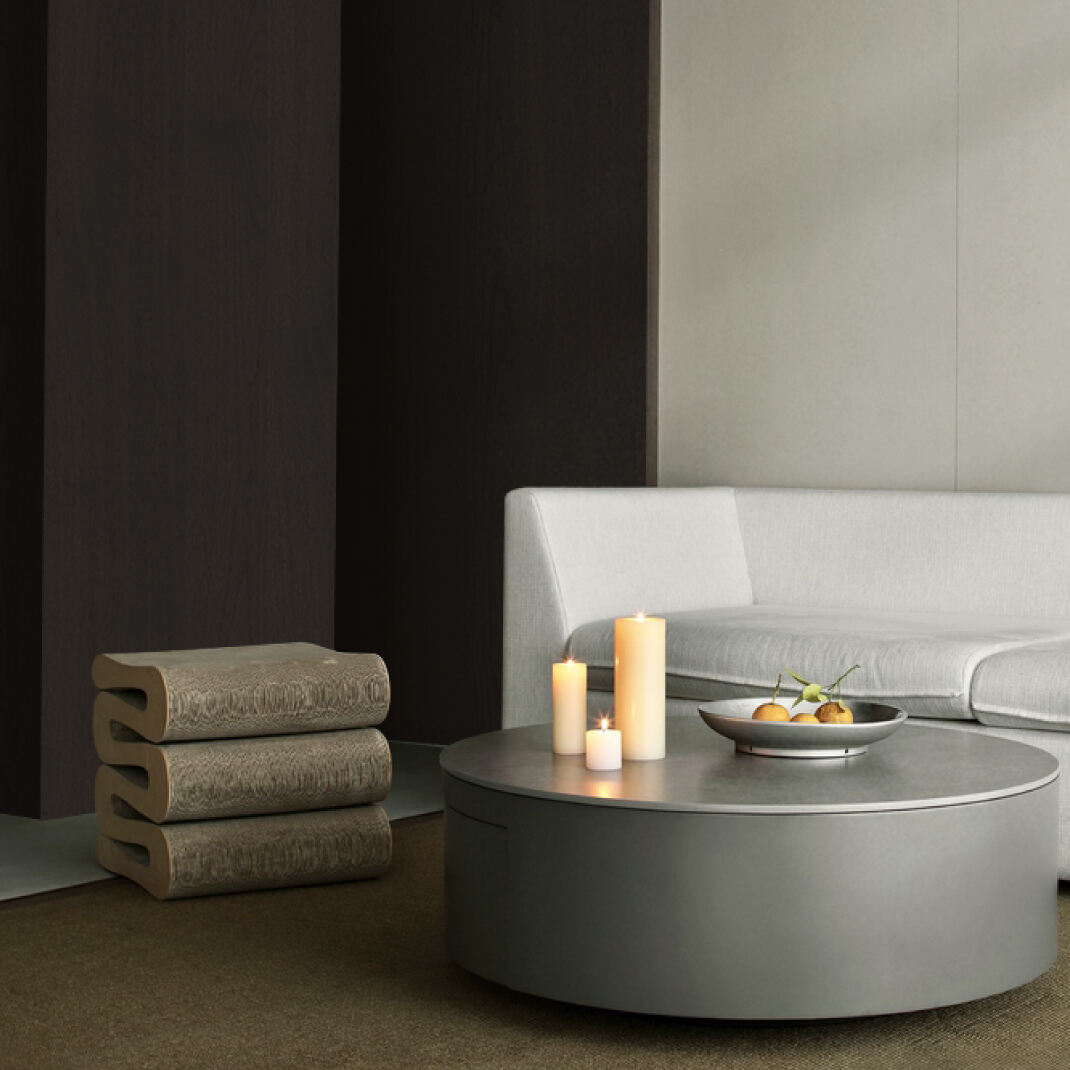
In the competitive landscape of interior design and furniture manufacturing, achieving the luxurious appearance of solid wood without its prohibitive cost has become a strategic priority for designers, architects, and manufacturers. Veneer materials have emerged as a transformative solution that bridges the gap between aesthetic ambition and budget constraints, delivering authentic wood surfaces at a fraction of traditional costs. By understanding how veneer technology works and why it represents such compelling value, decision-makers can make informed choices that optimize both project budgets and visual outcomes.
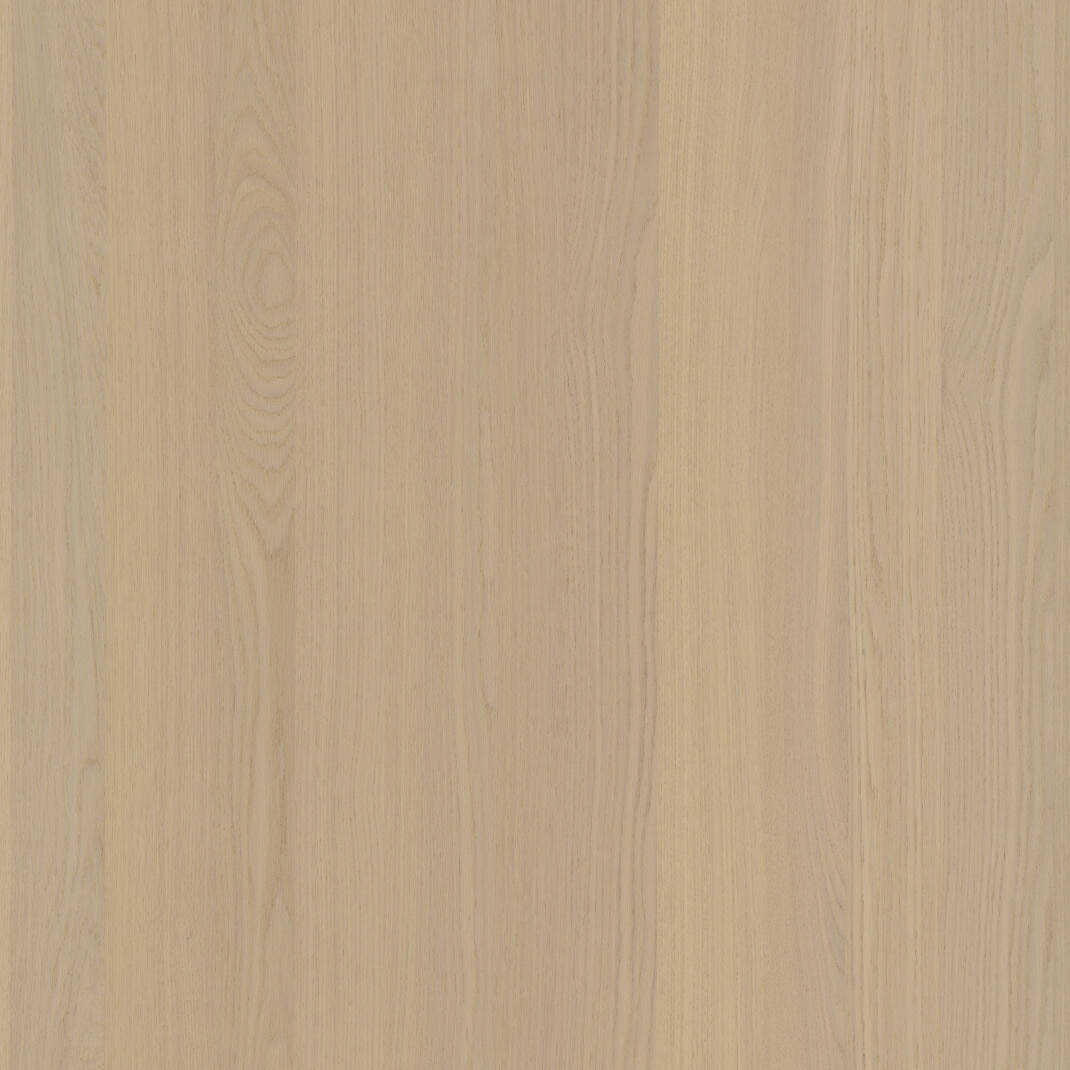
The cost-effectiveness of veneer stems from a fundamental principle: maximizing the visual and tactile benefits of premium wood species while minimizing material waste and resource consumption. A single log that might produce only a few solid wood panels can yield dozens of veneer sheets, each displaying the same natural grain patterns and color variations that make wood so desirable. This efficiency translates directly into lower material costs, reduced environmental impact, and greater design flexibility, making veneer an intelligent choice for projects ranging from residential cabinetry to commercial architectural installations.
The Material Science Behind Veneer Cost Efficiency
How Veneer Production Maximizes Wood Resource Utilization
The production process for veneer fundamentally changes the economics of wood usage through precision slicing technology. Unlike solid wood products that remove substantial material during milling and finishing, veneer manufacturing employs rotary cutting or slicing methods that preserve nearly all usable wood from each log. A veneer sheet typically measures between 0.6 and 3 millimeters in thickness, meaning a single log can produce approximately forty to fifty times more surface area coverage compared to equivalent solid wood boards. This dramatic multiplication of yield directly reduces the cost per square meter of finished surface.
Modern veneer slicing equipment operates with tolerances measured in hundredths of millimeters, ensuring consistent thickness throughout each sheet. This precision eliminates the material variability that plagues thicker solid wood products, where defects deep within boards only become apparent during processing. By working with thin sheets, manufacturers can visually inspect each veneer leaf immediately after cutting, segregating premium grades from utility grades before any additional processing investment occurs. This quality control step further enhances cost efficiency by preventing wasted labor on substandard materials.
The Substrate Strategy That Reduces Overall Material Costs
The cost advantage of veneer becomes even more pronounced when considering the substrate materials it covers. Rather than using expensive solid wood throughout a panel, veneer applications employ engineered cores made from medium-density fiberboard, plywood, or particleboard. These substrate materials cost significantly less per volume than solid hardwoods while offering superior dimensional stability and resistance to warping. The combination of an inexpensive, stable core with a premium veneer surface creates a composite product that outperforms solid wood in many applications while costing thirty to sixty percent less.
The substrate selection also enables manufacturers to optimize material properties for specific applications. For environments with humidity fluctuations, moisture-resistant cores can be specified without affecting the visible veneer surface. For applications requiring fire resistance or acoustic properties, specialized substrates provide these performance characteristics while the veneer maintains aesthetic continuity. This separation of structural function from decorative appearance allows designers to specify exactly the properties needed without paying for unnecessary solid wood volume throughout the entire panel thickness.
Design Flexibility Advantages That Deliver Economic Value
Accessing Premium Wood Species at Practical Price Points
One of the most compelling cost benefits of veneer lies in its democratization of exotic and premium wood species. Woods like walnut, teak, rosewood, and figured maple command premium prices as solid lumber due to their scarcity and slow growth rates. When used as veneer, however, these same species become accessible to projects with moderate budgets. A walnut veneer panel might cost fifteen to twenty percent of what an equivalent solid walnut board would cost, yet deliver an identical visual experience to end users who interact only with the surface.
This accessibility extends beyond simple cost reduction to enable design consistency across large projects. Specifying solid exotic hardwood for an entire hotel interior or corporate headquarters would strain most budgets to the breaking point, forcing compromises that dilute the design vision. Veneer materials allow designers to maintain their aesthetic intent throughout all visible surfaces, creating cohesive environments that feel luxurious and intentional. The cost savings generated by veneer selection can then be redirected toward other project elements that enhance the overall experience, such as improved lighting, better hardware, or enhanced finishes.
Pattern Matching and Book-Matching Techniques
Professional veneer application offers pattern-matching capabilities that would be prohibitively expensive or physically impossible with solid wood. Sequential veneer leaves cut from the same log display nearly identical grain patterns, allowing craftsmen to create book-matched or slip-matched panels where mirror-image or continuous grain patterns flow across large surfaces. These decorative techniques create dramatic visual effects that command attention and convey quality, yet they add minimal cost compared to the material savings veneer already provides.
The ability to select and arrange veneer leaves also eliminates much of the waste associated with solid wood projects. In solid wood construction, boards containing knots, mineral streaks, or grain irregularities must often be discarded or downgraded, representing sunk costs that increase final product pricing. With veneer, manufacturers can strategically place character marks for rustic designs or select clear leaves for contemporary aesthetics, ensuring that nearly every square inch of processed material finds appropriate application. This comprehensive utilization further enhances the cost-effectiveness that makes veneer such an economically rational choice.
Manufacturing and Installation Efficiency Factors
Reduced Labor Requirements in Production Workflows
The lightweight nature of veneer materials translates directly into labor cost savings throughout the manufacturing process. Solid wood panels require heavy-duty equipment and multiple operators for safe handling during machining, assembly, and finishing operations. Veneer products, being substantially lighter, can be processed with less mechanical assistance and smaller work crews. A single technician can often handle veneer panel positioning and application tasks that would require two or three workers when dealing with solid wood components of equivalent surface area.
Factory finishing of veneer products also proceeds more efficiently than solid wood finishing. The consistent thickness and smooth surface of veneer substrates require less sanding and fewer primer coats to achieve uniform finish quality. Spray application of stains, sealers, and topcoats consumes less material when covering veneer surfaces compared to porous solid wood that absorbs more finish during initial applications. These efficiency gains accumulate across large production runs, reducing per-unit costs that manufacturers can pass along to customers through competitive pricing.
Installation Speed and Simplified Field Work
On construction sites and in workshops, veneer products demonstrate installation advantages that reduce project timelines and labor expenses. Pre-finished veneer panels arrive ready for immediate installation, eliminating the on-site sanding, staining, and finishing steps that solid wood requires. This factory finishing not only accelerates installation but also produces superior results by applying coatings in controlled environments with professional equipment. The time saved during installation directly reduces labor costs, which often represent the largest variable expense in construction and renovation budgets.
The dimensional stability of veneer on engineered substrates also minimizes installation callbacks and warranty claims. Solid wood panels may require adjustment after installation as they acclimate to building conditions, expanding or contracting with seasonal humidity changes. Veneer products maintain their dimensions much more reliably, fitting properly the first time and staying that way throughout their service life. This reliability translates into lower total project costs by eliminating return visits, adjustments, and customer dissatisfaction that can arise from problematic solid wood behavior.
Long-Term Value Considerations Beyond Initial Purchase Price
Maintenance Cost Advantages Over Solid Wood Alternatives
The true cost-effectiveness of veneer extends well beyond the initial purchase transaction into the ongoing maintenance phase of building operation. Modern veneer products, particularly those with factory-applied protective finishes, require minimal maintenance to preserve their appearance. The thin veneer layer bonds permanently to its substrate, eliminating concerns about board warping, cupping, or twisting that necessitate periodic attention in solid wood installations. Property managers and facility operators appreciate this reliability, which reduces maintenance budgets and minimizes disruption to building occupants.
When refinishing becomes necessary after years of service, veneer surfaces can be lightly sanded and recoated just like solid wood, extending their useful life substantially. The stable substrate beneath the veneer ensures that the surface remains flat and even during refinishing operations, making the process straightforward and predictable. While extremely aggressive sanding could potentially wear through the veneer layer, normal refinishing practices preserve adequate material thickness for multiple renewal cycles. This longevity means that the already favorable initial cost of veneer spreads across many years of service, further improving its economic advantage.
Energy Efficiency and Environmental Cost Implications
The environmental efficiency of veneer production carries economic implications that forward-thinking organizations increasingly value. Manufacturing veneer requires substantially less energy per square meter of finished surface than processing solid wood, reducing both carbon footprint and production costs. The lighter weight of veneer products also decreases transportation fuel consumption during shipping, a cost advantage that becomes more significant as fuel prices fluctuate and carbon taxation potentially increases. Organizations tracking their environmental performance find that specifying veneer materials helps achieve sustainability targets while simultaneously reducing procurement expenses.
The efficient use of forest resources that veneer represents also provides insurance against future wood scarcity and price volatility. As global demand for wood products continues growing while sustainable forestry practices limit harvest rates, solid wood prices face upward pressure. Veneer technology, by maximizing the utility extracted from each harvested tree, positions users to maintain access to wood aesthetics even as raw material availability tightens. This strategic consideration adds another dimension to the cost-effectiveness calculation, particularly for organizations planning facilities with multi-decade service lives.
Strategic Procurement Decisions for Maximum Value
Quality Grade Selection Aligned With Application Requirements
Maximizing the cost-effectiveness of veneer requires matching product grades to application visibility and performance requirements. Premium architectural-grade veneer with perfect grain matching and zero defects commands higher prices appropriate for featured design elements where visual impact justifies the investment. For less visible applications such as interior cabinet sides, utility-grade veneer provides adequate appearance at significantly lower cost. Strategic specification across these grade tiers ensures that budget allocates to visible surfaces while economizing on hidden elements, an optimization impossible with uniform solid wood construction.
The veneer market offers additional cost flexibility through species substitution strategies. Woods with similar appearance characteristics but different rarity levels can sometimes be interchanged without noticeable aesthetic compromise. A skilled designer might specify genuine walnut veneer for primary focal points while selecting less expensive walnut-stained alternatives for secondary surfaces, achieving visual continuity at blended cost. These nuanced specification strategies leverage the breadth of veneer product offerings to extract maximum value from available budgets.
Volume Purchasing and Supply Chain Optimization
Organizations with ongoing veneer requirements can enhance cost-effectiveness through strategic supplier relationships and volume commitments. Veneer manufacturers often offer preferential pricing for large orders or framework agreements that guarantee minimum annual volumes. These arrangements reduce the supplier's sales costs and inventory risk, savings that translate into lower unit pricing for the customer. Additionally, consistent relationships with quality veneer suppliers ensure access to specific species and grades even during periods of market tightness, protecting against supply disruptions that could compromise project timelines.
The standardization potential of veneer products also enables cost reduction through design rationalization. By limiting specifications to a manageable palette of veneer species and substrates, organizations can consolidate purchasing, simplify inventory management, and reduce training requirements for installation crews. These operational efficiencies compound the inherent material cost advantages of veneer, creating comprehensive value that extends throughout the procurement and construction process. The discipline required to implement such standardization pays dividends across multiple projects and fiscal periods.
FAQ
How does veneer compare to solid wood in terms of overall project cost?
Veneer typically reduces overall project costs by thirty to sixty percent compared to solid wood of equivalent species and appearance. This savings stems from multiple factors: lower material costs due to efficient resource utilization, reduced labor requirements during manufacturing and installation, lighter weight that decreases shipping expenses, and dimensional stability that minimizes callbacks and adjustments. When total cost of ownership including maintenance is considered over a ten to twenty year period, veneer's economic advantage becomes even more pronounced due to its stability and reduced upkeep requirements.
Can veneer materials achieve the same aesthetic quality as solid wood surfaces?
High-quality veneer delivers aesthetic results indistinguishable from solid wood in virtually all practical applications. The veneer surface is genuine wood displaying authentic grain patterns, color variations, and texture. When properly applied and finished, veneer provides the same visual and tactile experience as solid wood since users interact only with the surface layer. Advanced manufacturing techniques like book-matching actually enable decorative effects difficult or impossible to achieve with solid wood. The key to achieving premium results lies in selecting appropriate veneer grades and ensuring skilled application with quality substrates and adhesives.
What thickness of veneer provides the best balance of cost and durability?
For most architectural and furniture applications, veneer thickness between 0.6 and 1.0 millimeters offers optimal cost-performance balance. This range provides sufficient material for light refinishing if needed while maximizing the surface area yield from each log, keeping costs low. Thinner veneers around 0.6 millimeters cost less but offer limited refinishing potential, making them suitable for applications unlikely to require renewal. Thicker veneers approaching 3 millimeters provide greater refinishing capacity but sacrifice some of the cost advantage that makes veneer attractive. Application visibility, expected wear patterns, and maintenance philosophy should guide thickness selection.
How do prefinished veneer products compare in cost to site-finished alternatives?
Prefinished veneer products typically carry ten to twenty percent higher material costs than unfinished veneer but deliver substantial overall project savings by eliminating field finishing labor and equipment requirements. Factory finishing produces superior results through controlled application conditions, professional spray equipment, and optimized curing processes. The installation time reduction often exceeds fifty percent compared to site-finished alternatives, directly decreasing labor costs. Additionally, prefinished products eliminate job site finishing odors, dust, and disruption, creating value particularly important in occupied buildings. For most commercial applications and many residential projects, prefinished veneer represents the most cost-effective approach when all factors are considered.
Table of Contents
- The Material Science Behind Veneer Cost Efficiency
- Design Flexibility Advantages That Deliver Economic Value
- Manufacturing and Installation Efficiency Factors
- Long-Term Value Considerations Beyond Initial Purchase Price
- Strategic Procurement Decisions for Maximum Value
-
FAQ
- How does veneer compare to solid wood in terms of overall project cost?
- Can veneer materials achieve the same aesthetic quality as solid wood surfaces?
- What thickness of veneer provides the best balance of cost and durability?
- How do prefinished veneer products compare in cost to site-finished alternatives?
