 EN
EN


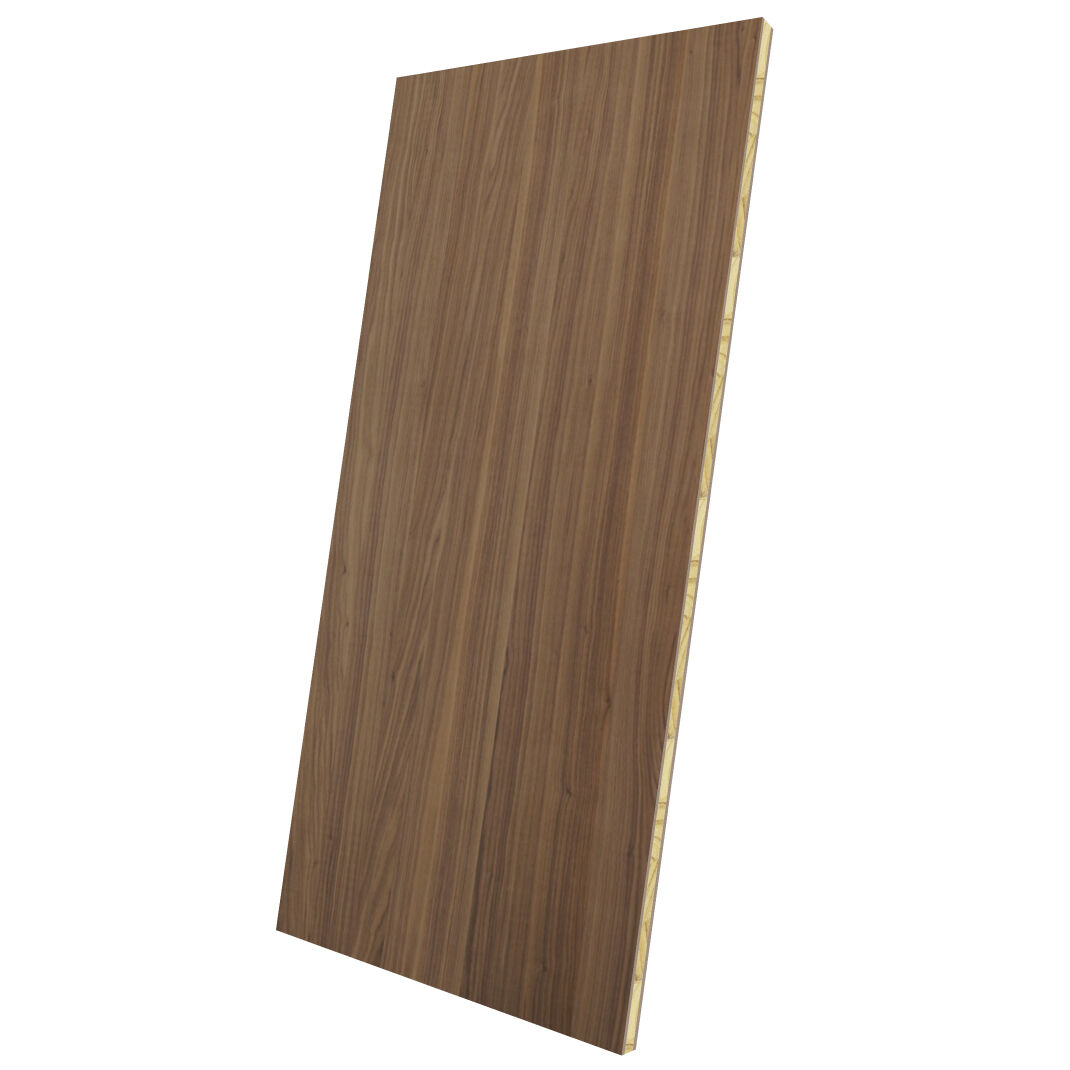
Modern home security has evolved significantly beyond traditional lock and key systems, with door panel technology emerging as a cornerstone of comprehensive residential protection. Today's door panel designs incorporate advanced materials, sophisticated construction techniques, and innovative security features that work together to create formidable barriers against unauthorized entry. The integration of cutting-edge manufacturing processes with time-tested security principles has revolutionized how homeowners approach property protection, making door panel solutions more effective and reliable than ever before.

Advanced Materials and Construction Methods
Engineered Core Technologies
The foundation of superior door panel security lies in engineered core technologies that maximize strength while maintaining aesthetic appeal. Contemporary door panel manufacturing utilizes high-density polyurethane foam cores, steel reinforcement strips, and laminated wood composite materials that create exceptional resistance to forced entry attempts. These multi-layered construction approaches distribute impact forces across the entire door panel surface, preventing concentrated stress points that could compromise structural integrity. The strategic placement of reinforcement materials within the door panel assembly ensures optimal performance under various security testing protocols.
Manufacturing precision has reached new heights with computer-controlled milling and assembly processes that eliminate gaps and weaknesses in door panel construction. Advanced bonding agents and mechanical fastening systems create permanent connections between layers, resulting in door panel products that maintain their security properties throughout decades of service. Quality control measures during production verify that each door panel meets stringent performance standards for impact resistance, weather sealing, and dimensional stability.
Surface Protection and Durability Features
Modern door panel surfaces incorporate protective coatings and treatments that enhance both security and longevity. Scratch-resistant finishes prevent tampering marks that could indicate attempted break-ins, while UV-stable materials maintain their appearance and structural properties despite prolonged sun exposure. The application of specialized sealers and primers creates moisture barriers that prevent wood rot, metal corrosion, and other degradation processes that could weaken door panel security over time.
Impact-resistant surface materials can withstand significant force without showing damage, maintaining the door panel's aesthetic appeal while providing psychological deterrent effects to potential intruders. These advanced surface treatments also simplify maintenance requirements, ensuring that homeowners can preserve their door panel's protective capabilities with minimal effort. The integration of antimicrobial treatments in some door panel products adds an additional layer of protection against biological threats that could compromise material integrity.
Smart Integration and Electronic Security Features
Digital Lock Compatibility
Contemporary door panel designs accommodate sophisticated electronic locking mechanisms that provide enhanced security control and monitoring capabilities. Pre-drilled mounting points and reinforced attachment zones allow seamless integration of smart locks, keypad entry systems, and biometric scanners without compromising the door panel's structural integrity. These preparation features eliminate the need for field modifications that could create security vulnerabilities or void manufacturer warranties.
The electrical preparation within modern door panel assemblies includes concealed wiring channels and power supply routing that support various electronic security devices. Battery backup systems can be integrated directly into the door panel framework, ensuring continuous operation during power outages or system maintenance. Communication protocols built into smart door panel systems enable remote monitoring and control through smartphone applications and home automation platforms.
Sensor Integration and Monitoring Systems
Advanced door panel technology incorporates multiple sensor types that detect various security threats and environmental conditions. Magnetic contact sensors, vibration detectors, and glass break sensors can be embedded within the door panel structure during manufacturing, creating invisible security monitoring that doesn't compromise aesthetic appeal. These integrated systems provide real-time alerts about attempted entries, unusual impacts, or environmental changes that could indicate security concerns.
The data collection capabilities of modern door panel monitoring systems enable detailed security analysis and pattern recognition that can identify potential threats before they escalate. Machine learning algorithms process sensor data to distinguish between normal activities and suspicious behaviors, reducing false alarms while maintaining high sensitivity to genuine security events. Historical data storage allows homeowners to review security incidents and optimize their protection strategies based on actual usage patterns.
Physical Security Enhancements and Deterrent Features
Reinforcement Strategies and Impact Resistance
Strategic reinforcement placement within door panel construction creates multiple barriers that must be overcome during forced entry attempts. Steel plates positioned at critical stress points distribute impact forces and prevent concentrated damage that could create breach points. The geometric design of reinforcement elements maximizes strength while minimizing weight, ensuring that door panel operation remains smooth and effortless for authorized users.
Testing protocols for door panel impact resistance simulate real-world attack scenarios using standardized equipment and measurement techniques. These comprehensive evaluations verify that reinforcement strategies provide effective protection against common break-in methods including shoulder impacts, kick attacks, and tool-based assaults. Certification from recognized security organizations validates the protective capabilities of door panel products and provides homeowners with confidence in their investment.
Visual Deterrent Elements
The appearance of a well-designed door panel can significantly influence potential intruders' target selection decisions. Robust hardware, substantial thickness, and quality finishes communicate strength and security consciousness that may discourage criminal activity. The psychological impact of obviously secure door panel installations often provides protection benefits that extend beyond the physical security features themselves.
Architectural compatibility allows security-focused door panel designs to integrate seamlessly with various home styles without creating fortress-like appearances that might attract unwanted attention. The balance between security functionality and aesthetic appeal ensures that homeowners can enhance their protection without compromising their property's visual appeal or neighborhood compatibility. Customization options enable homeowners to achieve their desired security level while maintaining their preferred architectural character.
Installation Considerations and Performance Optimization
Professional Installation Requirements
Proper door panel installation requires specialized knowledge of frame preparation, hardware alignment, and sealing techniques that maximize security performance. Professional installers understand the critical measurements and tolerances that ensure optimal fit and function, preventing gaps or misalignments that could compromise protection capabilities. The use of appropriate fasteners, shims, and adjustment mechanisms creates secure mounting that maintains door panel positioning under various operating conditions.
Quality installation practices include comprehensive testing of all security features and operational mechanisms before project completion. Adjustment procedures ensure smooth operation while maintaining proper sealing and security contact positions. Documentation of installation specifications and performance testing results provides valuable reference information for future maintenance and warranty service requirements.
Maintenance and Longevity Factors
Regular maintenance protocols preserve door panel security capabilities throughout the product's service life. Lubrication of moving components, inspection of sealing materials, and verification of hardware tightness prevent gradual deterioration that could create security vulnerabilities. The accessibility of maintenance points in well-designed door panel systems simplifies these essential procedures and encourages consistent care.
Environmental protection measures help maintain door panel performance in challenging weather conditions. Proper drainage design prevents water accumulation that could damage materials or create freeze-thaw stress. Ventilation features within the door panel assembly allow moisture management while maintaining structural integrity and security properties. Regular cleaning and treatment with appropriate protective products extends service life and preserves appearance quality.
Cost-Effectiveness and Return on Investment Analysis
Security Investment Value
The financial benefits of investing in high-quality door panel technology extend beyond the immediate security improvements to include insurance premium reductions, property value enhancement, and peace of mind benefits. Many insurance companies offer discounts for homes equipped with certified security door panel systems, recognizing their effectiveness in preventing break-ins and reducing claim frequency. These premium savings can offset a significant portion of the initial investment cost over time.
Property value increases associated with security improvements often exceed the cost of door panel upgrades, particularly in areas with higher crime rates or security-conscious buyer markets. Real estate professionals recognize quality security features as selling points that can differentiate properties in competitive markets. The long service life of premium door panel products ensures that these value benefits persist for many years after installation.
Long-Term Performance Economics
Durability characteristics of modern door panel construction minimize replacement and repair costs compared to traditional security solutions. High-quality materials and construction methods resist wear, weather damage, and security attacks that might compromise lesser products. The reduced maintenance requirements of engineered door panel systems contribute to lower total ownership costs while maintaining superior protection levels.
Energy efficiency features integrated into contemporary door panel designs provide ongoing utility cost savings through improved insulation and air sealing performance. These environmental benefits complement security functions while contributing to overall home comfort and efficiency. The combination of security, durability, and energy performance creates comprehensive value that justifies premium door panel investments for many homeowners.
FAQ
How long do modern security door panels typically last
Quality door panel systems are designed for service lives of 20-30 years or more with proper installation and maintenance. The engineered materials and construction methods used in premium products resist common failure modes including weather damage, hardware wear, and security attacks. Regular maintenance and periodic hardware updates can extend service life even further while maintaining optimal security performance.
Can security door panels be customized to match existing home architecture
Contemporary door panel manufacturers offer extensive customization options including various wood species, finishes, hardware styles, and decorative elements that can match virtually any architectural style. Computer-aided design tools enable precise matching of existing features while incorporating modern security enhancements. Custom manufacturing capabilities ensure that security improvements don't compromise aesthetic goals or neighborhood compatibility.
What maintenance is required to keep door panel security features functioning properly
Basic maintenance includes regular cleaning, lubrication of moving parts, and periodic inspection of sealing and hardware components. Most door panel systems require minimal maintenance beyond normal cleaning and occasional hardware adjustment. Professional service may be recommended annually for electronic components or complex locking mechanisms to ensure continued reliability and security performance.
How do smart door panel features integrate with existing home automation systems
Modern door panel electronic systems typically support standard communication protocols that enable integration with popular home automation platforms. Wireless connectivity options eliminate the need for extensive wiring modifications while providing full functionality. Professional installation services can configure door panel systems to work seamlessly with existing security systems, lighting controls, and monitoring equipment for comprehensive home automation integration.
