 EN
EN


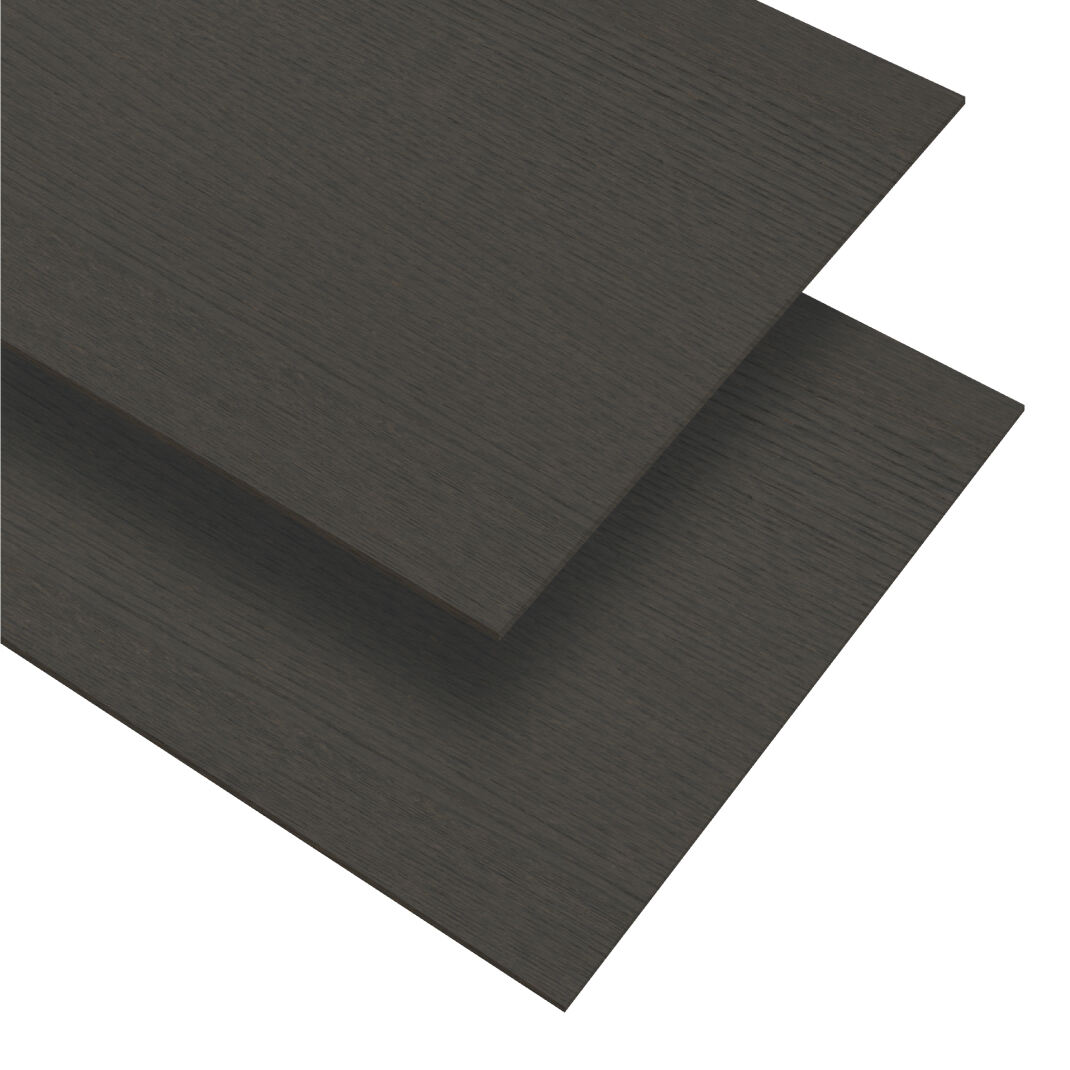
The choice between wood veneer finish and solid wood represents one of the most significant decisions in modern furniture design and construction. Wood veneer finish offers a sophisticated approach to achieving the natural beauty of wood while providing practical advantages that solid wood cannot match. This comparison explores the fundamental differences, benefits, and applications of both materials to help designers, contractors, and homeowners make informed decisions for their projects.
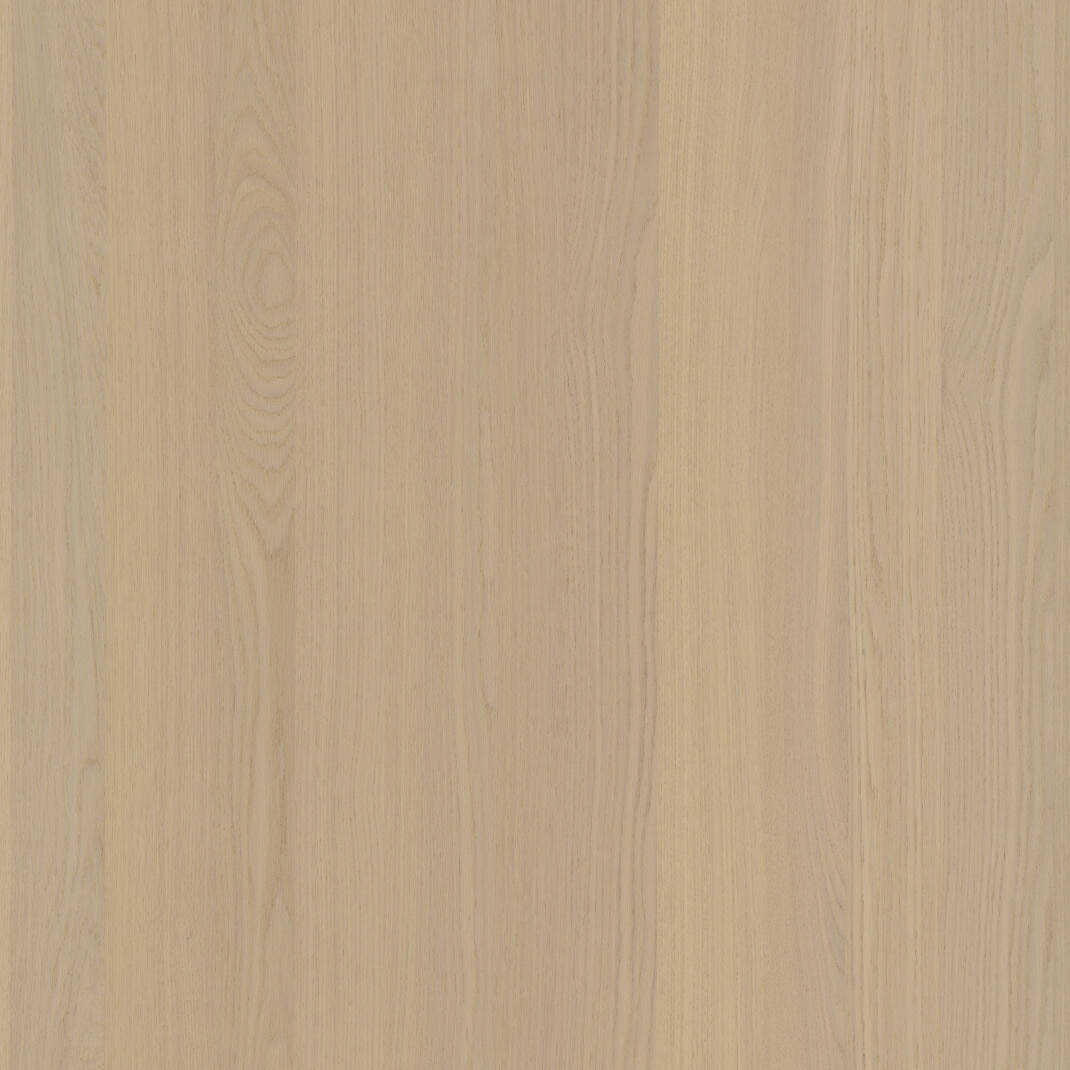
Understanding the distinction between wood veneer finish and solid wood requires examining their construction methods, material composition, and performance characteristics. While solid wood consists entirely of natural timber cut from a single tree, wood veneer finish involves thin slices of real wood bonded to engineered substrates. This fundamental difference influences everything from cost and durability to environmental impact and design flexibility.
Material Composition and Manufacturing Process
Wood Veneer Construction Methods
Wood veneer finish utilizes incredibly thin sheets of natural wood, typically ranging from 0.6 to 3.2 millimeters in thickness, that are carefully sliced from logs using specialized machinery. These veneer sheets are then bonded to stable core materials such as medium-density fiberboard, plywood, or particleboard using advanced adhesive systems. The manufacturing process allows for consistent grain patterns and optimal material utilization while maintaining the authentic appearance of natural wood.
The precision cutting techniques used in veneer production enable manufacturers to create book-matched or slip-matched patterns that would be impossible to achieve with solid wood construction. This process ensures that the wood veneer finish delivers uniform color and grain distribution across large surfaces, eliminating the natural variations that can create inconsistencies in solid wood applications.
Solid Wood Processing Techniques
Solid wood construction involves harvesting mature trees and processing them into lumber through sawing, drying, and milling operations. The wood must be properly kiln-dried to achieve optimal moisture content levels, typically between 6-12 percent, to prevent warping, cracking, and dimensional instability. This traditional approach preserves the complete cellular structure of the wood, including both heartwood and sapwood regions.
The manufacturing process for solid wood products requires careful selection of timber grades, with premium pieces reserved for visible surfaces and lower grades used for internal components. Unlike wood veneer finish applications, solid wood manufacturing cannot easily hide defects such as knots, mineral streaks, or color variations, making material selection critical to the final product quality.
Cost Analysis and Economic Considerations
Initial Investment Requirements
The cost differential between wood veneer finish and solid wood represents a significant factor in project planning and budgeting decisions. Wood veneer finish typically costs 40-60 percent less than equivalent solid wood applications, making it accessible for projects with budget constraints while still delivering authentic wood aesthetics. This cost advantage stems from the efficient use of premium wood species, where a single log can produce enough veneer to cover the surface area that would require multiple solid wood boards.
Premium wood species such as walnut, cherry, or exotic hardwoods become economically viable through wood veneer finish applications, allowing designers to specify high-end materials that would be prohibitively expensive in solid wood form. The substrate materials used beneath the veneer layer contribute minimal cost compared to solid lumber, creating substantial savings without compromising visual appeal.
Long-term Value Considerations
While solid wood commands higher initial costs, it offers potential advantages in terms of refinishing capabilities and longevity. Solid wood surfaces can be sanded and refinished multiple times throughout their service life, potentially lasting for decades or even centuries with proper maintenance. However, modern wood veneer finish products with quality substrates and protective coatings often provide comparable durability for typical commercial and residential applications.
The economic analysis must also consider installation and maintenance costs, where wood veneer finish products often arrive pre-finished from the factory, reducing on-site labor requirements and eliminating the dust, fumes, and time associated with field finishing operations.
Performance Characteristics and Durability
Dimensional Stability Advantages
Wood veneer finish demonstrates superior dimensional stability compared to solid wood due to its engineered construction methods. The thin veneer layer experiences minimal expansion and contraction with seasonal humidity changes, while the stable substrate material provides consistent dimensional properties. This stability makes wood veneer finish particularly suitable for large panel applications, built-in furniture, and environments with fluctuating moisture conditions.
Engineered substrates used in wood veneer finish construction are manufactured under controlled conditions to eliminate internal stresses and moisture variations that commonly affect solid wood products. The cross-grain construction in plywood substrates and the homogeneous structure of MDF cores provide resistance to warping, cupping, and splitting that can plague solid wood installations.
Surface Durability and Wear Resistance
The surface durability of wood veneer finish depends significantly on the protective coating system applied during manufacturing. Factory-applied finishes often provide superior protection compared to field-applied coatings, with multiple layers of UV-cured polyurethane or other advanced coating systems. These finishes offer excellent resistance to scratches, stains, and moisture penetration while maintaining clarity and color stability over time.
Solid wood surfaces can develop character marks and patina over time, which some users find desirable, while wood veneer finish maintains a more consistent appearance throughout its service life. The ability to repair damage differs between the two materials, with solid wood offering more refinishing options but wood veneer finish requiring less frequent maintenance intervention.
Environmental Impact and Sustainability
Resource Conservation Benefits
Wood veneer finish contributes to forest conservation through efficient material utilization, allowing a single tree to provide surface material for significantly more furniture pieces than solid wood construction methods. This efficiency reduces pressure on old-growth forests and enables the use of smaller diameter logs that would otherwise be unsuitable for solid lumber production. The substrate materials can incorporate recycled wood fibers and agricultural waste products, further enhancing the environmental profile.
Manufacturing wood veneer finish products generates less waste compared to solid wood processing, where defects and dimensional requirements result in substantial material loss. The precise slicing techniques used in veneer production maximize yield from each log, while the engineered substrates can be manufactured to exact specifications without the natural limitations that affect solid wood sizing.
Carbon Footprint Considerations
The carbon footprint analysis reveals complex trade-offs between wood veneer finish and solid wood production methods. While wood veneer finish requires more processing energy for substrate manufacturing and adhesive systems, the reduced transportation weight and packaging efficiency often offset these impacts. Solid wood products typically have lower processing energy requirements but higher transportation costs due to their increased weight and volume.
Both wood veneer finish and solid wood products contribute to carbon sequestration by incorporating wood materials that store atmospheric carbon throughout their service life. The longevity and end-of-life disposal methods significantly influence the overall environmental impact, with both materials offering potential for recycling or energy recovery when properly managed.
Design Flexibility and Aesthetic Options
Pattern Matching and Consistency
Wood veneer finish enables precise pattern matching and grain alignment that creates seamless visual flow across large surfaces and multiple cabinet doors or panels. The sequential slicing process allows manufacturers to create book-matched or slip-matched patterns where adjacent pieces mirror each other or continue in natural progression. This level of control over grain patterns and color matching proves difficult or impossible to achieve with solid wood construction.
The consistency available through wood veneer finish applications allows designers to specify uniform appearance standards across entire projects, ensuring that color variations and grain patterns remain within acceptable tolerances. This predictability simplifies design coordination and reduces the risk of aesthetic inconsistencies that can occur with solid wood materials.
Species Selection and Availability
Wood veneer finish expands the range of available wood species by making exotic and rare hardwoods economically accessible for surface applications. Species that would be prohibitively expensive in solid form become viable options when applied as veneer layers. This accessibility allows designers to specify premium materials such as ebony, rosewood, or figured maple without the cost constraints associated with solid wood construction.
The veneer production process can also enhance the visual impact of certain wood species by highlighting specific grain patterns or figure characteristics. Rotary cutting, plain slicing, and quarter slicing techniques each produce different grain patterns from the same log, providing design flexibility that solid wood processing cannot match.
Installation and Maintenance Requirements
Installation Process Considerations
Wood veneer finish products often arrive pre-finished from the factory, significantly reducing installation time and on-site finishing requirements compared to solid wood applications. The stable dimensions and consistent thickness of engineered panels simplify installation planning and reduce the skilled labor requirements for achieving professional results. The lighter weight of wood veneer finish panels also reduces handling challenges and structural support requirements.
The pre-finished nature of many wood veneer finish products eliminates the dust, odors, and extended curing times associated with on-site finishing operations. This advantage proves particularly valuable in occupied buildings or projects with tight scheduling constraints where finishing operations could disrupt normal activities.
Long-term Maintenance Protocols
Maintenance requirements for wood veneer finish focus primarily on protecting the factory-applied coating system through regular cleaning and avoiding harsh chemicals or abrasive cleaning methods. The stable substrate prevents the seasonal movement that can stress finish coatings on solid wood surfaces, potentially extending the service life of the protective system.
While solid wood offers more refinishing options when restoration becomes necessary, modern wood veneer finish products with quality coatings often provide decades of service without requiring major maintenance intervention. The choice between materials should consider the expected service life, maintenance capabilities, and long-term appearance requirements of the specific application.
FAQ
Can wood veneer finish be refinished like solid wood
Wood veneer finish has limited refinishing capabilities compared to solid wood due to the thin veneer layer, typically only 0.6-3.2mm thick. Light sanding and recoating may be possible once or twice during the product's lifetime, but deep scratches or damage that penetrates through the veneer cannot be repaired. The substrate material beneath becomes visible if the veneer is sanded through, requiring complete panel replacement rather than simple refinishing.
How does the lifespan of wood veneer finish compare to solid wood
Quality wood veneer finish products can provide 15-25 years of excellent service in typical residential and commercial applications, while solid wood can potentially last 50+ years with proper maintenance and periodic refinishing. However, the superior dimensional stability of wood veneer finish often results in fewer maintenance issues during its service life, and the lower replacement cost makes updating more economically feasible when design changes are desired.
Does wood veneer finish look artificial compared to solid wood
Modern wood veneer finish products are virtually indistinguishable from solid wood in appearance since they utilize the same natural wood species as their surface layer. The grain patterns, color variations, and texture characteristics remain authentic because the veneer is real wood. Advanced matching techniques can actually create more consistent and visually pleasing patterns than solid wood, which may have more random grain variations and defects.
Which option provides better value for commercial applications
Wood veneer finish typically provides superior value for commercial applications due to its lower initial cost, reduced maintenance requirements, better dimensional stability, and consistent appearance. The pre-finished nature eliminates on-site finishing costs and scheduling delays, while the stable construction reduces warranty claims related to warping or splitting. For high-traffic commercial environments, the factory-applied protective coatings often outperform field-applied finishes on solid wood surfaces.
