 EN
EN


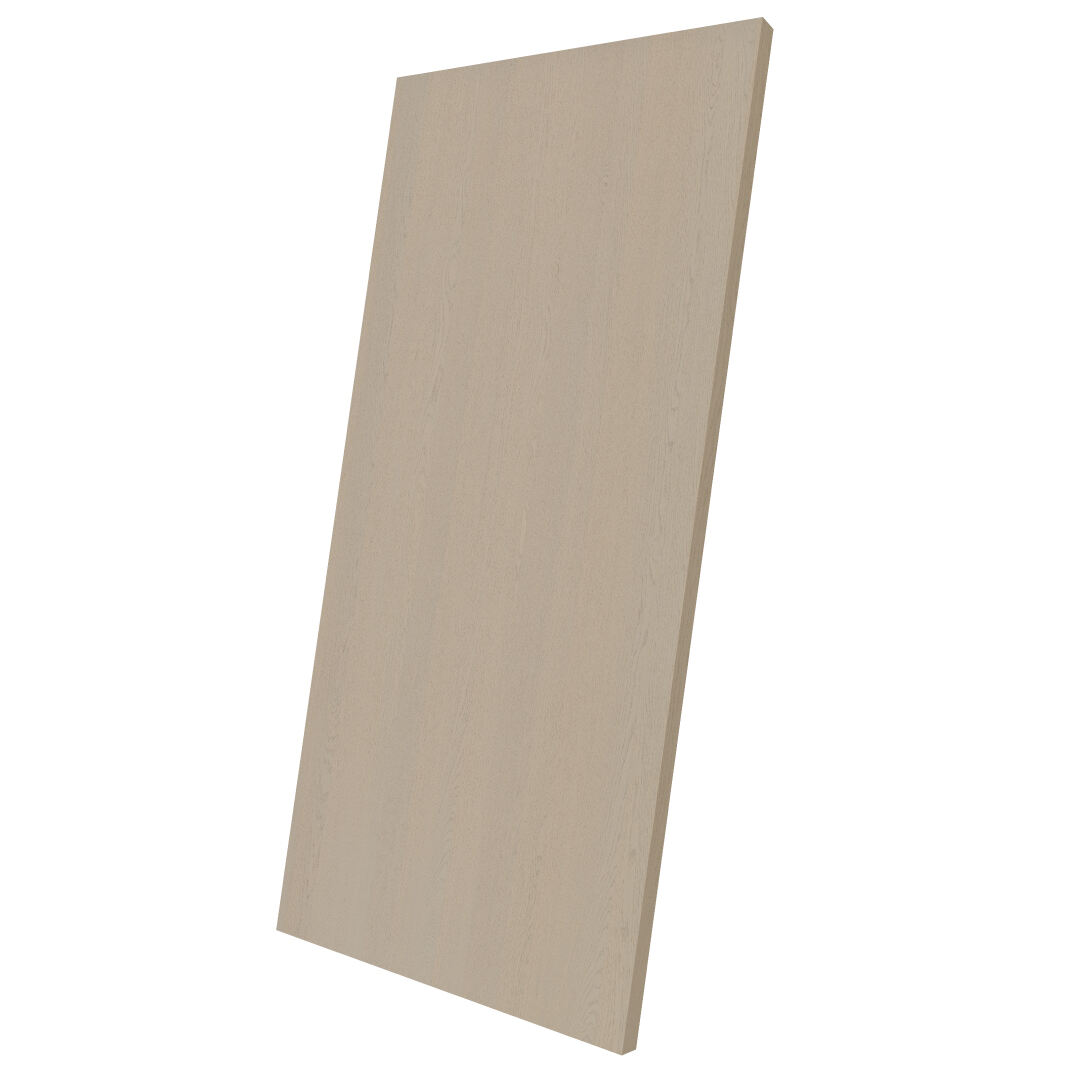
The furniture manufacturing industry has long recognized the distinctive properties that make soft wood a preferred material for countless applications. From residential cabinetry to commercial installations, soft wood species deliver a combination of workability, aesthetic appeal, and economic efficiency that few other materials can match. Understanding what advantages drive this popularity requires examining the intrinsic characteristics of soft wood, its processing benefits, and the practical considerations that influence manufacturer decisions across diverse production environments.
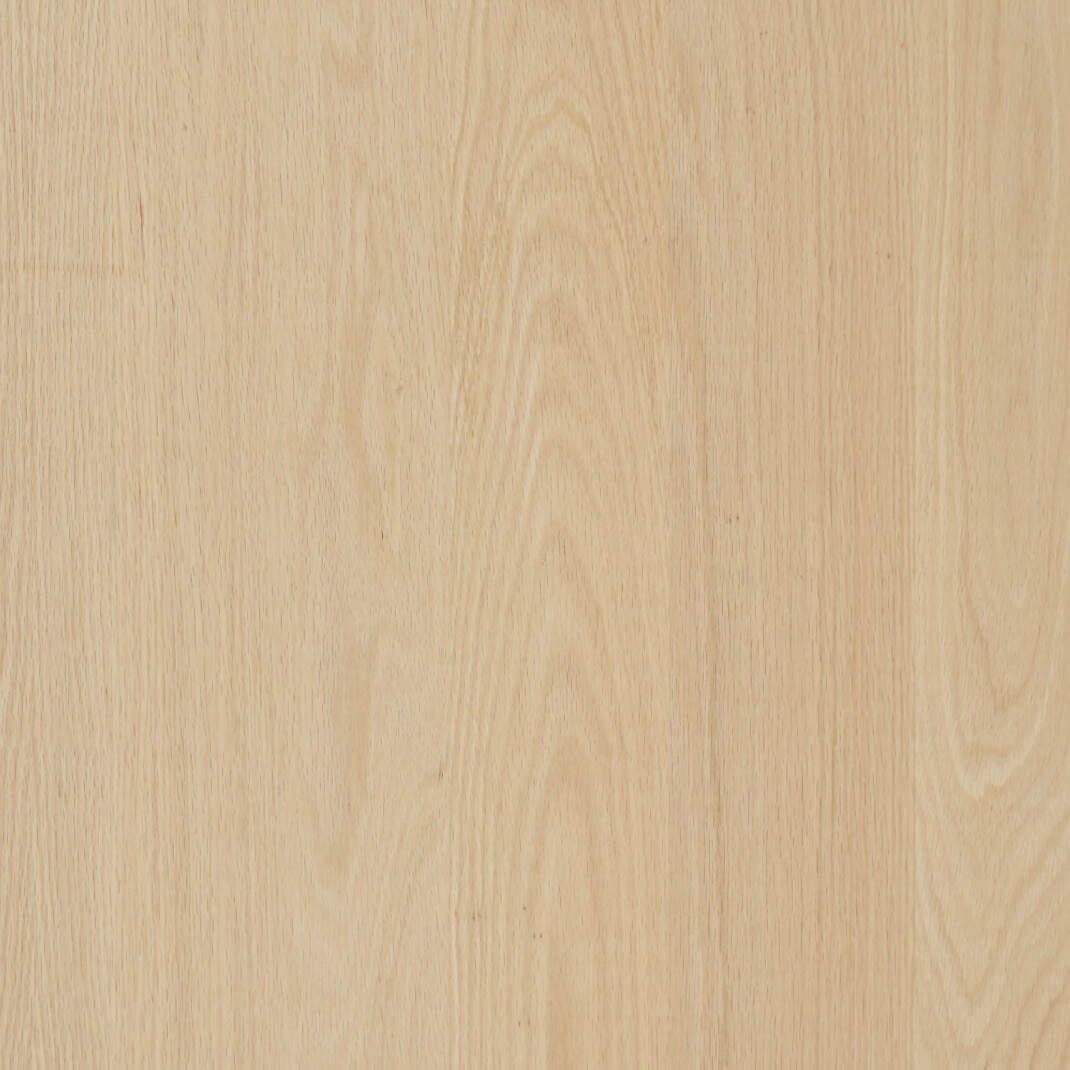
Soft wood occupies a unique position in furniture production because it balances multiple functional requirements simultaneously. Manufacturers select materials based on cost structure, machining characteristics, finishing potential, structural performance, and market positioning. Soft wood consistently performs well across these evaluation criteria, making it an intelligent choice for operations ranging from artisanal workshops to high-volume industrial facilities. The advantages extend beyond simple material properties to encompass supply chain reliability, sustainability considerations, and design flexibility that enable manufacturers to respond quickly to market trends while maintaining production efficiency.
Material Processing and Workability Advantages
Machining Efficiency and Tool Performance
One of the most significant advantages that make soft wood popular in furniture manufacturing is its exceptional machinability. Soft wood species cut cleanly with standard woodworking tools, producing smooth surfaces with minimal tear-out when proper techniques are applied. This characteristic directly translates to faster production speeds, reduced tool wear, and lower maintenance costs throughout manufacturing operations. Routers, planers, and saws maintain sharp edges longer when processing soft wood compared to denser hardwood alternatives, reducing downtime for blade changes and sharpening procedures.
The cellular structure of soft wood allows cutting tools to penetrate fibers with less resistance, generating lower heat buildup during high-speed operations. This thermal advantage prevents scorching on finished surfaces and extends the operational life of carbide-tipped tooling. Manufacturers operating automated production lines particularly value this benefit, as consistent machining behavior reduces quality variation across production runs. The predictable cutting characteristics of soft wood enable tighter tolerances in joinery and component dimensioning, supporting precision assembly methods that enhance overall furniture quality.
Fastener Holding and Joinery Compatibility
Soft wood demonstrates excellent fastener retention properties that facilitate diverse joinery approaches in furniture construction. Screws, nails, and specialized fasteners embed securely into soft wood fibers without causing the splitting or fracturing common with brittle materials. This reliability allows manufacturers to employ efficient mechanical joining methods alongside traditional mortise-and-tenon or dovetail techniques, depending on production requirements and design specifications. The material accepts adhesives readily, creating strong glue bonds that complement mechanical fastening systems.
The fibrous nature of soft wood provides grip for threaded fasteners while allowing some compression that prevents stress concentration at connection points. This mechanical behavior contributes to furniture durability by distributing loads gradually rather than creating brittle failure points. Manufacturers appreciate the flexibility to use pneumatic fastening equipment with soft wood components, accelerating assembly operations without compromising joint integrity. The material's forgiving nature also simplifies repairs and modifications during production, as fasteners can be repositioned or replaced without catastrophic material damage.
Dimensioning Stability and Drying Response
Properly dried soft wood exhibits predictable dimensional movement patterns that furniture manufacturers can accommodate through established design practices. Understanding moisture behavior allows production planning that minimizes warping, cupping, and twisting in finished pieces. Soft wood typically reaches equilibrium moisture content more rapidly than dense hardwoods, shortening kiln drying cycles and reducing energy consumption in lumber preparation. This time advantage accelerates material turnover and improves inventory efficiency in manufacturing operations.
The relatively open grain structure of soft wood facilitates moisture exchange with surrounding environments, but this same characteristic enables effective stabilization treatments when required for specific applications. Manufacturers can apply dimensional stabilization products or moisture barrier finishes that lock soft wood components at desired moisture levels, preventing seasonal movement in finished furniture. The material responds well to climate-controlled storage environments, maintaining stable dimensions throughout fabrication processes when proper handling protocols are followed. This controllability reduces waste from dimensional rejection and supports consistent quality standards across production batches.
Economic and Supply Chain Benefits
Cost Structure and Material Availability
The economic advantages that make soft wood popular in furniture manufacturing begin with raw material pricing that typically runs substantially lower than premium hardwood alternatives. Soft wood species grow faster and reach harvestable size more quickly than slow-growing hardwoods, creating abundant supply that moderates market prices even during periods of high demand. This cost differential allows manufacturers to achieve attractive margin structures while maintaining competitive retail pricing, particularly important in value-oriented market segments where price sensitivity drives purchasing decisions.
Supply chain reliability represents another critical economic advantage of soft wood sourcing. Established forestry operations maintain consistent output levels, providing manufacturers with dependable material flows that support production scheduling and inventory management. The broad geographic distribution of soft wood forests reduces transportation costs and supply disruption risks compared to specialized hardwoods available only from limited regions. Manufacturers can often source soft wood locally or regionally, shortening lead times and improving supply chain responsiveness to changing production requirements.
Processing Cost Efficiency
Beyond raw material pricing, soft wood delivers processing cost advantages throughout the manufacturing workflow. The reduced tool wear previously discussed translates directly to lower consumable expenses and decreased maintenance labor requirements. Energy consumption during machining operations remains moderate due to the lower cutting forces required, contributing to overall production cost efficiency. These incremental savings accumulate significantly in high-volume manufacturing environments where material handling and processing represent major cost centers.
The lighter weight of soft wood compared to dense hardwoods reduces material handling labor and equipment wear throughout production facilities. Workers move components more easily, assembly operations require less physical effort, and finished furniture pieces ship at lower freight weights. These handling advantages improve workplace ergonomics while reducing transportation costs, benefits that extend from factory floor to final delivery. Manufacturers operating lean production systems particularly value these efficiency gains, as they support waste reduction initiatives and continuous improvement programs aimed at optimizing resource utilization.
Waste Minimization and Byproduct Utilization
Modern furniture manufacturing emphasizes material yield optimization, and soft wood characteristics support high utilization rates through various production strategies. The consistent grain structure allows efficient cutting patterns that maximize component extraction from raw lumber, reducing offcut waste. Manufacturers can process smaller pieces and lower grades of soft wood into engineered products or secondary components, creating value from material that might otherwise represent waste disposal costs.
Soft wood processing byproducts find ready markets in related industries, creating revenue streams from sawdust, shavings, and trim pieces. These materials serve as feedstock for particleboard manufacturing, biomass energy generation, or animal bedding products, transforming potential waste into economic assets. The environmental benefits of comprehensive material utilization align with corporate sustainability goals while improving overall production economics. Manufacturers can achieve near-zero waste operations with soft wood, an accomplishment more difficult with materials lacking established recycling infrastructure or byproduct markets.
Aesthetic Versatility and Finishing Options
Natural Appearance and Grain Character
Soft wood species display distinctive grain patterns and color variations that appeal to diverse aesthetic preferences in furniture design. The prominent growth rings common in many soft wood types create visual interest that designers exploit through strategic grain orientation and matching techniques. Light natural coloration provides a neutral base that complements various interior design schemes, from traditional rustic styles to contemporary minimalist approaches. This versatility allows manufacturers to address broad market segments without maintaining extensive material inventories of different species.
The subtle color variations within soft wood boards enable creative grain matching that enhances visual continuity across furniture surfaces. Manufacturers can select and arrange components to emphasize or minimize grain patterns according to design intent, creating custom appearances without exotic materials or complex fabrication methods. Natural characteristics like knots and resin pockets add character that many consumers value as authentic wood features, particularly in casual or rustic furniture categories. This acceptance of natural variation reduces material waste from strict defect grading while celebrating the organic nature of wood as a furniture material.
Staining and Finishing Response
The porous nature of soft wood creates exceptional receptivity to stains, dyes, and finishing products, enabling manufacturers to achieve diverse appearance outcomes from a single base material. Soft wood readily absorbs penetrating finishes that enhance grain visibility while providing protective coatings, allowing natural wood character to remain prominent in finished pieces. This finishing flexibility supports product line differentiation without requiring multiple wood species in inventory, simplifying material management while expanding design options.
Modern finishing technology has developed specialized products optimized for soft wood characteristics, addressing historical concerns about blotchy stain absorption or uneven color development. Manufacturers using proper surface preparation and appropriate finishing systems achieve consistent, attractive results that meet quality standards across production volumes. The ability to modify soft wood appearance through finishing expands market opportunities, as a single manufacturing process can produce furniture ranging from light natural finishes to rich dark tones that mimic premium hardwood species. This capability reduces production complexity while maintaining product portfolio breadth.
Paint and Opaque Coating Performance
When opaque finishes are desired, soft wood provides an ideal substrate for painted furniture applications. The smooth surface texture achieved through proper sanding accepts paint evenly, creating uniform coverage without excessive material consumption. Soft wood dimensional stability under paint films prevents the checking and cracking that can occur with materials exhibiting greater seasonal movement. These characteristics make soft wood particularly suitable for painted furniture production, a significant market segment encompassing everything from children's furniture to contemporary lacquered pieces.
The economic advantages of painting soft wood extend beyond material cost to include finishing efficiency and quality consistency. Paint systems effectively conceal minor surface imperfections and natural variations, allowing manufacturers to utilize wider grade ranges of soft wood without compromising finished appearance. This grade flexibility improves material yield and reduces procurement costs while maintaining aesthetic standards. Manufacturers can achieve factory-applied finishes that provide superior durability compared to field-applied coatings, adding value that supports premium pricing in painted furniture categories.
Structural Performance and Application Suitability
Strength-to-Weight Characteristics
While soft wood generally exhibits lower absolute strength values than dense hardwoods, its strength-to-weight ratio makes it suitable for numerous furniture applications where excessive mass is undesirable. The material provides adequate structural performance for residential furniture while maintaining lighter overall weight that facilitates handling, rearrangement, and transportation. This balance proves particularly valuable in furniture designed for frequent repositioning or in applications where weight restrictions apply, such as second-floor installations or mobile furniture systems.
Engineers specify soft wood for furniture components where loading conditions remain within the material's performance envelope, using appropriate sizing and reinforcement strategies to ensure adequate safety factors. Modern structural design methods account for soft wood properties accurately, allowing optimized component dimensions that avoid both over-engineering and under-sizing. The predictable mechanical behavior of soft wood species enables reliable structural calculations that support consistent performance across production runs. Manufacturers can achieve necessary strength requirements with soft wood through intelligent design rather than relying solely on material properties, demonstrating the importance of integrated engineering approaches.
Composite and Engineered Product Integration
The furniture industry increasingly employs engineered wood products that leverage soft wood as a primary raw material, and solid soft wood components integrate seamlessly with these manufactured materials. Plywood, oriented strand board, medium-density fiberboard, and laminated veneer lumber all commonly utilize soft wood fibers, creating material compatibility throughout furniture assemblies. This integration allows manufacturers to optimize material selection for each component based on functional requirements, using solid soft wood where its properties offer advantages while employing engineered products where their characteristics prove superior.
The chemical compatibility between solid soft wood and wood-based adhesives ensures strong bonds in hybrid constructions combining different material forms. Manufacturers can create furniture designs that exploit the aesthetic appeal of solid soft wood surfaces while using engineered cores for dimensional stability or cost efficiency. This flexibility supports innovative construction methods that balance performance requirements, aesthetic goals, and economic constraints. The availability of complementary soft wood products throughout the supply chain simplifies sourcing and quality assurance processes for manufacturers working with multiple material formats.
Environmental Exposure and Treatment Response
Understanding soft wood behavior under various environmental conditions allows manufacturers to specify appropriate applications and protective treatments. While soft wood requires protection from moisture and decay organisms in exterior applications, it performs reliably in controlled interior environments typical of residential and commercial furniture installations. Modern preservative treatments effectively enhance soft wood durability when exposure conditions warrant additional protection, expanding application possibilities beyond traditional interior use.
The permeable structure that makes soft wood receptive to finishes also allows effective pressure treatment with preservatives when long-term outdoor exposure is anticipated. Manufacturers producing outdoor furniture or semi-exposed applications can specify treated soft wood that delivers extended service life at costs below naturally durable species. This treatment responsiveness adds versatility to soft wood applications while maintaining the material's core advantages in workability and finishing. Understanding these protective options allows manufacturers to expand product offerings while managing material performance risks appropriately.
Sustainability and Environmental Considerations
Renewable Resource Management
The sustainability profile of soft wood contributes significantly to its popularity among environmentally conscious manufacturers and consumers. Soft wood forests regenerate relatively quickly compared to slow-growing hardwood species, supporting sustainable harvest practices that maintain forest cover while providing renewable material supplies. Third-party certification programs verify responsible forestry practices, allowing manufacturers to document environmental stewardship throughout their supply chains. This traceability addresses growing consumer demand for sustainably sourced products and supports corporate environmental commitments.
Many soft wood species grow in managed plantation forests specifically established for timber production, reducing pressure on natural forest ecosystems. These managed forests employ silvicultural practices that optimize growth rates while maintaining ecological functions, creating efficient renewable material production systems. Manufacturers sourcing from certified operations can confidently market furniture products as environmentally responsible choices, differentiating offerings in competitive markets where sustainability increasingly influences purchasing decisions. The alignment between soft wood availability and environmental goals creates business advantages beyond simple material costs.
Carbon Storage and Life Cycle Benefits
Soft wood furniture functions as a carbon storage medium, sequestering atmospheric carbon dioxide throughout the product's service life. This carbon storage represents a genuine environmental benefit that manufacturers can quantify and communicate to environmentally motivated customers. Life cycle assessment studies consistently demonstrate favorable environmental profiles for wood furniture compared to alternatives manufactured from energy-intensive materials like metals or plastics. The relatively low processing energy requirements for soft wood further enhance these environmental advantages.
End-of-life considerations favor soft wood furniture through multiple disposal pathways that avoid landfill waste. Solid wood components can be recycled into new wood products, combusted for energy recovery, or allowed to decompose naturally without releasing persistent pollutants. This benign end-of-life profile contrasts favorably with synthetic materials that pose disposal challenges. Manufacturers emphasizing circular economy principles find soft wood aligns well with design-for-disassembly approaches that facilitate furniture refurbishment, component reuse, and material recovery. These sustainability advantages support marketing narratives that resonate with environmentally conscious consumer segments.
Local Sourcing and Transportation Impacts
The widespread geographic distribution of soft wood forests enables regional sourcing strategies that minimize transportation distances and associated environmental impacts. Manufacturers can often establish supply relationships with nearby sawmills and lumber processors, reducing freight emissions while supporting local economies. This localization opportunity proves particularly valuable for manufacturers emphasizing regional identity or local production as brand differentiators. Shorter supply chains also improve responsiveness to changing material requirements and reduce inventory carrying costs.
Transportation efficiency extends to finished furniture products, as the lighter weight of soft wood reduces shipping emissions compared to denser materials. This weight advantage accumulates across distribution networks encompassing multiple transportation modes and delivery stages. Manufacturers can document these efficiency gains through carbon accounting methodologies, providing quantified environmental benefits that support sustainability claims. The combination of sustainable forestry, efficient processing, and low-impact transportation creates a compelling environmental narrative that enhances soft wood's market position as consumer environmental awareness continues expanding.
FAQ
Why do furniture manufacturers prefer soft wood over hardwood in many applications?
Furniture manufacturers prefer soft wood in many applications because it offers superior workability, significantly lower material costs, and excellent finishing versatility while providing adequate structural performance for most furniture uses. The combination of easy machining, reduced tool wear, faster production speeds, and reliable supply availability creates compelling economic advantages. Soft wood also delivers aesthetic flexibility through its receptiveness to stains, paints, and various finishing treatments, allowing manufacturers to achieve diverse appearance outcomes from a single base material. These practical benefits make soft wood the logical choice for value-oriented furniture production where extreme strength or specific hardwood characteristics are not essential requirements.
How does soft wood finishing compare to hardwood finishing in furniture production?
Soft wood finishing differs from hardwood finishing primarily in its greater absorption of stains and finishes due to more porous cellular structure, requiring specific techniques to achieve uniform results. However, this absorptive quality becomes an advantage when manufacturers employ appropriate surface preparation methods and finishing products designed for soft wood characteristics. Modern finishing systems enable soft wood furniture to achieve appearance quality matching or exceeding hardwood alternatives, with the added benefit of accepting both transparent and opaque finishes effectively. The material readily takes paint, creating smooth, durable surfaces ideal for contemporary furniture designs, while also accepting penetrating oils and stains that enhance natural grain patterns for traditional aesthetic preferences.
What structural limitations should manufacturers consider when designing furniture with soft wood?
Manufacturers designing furniture with soft wood must account for lower density and reduced hardness compared to premium hardwoods, which affects surface durability and dent resistance in high-contact areas. Structural design should incorporate appropriate safety factors recognizing soft wood's lower bending strength and stiffness values, typically addressed through increased component dimensions, strategic reinforcement placement, or engineered product integration. Furniture intended for heavy loading or commercial high-use environments may require additional bracing or hardwood reinforcements at stress points. However, residential furniture applications typically fall well within soft wood structural capabilities when proper engineering principles guide design decisions, making these limitations manageable rather than prohibitive for most furniture manufacturing applications.
Can soft wood furniture achieve the durability required for commercial applications?
Soft wood furniture can achieve adequate durability for many commercial applications when manufacturers employ appropriate design strategies, protective finishes, and realistic use-case matching. The key lies in understanding that durability depends on multiple factors beyond base material hardness, including finish quality, joint design, and maintenance protocols. Commercial installations in moderate-use environments such as offices, hospitality guest rooms, or retail displays successfully utilize soft wood furniture with properly applied protective coatings that resist wear and moisture. High-traffic or intensive-use applications may require hardwood or composite materials in contact surfaces while still benefiting from soft wood in structural or non-contact components. Manufacturers can extend soft wood service life through finish selection, maintenance-friendly designs, and customer education about appropriate care practices.
Table of Contents
- Material Processing and Workability Advantages
- Economic and Supply Chain Benefits
- Aesthetic Versatility and Finishing Options
- Structural Performance and Application Suitability
- Sustainability and Environmental Considerations
-
FAQ
- Why do furniture manufacturers prefer soft wood over hardwood in many applications?
- How does soft wood finishing compare to hardwood finishing in furniture production?
- What structural limitations should manufacturers consider when designing furniture with soft wood?
- Can soft wood furniture achieve the durability required for commercial applications?
