 EN
EN


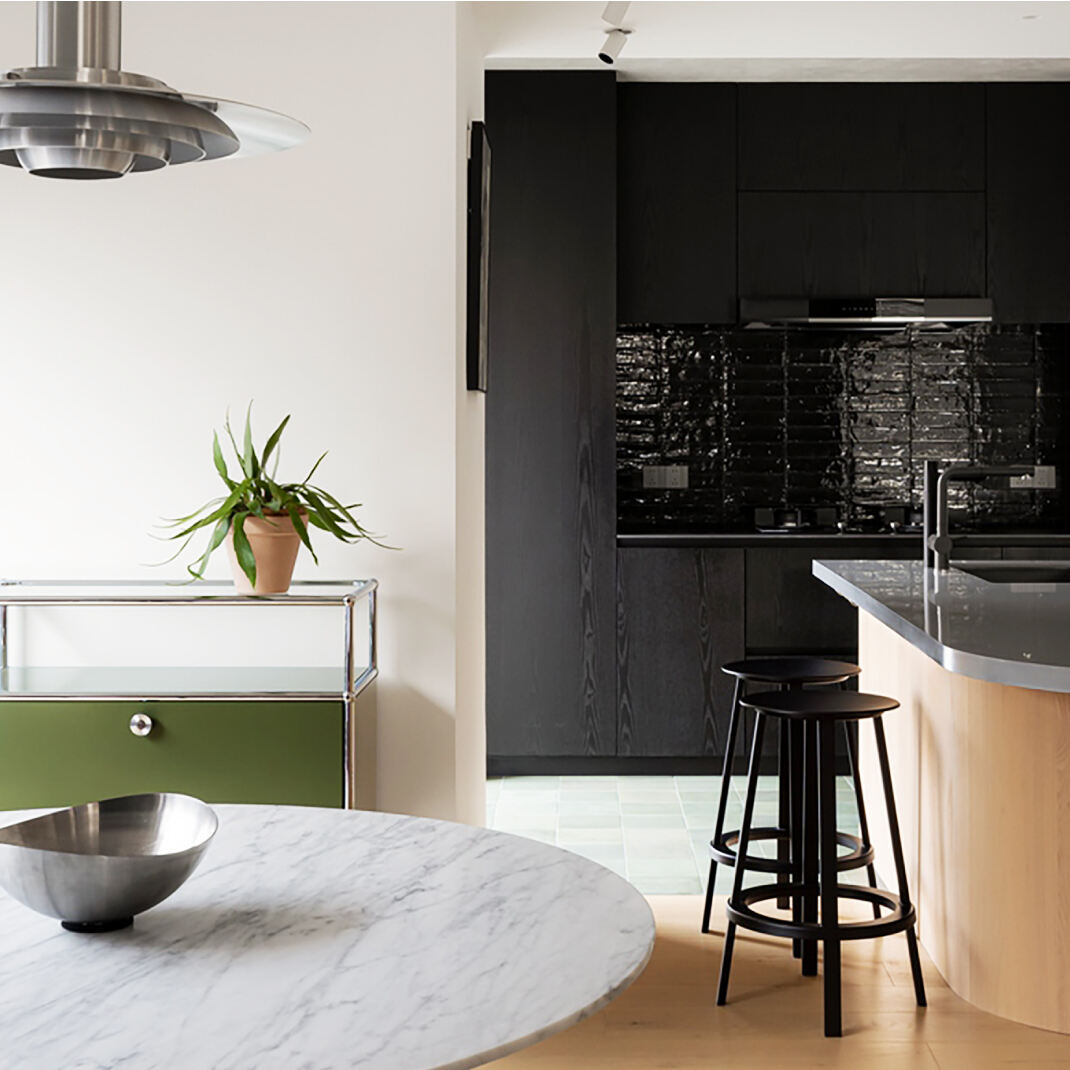
Choosing the right acoustic panel is one of the most consequential decisions a designer faces when shaping interior environments. Whether the project involves an open-plan office, a hospitality venue, an educational facility, or a healthcare space, the acoustic panel selected directly affects both the acoustic performance and the visual character of the finished space. Designers must approach this selection with a clear understanding of the technical, aesthetic, and practical dimensions involved.
The acoustic panel market offers an extensive range of materials, forms, and performance profiles, making the selection process both an opportunity and a challenge. A well-chosen acoustic panel can transform a noisy, reverberant room into a comfortable, productive, and visually cohesive space. This article outlines the critical considerations that should guide every designer when evaluating acoustic panel solutions for their projects.
Acoustic Performance Requirements
Understanding Sound Absorption Coefficients
The primary function of any acoustic panel is to absorb sound energy and reduce reverberation. Designers must first define the target acoustic environment before selecting an acoustic panel. A recording studio requires a very different acoustic panel specification than a school corridor or a corporate meeting room. The Noise Reduction Coefficient, or NRC, is the standard metric used to evaluate how effectively an acoustic panel absorbs sound across a range of frequencies. An acoustic panel with a high NRC rating absorbs more sound, while a lower-rated acoustic panel reflects more energy back into the space.
Beyond NRC, designers should consider frequency-specific performance. Some spaces require an acoustic panel that performs well in the low-frequency range, such as music rehearsal rooms, while others demand an acoustic panel optimized for mid and high frequencies, such as call centers or open offices. Matching the acoustic panel to the frequency profile of the noise source is essential for achieving the desired acoustic outcome. Always request detailed absorption data from manufacturers when comparing each acoustic panel option.
Coverage Area and Panel Placement
An acoustic panel does not work in isolation. The total coverage area, the distribution pattern across surfaces, and the placement height all influence how effectively an acoustic panel treats a room. Designers should calculate the required acoustic panel coverage based on room volume, surface materials, and occupancy levels. Clustering all acoustic panel units on a single wall is rarely effective. Distributing the acoustic panel placement across multiple surfaces, including ceilings and sidewalls, typically delivers more balanced absorption and a more natural acoustic feel.
Material, Form, and Aesthetic Integration
Material Options for Acoustic Panels
The material composition of an acoustic panel determines both its performance characteristics and its suitability for different environments. Common acoustic panel substrates include mineral fiber, fiberglass, polyester fiber, foam, wood wool, and perforated timber or metal. Each acoustic panel material type has a distinct texture, weight, edge profile, and surface finish that affects how it integrates into a design scheme. A fabric-wrapped acoustic panel suits soft, tactile interior languages, while a perforated wood or metal acoustic panel introduces a harder, more architectural character.
Designers working on projects with specific hygiene, fire safety, or durability requirements must also evaluate the material properties of each acoustic panel with those constraints in mind. A healthcare environment may require an acoustic panel with antimicrobial surface treatments and smooth, wipeable faces. An educational space may prioritize impact resistance. Always verify that the acoustic panel material complies with the relevant fire rating standards for the building classification.
Color, Texture, and Custom Finishes
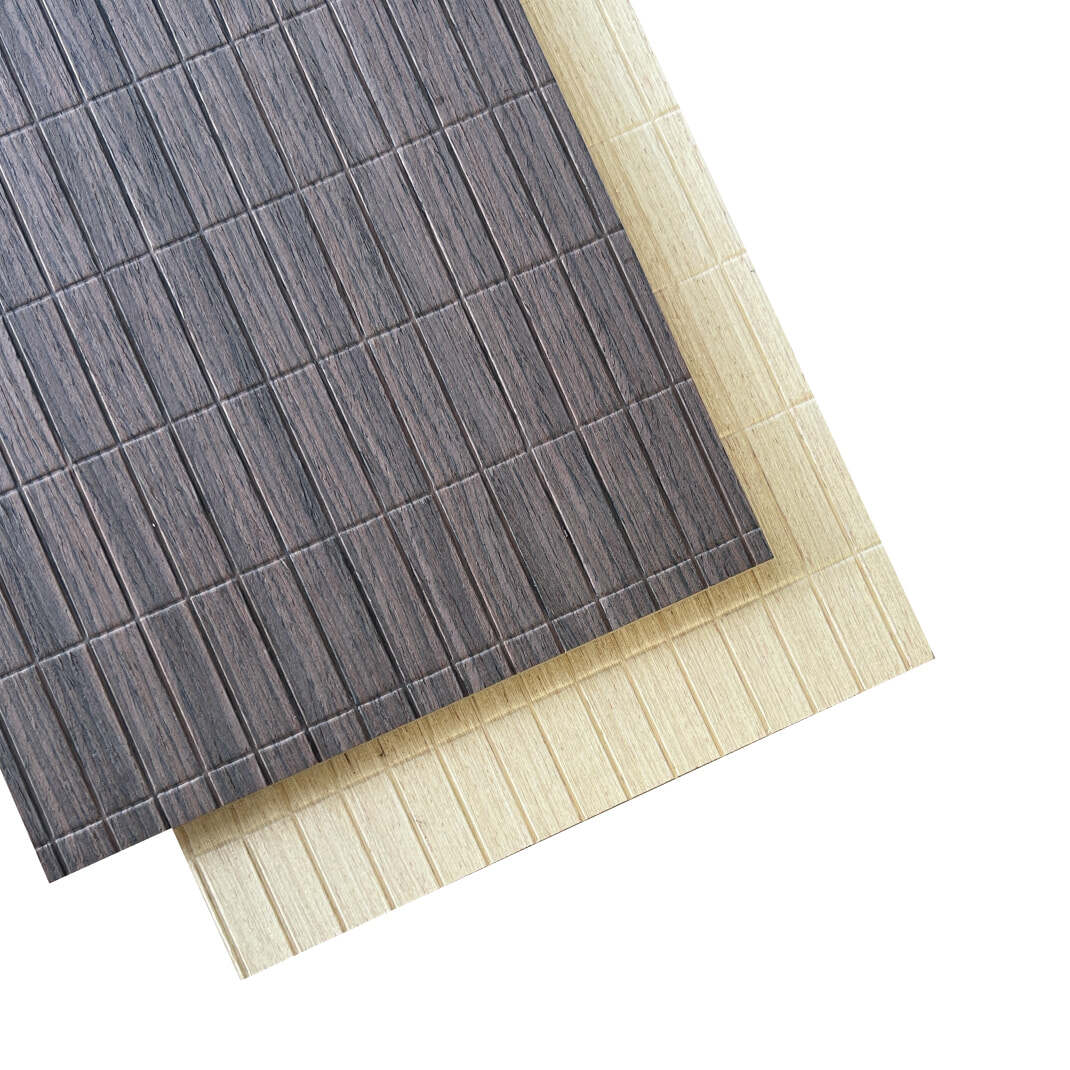
The visual contribution of an acoustic panel should never be treated as secondary to its performance. In contemporary interior design, the acoustic panel has evolved from a purely functional element into a significant design feature. Many acoustic panel systems are available in a wide range of colors, textures, and custom printing options, allowing designers to create feature walls, branded environments, or subtle tonal backdrops. A grille-style or slatted acoustic panel, for example, introduces visual rhythm and depth while delivering strong absorption performance. Designers should request physical samples of each acoustic panel finish before specifying, as digital representations rarely capture the true texture and light interaction of the surface.
Installation, Durability, and Project Practicalities
Mounting Systems and Installation Complexity
The ease of installation of an acoustic panel directly affects project timelines and labor costs. Some acoustic panel systems use simple clip-and-rail mounting that allows rapid installation and straightforward replacement of individual panels. Others require more complex framing, adhesive bonding, or suspended ceiling grid integration. Designers must coordinate with the installation team early to confirm that the specified acoustic panel system is compatible with the substrate conditions on site. The weight of the acoustic panel is also a practical concern, particularly for ceiling-mounted applications where structural loading must be assessed.
Modular acoustic panel systems offer significant advantages in terms of future flexibility. If the function of a space changes, a modular acoustic panel can be repositioned or reconfigured more easily than a fixed, bonded installation. This is especially relevant in commercial interiors where tenant fit-outs evolve over time. Specifying an acoustic panel system with a straightforward demountable mounting solution can add long-term value to the client.
Durability and Maintenance Expectations
An acoustic panel must maintain both its performance and its appearance over the lifespan of the installation. Designers should ask suppliers about the expected durability of each acoustic panel finish, particularly in high-traffic or high-contact zones. Fabric-faced acoustic panel systems may attract dust or suffer surface damage in exposed locations, while harder-faced acoustic panel types tend to offer greater resistance to wear and soiling. Establishing a clear maintenance protocol for each acoustic panel type ensures that the installation retains its intended acoustic and aesthetic contribution throughout the life of the project.
FAQ
What is the most important factor when selecting an acoustic panel for a commercial office?
For a commercial office, the most important factor when selecting an acoustic panel is its NRC rating combined with appropriate coverage area. An acoustic panel with a high NRC rating, distributed evenly across ceilings and walls, will most effectively reduce speech noise and reverberation in an open-plan environment.
Can an acoustic panel also serve as a decorative design element?
Yes. A modern acoustic panel is available in a broad range of colors, custom prints, textures, and architectural forms such as grille or slat profiles. Designers routinely use an acoustic panel as a feature wall surface or ceiling installation that contributes strongly to the visual identity of the space while delivering measurable acoustic performance.
How do I determine how many acoustic panel units a room requires?
The number of acoustic panel units required depends on the room volume, the existing surface materials, the target reverberation time, and the NRC rating of the selected acoustic panel. A qualified acoustic consultant can model these variables and recommend the minimum acoustic panel coverage needed to meet the acoustic performance target for the specific space type.
