 EN
EN


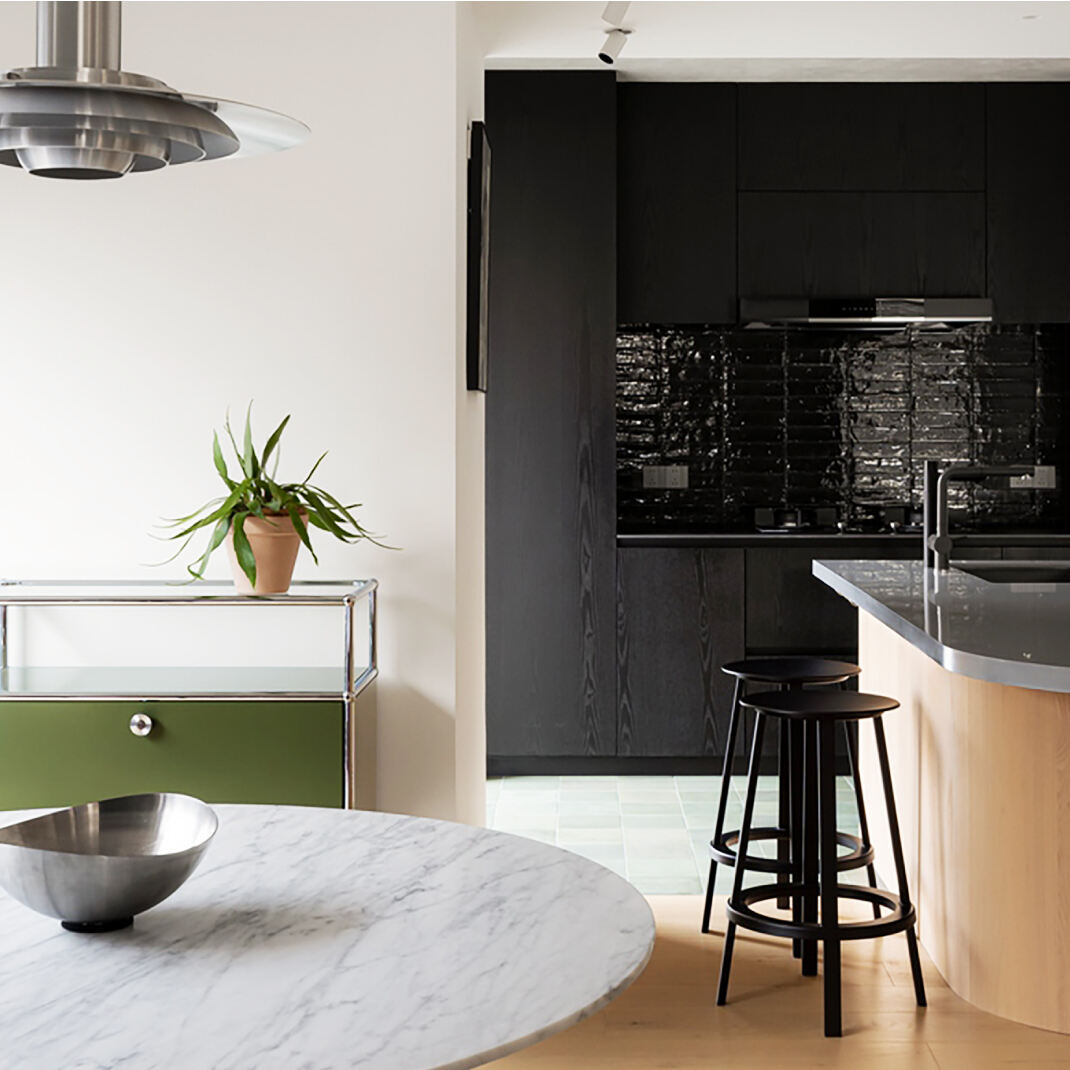
The performance of wood veneer finish under daily wear and environmental changes has become a critical consideration for architects, interior designers, and property owners investing in premium surface materials. Understanding how these sophisticated finishes respond to real-world conditions helps ensure long-term satisfaction and optimal return on investment. Wood veneer finish systems combine natural beauty with engineered durability, creating surfaces that must withstand everything from humidity fluctuations to mechanical stress while maintaining their aesthetic appeal.
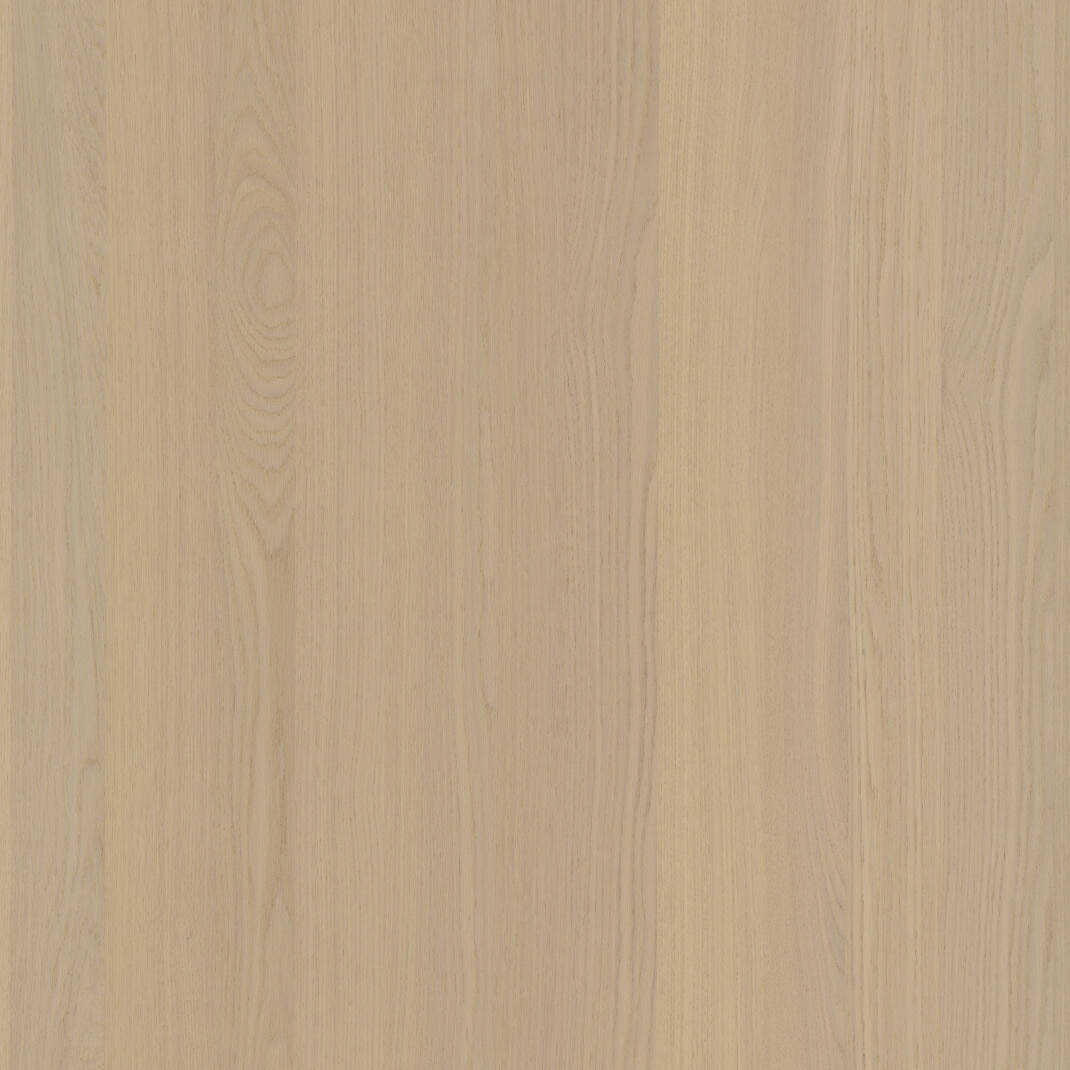
Modern wood veneer finish technology has evolved significantly, incorporating advanced protective coatings and substrate engineering that enhance performance characteristics. These improvements address traditional concerns about veneer durability while preserving the natural grain patterns and color variations that make wood surfaces so appealing. The interaction between environmental factors and finish composition determines how well these materials perform over extended periods of use.
Understanding Wood Veneer Finish Composition and Structure
Multi-Layer Construction Systems
Contemporary wood veneer finish products utilize sophisticated multi-layer construction that significantly impacts their performance under stress. The typical system includes a real wood veneer face, adhesive bonding layers, and an engineered substrate that provides dimensional stability. This construction approach allows the wood veneer finish to respond more predictably to environmental changes than traditional solid wood surfaces.
The veneer layer itself, typically ranging from 0.6mm to 3.2mm in thickness, contributes natural beauty while the underlying layers provide structural integrity. Advanced adhesive technologies ensure strong bonding between layers, preventing delamination under temperature and humidity cycling. The substrate material, often comprising high-density fiberboard or plywood, offers consistent dimensional properties that minimize warping and cupping.
Protective Coating Technologies
The protective coating applied to wood veneer finish surfaces plays a crucial role in determining wear resistance and environmental stability. Modern coating systems often incorporate multiple layers, including primers, base coats, and topcoats, each serving specific protective functions. These coatings create barriers against moisture penetration, UV radiation, and mechanical damage while maintaining the natural appearance of the wood grain.
Advanced coating formulations may include ceramic particles, aluminum oxide, or other hardening agents that significantly enhance scratch resistance. Some premium wood veneer finish products feature specialized coatings that provide self-healing properties, allowing minor scratches to disappear through heat activation or time. The coating thickness and composition directly influence the material's ability to withstand daily wear while preserving its appearance.
Daily Wear Resistance and Mechanical Performance
Scratch and Impact Resistance Characteristics
The scratch resistance of wood veneer finish depends heavily on both the protective coating system and the underlying veneer characteristics. Testing protocols such as the Taber abrader test and pencil hardness evaluations provide quantitative measures of scratch resistance that help predict real-world performance. High-quality wood veneer finish products typically achieve pencil hardness ratings of 2H or higher, indicating good resistance to everyday scratching.
Impact resistance represents another critical performance factor, particularly in high-traffic commercial environments. The multi-layer construction of modern wood veneer finish systems helps distribute impact forces across the substrate, reducing the likelihood of localized damage. However, the specific wood species used in the veneer layer influences impact performance, with harder woods generally providing better resistance to denting and gouging.
Wear Pattern Development and Maintenance Requirements
Regular use of wood veneer finish surfaces creates predictable wear patterns that affect both appearance and performance over time. High-contact areas such as edges, corners, and frequently touched surfaces typically show the first signs of wear. Understanding these patterns helps facility managers develop targeted maintenance strategies that extend the life of the wood veneer finish system.
The maintenance requirements for wood veneer finish surfaces vary significantly based on the protective coating system and use environment. Some products require only periodic cleaning with appropriate pH-neutral cleaners, while others may benefit from periodic recoating or refinishing procedures. Proper maintenance not only preserves appearance but also maintains the protective barrier that shields the veneer from environmental damage.
Environmental Stability and Climate Response
Humidity and Temperature Cycling Effects
Wood veneer finish materials respond to humidity and temperature changes due to the hygroscopic nature of wood fibers. The magnitude of this response depends on several factors, including veneer thickness, wood species, coating permeability, and substrate stability. Well-engineered wood veneer finish systems minimize dimensional changes through careful material selection and construction techniques.
Rapid humidity changes can create stress within the wood veneer finish system, potentially leading to checking, splitting, or delamination if the materials are not properly matched. The substrate plays a crucial role in minimizing these effects by providing dimensional stability and reducing the overall hygroscopic response of the assembly. Modern engineered substrates often exhibit moisture movement rates significantly lower than solid wood, helping to control veneer behavior.
UV Radiation and Color Stability
Exposure to ultraviolet radiation represents one of the most significant environmental challenges for wood veneer finish products. Natural wood contains photosensitive compounds that break down under UV exposure, leading to color changes and surface degradation over time. The protective coating system must provide effective UV filtration to maintain color stability and prevent photodegradation of the veneer.
Different wood species exhibit varying levels of UV sensitivity, with some species like cherry and mahogany showing rapid color changes, while others like oak and maple demonstrate better color stability. Advanced wood veneer finish products incorporate UV-absorbing compounds in their coating systems that significantly reduce the rate of color change. Some manufacturers also pre-condition their veneers to accelerate initial color changes before protective coating application.
Performance Optimization Through Design and Installation
Substrate Selection and Preparation
The choice of substrate material significantly influences the long-term performance of wood veneer finish systems. High-grade plywood substrates offer excellent dimensional stability and screw-holding power, making them ideal for applications requiring mechanical fastening. Medium-density fiberboard substrates provide smooth, uniform surfaces that enhance veneer adhesion and minimize telegraphing of substrate imperfections.
Proper substrate preparation involves ensuring flatness, cleanliness, and appropriate moisture content before veneer application. Surface preparation may include sanding to specific grit requirements, cleaning to remove contaminants, and conditioning to achieve optimal moisture levels. These preparation steps are critical for achieving strong, durable bonds between the veneer and substrate that will withstand long-term environmental stresses.
Installation Environment and Acclimatization
The installation environment significantly affects the initial performance and long-term stability of wood veneer finish materials. Proper acclimatization allows the materials to reach equilibrium with the installation environment before final installation, reducing the likelihood of post-installation movement. This process typically requires storing materials in the installation environment for 48-72 hours before use.
Environmental conditions during installation should be controlled to optimize adhesive curing and minimize stress development in the wood veneer finish system. Temperature and humidity levels should be maintained within manufacturer specifications throughout the installation process. Rapid environmental changes during the curing period can create internal stresses that may manifest as performance problems later.
Long-Term Performance Monitoring and Assessment
Performance Indicators and Warning Signs
Regular monitoring of wood veneer finish performance helps identify potential issues before they become significant problems. Key performance indicators include changes in surface texture, color variations beyond normal aging patterns, edge lifting or delamination, and the development of surface defects such as checking or cracking. Early identification of these issues allows for timely intervention that can prevent more extensive damage.
The development of wear patterns provides valuable information about the suitability of the wood veneer finish for its specific application. Excessive wear in normal-use areas may indicate insufficient protective coating or inappropriate material selection for the use environment. Conversely, minimal wear after extended use periods confirms the adequacy of the material and installation choices.
Maintenance Strategies and Lifecycle Extension
Effective maintenance strategies can significantly extend the useful life of wood veneer finish installations. Regular cleaning removes contaminants that could degrade protective coatings or create abrasive conditions. The use of appropriate cleaning agents and techniques prevents damage to the coating system while maintaining the appearance of the wood veneer finish surface.
Periodic assessment of the protective coating condition helps determine when refreshing or recoating may be beneficial. Some wood veneer finish systems can be refreshed through light sanding and recoating procedures that restore protection without requiring complete replacement. This maintenance approach provides significant cost advantages while maintaining the performance characteristics of the original installation.
FAQ
How long does wood veneer finish typically last in high-traffic commercial environments
The lifespan of wood veneer finish in commercial settings depends on several factors including coating quality, maintenance practices, and traffic levels. High-quality systems with appropriate protective coatings typically provide 10-15 years of satisfactory performance in moderate-traffic areas, while heavy-traffic zones may require refinishing every 7-10 years. Regular maintenance and proper cleaning significantly extend these timeframes.
Can wood veneer finish be repaired if damaged by environmental factors
Minor damage to wood veneer finish surfaces can often be repaired through localized sanding and recoating procedures. More extensive damage, such as delamination or deep scratches penetrating the veneer layer, may require patch repairs or section replacement. The repairability depends largely on the extent of damage and the specific construction of the veneer system. Professional assessment helps determine the most appropriate repair approach.
What environmental conditions pose the greatest risk to wood veneer finish performance
Rapid humidity changes, direct sunlight exposure, and extreme temperature fluctuations represent the most significant environmental threats to wood veneer finish stability. Humidity swings greater than 30% relative humidity can cause dimensional instability, while prolonged UV exposure leads to color changes and surface degradation. Maintaining stable environmental conditions between 30-50% relative humidity and 65-75°F provides optimal performance conditions.
How does the wood species choice affect veneer finish performance under daily use
Different wood species exhibit varying characteristics that influence wood veneer finish performance. Harder species like oak and maple generally provide better dent and scratch resistance, while softer species like pine may show wear more readily. Species with high tannin content may be more susceptible to color changes, while those with tight, consistent grain patterns typically maintain appearance better over time. The protective coating system can help normalize performance differences between species.
Table of Contents
- Understanding Wood Veneer Finish Composition and Structure
- Daily Wear Resistance and Mechanical Performance
- Environmental Stability and Climate Response
- Performance Optimization Through Design and Installation
- Long-Term Performance Monitoring and Assessment
-
FAQ
- How long does wood veneer finish typically last in high-traffic commercial environments
- Can wood veneer finish be repaired if damaged by environmental factors
- What environmental conditions pose the greatest risk to wood veneer finish performance
- How does the wood species choice affect veneer finish performance under daily use
