 EN
EN


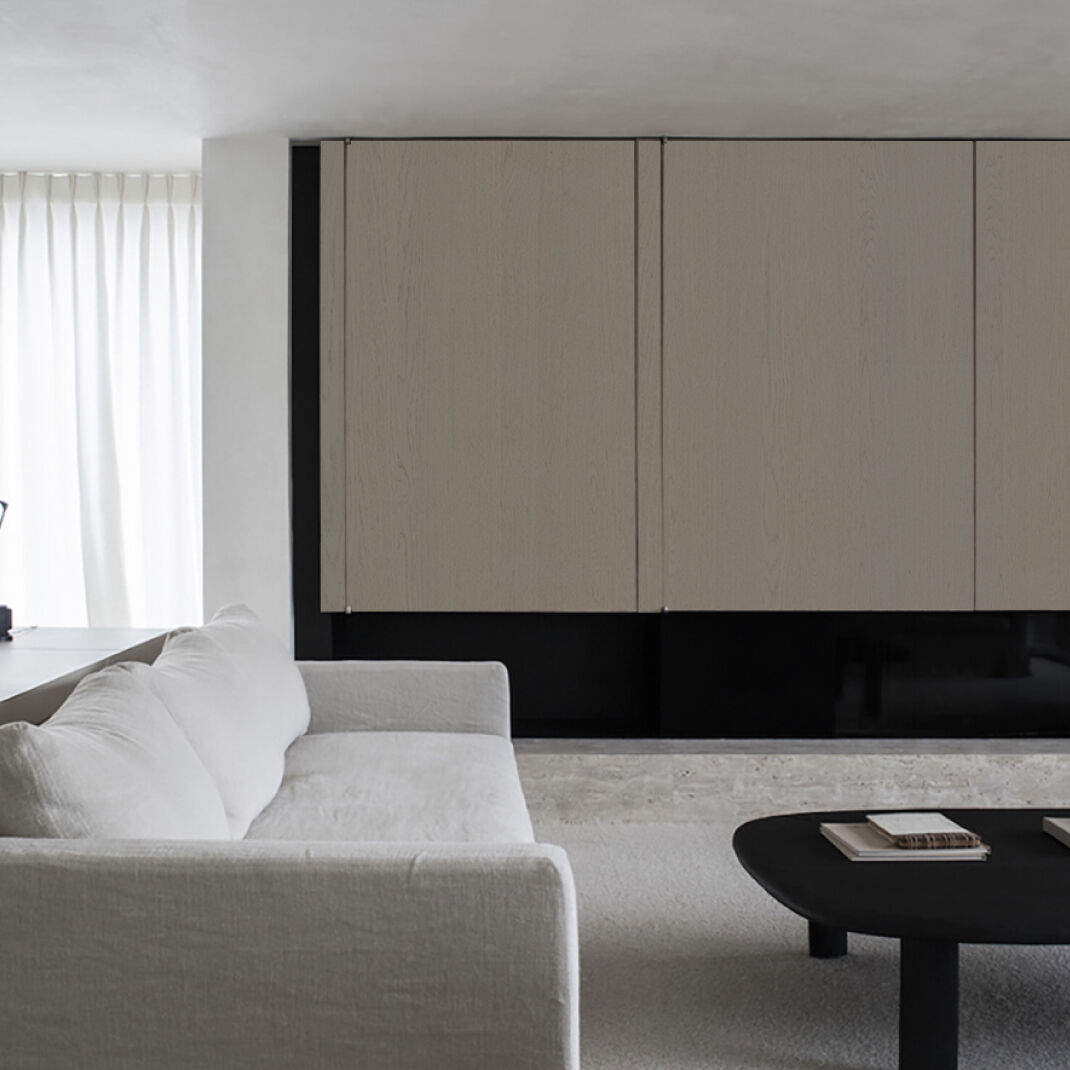
Wood veneer has emerged as one of the most versatile and cost-effective materials for large-scale surface design projects across commercial and residential applications. This thin slice of natural wood offers designers and architects the authentic beauty of solid timber while providing practical advantages that make it ideal for extensive installations. The growing demand for sustainable building materials has positioned wood veneer as a preferred choice for projects requiring both aesthetic appeal and environmental responsibility.
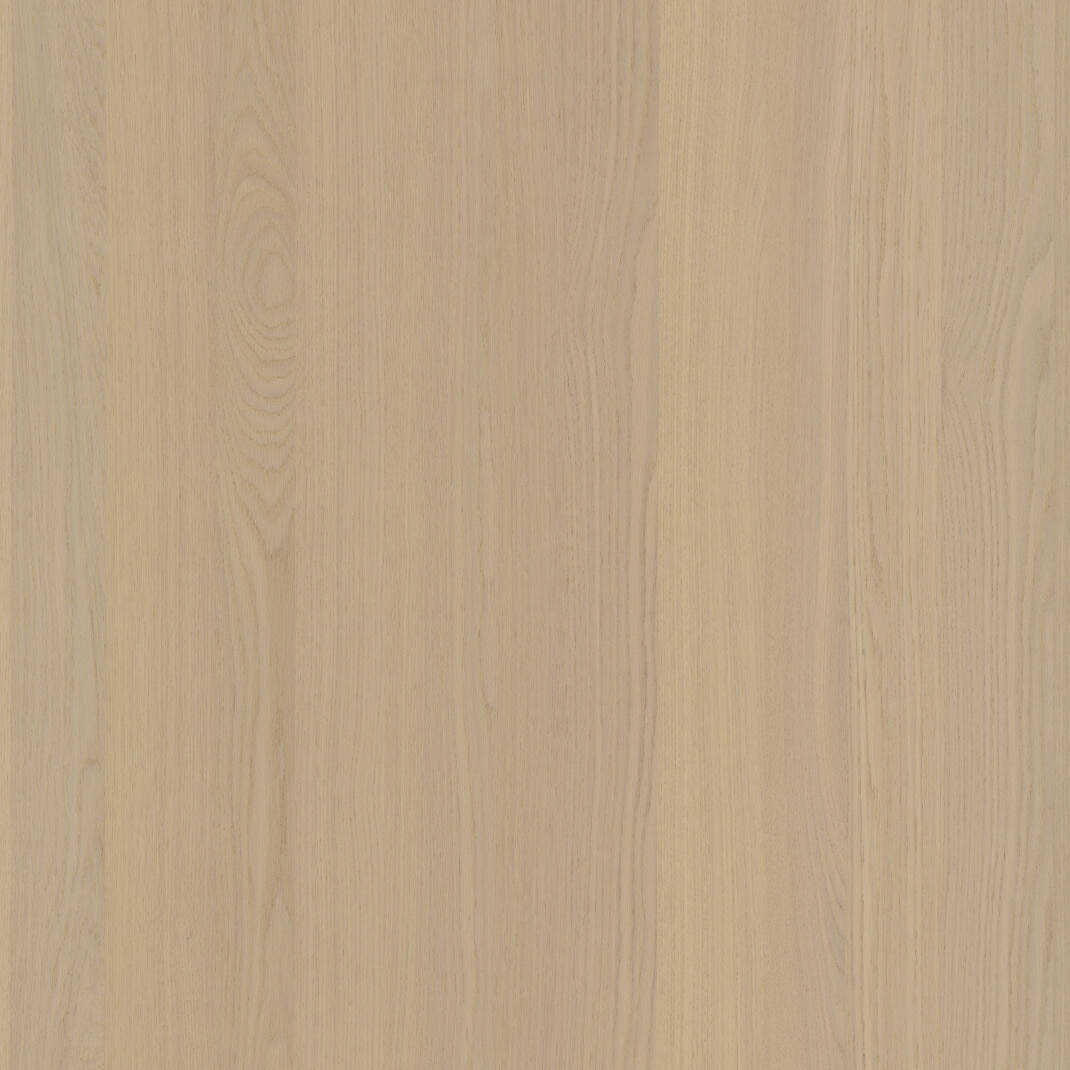
The manufacturing process of wood veneer involves slicing or peeling thin layers from logs, typically ranging from 0.6 to 6 millimeters in thickness. This method allows manufacturers to maximize the use of premium wood species while creating consistent patterns and grain structures that would be impossible to achieve with solid wood panels. Modern production techniques ensure that wood veneer maintains the natural characteristics of the source timber while providing uniform dimensions and quality across large quantities.
Cost Efficiency and Material Optimization
Resource Maximization Benefits
Wood veneer delivers exceptional value by allowing a single log to cover significantly more surface area compared to solid wood applications. This efficiency translates into substantial cost savings for large-scale projects where extensive surface coverage is required. The thin profile of wood veneer means that expensive hardwood species can be utilized more economically, making premium aesthetics accessible for projects with tight budget constraints.
The production process generates minimal waste compared to solid wood processing, as modern slicing techniques can extract multiple veneer sheets from a single log section. This optimization reduces raw material costs while maintaining the authentic appearance that specifiers demand. Project managers often find that wood veneer allows them to achieve high-end design objectives while staying within predetermined budget parameters.
Labor and Installation Savings
Large-scale installations benefit from the lightweight nature of wood veneer, which reduces transportation costs and simplifies handling procedures. Installation crews can work more efficiently with veneer materials, as the reduced weight minimizes the need for heavy lifting equipment and allows for faster application processes. The consistent thickness and dimensions of manufactured wood veneer eliminate the time-consuming sorting and matching processes typically required with solid wood installations.
Professional installers report significant time savings when working with wood veneer on extensive surface applications. The material can be pre-cut to exact specifications, reducing on-site cutting requirements and minimizing waste generation during installation. This efficiency becomes particularly valuable in commercial projects where installation schedules directly impact operational timelines and project delivery dates.
Design Flexibility and Pattern Consistency
Grain Matching Capabilities
Wood veneer excels in large-scale applications due to its ability to provide consistent grain patterns across extensive surfaces. Manufacturers can book-match or slip-match veneer sheets to create seamless visual flow across wall panels, furniture systems, and architectural features. This level of pattern control is virtually impossible to achieve with solid wood, where natural variations in grain structure can create visual disruptions in large installations.
The sequential cutting process used in veneer production allows designers to plan complex pattern layouts with precision. Adjacent sheets maintain logical grain relationships, enabling the creation of dramatic visual effects such as cathedral patterns, diamond matches, or custom geometric arrangements. This predictability in pattern development makes wood veneer particularly valuable for projects requiring specific aesthetic outcomes.
Species Selection and Availability
The wood veneer industry offers access to a vast range of species that might be prohibitively expensive or unavailable in solid form for large projects. Exotic hardwoods, burled woods, and specialty grain patterns can be incorporated into extensive installations through wood veneer applications where solid wood would be economically unfeasible. This expanded palette allows designers to specify unique materials that create distinctive project identities.
Sustainability considerations have led many manufacturers to focus on wood veneer production from certified forest sources, ensuring that even rare species can be used responsibly in large-scale applications. The efficient use of raw materials inherent in veneer production aligns with green building standards while providing access to premium aesthetics that support high-value design objectives.
Structural Advantages for Large Applications
Dimensional Stability Properties
Wood veneer demonstrates superior dimensional stability compared to solid wood when applied to large surfaces, as the thin profile reduces the impact of moisture-related movement. This stability becomes crucial in commercial environments where consistent appearance and minimal maintenance are essential requirements. The backing substrate used with wood veneer applications can be engineered to provide additional stability, creating composite systems that outperform solid wood in demanding environments.
Temperature and humidity fluctuations that would cause significant movement in solid wood panels have minimal impact on properly applied wood veneer systems. This stability reduces the risk of gaps, warping, or other dimensional changes that can compromise the appearance of large installations over time. Facility managers appreciate the reduced maintenance requirements associated with stable wood veneer applications.
Weight Considerations for Structural Design
The lightweight characteristics of wood veneer provide significant advantages for large-scale vertical applications where structural loading is a concern. Wall systems covered with wood veneer impose minimal additional loads on building structures, allowing for extensive coverage without requiring structural modifications. This advantage becomes particularly important in renovation projects where existing structural systems have limited capacity for additional loads.
Suspended ceiling applications and other overhead installations benefit from the reduced weight of wood veneer systems. The material can be applied to lightweight substrates that maintain the authentic wood appearance while minimizing structural requirements. This flexibility opens design possibilities that would be impractical with solid wood installations due to weight limitations.
Manufacturing and Quality Control Standards
Production Consistency Measures
Modern wood veneer manufacturing employs sophisticated quality control systems that ensure consistent thickness, moisture content, and surface quality across large production runs. This consistency eliminates the variability issues that can plague solid wood installations where individual boards may have different characteristics. Large-scale projects benefit from this predictability, as it reduces the risk of visual inconsistencies that can compromise overall design objectives.
Grading standards for wood veneer are well-established and provide clear specifications for different quality levels appropriate for various applications. This standardization allows project teams to specify exact quality requirements and expect consistent delivery of materials meeting those standards. The ability to order large quantities of uniform wood veneer materials streamlines procurement processes and reduces quality-related complications during installation.
Surface Treatment Options
Wood veneer can be pre-finished with a variety of protective coatings and surface treatments that would be difficult to apply uniformly to large solid wood installations. Factory-applied finishes ensure consistent color and sheen levels across extensive surfaces while providing enhanced durability for commercial applications. This pre-finishing capability reduces on-site finish work and associated scheduling complications.
Advanced coating technologies available for wood veneer applications include scratch-resistant surfaces, antimicrobial treatments, and enhanced UV protection systems. These specialized treatments can be applied uniformly during manufacturing, creating performance characteristics that exceed what is typically achievable with field-applied finishes on solid wood installations. The result is enhanced durability and reduced maintenance requirements for large-scale applications.
Environmental and Sustainability Benefits
Forest Resource Conservation
Wood veneer production represents an efficient use of forest resources, as a single log can provide surface coverage equivalent to multiple solid wood boards. This efficiency supports sustainable forestry practices by maximizing the value extracted from each harvested tree. Large-scale projects utilizing wood veneer contribute to responsible resource management while maintaining the aesthetic and functional benefits of natural wood materials.
The reduced material requirements for wood veneer applications translate into lower transportation energy consumption and reduced carbon footprints for large projects. Shipping weights are significantly lower for equivalent surface coverage compared to solid wood alternatives, contributing to more sustainable project delivery. This environmental advantage aligns with green building certification requirements and corporate sustainability objectives.
End-of-Life Considerations
Wood veneer systems can be designed for disassembly and material recovery at the end of their service life, supporting circular economy principles in large-scale construction projects. The separation of thin wood veneer from substrate materials facilitates recycling processes and material recovery operations. This design-for-disassembly approach contributes to sustainable building practices and waste reduction objectives.
Biodegradable characteristics of natural wood veneer ensure that materials will not contribute to long-term environmental impacts when properly disposed of. This advantage becomes particularly relevant for large-scale temporary installations or projects with planned renovation cycles where material disposal is a significant consideration. The natural decomposition properties of wood veneer provide environmental benefits that synthetic alternatives cannot match.
Performance in Commercial Environments
Durability Under Heavy Use
Wood veneer applications in commercial environments benefit from protective substrate systems that enhance durability while maintaining natural wood aesthetics. High-traffic areas can utilize wood veneer over engineered substrates designed for demanding use conditions. This combination provides authentic wood appearance with performance characteristics suited to commercial applications where solid wood might be impractical due to maintenance requirements.
The thin profile of wood veneer allows for protective surface treatments that penetrate effectively while maintaining natural wood texture and appearance. These treatments enhance resistance to common commercial environment challenges including staining, scratching, and moisture exposure. Regular maintenance procedures for wood veneer surfaces are typically less intensive than those required for solid wood installations in similar applications.
Acoustic Properties and Performance
Large-scale wood veneer installations can contribute to improved acoustic environments in commercial spaces, as the natural cellular structure of wood provides sound absorption characteristics. When applied over appropriate substrate systems, wood veneer surfaces can be engineered to meet specific acoustic performance requirements while maintaining aesthetic objectives. This dual functionality becomes valuable in open office environments and public spaces where both appearance and acoustic comfort are important.
The combination of wood veneer with specialized acoustic substrates creates wall and ceiling systems that address multiple performance requirements simultaneously. These integrated systems reduce the need for separate acoustic treatments while providing the warmth and visual appeal of natural wood surfaces. Large commercial projects benefit from this consolidation of functions in single system solutions.
FAQ
How does wood veneer compare to solid wood for large wall installations
Wood veneer offers several advantages over solid wood for large wall installations, including significantly lower cost, reduced weight, improved dimensional stability, and better pattern consistency. The material provides authentic wood appearance while eliminating many of the practical challenges associated with solid wood applications in extensive commercial or residential projects. Installation time is typically reduced, and long-term maintenance requirements are lower compared to solid wood alternatives.
What substrate materials work best with wood veneer for commercial applications
Medium-density fiberboard, particleboard, and plywood substrates are commonly used with wood veneer for commercial applications, with selection depending on specific performance requirements and environmental conditions. Fire-rated substrates may be required for certain commercial installations, while moisture-resistant options are preferred in areas with high humidity exposure. The substrate choice significantly impacts the overall performance and durability of the wood veneer system.
Can wood veneer maintain consistent appearance across very large surface areas
Yes, wood veneer excels at maintaining consistent appearance across large surface areas through careful selection and matching processes during manufacturing. Book-matching and slip-matching techniques ensure logical grain flow across multiple sheets, while quality grading standards provide predictable color and texture characteristics. Professional installation techniques further enhance visual consistency by proper alignment and finishing procedures.
What maintenance is required for wood veneer in high-traffic commercial environments
Wood veneer maintenance in commercial environments typically involves regular cleaning with appropriate wood-safe products and periodic inspection for surface damage. Protective finishes may require renewal every few years depending on traffic levels and exposure conditions. The maintenance requirements are generally lower than solid wood installations due to the protective substrate and factory-applied finish systems commonly used with commercial wood veneer applications.
Table of Contents
- Cost Efficiency and Material Optimization
- Design Flexibility and Pattern Consistency
- Structural Advantages for Large Applications
- Manufacturing and Quality Control Standards
- Environmental and Sustainability Benefits
- Performance in Commercial Environments
-
FAQ
- How does wood veneer compare to solid wood for large wall installations
- What substrate materials work best with wood veneer for commercial applications
- Can wood veneer maintain consistent appearance across very large surface areas
- What maintenance is required for wood veneer in high-traffic commercial environments
