 EN
EN


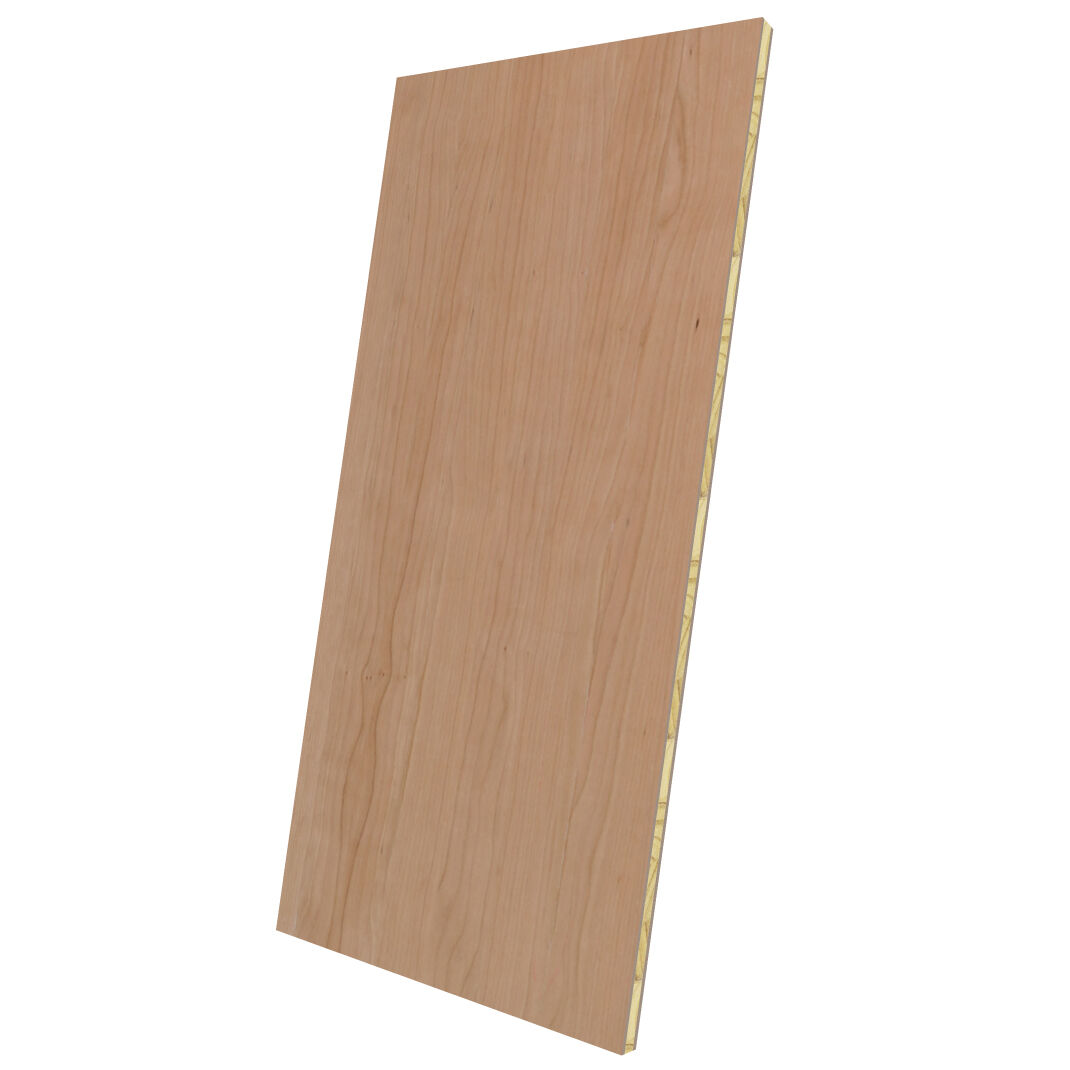
When selecting materials for furniture, cabinetry, or architectural elements, the choice between wood veneer finish and solid wood presents significant implications for both aesthetics and budget. Understanding the fundamental differences between these two options empowers homeowners, designers, and manufacturers to make informed decisions that align with their specific project requirements. The wood veneer finish offers remarkable versatility while maintaining the natural beauty of real wood, making it an increasingly popular choice across residential and commercial applications.
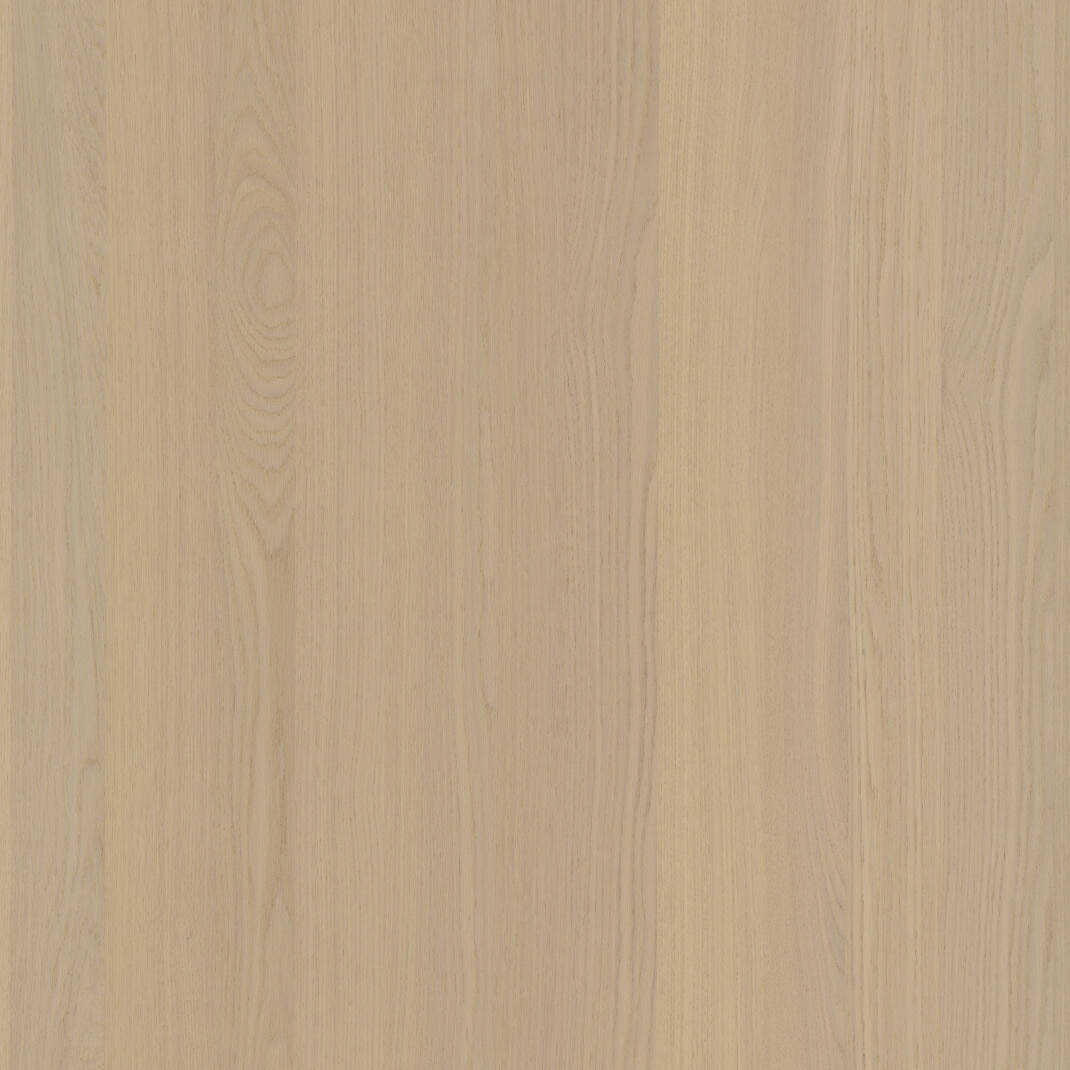
The construction industry has witnessed remarkable evolution in wood processing techniques, leading to sophisticated finishing methods that deliver exceptional results. Both wood veneer finish and solid wood possess unique characteristics that determine their suitability for different applications. Cost considerations, durability factors, and aesthetic preferences all play crucial roles in the decision-making process. Modern manufacturing capabilities have elevated the quality of veneer products to levels that often rival traditional solid wood construction.
Understanding Wood Veneer Construction
Manufacturing Process and Technology
Wood veneer production involves slicing thin layers from logs using specialized machinery that ensures consistent thickness and grain patterns. The slicing process typically yields sheets ranging from 0.6mm to 6mm thick, depending on the intended application and wood species. Advanced rotary cutting and plain slicing techniques preserve the natural characteristics of the wood while maximizing yield from each log. Quality control measures throughout the manufacturing process ensure that each veneer sheet meets strict standards for thickness uniformity and surface quality.
The substrate preparation forms a critical foundation for successful veneer application, with manufacturers employing engineered wood cores, MDF, or plywood bases that provide dimensional stability. Adhesive technologies have advanced significantly, utilizing formaldehyde-free options and moisture-resistant formulations that enhance long-term performance. Temperature and pressure control during the pressing process creates permanent bonds between veneer and substrate, resulting in products that withstand environmental changes without delamination.
Types and Species Availability
The diversity of available wood species for veneer production exceeds what is practical for solid wood furniture, as rare and exotic woods can be utilized more efficiently in thin sheets. Popular species include oak, walnut, cherry, maple, and mahogany, each offering distinct grain patterns and color variations. Figured woods such as bird's eye maple, quilted sapele, and burl patterns become accessible through veneer application where solid wood versions would be prohibitively expensive.
Engineered veneer products expand possibilities further by reconstructing wood fibers into consistent patterns that eliminate natural defects while maintaining authentic wood appearance. Book-matching and slip-matching techniques allow designers to create symmetrical patterns and continuous grain flow across large surfaces. The availability of pre-finished veneer sheets reduces installation time while ensuring consistent color and sheen levels throughout the project.
Solid Wood Characteristics and Properties
Natural Variations and Authenticity
Solid wood construction represents the traditional approach to furniture making, where entire pieces are crafted from lumber cut directly from logs without composite materials or thin overlays. The inherent variations in grain pattern, color, and texture create unique characteristics that cannot be replicated in manufactured products. Natural imperfections such as knots, mineral streaks, and growth rings contribute to the authentic character that many consumers associate with premium quality.
The thickness of solid wood allows for multiple refinishing cycles throughout the product's lifetime, enabling restoration and color changes that extend functional life considerably. Edge profiles, carved details, and joinery methods showcase the material's workability and craftsmanship potential. However, solid wood construction requires careful consideration of wood movement due to seasonal humidity changes, necessitating proper design techniques to prevent cracking or warping.
Structural Integrity and Longevity
The inherent strength properties of solid wood provide excellent load-bearing capabilities for structural applications and heavy-duty furniture pieces. Hardwood species like oak, maple, and cherry offer exceptional durability that improves with age when properly maintained. The cellular structure of wood provides natural shock absorption and resilience that synthetic materials cannot match.
Solid wood's ability to be repaired through traditional woodworking techniques makes it an attractive option for heirloom pieces and commercial applications where longevity justifies higher initial investment. Mortise and tenon joinery, dovetails, and other mechanical fastening methods create connections that often outlast adhesive-based assemblies. The material's compatibility with traditional finishing methods allows for custom staining, texturing, and protective coatings that enhance both appearance and performance.
Cost Analysis and Economic Considerations
Initial Investment Comparison
The cost differential between wood veneer finish and solid wood varies significantly depending on wood species, project scale, and quality specifications. Veneer applications typically cost 30-70% less than equivalent solid wood construction, making premium wood species accessible for projects with budget constraints. The efficient utilization of raw materials in veneer production translates to lower material costs while maintaining aesthetic appeal.
Labor costs for veneer installation often prove lower due to the material's lighter weight and standardized dimensions, reducing handling time and specialized equipment requirements. Factory-applied finishes on veneer products eliminate on-site finishing costs while ensuring consistent quality. However, substrate preparation and adhesive application require skilled technicians to achieve professional results.
Long-term Value Considerations
While initial costs favor veneer products, long-term value calculations must consider maintenance requirements, refinishing capabilities, and expected lifespan. Solid wood furniture often appreciates in value over time, particularly pieces crafted from premium species with superior construction methods. The ability to refinish solid wood multiple times extends functional life significantly, potentially offsetting higher initial investment through reduced replacement costs.
Veneer products offer excellent value for applications where frequent style updates are desired, as replacement costs remain moderate compared to solid wood alternatives. The consistency of factory finishes reduces maintenance requirements in commercial applications where uniform appearance is critical. Insurance considerations may favor solid wood for valuable furniture pieces, while veneer products often prove more practical for built-in applications and large-scale installations.
Performance and Durability Assessment
Environmental Resistance
The dimensional stability of veneer products surpasses solid wood in many applications due to the engineered substrate's resistance to seasonal movement. Plywood and MDF cores provide consistent dimensional behavior that prevents the cupping, warping, and splitting commonly associated with solid wood panels. This stability makes veneer an excellent choice for large surfaces, cabinet doors, and applications in varying humidity conditions.
Modern adhesive systems used in veneer construction offer superior moisture resistance compared to traditional wood joints, reducing the risk of delamination in challenging environments. Factory-applied finishes on veneer products often incorporate advanced protective technologies that outperform field-applied coatings on solid wood. However, edge sealing becomes critical for veneer products to prevent moisture infiltration that could compromise substrate integrity.
Wear and Maintenance Requirements
The thin nature of wood veneer limits refinishing options compared to solid wood, typically allowing only light sanding and recoating rather than complete color changes. Surface damage to veneer products often requires section replacement or professional repair techniques that exceed the skill level of typical maintenance personnel. However, the consistency of factory finishes often provides superior initial protection against scratches, stains, and UV degradation.
Solid wood surfaces develop patina over time that many consider desirable, while veneer products maintain their original appearance throughout their service life. Cleaning and maintenance procedures differ between the two materials, with veneer surfaces often requiring gentler treatment to avoid finish damage. The repairability of solid wood through sanding, filling, and refinishing provides significant advantages for high-traffic applications and valuable furniture pieces.
Design Flexibility and Aesthetic Options
Pattern Creation and Matching
Veneer construction enables sophisticated pattern matching and grain alignment that would be impossible or extremely expensive with solid wood. Book-matching techniques create mirror-image patterns across cabinet doors and panels, while sequence-matching maintains grain continuity across multiple surfaces. The ability to select and arrange veneer sheets allows designers to optimize grain patterns and minimize defects in visible areas.
Exotic wood species become practical for large surfaces through veneer application, expanding design possibilities beyond what solid wood budgets would allow. Curved surfaces and complex geometries accommodate veneer application more readily than solid wood construction, enabling innovative furniture designs and architectural elements. The predictable thickness of veneer sheets simplifies manufacturing processes and ensures consistent reveal lines and joint details.
Surface Treatments and Finishes
Factory finishing capabilities for veneer products often exceed what is achievable through field application, incorporating multi-stage processes that enhance both durability and appearance. Specialized texturing techniques, color matching, and protective coatings applied under controlled conditions deliver consistent results across large production runs. The substrate's stability allows for finish systems that might crack or fail on solid wood due to movement.
Custom staining and finishing options remain available for both materials, though solid wood offers greater flexibility for unique color development and texture enhancement. The natural character of solid wood often benefits from transparent finishes that highlight grain patterns and natural variations, while veneer products may incorporate more complex finish systems that add visual depth and protection.
Environmental Impact and Sustainability
Resource Utilization Efficiency
Veneer production maximizes the utilization of each log, typically yielding 10-15 times more surface area than solid lumber from the same volume of wood. This efficiency reduces pressure on forest resources while making premium wood species accessible for broader applications. The use of fast-growing species for substrate materials combined with thin layers of valuable wood creates environmentally responsible products without aesthetic compromise.
Solid wood construction requires larger diameter logs and results in significant waste during processing, particularly for clear lumber grades needed for furniture applications. However, solid wood products often last longer and require less frequent replacement, potentially offsetting the initial resource consumption through extended service life. The carbon sequestration benefits of wood products favor both materials over synthetic alternatives, with the advantage varying based on product lifespan and end-of-life management.
Manufacturing Energy Requirements
The energy-intensive processes required for veneer production, including slicing, drying, and pressing operations, must be weighed against the efficiency gains from material utilization. Modern manufacturing facilities incorporate energy recovery systems and sustainable practices that minimize environmental impact per unit of production. The transportation advantages of lighter veneer products reduce fuel consumption during shipping and installation.
Solid wood processing typically requires less complex machinery and lower energy input per board foot, though the yield efficiency remains lower than veneer production. Local sourcing opportunities often favor solid wood products where transportation distances can be minimized, supporting regional economies and reducing carbon footprint. The durability of solid wood construction may justify higher initial energy investment through extended product life and reduced replacement frequency.
FAQ
How long does wood veneer finish typically last compared to solid wood
Wood veneer finish products typically last 15-25 years with proper care and maintenance, while solid wood furniture can last generations with periodic refinishing. The lifespan of veneer depends heavily on the quality of the substrate and adhesive system used during manufacturing. High-quality veneer products with engineered substrates often outlast lower-grade solid wood furniture that may suffer from movement-related failures. However, solid wood's ability to be completely refinished multiple times gives it a significant longevity advantage for heirloom pieces and investment furniture.
Can wood veneer finish be repaired if damaged
Minor damage to wood veneer finish can often be repaired through touch-up techniques, spot refinishing, or professional patching methods. Surface scratches and small dents may respond to steam treatment or careful sanding and refinishing of the affected area. However, extensive damage often requires section replacement, which can be challenging to match perfectly with existing veneer. Solid wood offers superior repairability for major damage, as entire sections can be sanded, filled, and refinished to restore original appearance.
Which option provides better value for kitchen cabinetry
For kitchen cabinetry, wood veneer finish often provides superior value due to its dimensional stability, consistent appearance, and lower initial cost. The moisture resistance of quality veneer substrates makes them well-suited for kitchen environments where humidity fluctuations are common. Factory-applied finishes on veneer cabinet doors typically offer better protection against cooking-related stains and moisture than field-finished solid wood. However, solid wood face frames and structural components may be preferred for their durability and traditional construction methods.
What factors should influence the decision between wood veneer and solid wood
The decision should consider budget constraints, intended use, maintenance capabilities, and aesthetic preferences. Projects requiring large surfaces or exotic wood species often favor veneer for cost effectiveness and material availability. Solid wood is preferred for structural applications, heirloom pieces, and situations where refinishing flexibility is important. Environmental conditions, including humidity variations and usage intensity, should influence material selection. The skill level of installation and maintenance personnel may also determine which material is more appropriate for specific applications.
