 EN
EN


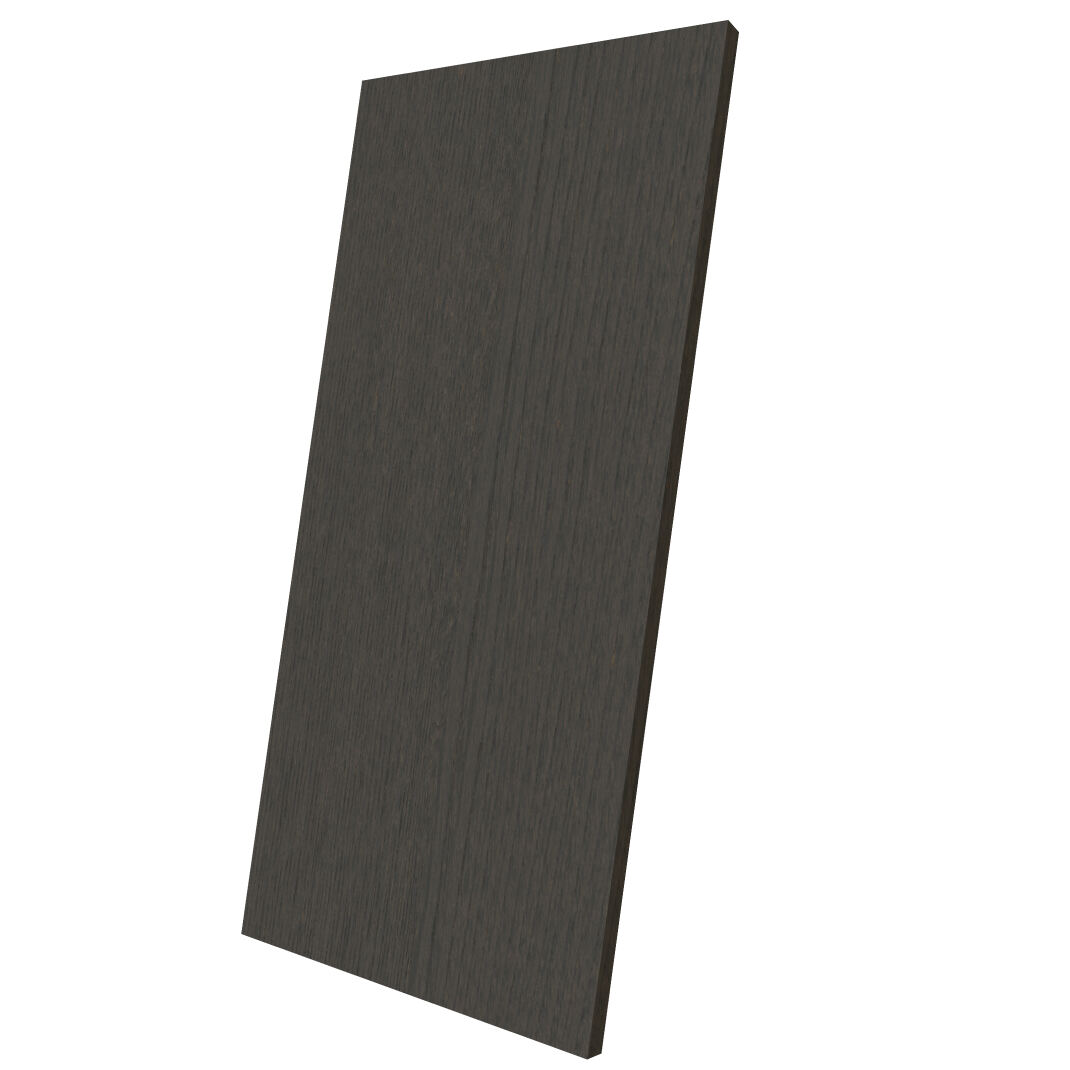
Across architecture, interior design, and high-end commercial fitouts, a clear and compelling shift is underway. Designers who once relied on flat, uniform wall surfaces are now pushing boundaries, reaching for materials that carry texture, depth, and narrative. At the center of this movement are milled panels, which have emerged as a primary canvas for expressing complex visual and spatial patterns. The question worth asking is not simply whether this trend exists, but why it is accelerating and what it reveals about the evolving demands of design culture today.
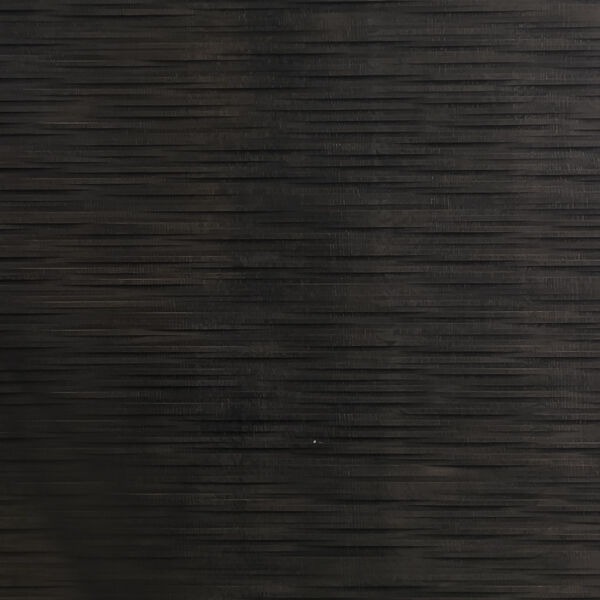
The answer lies at the intersection of technology, craftsmanship, and shifting client expectations. Milled panels are no longer a niche product reserved for bespoke residential projects. They are being specified across hospitality interiors, corporate headquarters, retail environments, and cultural institutions. Understanding why designers are gravitating toward increasingly intricate milled panels patterns requires a look at what these surfaces offer that no other material replicates, and what broader design forces are rewarding complexity over simplicity.
The Technological Leap Enabling Complexity in Milled Panels
CNC Precision as a Creative Unlock
One of the most fundamental reasons designers are pursuing complex patterns with milled panels is that technology has finally caught up with ambition. CNC milling machines now operate with extraordinary precision, allowing submillimeter-level control over depth, angle, and texture across large-format surfaces. What once required months of hand-carving can now be executed consistently and repeatedly, opening the door to geometric intricacy that was previously impractical at scale.
This precision does more than speed up production. It means that a designer can specify a relief pattern with varying depths, layered motifs, and directional grain changes, and trust that each milled panel will be identical. For large installations where dozens or hundreds of panels must align visually, that consistency is not optional — it is the entire premise of the design. The technology has effectively removed a historical ceiling on how complex a pattern can be while still remaining manufacturable.
Furthermore, advanced CNC equipment now supports multi-axis milling, which means tools can approach the panel surface from multiple angles. This enables undercuts, curved reliefs, and three-dimensional sculptural elements that flat milling could never achieve. The result is milled panels that interact with light in ways that are almost architectural in their complexity, casting shifting shadows as lighting conditions change throughout the day.
Digital Design Tools and Their Influence on Pattern Ambition
Alongside CNC hardware, digital design software has fundamentally transformed what designers feel comfortable proposing. Parametric modeling tools allow designers to generate organic, algorithmically-driven patterns and translate them directly into machine code for milled panels production. A pattern that would have taken weeks to draft manually can now be generated, adjusted, and refined within hours, lowering the barrier to experimentation.
This workflow integration between design software and manufacturing has created a new creative confidence. Designers are no longer constrained by what they can manually draw or what a craftsperson can physically execute. The digital-to-physical pipeline means that complexity is a design choice rather than a production limitation. Milled panels have become a direct output of computational creativity, and that has permanently changed the ambition ceiling for pattern work.
Why Clients and Spaces Are Demanding Richer Surface Detail
The Experience Economy and the Value of Texture
The shift toward experiential design in commercial and hospitality environments has created strong demand for surfaces that do more than cover a wall. In an economy where physical environments compete with digital experiences for attention and memory, the tactile and visual richness of milled panels becomes a strategic differentiator. Hotels, restaurants, and luxury retail spaces are increasingly evaluated on the sensory quality of their interiors, and intricate milled panels contribute directly to that perception of quality.
Clients investing in premium interiors understand that a distinctive environment translates to brand value, social media visibility, and repeat engagement. A wall covered in complex geometric or organic milled panels creates a moment of visual discovery that flat surfaces simply cannot replicate. There is a documented tendency for guests and visitors to engage more deeply with environments that reward close inspection, and textured milled panels are purpose-built for that kind of engagement.
The psychological impact of surface texture in interior spaces is also increasingly recognized in design research. Environments featuring rich surface variation — exactly what milled panels deliver at scale — are associated with higher perceived quality, greater comfort, and stronger emotional responses from occupants. This gives designers both aesthetic and evidence-based justification for specifying complex milled panels in client projects.
Brand Identity and the Demand for Custom Pattern Work
Corporate and branded environments have driven a significant portion of the demand for complex milled panels. Brands that have invested heavily in their visual identity increasingly want those identities expressed through the physical environment, not just on screens and signage. Milled panels offer a medium through which a pattern unique to a brand — its founding year, a geometric interpretation of its logo, a repeating motif derived from its heritage — can be embedded permanently into architecture.
This desire for bespoke pattern work is not a luxury indulgence. It is a calculated investment in spatial differentiation. When a pattern on milled panels is unique to a brand, it functions simultaneously as art, wayfinding, and brand communication. Designers working with brands in competitive sectors understand that custom milled panels patterns can become as recognizable and proprietary as a color palette or typeface, making them a worthwhile design and business investment.
Material Properties That Reward Complex Pattern Execution
How Depth and Shadow Create Visual Complexity
The physical properties of milled panels are uniquely suited to complex pattern work in ways that printed or painted surfaces are not. When a pattern is milled into a panel surface rather than applied to it, the design gains a third dimension. Light falls across the relief at different angles depending on the time of day, the position of luminaires, and the viewing angle, creating dynamic visual effects that are constantly evolving. This responsive quality makes milled panels inherently more complex visually than their two-dimensional counterparts.
Designers who work extensively with milled panels develop a sophisticated understanding of how depth increments affect shadow and highlight. A groove milled to three millimeters reads very differently under raking light than one milled to six millimeters. By varying depths across a single milled panels design, a designer can choreograph the way a surface reads at different distances and under different lighting conditions, creating a surface that reveals itself progressively to the viewer.
This interplay between pattern geometry and light behavior is one of the most compelling reasons designers continue to push complexity further. The richer the pattern, the more dynamic the surface, and the more the space itself feels alive and intentional. Milled panels, in this context, are not just wall cladding — they are light instruments.
Material Versatility and Finishing Options
Milled panels are available in a wide range of substrate materials, each of which responds differently to complex patterns. MDF and engineered wood substrates accept fine detail milling with excellent consistency and are well-suited to painted finishes that emphasize the relief. Natural stone and composite stone milled panels carry the inherent variation of the material into the pattern, creating a richness that no applied finish can replicate. Metal milled panels, particularly aluminum and brass, develop highlights and shadows with exceptional sharpness.
The range of finishing options available for milled panels further expands the design vocabulary. A complex pattern milled into a panel can be finished in matte lacquer for understated elegance, metallic paint for dramatic effect, or raw-surface treatment to emphasize the natural material. This versatility means that the same complex pattern geometry can produce completely different emotional and aesthetic outcomes depending on the finish chosen, giving designers enormous expressive latitude within a single material system.
Milled Panels in the Context of Contemporary Design Movements
The Return of Craft Sensibility in Modern Interiors
Contemporary design culture is experiencing a well-documented return to craft values, even within heavily technologized production contexts. After decades in which minimalism and industrial aesthetics dominated high-end interiors, there is now strong appetite for surfaces that carry evidence of making — of process, skill, and material intelligence. Milled panels sit perfectly within this sensibility, offering surfaces that are visibly crafted even when produced with advanced machinery.
The patterns chosen for milled panels increasingly reflect this craft orientation. Designers are drawing from historical craft traditions — Islamic geometric patterns, Art Deco relief work, Japanese kumiko joinery, Baroque ornamental vocabulary — and reinterpreting them through contemporary production methods. The result is milled panels that feel culturally rooted and materially serious, rather than purely decorative. This depth of reference is part of what makes complex pattern work so compelling to both designers and their clients.
There is also a sustainability dimension to this craft revival. Milled panels that celebrate material and pattern are designed to endure. They are specified as permanent architectural elements, not temporary surface treatments. The investment in complexity reflects an investment in longevity, which aligns with broader client and cultural movements toward considered, lasting design rather than disposable aesthetics.
Complexity as a Response to the Flattening of Digital Culture
Many leading designers have articulated a growing dissatisfaction with the visual flatness of screen-dominated contemporary life. When most human interaction with imagery occurs through glass screens, the physical world becomes the primary domain for experiencing genuine material texture and three-dimensional form. Milled panels, precisely because they cannot be fully experienced on a screen, represent a deliberate counter-gesture to the flattening of visual culture.
Complex patterns on milled panels reward physical presence in a way that flat surfaces do not. A person must be in the room, moving around the space, to fully experience how a pattern shifts and breathes with changing light and perspective. This quality gives milled panels a unique cultural value in contemporary design — they are anchors of physical experience in an increasingly virtual world. Designers who understand this are intentionally increasing pattern complexity to deepen that anchoring effect.
FAQ
What types of spaces are most suitable for complex-pattern milled panels?
Milled panels with complex patterns are most commonly specified in hospitality interiors, high-end retail environments, corporate lobbies, cultural institutions, and luxury residential projects. These are contexts where visual richness contributes directly to the perceived quality and brand identity of the space. They are also used in feature wall applications in smaller environments where a single surface is intended to be a focal element of the design.
Are milled panels with complex patterns significantly more expensive than simpler options?
The cost of milled panels is influenced by factors including substrate material, pattern complexity, panel size, and finishing requirements. Complex patterns do generally involve longer machine time and more careful quality control, which affects pricing. However, advances in CNC technology have made complex pattern production considerably more accessible than it was a decade ago. For many designers, the value delivered in terms of visual impact and differentiation justifies the cost premium over simpler surface solutions.
How do lighting conditions affect the appearance of complex milled panels patterns?
Lighting has a profound effect on how complex patterns in milled panels are perceived. Raking or directional light emphasizes relief depth and creates strong shadow definition, making patterns appear more dramatic and three-dimensional. Diffuse ambient light softens the contrast and allows the overall pattern geometry to read more evenly. Experienced designers specify lighting in conjunction with milled panels patterns, treating them as a single integrated system rather than independent elements.
Can milled panels be used on curved or non-flat architectural surfaces?
Milled panels can be produced for curved applications depending on the substrate material and the radius of the curve required. Flexible substrate options allow milled panels to conform to gentle curves, while more complex curves may require the pattern to be distributed across segmented panels designed to follow the curve incrementally. Designers should consult with manufacturers early in the design process when curved milled panels applications are being considered, as the geometry of the curve can influence both pattern design and structural detailing.
Table of Contents
- The Technological Leap Enabling Complexity in Milled Panels
- Why Clients and Spaces Are Demanding Richer Surface Detail
- Material Properties That Reward Complex Pattern Execution
- Milled Panels in the Context of Contemporary Design Movements
-
FAQ
- What types of spaces are most suitable for complex-pattern milled panels?
- Are milled panels with complex patterns significantly more expensive than simpler options?
- How do lighting conditions affect the appearance of complex milled panels patterns?
- Can milled panels be used on curved or non-flat architectural surfaces?
