 EN
EN


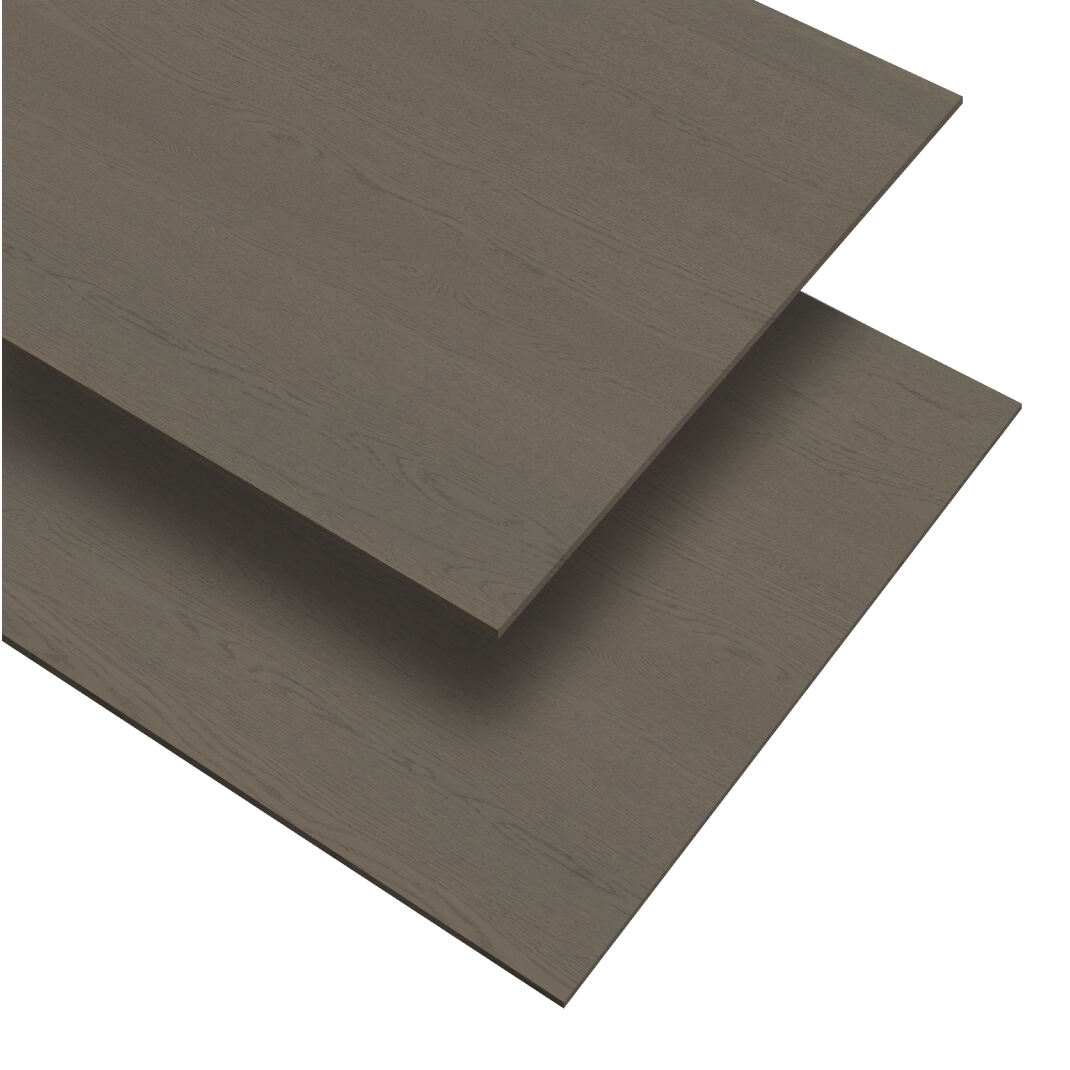
The hospitality industry has always placed a premium on first impressions, and interior surfaces play a defining role in shaping how guests perceive a space. In recent years, designers and project managers working on hotels, resorts, restaurants, and boutique lodges have increasingly turned to premium wood veneer finish options as a core element of their interior specifications. This shift is not simply a matter of aesthetics — it reflects a deeper understanding of how material quality, tactile experience, and visual warmth directly influence guest satisfaction and brand perception.
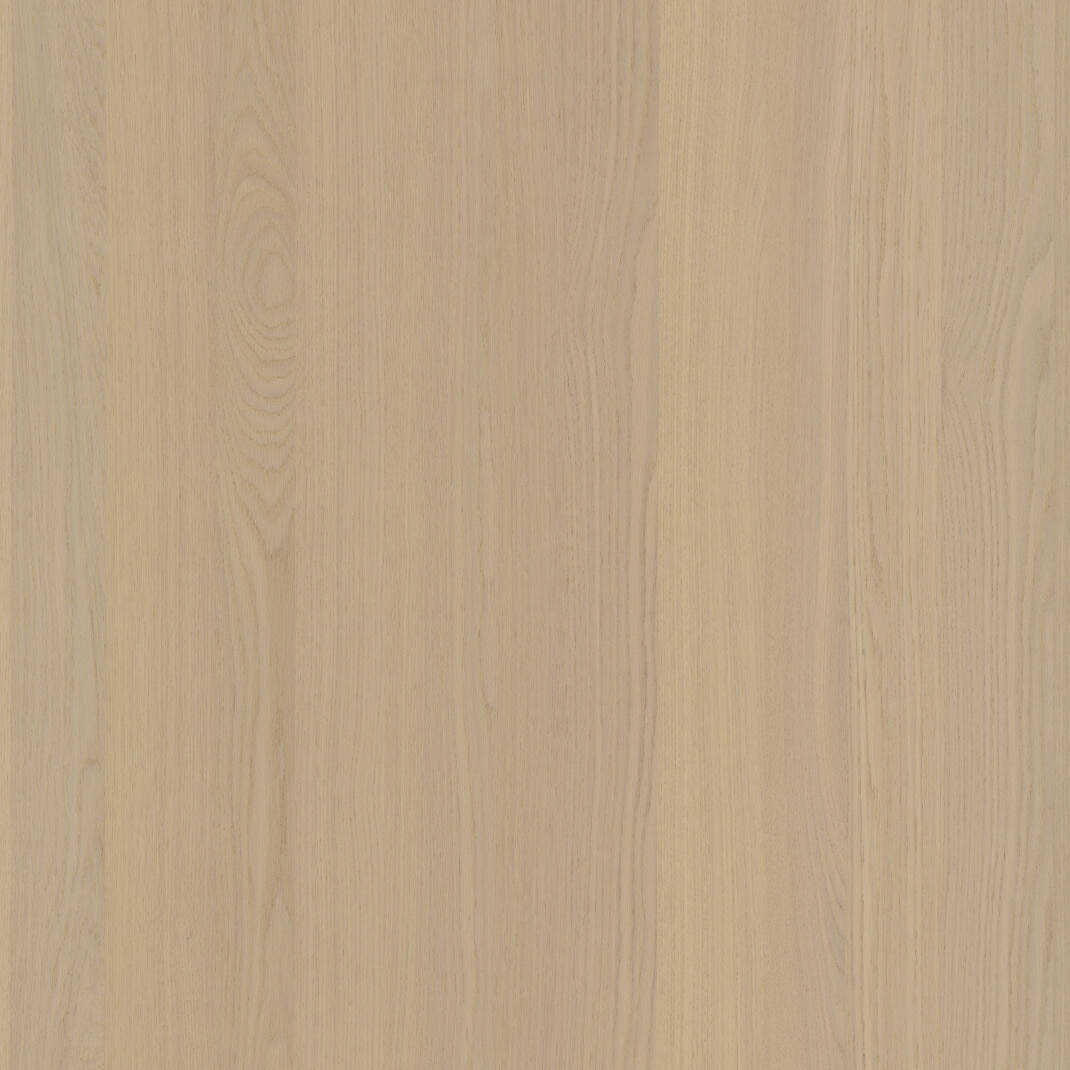
Understanding why hospitality projects are prioritizing this material choice requires looking at the intersection of design intent, operational practicality, and long-term value. A well-specified wood veneer finish delivers the natural beauty of real timber while offering the dimensional stability, consistency, and surface performance that large-scale commercial environments demand. As competition among hospitality brands intensifies, the materials used in lobbies, guest rooms, dining areas, and corridors have become strategic decisions rather than afterthoughts.
The Role of Sensory Experience in Hospitality Design
Why Natural Materials Create Emotional Resonance
Guests in hospitality environments are highly attuned to their surroundings, often forming subconscious judgments within seconds of entering a space. Natural materials, particularly those with visible grain, texture, and warmth, trigger a psychological response associated with comfort, quality, and authenticity. A wood veneer finish captures these qualities precisely because it uses real wood at its surface layer, preserving the organic character that synthetic alternatives cannot replicate convincingly.
This emotional resonance is especially important in premium and luxury hospitality segments, where guests expect environments that feel considered and crafted. The depth of grain, the subtle variation in tone, and the tactile quality of a well-applied wood veneer finish communicate a level of investment that resonates with discerning travelers. Designers understand that these sensory cues contribute directly to perceived value and, ultimately, to guest loyalty and positive reviews.
Beyond individual rooms, the cumulative effect of consistent wood veneer finish applications across corridors, reception areas, and dining spaces creates a coherent design language. This coherence is a hallmark of professionally executed hospitality interiors and is difficult to achieve with materials that lack the natural variation and depth that real wood veneer provides.
Warmth and Ambiance as Competitive Differentiators
In a market where hospitality brands compete intensely on experience, ambiance has become a measurable differentiator. Spaces finished with premium wood veneer finish options consistently score higher in guest satisfaction surveys related to comfort and atmosphere. The warmth that wood tones introduce into a room reduces the clinical or impersonal feeling that can result from over-reliance on stone, metal, or painted surfaces alone.
Lighting interacts with a wood veneer finish in ways that enhance rather than flatten the surface. The grain catches light at different angles, creating subtle movement and depth throughout the day and evening. This dynamic quality makes spaces feel alive and inviting, which is precisely the atmosphere that hospitality operators work hard to cultivate. Specifying the right wood veneer finish is therefore not just a material decision — it is a direct investment in the experiential quality of the property.
Practical Advantages That Drive Commercial Specification
Dimensional Stability in High-Traffic Environments
One of the primary reasons hospitality project managers favor a premium wood veneer finish over solid timber is dimensional stability. Solid wood is susceptible to expansion, contraction, and warping in response to humidity and temperature fluctuations — conditions that are common in commercial buildings with HVAC systems, varying occupancy levels, and frequent door openings. A wood veneer finish applied to an engineered substrate combines the visual authenticity of real wood with the structural reliability of a stable core material.
This stability is critical in environments such as hotel lobbies, spa reception areas, and restaurant interiors where panels, wall cladding, and furniture surfaces must maintain their appearance over years of continuous use. The risk of cracking, gapping, or surface distortion that can affect solid timber installations is significantly reduced when a properly engineered wood veneer finish system is specified. For project managers responsible for long-term asset performance, this reliability translates directly into reduced maintenance costs and fewer warranty claims.
Prefinished wood veneer finish panels offer an additional advantage in this regard. Because the finish is applied under controlled factory conditions, the surface coating penetrates and bonds more uniformly than site-applied finishes. This results in a more durable surface that resists moisture ingress, surface abrasion, and the minor impacts that are inevitable in busy hospitality environments.
Consistency Across Large-Scale Installations
Hospitality projects often involve large quantities of surface material applied across multiple floors, wings, or buildings. Achieving visual consistency at this scale is a significant challenge when working with natural materials. Premium wood veneer finish products address this challenge through careful matching and sequencing of veneer leaves, ensuring that adjacent panels share compatible grain patterns and tonal ranges.
This level of quality control is particularly important in feature walls, reception desks, and elevator lobbies where the wood veneer finish is a focal point of the design. Inconsistencies in color or grain at these high-visibility locations would undermine the overall design intent and reflect poorly on the property. Specifying from a supplier that offers matched veneer sequencing and consistent batch quality is therefore a standard requirement for serious hospitality interior projects.
The ability to specify a wood veneer finish in large, consistent quantities also simplifies the procurement and installation process. Project timelines in hospitality construction are often tight, and delays caused by material inconsistencies or reordering can have significant financial consequences. A reliable wood veneer finish supply chain reduces these risks and supports smoother project delivery.
Design Flexibility and Specification Range
Species, Cut, and Surface Treatment Options
The range of design options available within the wood veneer finish category is one of the key reasons it has become a preferred specification in hospitality interiors. Designers can select from a wide variety of timber species, each offering a distinct grain character, color palette, and surface texture. Oak, walnut, ash, teak, and maple are among the most commonly specified species, each lending a different mood and character to a space.
Beyond species selection, the cut of the veneer — whether crown cut, quarter cut, or rift cut — significantly affects the visual outcome of the wood veneer finish. Quarter-cut veneers produce a tighter, more linear grain that reads as formal and refined, making them well suited to executive lounges and premium dining environments. Crown-cut veneers display a more pronounced, flowing grain pattern that adds visual energy and warmth, often preferred in lobby areas and guest room feature walls.
Surface treatment options further expand the design vocabulary of a wood veneer finish. Matte, satin, and gloss lacquer finishes each interact differently with light and touch. Wire-brushed or hand-scraped textures add tactile interest and a sense of craftsmanship. Stained or fumed finishes allow designers to achieve specific color tones while retaining the natural grain character that makes a wood veneer finish visually compelling.
Integration with Contemporary and Traditional Design Languages
A significant advantage of the wood veneer finish in hospitality specification is its ability to integrate seamlessly with both contemporary and traditional design languages. In modern minimalist interiors, a pale oak or ash wood veneer finish with a matte lacquer surface contributes warmth without visual complexity, complementing clean lines and neutral palettes. In more traditional or heritage-influenced properties, darker species with richer grain patterns and satin finishes reinforce a sense of history and gravitas.
This versatility means that a wood veneer finish can be specified across a wide range of hospitality typologies — from urban boutique hotels to mountain lodges, from airport lounges to beachfront resorts. The material adapts to the design intent rather than imposing a fixed aesthetic, which is why it remains a consistent choice across diverse project types and geographic markets.
Designers also appreciate the ability to combine a wood veneer finish with other materials such as stone, metal, glass, and fabric. These combinations create layered, sophisticated interiors that feel curated rather than formulaic. The natural warmth of a wood veneer finish provides an effective counterpoint to the cooler qualities of stone and metal, resulting in spaces that feel balanced and inviting.
Sustainability and Responsible Sourcing Considerations
Material Efficiency and Resource Stewardship
Sustainability has become a non-negotiable consideration in hospitality construction and renovation projects, driven by both regulatory requirements and the expectations of environmentally conscious guests and investors. The wood veneer finish offers a compelling sustainability argument: because veneer slices timber into very thin layers, a single log can yield a surface area many times greater than would be possible with solid timber applications. This material efficiency reduces the volume of timber required to achieve a given design outcome.
For hospitality projects pursuing green building certifications, specifying a wood veneer finish from responsibly managed forests — verified through credible certification schemes — supports compliance with material sourcing criteria. The combination of reduced timber consumption and certified sourcing makes a premium wood veneer finish one of the more defensible natural material choices from a sustainability perspective.
The longevity of a well-specified wood veneer finish also contributes to its sustainability profile. Surfaces that maintain their appearance and structural integrity over extended periods reduce the frequency of replacement cycles, which in turn reduces the embodied carbon and resource consumption associated with refurbishment. Investing in quality at the specification stage is therefore aligned with both environmental and financial sustainability goals.
Indoor Air Quality and Low-Emission Standards
Hospitality environments must meet stringent indoor air quality standards, particularly in guest rooms and dining areas where guests spend extended periods. Premium wood veneer finish products that comply with low-emission standards for volatile organic compounds contribute to healthier indoor environments. This is an increasingly important specification criterion as awareness of indoor air quality grows among both operators and guests.
Prefinished wood veneer finish panels are particularly advantageous in this context because the finishing process occurs in a controlled factory environment, allowing for thorough curing before the panels are installed. This eliminates the off-gassing period that can occur with site-applied finishes, ensuring that spaces are ready for occupancy sooner and that indoor air quality is not compromised during or after installation.
Long-Term Value and Asset Performance
Durability and Maintenance in Commercial Use
The total cost of ownership is a critical metric for hospitality asset managers evaluating material specifications. A premium wood veneer finish, when correctly specified and installed, offers a favorable balance between upfront cost and long-term performance. The surface durability of factory-applied finishes means that routine cleaning and occasional light maintenance are typically sufficient to keep surfaces looking their best over many years of commercial use.
In high-contact areas such as reception desks, bar fronts, and corridor wall panels, the abrasion resistance and moisture tolerance of a quality wood veneer finish reduce the likelihood of premature surface degradation. This durability is a direct financial benefit, as it defers the cost and disruption of surface replacement or refinishing. For operators managing multiple properties or planning long refurbishment cycles, the reliability of a premium wood veneer finish is a significant specification advantage.
When minor surface damage does occur, a wood veneer finish can often be locally repaired or refinished without requiring full panel replacement. This repairability is an important practical advantage in commercial environments where maintaining a pristine appearance is essential but complete shutdowns for refurbishment are operationally disruptive.
Brand Value and Guest Perception Over Time
The contribution of a premium wood veneer finish to brand value extends beyond the initial guest impression. As a property ages, the quality of its interior finishes becomes increasingly apparent. Surfaces that retain their beauty and integrity over time reinforce the brand's commitment to quality, while surfaces that deteriorate quickly signal neglect and erode guest confidence.
Hospitality operators who invest in premium wood veneer finish specifications at the outset benefit from a material that ages gracefully. The natural character of real wood veneer can develop a subtle patina over time that adds to rather than detracts from the surface's appeal, provided the finish system is of sufficient quality to protect the veneer layer. This aging quality is one of the characteristics that distinguishes a genuine wood veneer finish from synthetic alternatives, which tend to show wear in ways that are difficult to disguise or repair.
The cumulative effect of these factors — sensory quality, operational reliability, design flexibility, sustainability credentials, and long-term durability — explains why hospitality projects across market segments are consistently prioritizing premium wood veneer finish options. It is a specification decision that aligns design ambition with commercial pragmatism, delivering value at every stage of a property's lifecycle.
FAQ
What makes a wood veneer finish suitable for high-traffic hospitality environments?
A wood veneer finish designed for commercial hospitality use is typically applied over a dimensionally stable engineered substrate and finished with a durable lacquer or hardwax oil system that resists abrasion, moisture, and surface impact. Prefinished panels offer the additional advantage of factory-controlled coating quality, which provides more consistent and durable surface protection than site-applied alternatives. These characteristics make a properly specified wood veneer finish well suited to the demands of lobbies, corridors, dining areas, and guest rooms.
How does a wood veneer finish differ from laminate or printed wood-effect surfaces?
A wood veneer finish uses a genuine slice of real timber at its surface layer, preserving the authentic grain, texture, and natural variation of the species. Laminate and printed wood-effect surfaces use photographic or digital reproductions of wood grain applied to synthetic substrates. While these alternatives can approximate the visual appearance of wood, they lack the tactile depth, natural variation, and aging character of a real wood veneer finish, which is why discerning hospitality designers consistently prefer genuine veneer for premium applications.
Can a wood veneer finish be specified in custom colors or tones?
Yes. A wood veneer finish can be stained, fumed, or treated with reactive finishes to achieve a wide range of color tones while retaining the natural grain character of the underlying timber species. This flexibility allows designers to align the wood veneer finish with a property's specific color palette and brand identity without sacrificing the authenticity and warmth that real wood veneer provides. Custom finishing options are typically available from premium veneer panel suppliers who offer factory-applied finishing services.
What should project managers consider when specifying a wood veneer finish for a large hospitality project?
Key considerations include veneer matching and sequencing to ensure visual consistency across large surface areas, substrate selection for dimensional stability in the specific climate and HVAC conditions of the building, finish system durability relative to the intended use and traffic levels, and compliance with indoor air quality and sustainability certification requirements. Engaging with a supplier early in the specification process allows project managers to confirm availability, lead times, and batch consistency for the quantities required, reducing the risk of delays or material mismatches during installation.
Table of Contents
- The Role of Sensory Experience in Hospitality Design
- Practical Advantages That Drive Commercial Specification
- Design Flexibility and Specification Range
- Sustainability and Responsible Sourcing Considerations
- Long-Term Value and Asset Performance
-
FAQ
- What makes a wood veneer finish suitable for high-traffic hospitality environments?
- How does a wood veneer finish differ from laminate or printed wood-effect surfaces?
- Can a wood veneer finish be specified in custom colors or tones?
- What should project managers consider when specifying a wood veneer finish for a large hospitality project?
